

#asia
asia
263,547 vues
553 mentions
Populaire
Récents

Article
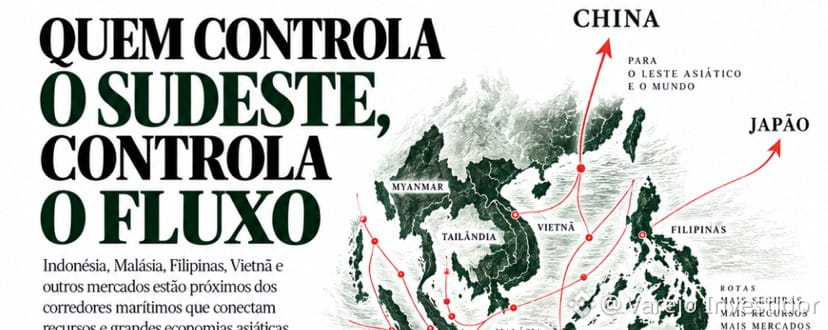
QUEM CONTROLA O SUDESTE, CONTROLA O FLUXO 🇨🇳 🇯🇵O Sudeste Asiático não é apenas uma região entre grandes potências. É uma rede de rotas que conecta recursos, fábricas, portos e mercados da Ásia ao restante do mundo.
No centro dessa estrutura está o Estreito de Malaca, uma das principais passagens marítimas do planeta. Segundo o CSIS, cerca de 29% do comércio marítimo global de petróleo passou pelo estreito no primeiro semestre de 2025, tornando-o o principal ponto de estrangulamento marítimo para o transporte de petróleo naquele período.
A importância vai além da energia. Em 2024, mais de US$ 2,4 trilhões em mercadorias passaram pelo Estreito de Malaca, aproximadamente 21% do comércio marítimo global. O estreito conecta o Oceano Índico ao Mar do Sul da China e, consequentemente, às grandes economias do Leste Asiático.
Indonésia, Malásia, Vietnã, Filipinas, Tailândia e Singapura estão inseridos nessa arquitetura logística. O FMI também destaca o crescimento do Sudeste Asiático como base para a diversificação das cadeias produtivas, enquanto empresas reorganizam fornecedores e produção dentro da região.
A lógica pode ser resumida assim:
Recursos → rotas → portos → fábricas → mercados.
Quando uma rota concentra grande quantidade de comércio, sua importância econômica aumenta. Uma interrupção pode exigir desvios, elevar custos de transporte e alterar cadeias de suprimentos.
Por isso, entender o Sudeste Asiático é entender uma parte essencial da infraestrutura física do comércio mundial.
Quem observa apenas os países vê fronteiras.
Quem observa as rotas vê dependências.
#Asia #Japanese #china #trading
$EIDO.ETF
$VNM.ETF
{etf_us}(VNM.ETF)
$EPHE.ETF
{etf_us}(EPHE.ETF)
{etf_us}(EIDO.ETF)
QUEM CONTROLA O SUDESTE, CONTROLA O FLUXO 🇨🇳 🇯🇵
O Sudeste Asiático não é apenas uma região entre grandes potências. É uma rede de rotas que conecta recursos, fábricas, portos e mercados da Ásia ao restante do mundo.
No centro dessa estrutura está o Estreito de Malaca, uma das principais passagens marítimas do planeta. Segundo o CSIS, cerca de 29% do comércio marítimo global de petróleo passou pelo estreito no primeiro semestre de 2025, tornando-o o principal ponto de estrangulamento marítimo para o transporte de petróleo naquele período.
A importância vai além da energia. Em 2024, mais de US$ 2,4 trilhões em mercadorias passaram pelo Estreito de Malaca, aproximadamente 21% do comércio marítimo global. O estreito conecta o Oceano Índico ao Mar do Sul da China e, consequentemente, às grandes economias do Leste Asiático.
Indonésia, Malásia, Vietnã, Filipinas, Tailândia e Singapura estão inseridos nessa arquitetura logística. O FMI também destaca o crescimento do Sudeste Asiático como base para a diversificação das cadeias produtivas, enquanto empresas reorganizam fornecedores e produção dentro da região.
A lógica pode ser resumida assim:
Recursos → rotas → portos → fábricas → mercados.
Quando uma rota concentra grande quantidade de comércio, sua importância econômica aumenta. Uma interrupção pode exigir desvios, elevar custos de transporte e alterar cadeias de suprimentos.
Por isso, entender o Sudeste Asiático é entender uma parte essencial da infraestrutura física do comércio mundial.
Quem observa apenas os países vê fronteiras.
Quem observa as rotas vê dependências.
#Asia #Japanese #china #trading
$EIDO.ETF
$VNM.ETF
$EPHE.ETF
No centro dessa estrutura está o Estreito de Malaca, uma das principais passagens marítimas do planeta. Segundo o CSIS, cerca de 29% do comércio marítimo global de petróleo passou pelo estreito no primeiro semestre de 2025, tornando-o o principal ponto de estrangulamento marítimo para o transporte de petróleo naquele período.
A importância vai além da energia. Em 2024, mais de US$ 2,4 trilhões em mercadorias passaram pelo Estreito de Malaca, aproximadamente 21% do comércio marítimo global. O estreito conecta o Oceano Índico ao Mar do Sul da China e, consequentemente, às grandes economias do Leste Asiático.
Indonésia, Malásia, Vietnã, Filipinas, Tailândia e Singapura estão inseridos nessa arquitetura logística. O FMI também destaca o crescimento do Sudeste Asiático como base para a diversificação das cadeias produtivas, enquanto empresas reorganizam fornecedores e produção dentro da região.
A lógica pode ser resumida assim:
Recursos → rotas → portos → fábricas → mercados.
Quando uma rota concentra grande quantidade de comércio, sua importância econômica aumenta. Uma interrupção pode exigir desvios, elevar custos de transporte e alterar cadeias de suprimentos.
Por isso, entender o Sudeste Asiático é entender uma parte essencial da infraestrutura física do comércio mundial.
Quem observa apenas os países vê fronteiras.
Quem observa as rotas vê dependências.
#Asia #Japanese #china #trading
$EIDO.ETF
$VNM.ETF
$EPHE.ETF
EPHEETF-0,15%
EIDOETF-0,57%
VNMETF-0,05%
2
40
Article
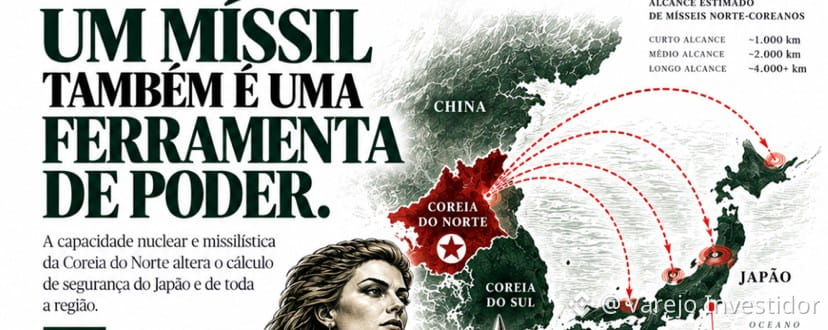
UM MÍSSIL TAMBÉM É UMA FERRAMENTA DE PODERA capacidade militar da Coreia do Norte influencia o cálculo de segurança de toda a Ásia Oriental. O ponto central não é apenas o alcance de um míssil, mas como essa capacidade altera decisões de governos, alianças, investimentos e cadeias estratégicas.
Em setembro de 2026, a Coreia do Norte realizou novos lançamentos de mísseis balísticos. Em 20 de setembro, dois projéteis percorreram aproximadamente 450 km e mais de 600 km, segundo autoridades sul-coreanas e japonesas citadas pela Reuters. Os lançamentos ocorreram fora da zona econômica exclusiva do Japão.
Poucos dias depois, Pyongyang anunciou um novo teste de armamento, enquanto autoridades da Coreia do Sul, Japão e Estados Unidos reafirmaram a coordenação sobre segurança regional e desnuclearização.
É aqui que a geopolítica encontra a economia.
Capacidade militar → dissuasão → alianças → segurança regional → decisões econômicas.
A pressão militar pode influenciar gastos de defesa, planejamento de infraestrutura, cadeias de suprimentos e percepção de risco. Para empresas e mercados, o efeito não precisa aparecer diretamente no setor de defesa. Pode surgir por meio de logística, energia, comércio, tecnologia e confiança empresarial.
Por isso, acompanhar a Península Coreana exige olhar além do mapa militar. É necessário observar como mudanças na segurança regional podem alterar as decisões econômicas de Japão, Coreia do Sul, Estados Unidos e outros parceiros asiáticos.
Um míssil é uma arma. Mas sua existência também pode modificar o cálculo econômico ao redor dele.
#Korea #Asia #Japan #war $LMT.US
{stock_us}(LMT.US)
$RTX.US
{stock_us}(RTX.US)
$PPA.ETF
{etf_us}(PPA.ETF)
UM MÍSSIL TAMBÉM É UMA FERRAMENTA DE PODER
A capacidade militar da Coreia do Norte influencia o cálculo de segurança de toda a Ásia Oriental. O ponto central não é apenas o alcance de um míssil, mas como essa capacidade altera decisões de governos, alianças, investimentos e cadeias estratégicas.
Em setembro de 2026, a Coreia do Norte realizou novos lançamentos de mísseis balísticos. Em 20 de setembro, dois projéteis percorreram aproximadamente 450 km e mais de 600 km, segundo autoridades sul-coreanas e japonesas citadas pela Reuters. Os lançamentos ocorreram fora da zona econômica exclusiva do Japão.
Poucos dias depois, Pyongyang anunciou um novo teste de armamento, enquanto autoridades da Coreia do Sul, Japão e Estados Unidos reafirmaram a coordenação sobre segurança regional e desnuclearização.
É aqui que a geopolítica encontra a economia.
Capacidade militar → dissuasão → alianças → segurança regional → decisões econômicas.
A pressão militar pode influenciar gastos de defesa, planejamento de infraestrutura, cadeias de suprimentos e percepção de risco. Para empresas e mercados, o efeito não precisa aparecer diretamente no setor de defesa. Pode surgir por meio de logística, energia, comércio, tecnologia e confiança empresarial.
Por isso, acompanhar a Península Coreana exige olhar além do mapa militar. É necessário observar como mudanças na segurança regional podem alterar as decisões econômicas de Japão, Coreia do Sul, Estados Unidos e outros parceiros asiáticos.
Um míssil é uma arma. Mas sua existência também pode modificar o cálculo econômico ao redor dele.
#Korea #Asia #Japan #war $LMT.US
$RTX.US
$PPA.ETF
Em setembro de 2026, a Coreia do Norte realizou novos lançamentos de mísseis balísticos. Em 20 de setembro, dois projéteis percorreram aproximadamente 450 km e mais de 600 km, segundo autoridades sul-coreanas e japonesas citadas pela Reuters. Os lançamentos ocorreram fora da zona econômica exclusiva do Japão.
Poucos dias depois, Pyongyang anunciou um novo teste de armamento, enquanto autoridades da Coreia do Sul, Japão e Estados Unidos reafirmaram a coordenação sobre segurança regional e desnuclearização.
É aqui que a geopolítica encontra a economia.
Capacidade militar → dissuasão → alianças → segurança regional → decisões econômicas.
A pressão militar pode influenciar gastos de defesa, planejamento de infraestrutura, cadeias de suprimentos e percepção de risco. Para empresas e mercados, o efeito não precisa aparecer diretamente no setor de defesa. Pode surgir por meio de logística, energia, comércio, tecnologia e confiança empresarial.
Por isso, acompanhar a Península Coreana exige olhar além do mapa militar. É necessário observar como mudanças na segurança regional podem alterar as decisões econômicas de Japão, Coreia do Sul, Estados Unidos e outros parceiros asiáticos.
Um míssil é uma arma. Mas sua existência também pode modificar o cálculo econômico ao redor dele.
#Korea #Asia #Japan #war $LMT.US
$RTX.US
$PPA.ETF
LMTUS-1,78%
RTXUS-1,47%
PPAETF-1,92%
1
64

Article
A GUERRA PELO CONTROLE DA ÁSIAA disputa pelo controle econômico da Ásia vai muito além de território. Ela envolve recursos, rotas marítimas, portos, tecnologia, semicondutores, logística e acesso aos mercados.
China, Japão, Coreia do Sul, Taiwan e economias do Sudeste Asiático estão profundamente conectados por cadeias de produção e comércio. A OCDE mostra que China, Taiwan, Coreia, Japão e Estados Unidos concentravam cerca de 87% da capacidade mundial de fabricação de wafers em operação em setembro de 2025.
Essa concentração importa porque semicondutores são insumos utilizados por inúmeras outras indústrias. Uma interrupção em um ponto da cadeia pode produzir efeitos muito além do setor de tecnologia.
A China também possui um papel central nas cadeias regionais de valor. Segundo o FMI, sua participação como fornecedora de bens intermediários para outras economias aumentou significativamente, enquanto o Sudeste Asiático ganhou importância como base para a diversificação das cadeias produtivas.
Por isso, analisar a Ásia exige olhar para a infraestrutura que conecta a região:
Recursos → rotas → portos → distribuição → dependência.
O poder econômico não está apenas em produzir. Está também em controlar, operar ou depender dos caminhos que fazem a produção chegar ao consumidor.
#war #Asia #Japan #china
$FXI.ETF
{etf_us}(FXI.ETF)
$EWJ.ETF
{etf_us}(EWJ.ETF)
$EWS.ETF
{etf_us}(EWS.ETF)
A GUERRA PELO CONTROLE DA ÁSIA
A disputa pelo controle econômico da Ásia vai muito além de território. Ela envolve recursos, rotas marítimas, portos, tecnologia, semicondutores, logística e acesso aos mercados.
China, Japão, Coreia do Sul, Taiwan e economias do Sudeste Asiático estão profundamente conectados por cadeias de produção e comércio. A OCDE mostra que China, Taiwan, Coreia, Japão e Estados Unidos concentravam cerca de 87% da capacidade mundial de fabricação de wafers em operação em setembro de 2025.
Essa concentração importa porque semicondutores são insumos utilizados por inúmeras outras indústrias. Uma interrupção em um ponto da cadeia pode produzir efeitos muito além do setor de tecnologia.
A China também possui um papel central nas cadeias regionais de valor. Segundo o FMI, sua participação como fornecedora de bens intermediários para outras economias aumentou significativamente, enquanto o Sudeste Asiático ganhou importância como base para a diversificação das cadeias produtivas.
Por isso, analisar a Ásia exige olhar para a infraestrutura que conecta a região:
Recursos → rotas → portos → distribuição → dependência.
O poder econômico não está apenas em produzir. Está também em controlar, operar ou depender dos caminhos que fazem a produção chegar ao consumidor.
#war #Asia #Japan #china
$FXI.ETF
$EWJ.ETF
$EWS.ETF
China, Japão, Coreia do Sul, Taiwan e economias do Sudeste Asiático estão profundamente conectados por cadeias de produção e comércio. A OCDE mostra que China, Taiwan, Coreia, Japão e Estados Unidos concentravam cerca de 87% da capacidade mundial de fabricação de wafers em operação em setembro de 2025.
Essa concentração importa porque semicondutores são insumos utilizados por inúmeras outras indústrias. Uma interrupção em um ponto da cadeia pode produzir efeitos muito além do setor de tecnologia.
A China também possui um papel central nas cadeias regionais de valor. Segundo o FMI, sua participação como fornecedora de bens intermediários para outras economias aumentou significativamente, enquanto o Sudeste Asiático ganhou importância como base para a diversificação das cadeias produtivas.
Por isso, analisar a Ásia exige olhar para a infraestrutura que conecta a região:
Recursos → rotas → portos → distribuição → dependência.
O poder econômico não está apenas em produzir. Está também em controlar, operar ou depender dos caminhos que fazem a produção chegar ao consumidor.
#war #Asia #Japan #china
$FXI.ETF
$EWJ.ETF
$EWS.ETF
EWJETF-1,32%
FXIETF-1,06%
EWSETF-1,89%
1
13
Article
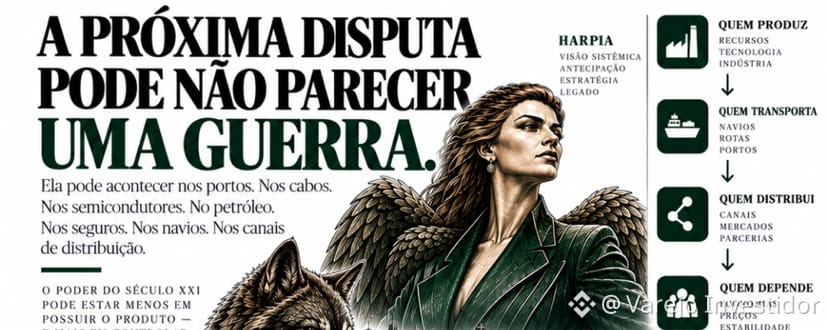
A PRÓXIMA DISPUTA PODE NÃO PARECER UMA GUERRAA próxima grande disputa econômica pode acontecer longe do campo de batalha. Ela pode aparecer nos portos, semicondutores, petróleo, seguros, navios e canais de distribuição.
A Ásia já ocupa uma posição central nas cadeias globais de produção. China, Japão, Coreia, Taiwan e economias do Sudeste Asiático estão profundamente conectados por comércio, tecnologia, manufatura e fluxos de investimento. O FMI destaca que essas redes regionais estão cada vez mais densas e que a fragmentação geoeconômica já está remodelando cadeias de suprimentos e investimentos.
Os semicondutores são um exemplo particularmente importante. Segundo a OCDE, China, Taiwan, Coreia, Japão e Estados Unidos concentravam 87% da capacidade mundial de produção de wafers em operação em setembro de 2025.
Isso ajuda a explicar por que a disputa econômica moderna não envolve apenas quem produz um determinado bem. Envolve também quem controla tecnologia, transporte, matérias-primas, infraestrutura e acesso aos mercados.
Quando uma dessas conexões é interrompida, o impacto pode atravessar fronteiras. Mudanças nas tarifas e nas relações comerciais já provocaram realocação de cadeias produtivas dentro da Ásia, com países do Sudeste Asiático assumindo novas funções dentro dessas redes.
Por isso, a análise estratégica precisa observar quatro perguntas:
Quem produz?
Quem transporta?
Quem distribui?
Quem depende?
O poder econômico do século XXI não está apenas em possuir recursos. Também está na capacidade de controlar os caminhos pelos quais esses recursos chegam ao restante do mundo.
#Asia #china #Japan #trading
$FXI.ETF
$EWT
{future}(EWTUSDT)
$EWJV.ETF
{etf_us}(EWJV.ETF)
{etf_us}(EWS.ETF)
A PRÓXIMA DISPUTA PODE NÃO PARECER UMA GUERRA
A próxima grande disputa econômica pode acontecer longe do campo de batalha. Ela pode aparecer nos portos, semicondutores, petróleo, seguros, navios e canais de distribuição.
A Ásia já ocupa uma posição central nas cadeias globais de produção. China, Japão, Coreia, Taiwan e economias do Sudeste Asiático estão profundamente conectados por comércio, tecnologia, manufatura e fluxos de investimento. O FMI destaca que essas redes regionais estão cada vez mais densas e que a fragmentação geoeconômica já está remodelando cadeias de suprimentos e investimentos.
Os semicondutores são um exemplo particularmente importante. Segundo a OCDE, China, Taiwan, Coreia, Japão e Estados Unidos concentravam 87% da capacidade mundial de produção de wafers em operação em setembro de 2025.
Isso ajuda a explicar por que a disputa econômica moderna não envolve apenas quem produz um determinado bem. Envolve também quem controla tecnologia, transporte, matérias-primas, infraestrutura e acesso aos mercados.
Quando uma dessas conexões é interrompida, o impacto pode atravessar fronteiras. Mudanças nas tarifas e nas relações comerciais já provocaram realocação de cadeias produtivas dentro da Ásia, com países do Sudeste Asiático assumindo novas funções dentro dessas redes.
Por isso, a análise estratégica precisa observar quatro perguntas:
Quem produz?
Quem transporta?
Quem distribui?
Quem depende?
O poder econômico do século XXI não está apenas em possuir recursos. Também está na capacidade de controlar os caminhos pelos quais esses recursos chegam ao restante do mundo.
#Asia #china #Japan #trading
$FXI.ETF
$EWT
$EWJV.ETF
A Ásia já ocupa uma posição central nas cadeias globais de produção. China, Japão, Coreia, Taiwan e economias do Sudeste Asiático estão profundamente conectados por comércio, tecnologia, manufatura e fluxos de investimento. O FMI destaca que essas redes regionais estão cada vez mais densas e que a fragmentação geoeconômica já está remodelando cadeias de suprimentos e investimentos.
Os semicondutores são um exemplo particularmente importante. Segundo a OCDE, China, Taiwan, Coreia, Japão e Estados Unidos concentravam 87% da capacidade mundial de produção de wafers em operação em setembro de 2025.
Isso ajuda a explicar por que a disputa econômica moderna não envolve apenas quem produz um determinado bem. Envolve também quem controla tecnologia, transporte, matérias-primas, infraestrutura e acesso aos mercados.
Quando uma dessas conexões é interrompida, o impacto pode atravessar fronteiras. Mudanças nas tarifas e nas relações comerciais já provocaram realocação de cadeias produtivas dentro da Ásia, com países do Sudeste Asiático assumindo novas funções dentro dessas redes.
Por isso, a análise estratégica precisa observar quatro perguntas:
Quem produz?
Quem transporta?
Quem distribui?
Quem depende?
O poder econômico do século XXI não está apenas em possuir recursos. Também está na capacidade de controlar os caminhos pelos quais esses recursos chegam ao restante do mundo.
#Asia #china #Japan #trading
$FXI.ETF
$EWT
$EWJV.ETF
1
15

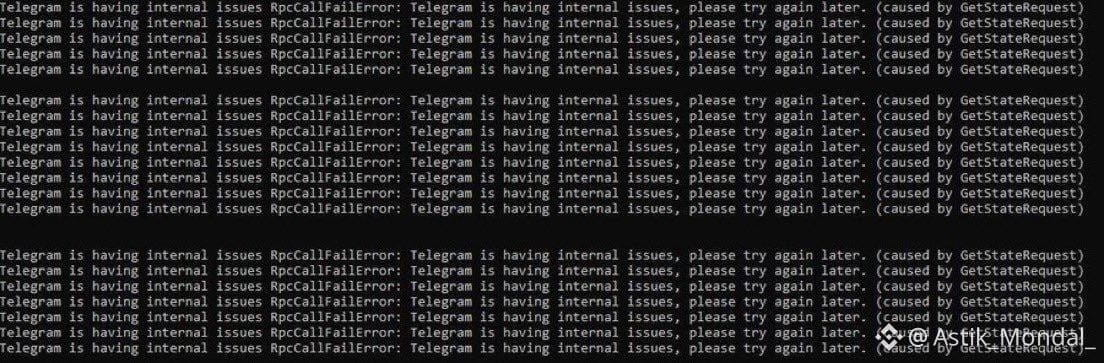
🚨 BREAKING: TELEGRAM IS DOWN ACROSS ASIA & OCEANIA
Telegram users across 🇮🇳 India, 🇸🇬 Singapore, 🇮🇩 Indonesia, 🇦🇺 Australia, 🇰🇷 South Korea and other regions are reporting widespread access issues.
Reports point to a possible disruption involving Telegram’s DC5 infrastructure.
The cause?
Still unknown.
Telegram has not officially confirmed what triggered the outage.
But when a major global messaging platform suddenly goes offline across multiple regions, the question becomes:
What exactly happened behind the scenes?
More details could emerge as Telegram investigates.
#Telegram #BreakingNews #Asia #TechNews #Crypto
🚨 BREAKING: TELEGRAM IS DOWN ACROSS ASIA & OCEANIA
Telegram users across 🇮🇳 India, 🇸🇬 Singapore, 🇮🇩 Indonesia, 🇦🇺 Australia, 🇰🇷 South Korea and other regions are reporting widespread access issues.
Reports point to a possible disruption involving Telegram’s DC5 infrastructure.
The cause?
Still unknown.
Telegram has not officially confirmed what triggered the outage.
But when a major global messaging platform suddenly goes offline across multiple regions, the question becomes:
What exactly happened behind the scenes?
More details could emerge as Telegram investigates.
#Telegram #BreakingNews #Asia #TechNews #Crypto
Telegram users across 🇮🇳 India, 🇸🇬 Singapore, 🇮🇩 Indonesia, 🇦🇺 Australia, 🇰🇷 South Korea and other regions are reporting widespread access issues.
Reports point to a possible disruption involving Telegram’s DC5 infrastructure.
The cause?
Still unknown.
Telegram has not officially confirmed what triggered the outage.
But when a major global messaging platform suddenly goes offline across multiple regions, the question becomes:
What exactly happened behind the scenes?
More details could emerge as Telegram investigates.
#Telegram #BreakingNews #Asia #TechNews #Crypto

1
16

🌏 Asia Regulatory Divergence: Winners and Losers
On June 29, 2026, Asian crypto regulation varies dramatically. Dubai leads with 50 licensed firms. Singapore maintains strict MAS licensing. Hong Kong embraces retail trading. Japan has clear exchange rules. China maintains its ban. This divergence creates regulatory arbitrage — businesses base themselves where rules are clearest. Dubai and Hong Kong are emerging as winners in attracting global crypto talent and capital.
📌 Key Takeaway:
Asia's regulatory fragmentation creates winners — Dubai and Hong Kong's clarity attracts global crypto talent.
#Asia #CryptoRegulation
#BinanceAlphaAlert
🌏 Asia Regulatory Divergence: Winners and Losers
On June 29, 2026, Asian crypto regulation varies dramatically. Dubai leads with 50 licensed firms. Singapore maintains strict MAS licensing. Hong Kong embraces retail trading. Japan has clear exchange rules. China maintains its ban. This divergence creates regulatory arbitrage — businesses base themselves where rules are clearest. Dubai and Hong Kong are emerging as winners in attracting global crypto talent and capital.
📌 Key Takeaway:
Asia's regulatory fragmentation creates winners — Dubai and Hong Kong's clarity attracts global crypto talent.
#Asia #CryptoRegulation
#BinanceAlphaAlert
On June 29, 2026, Asian crypto regulation varies dramatically. Dubai leads with 50 licensed firms. Singapore maintains strict MAS licensing. Hong Kong embraces retail trading. Japan has clear exchange rules. China maintains its ban. This divergence creates regulatory arbitrage — businesses base themselves where rules are clearest. Dubai and Hong Kong are emerging as winners in attracting global crypto talent and capital.
📌 Key Takeaway:
Asia's regulatory fragmentation creates winners — Dubai and Hong Kong's clarity attracts global crypto talent.
#Asia #CryptoRegulation
#BinanceAlphaAlert
18


·
--
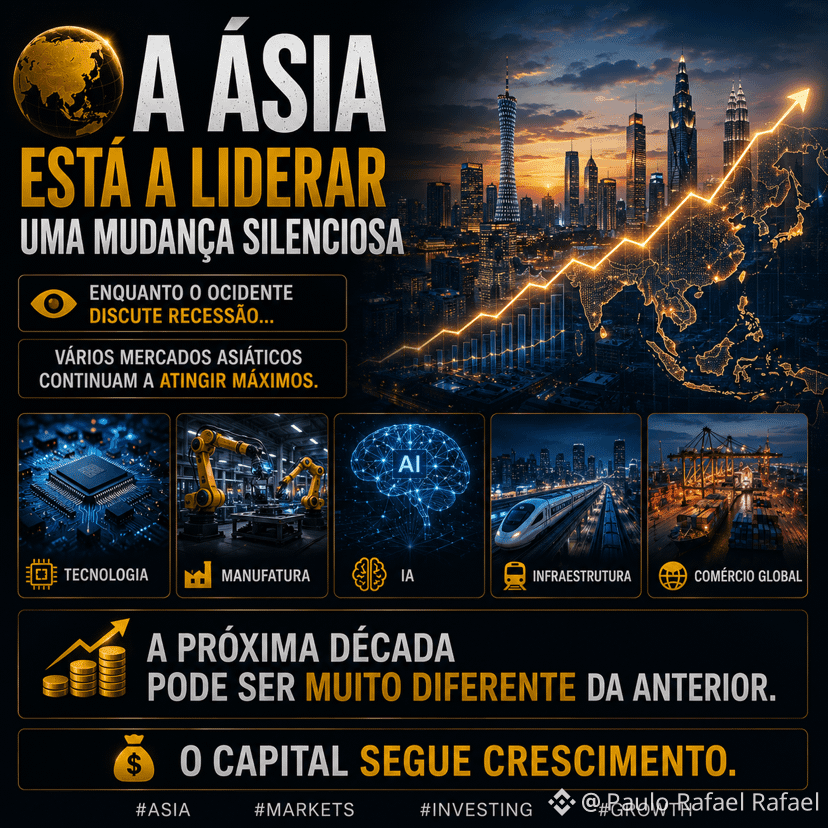
🟢 Asian equities are bleeding out 🩸, but Japan and South Korea are rolling out the red carpet for crypto, formalizing digital assets as state wealth. This isn't just regulatory clarity; it's a direct invitation for massive capital reallocation. What's your BTC target as institutional money pivots from crumbling Asian markets into digital assets? Drop your take, target, or answer in the comments 👇
#bitcoin #asia #capital
🟢 Asian equities are bleeding out 🩸, but Japan and South Korea are rolling out the red carpet for crypto, formalizing digital assets as state wealth. This isn't just regulatory clarity; it's a direct invitation for massive capital reallocation. What's your BTC target as institutional money pivots from crumbling Asian markets into digital assets? Drop your take, target, or answer in the comments 👇
#bitcoin #asia #capital
#bitcoin #asia #capital
1
15

·
--
Haussier
🌏 Asia isn't waiting for crypto regulation anymore—it's building the future around it.
Over the past few weeks, some of Asia's biggest economies have accelerated their digital asset strategies, making it clear they're competing to become the region's crypto hub.
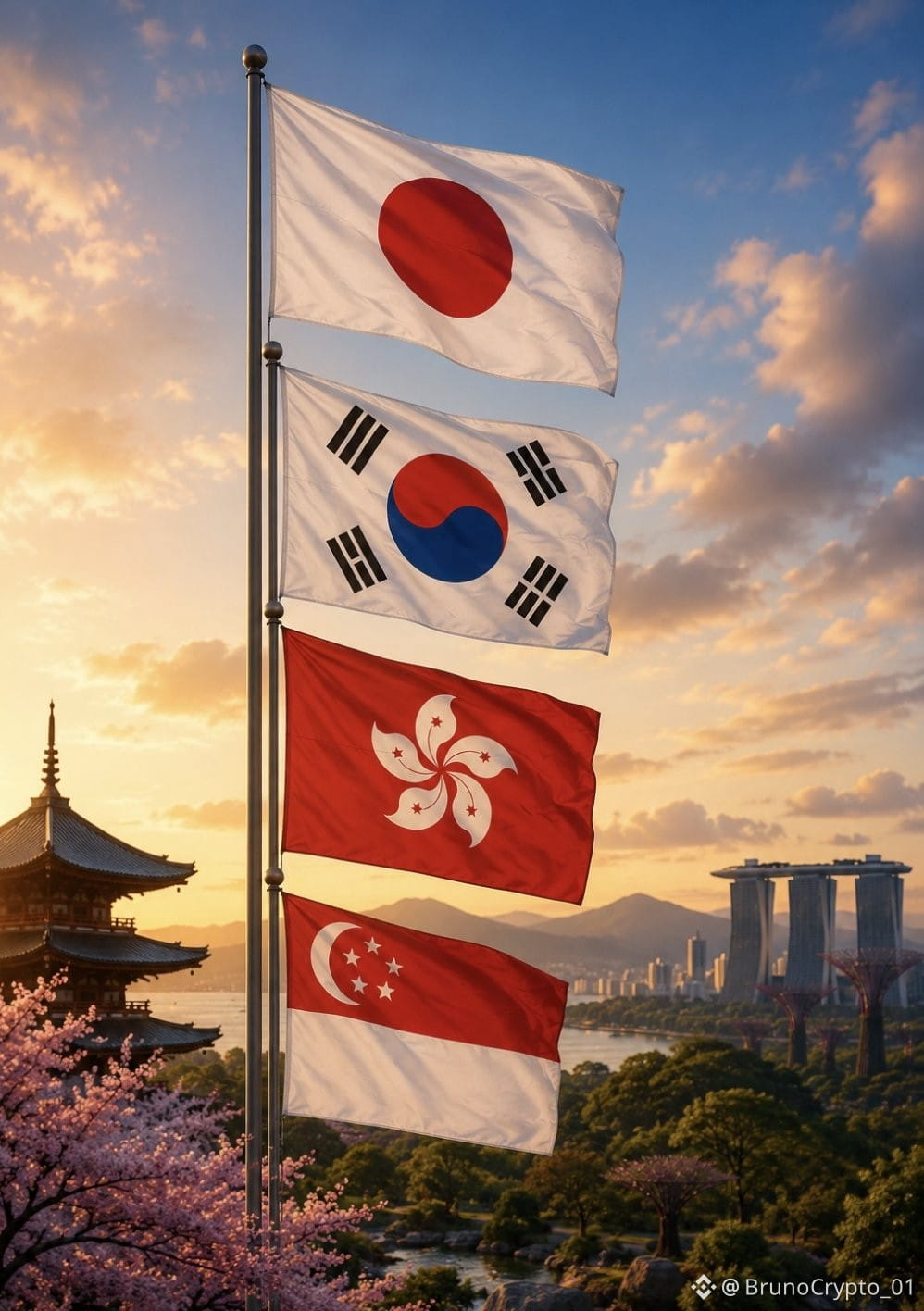
🇯🇵 Japan is moving to recognize cryptocurrencies as financial products under a new regulatory framework while also pushing for lower crypto taxes. If approved, the changes could make Japan one of the most attractive markets for institutional and retail crypto investors.
🇰🇷 South Korea is taking an even bigger step by proposing to treat crypto as part of its national financial infrastructure. The country is also expanding work on tokenized assets, stablecoins, and digital securities as blockchain adoption grows.
🇭🇰 Hong Kong continues to lead on regulation. Its licensed stablecoin framework is now in place, with regulators moving ahead on tokenized real-world assets and blockchain-based financial infrastructure.
🇸🇬 Singapore remains one of the world's most crypto-friendly jurisdictions, continuing to expand institutional participation through a regulated licensing framework while attracting global digital asset companies.
Meanwhile in the U.S., President Trump has warned that America risks falling behind if crypto legislation like the CLARITY Act doesn't move forward fast enough.
The message from Asia is becoming impossible to ignore.
This is no longer just about Bitcoin or altcoins.
It's about countries competing to become the home of the next generation of global finance.
Which country do you think will become the world's biggest crypto hub over the next five years? 👇
#Crypto #Bitcoin #Web3 #Asia #Blockchain
$BTC
🌏 Asia isn't waiting for crypto regulation anymore—it's building the future around it.
Over the past few weeks, some of Asia's biggest economies have accelerated their digital asset strategies, making it clear they're competing to become the region's crypto hub.
🇯🇵 Japan is moving to recognize cryptocurrencies as financial products under a new regulatory framework while also pushing for lower crypto taxes. If approved, the changes could make Japan one of the most attractive markets for institutional and retail crypto investors.
🇰🇷 South Korea is taking an even bigger step by proposing to treat crypto as part of its national financial infrastructure. The country is also expanding work on tokenized assets, stablecoins, and digital securities as blockchain adoption grows.
🇭🇰 Hong Kong continues to lead on regulation. Its licensed stablecoin framework is now in place, with regulators moving ahead on tokenized real-world assets and blockchain-based financial infrastructure.
🇸🇬 Singapore remains one of the world's most crypto-friendly jurisdictions, continuing to expand institutional participation through a regulated licensing framework while attracting global digital asset companies.
Meanwhile in the U.S., President Trump has warned that America risks falling behind if crypto legislation like the CLARITY Act doesn't move forward fast enough.
The message from Asia is becoming impossible to ignore.
This is no longer just about Bitcoin or altcoins.
It's about countries competing to become the home of the next generation of global finance.
Which country do you think will become the world's biggest crypto hub over the next five years? 👇
#Crypto #Bitcoin #Web3 #Asia #Blockchain
$BTC
Over the past few weeks, some of Asia's biggest economies have accelerated their digital asset strategies, making it clear they're competing to become the region's crypto hub.
🇯🇵 Japan is moving to recognize cryptocurrencies as financial products under a new regulatory framework while also pushing for lower crypto taxes. If approved, the changes could make Japan one of the most attractive markets for institutional and retail crypto investors.
🇰🇷 South Korea is taking an even bigger step by proposing to treat crypto as part of its national financial infrastructure. The country is also expanding work on tokenized assets, stablecoins, and digital securities as blockchain adoption grows.
🇭🇰 Hong Kong continues to lead on regulation. Its licensed stablecoin framework is now in place, with regulators moving ahead on tokenized real-world assets and blockchain-based financial infrastructure.
🇸🇬 Singapore remains one of the world's most crypto-friendly jurisdictions, continuing to expand institutional participation through a regulated licensing framework while attracting global digital asset companies.
Meanwhile in the U.S., President Trump has warned that America risks falling behind if crypto legislation like the CLARITY Act doesn't move forward fast enough.
The message from Asia is becoming impossible to ignore.
This is no longer just about Bitcoin or altcoins.
It's about countries competing to become the home of the next generation of global finance.
Which country do you think will become the world's biggest crypto hub over the next five years? 👇
#Crypto #Bitcoin #Web3 #Asia #Blockchain
$BTC

1
2
254

·
--
Haussier
Vérifié
آسيا ترسل إشارة قوية للأسواق!
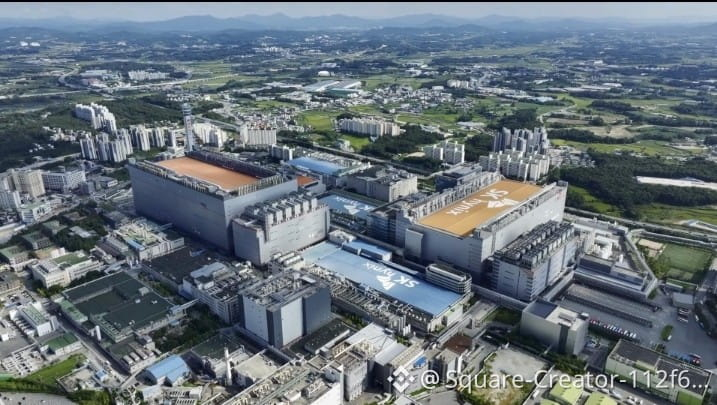
شهر قياسي لصفقات بيع الأسهم في آسيا… وSK Hynix في قلب المشهد!
ما يحدث ليس مجرد رقم قياسي في سوق الأسهم؛ بل يعكس شيئًا أكبر: رأس المال العالمي لا يزال يطارد موجة الذكاء الاصطناعي. 🤖
أشباه الموصلات، رقائق الذاكرة والبنية التحتية للـAI أصبحت من أكثر القطاعات جذبًا للسيولة، رغم ارتفاع التقييمات وتقلب أسهم التكنولوجيا.
👀 السؤال الآن:
هل نحن أمام بداية موجة جديدة من الاستثمار في الـAI… أم أن السوق بدأ يبالغ في تسعير هذه القصة؟
ما رأيك؟ هل تراهن على AI أم تتوقع تصحيحًا؟
{future}(NVDAUSDT)
{future}(SKHYNIXUSDT)
#SKHynix #AI #Stocks
#Asia #Technology
آسيا ترسل إشارة قوية للأسواق!
شهر قياسي لصفقات بيع الأسهم في آسيا… وSK Hynix في قلب المشهد!
ما يحدث ليس مجرد رقم قياسي في سوق الأسهم؛ بل يعكس شيئًا أكبر: رأس المال العالمي لا يزال يطارد موجة الذكاء الاصطناعي. 🤖
أشباه الموصلات، رقائق الذاكرة والبنية التحتية للـAI أصبحت من أكثر القطاعات جذبًا للسيولة، رغم ارتفاع التقييمات وتقلب أسهم التكنولوجيا.
👀 السؤال الآن:
هل نحن أمام بداية موجة جديدة من الاستثمار في الـAI… أم أن السوق بدأ يبالغ في تسعير هذه القصة؟
ما رأيك؟ هل تراهن على AI أم تتوقع تصحيحًا؟
#SKHynix #AI #Stocks
#Asia #Technology
شهر قياسي لصفقات بيع الأسهم في آسيا… وSK Hynix في قلب المشهد!
ما يحدث ليس مجرد رقم قياسي في سوق الأسهم؛ بل يعكس شيئًا أكبر: رأس المال العالمي لا يزال يطارد موجة الذكاء الاصطناعي. 🤖
أشباه الموصلات، رقائق الذاكرة والبنية التحتية للـAI أصبحت من أكثر القطاعات جذبًا للسيولة، رغم ارتفاع التقييمات وتقلب أسهم التكنولوجيا.
👀 السؤال الآن:
هل نحن أمام بداية موجة جديدة من الاستثمار في الـAI… أم أن السوق بدأ يبالغ في تسعير هذه القصة؟
ما رأيك؟ هل تراهن على AI أم تتوقع تصحيحًا؟
#SKHynix #AI #Stocks
#Asia #Technology
2
5
1.7k

Partiellement vrai
Las bolsas asiáticas suben y Corea del Sur lidera las ganancias
Las bolsas asiáticas avanzaron este jueves, impulsadas por la caída de los rendimientos de los bonos estadounidenses y una mejora del apetito por el riesgo.
El índice KOSPI de Corea del Sur se disparó un 6,5%, gracias al fuerte rebote de las acciones tecnológicas. SK Hynix subió un 14% tras anunciar un programa récord de recompra de acciones por 40 billones de wones, mientras que Samsung Electronics ganó un 9,5%.
En Japón, el Nikkei avanzó un 1,1%, apoyado por el crecimiento récord de las exportaciones. Hong Kong también cerró al alza, con ganancias en empresas tecnológicas y farmacéuticas.
En China continental, los principales índices registraron avances moderados. Sin embargo, Unitree Robotics cayó un 16%, después de haber debutado con una espectacular subida en bolsa.
La recuperación de las empresas de semiconductores vuelve a centrar la atención de los mercados asiáticos.
¡BENDICIONES A TODOS!
#Mercados #Asia #Bolsa #Semiconductores #Samsung
$AAPLB
{spot}(GOOGLBUSDT)
{spot}(BTCUSDT)
{spot}(AAPLBUSDT)
Las bolsas asiáticas suben y Corea del Sur lidera las ganancias
Las bolsas asiáticas avanzaron este jueves, impulsadas por la caída de los rendimientos de los bonos estadounidenses y una mejora del apetito por el riesgo.
El índice KOSPI de Corea del Sur se disparó un 6,5%, gracias al fuerte rebote de las acciones tecnológicas. SK Hynix subió un 14% tras anunciar un programa récord de recompra de acciones por 40 billones de wones, mientras que Samsung Electronics ganó un 9,5%.
En Japón, el Nikkei avanzó un 1,1%, apoyado por el crecimiento récord de las exportaciones. Hong Kong también cerró al alza, con ganancias en empresas tecnológicas y farmacéuticas.
En China continental, los principales índices registraron avances moderados. Sin embargo, Unitree Robotics cayó un 16%, después de haber debutado con una espectacular subida en bolsa.
La recuperación de las empresas de semiconductores vuelve a centrar la atención de los mercados asiáticos.
¡BENDICIONES A TODOS!
#Mercados #Asia #Bolsa #Semiconductores #Samsung
$AAPLB
Las bolsas asiáticas avanzaron este jueves, impulsadas por la caída de los rendimientos de los bonos estadounidenses y una mejora del apetito por el riesgo.
El índice KOSPI de Corea del Sur se disparó un 6,5%, gracias al fuerte rebote de las acciones tecnológicas. SK Hynix subió un 14% tras anunciar un programa récord de recompra de acciones por 40 billones de wones, mientras que Samsung Electronics ganó un 9,5%.
En Japón, el Nikkei avanzó un 1,1%, apoyado por el crecimiento récord de las exportaciones. Hong Kong también cerró al alza, con ganancias en empresas tecnológicas y farmacéuticas.
En China continental, los principales índices registraron avances moderados. Sin embargo, Unitree Robotics cayó un 16%, después de haber debutado con una espectacular subida en bolsa.
La recuperación de las empresas de semiconductores vuelve a centrar la atención de los mercados asiáticos.
¡BENDICIONES A TODOS!
#Mercados #Asia #Bolsa #Semiconductores #Samsung
$AAPLB
1
72

·
--
🔥 BREAKING NEWS 🔥
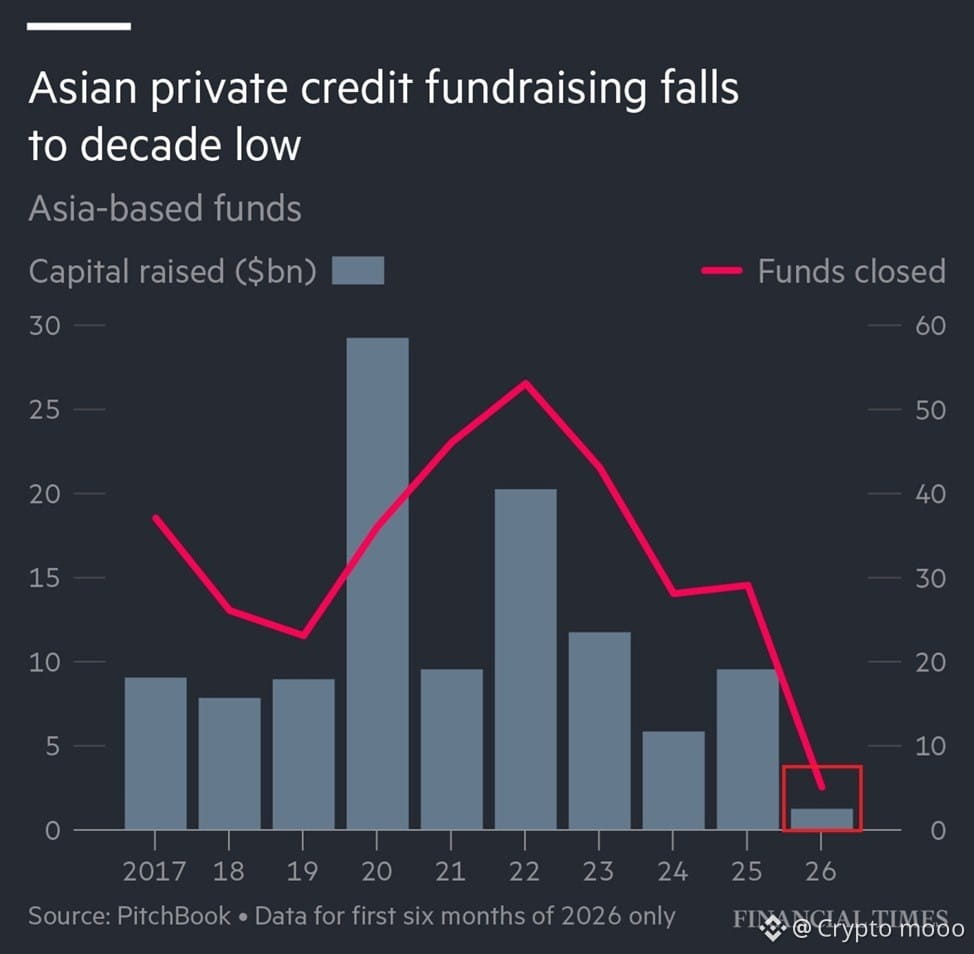
The private credit industry in Asia is experiencing a significant contraction, with funds raising just $1.2 billion in the first half of 2026—the lowest level recorded for this period in at least a decade. This represents a sharp drop from $9.5 billion raised in 2025 and $20.2 billion in 2022.
#PrivateCredit #Asia #Finance
$NEAR $PEPE $AVAX
Source: Compiled
🔥 BREAKING NEWS 🔥
The private credit industry in Asia is experiencing a significant contraction, with funds raising just $1.2 billion in the first half of 2026—the lowest level recorded for this period in at least a decade. This represents a sharp drop from $9.5 billion raised in 2025 and $20.2 billion in 2022.
#PrivateCredit #Asia #Finance
$NEAR $PEPE $AVAX
Source: Compiled
The private credit industry in Asia is experiencing a significant contraction, with funds raising just $1.2 billion in the first half of 2026—the lowest level recorded for this period in at least a decade. This represents a sharp drop from $9.5 billion raised in 2025 and $20.2 billion in 2022.
#PrivateCredit #Asia #Finance
$NEAR $PEPE $AVAX
Source: Compiled
34
🌐 Crypto Adoption in Asia: Dubai Leads as Taiwan Passes Crypto Legislation
On July 7, 2026, Asia continues to lead global crypto adoption. Dubai tops Asian crypto hub rankings while Taiwan passed comprehensive digital asset legislation.
Bitcoin $BTC at $63,053 sees significant volume from Asian trading sessions, which account for a disproportionate share of global liquidity.
Clear regulatory frameworks in Asia are attracting crypto businesses and investment away from jurisdictions with uncertain policies.
📌 Key Takeaway:
Asia's regulatory clarity is driving crypto hub development. Dubai and Taiwan's frameworks could serve as models for other regions.
#CryptoAdoption #Asia
#BinanceAlphaAlert
🌐 Crypto Adoption in Asia: Dubai Leads as Taiwan Passes Crypto Legislation
On July 7, 2026, Asia continues to lead global crypto adoption. Dubai tops Asian crypto hub rankings while Taiwan passed comprehensive digital asset legislation.
Bitcoin $BTC at $63,053 sees significant volume from Asian trading sessions, which account for a disproportionate share of global liquidity.
Clear regulatory frameworks in Asia are attracting crypto businesses and investment away from jurisdictions with uncertain policies.
📌 Key Takeaway:
Asia's regulatory clarity is driving crypto hub development. Dubai and Taiwan's frameworks could serve as models for other regions.
#CryptoAdoption #Asia
#BinanceAlphaAlert
On July 7, 2026, Asia continues to lead global crypto adoption. Dubai tops Asian crypto hub rankings while Taiwan passed comprehensive digital asset legislation.
Bitcoin $BTC at $63,053 sees significant volume from Asian trading sessions, which account for a disproportionate share of global liquidity.
Clear regulatory frameworks in Asia are attracting crypto businesses and investment away from jurisdictions with uncertain policies.
📌 Key Takeaway:
Asia's regulatory clarity is driving crypto hub development. Dubai and Taiwan's frameworks could serve as models for other regions.
#CryptoAdoption #Asia
#BinanceAlphaAlert
34

·
--
Haussier
Vérifié
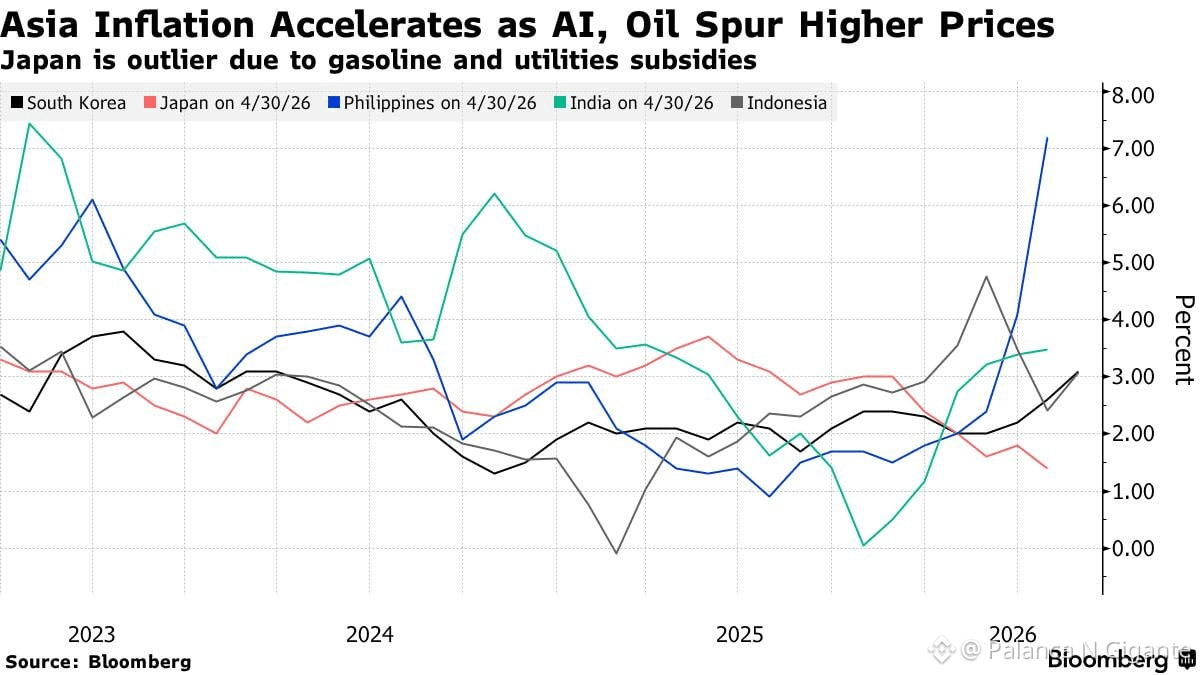
⚠️🌎 Choques energéticos e um boom da IA estão impulsionando a Ásia a novos aumentos nas taxas de juros em meio ao aumento da inflação, conforme relatado pela Bloomberg. $CLO
Os bancos centrais da região estão se tornando mais belicistas em resposta a essas pressões econômicas. $APR
Para mais detalhes, visite o artigo completo. $MYX
{future}(MYXUSDT)
{future}(CLOUSDT)
{future}(APRUSDT)
#energy #Asia #oil #AI #bullish
⚠️🌎 Choques energéticos e um boom da IA estão impulsionando a Ásia a novos aumentos nas taxas de juros em meio ao aumento da inflação, conforme relatado pela Bloomberg. $CLO
Os bancos centrais da região estão se tornando mais belicistas em resposta a essas pressões econômicas. $APR
Para mais detalhes, visite o artigo completo. $MYX
#energy #Asia #oil #AI #bullish
Os bancos centrais da região estão se tornando mais belicistas em resposta a essas pressões econômicas. $APR
Para mais detalhes, visite o artigo completo. $MYX
#energy #Asia #oil #AI #bullish
1.3k

🌏 South Asia's Growing External Debt Challenge
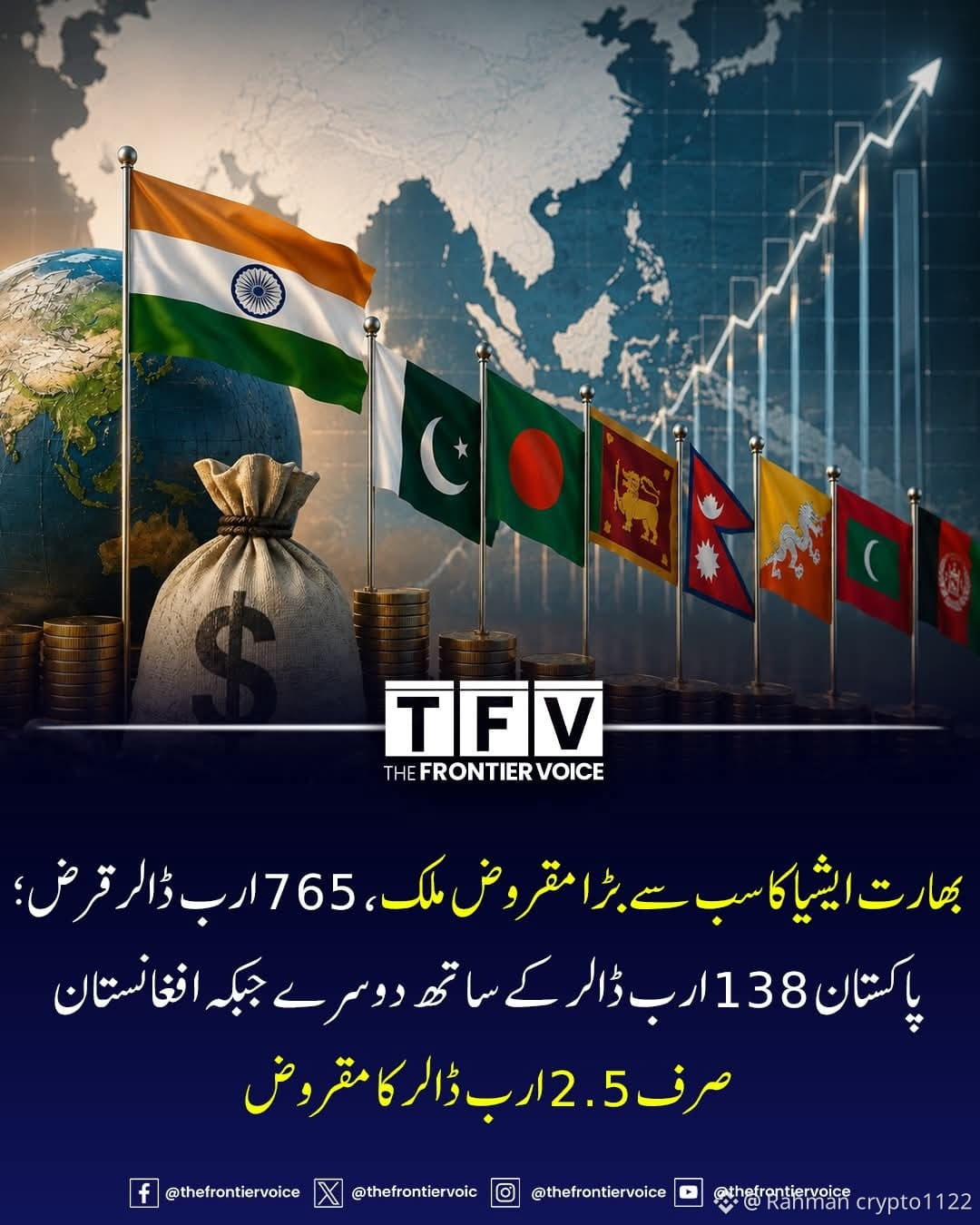
According to a recent report on South Asia's external debt, India has the region's largest external debt at $765 billion, followed by Pakistan with $138 billion. Afghanistan is reported to have the lowest external debt at approximately $2.5 billion.
The figures underscore the increasing debt burden across South Asia and the importance of sustainable fiscal and economic policies to support long-term growth.
📚 References:
• India's external debt data: Department of Economic Affairs, Government of India & recent official updates.
• Regional comparison reported by Express News (Pakistan), June 29, 2026.
#Asia #IndiaEconomy #Pakistan #Afghanistan #Economy
$BTC $BNB $SOL
🌏 South Asia's Growing External Debt Challenge
According to a recent report on South Asia's external debt, India has the region's largest external debt at $765 billion, followed by Pakistan with $138 billion. Afghanistan is reported to have the lowest external debt at approximately $2.5 billion.
The figures underscore the increasing debt burden across South Asia and the importance of sustainable fiscal and economic policies to support long-term growth.
📚 References:
• India's external debt data: Department of Economic Affairs, Government of India & recent official updates.
• Regional comparison reported by Express News (Pakistan), June 29, 2026.
#Asia #IndiaEconomy #Pakistan #Afghanistan #Economy
$BTC $BNB $SOL
According to a recent report on South Asia's external debt, India has the region's largest external debt at $765 billion, followed by Pakistan with $138 billion. Afghanistan is reported to have the lowest external debt at approximately $2.5 billion.
The figures underscore the increasing debt burden across South Asia and the importance of sustainable fiscal and economic policies to support long-term growth.
📚 References:
• India's external debt data: Department of Economic Affairs, Government of India & recent official updates.
• Regional comparison reported by Express News (Pakistan), June 29, 2026.
#Asia #IndiaEconomy #Pakistan #Afghanistan #Economy
$BTC $BNB $SOL
72

·
--
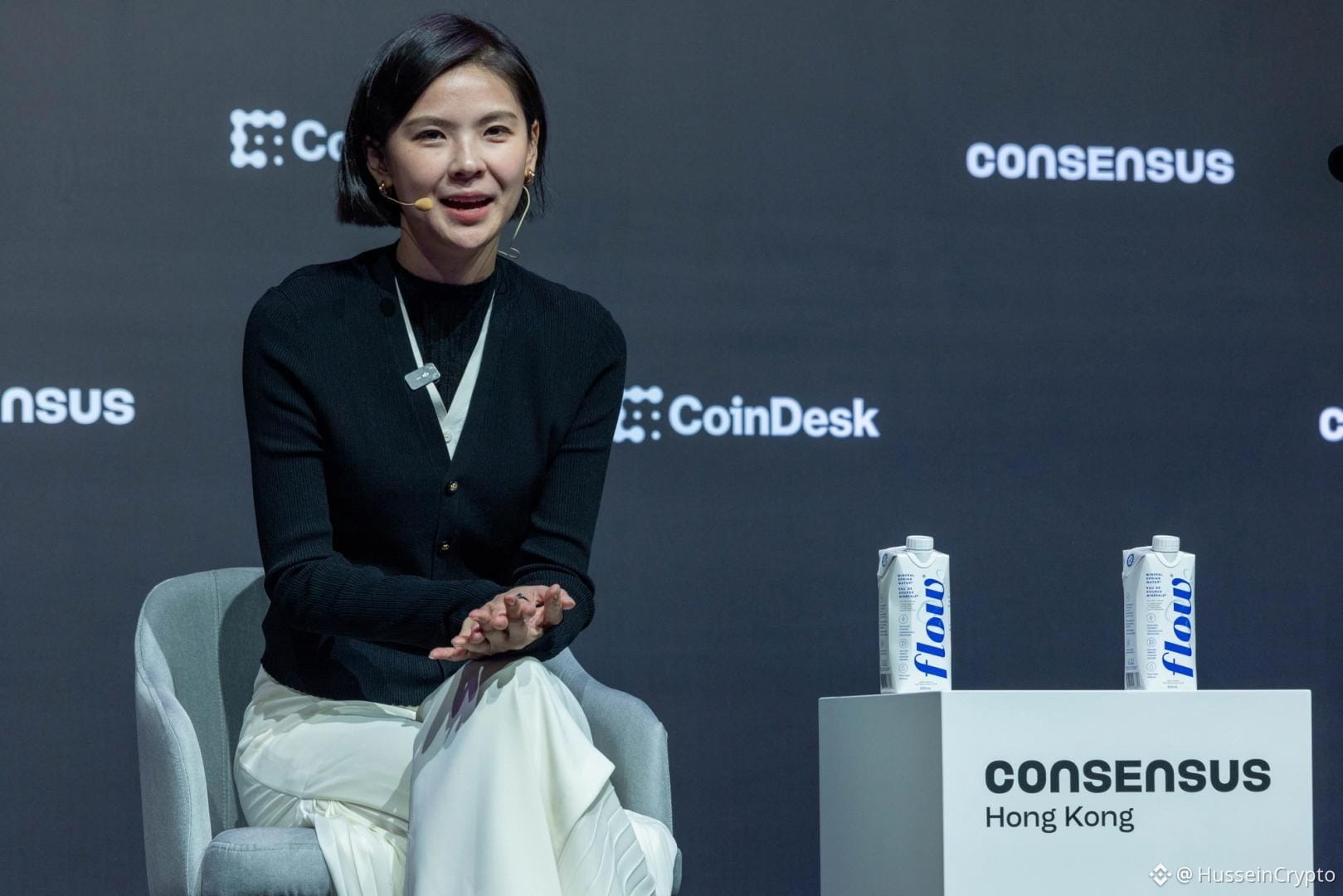
Bitget eyes Asia expansion with BlackRock and other Wall Street giants to boost tokenized ETF distribution. Gracy Chen highlights BlackRock as a prime example of institutions expanding tokenized ETF access in the region, signaling rising demand for tokenized assets in Asia. $BTC
#Crypto #TokenizedETFs #Asia
Bitget eyes Asia expansion with BlackRock and other Wall Street giants to boost tokenized ETF distribution. Gracy Chen highlights BlackRock as a prime example of institutions expanding tokenized ETF access in the region, signaling rising demand for tokenized assets in Asia. $BTC
#Crypto #TokenizedETFs #Asia
#Crypto #TokenizedETFs #Asia
34
🌐 Crypto Adoption in Asia: Regulatory Developments Across Major Asian Economies
On July 5, 2026, Asian markets continue to shape global crypto adoption. From Hong Kong's licensing regime to Singapore's progressive framework, the region is becoming a hub for compliant crypto innovation.
Kraken's tokenized collateral feature and Binance's continued global expansion show that exchanges view Asia as a critical growth market. Total market cap of $2.26T benefits from Asian trading activity.
Bitcoin $BTC at $62,782 sees significant volume from Asian trading sessions, which account for a disproportionate share of global crypto liquidity.
📌 Key Takeaway:
Asia's regulatory evolution is critical for global crypto markets — the region's trading volume and innovation output make it an essential piece of the adoption puzzle.
#Asia #CryptoAdoption
#BinanceAlphaAlert
🌐 Crypto Adoption in Asia: Regulatory Developments Across Major Asian Economies
On July 5, 2026, Asian markets continue to shape global crypto adoption. From Hong Kong's licensing regime to Singapore's progressive framework, the region is becoming a hub for compliant crypto innovation.
Kraken's tokenized collateral feature and Binance's continued global expansion show that exchanges view Asia as a critical growth market. Total market cap of $2.26T benefits from Asian trading activity.
Bitcoin $BTC at $62,782 sees significant volume from Asian trading sessions, which account for a disproportionate share of global crypto liquidity.
📌 Key Takeaway:
Asia's regulatory evolution is critical for global crypto markets — the region's trading volume and innovation output make it an essential piece of the adoption puzzle.
#Asia #CryptoAdoption
#BinanceAlphaAlert
On July 5, 2026, Asian markets continue to shape global crypto adoption. From Hong Kong's licensing regime to Singapore's progressive framework, the region is becoming a hub for compliant crypto innovation.
Kraken's tokenized collateral feature and Binance's continued global expansion show that exchanges view Asia as a critical growth market. Total market cap of $2.26T benefits from Asian trading activity.
Bitcoin $BTC at $62,782 sees significant volume from Asian trading sessions, which account for a disproportionate share of global crypto liquidity.
📌 Key Takeaway:
Asia's regulatory evolution is critical for global crypto markets — the region's trading volume and innovation output make it an essential piece of the adoption puzzle.
#Asia #CryptoAdoption
#BinanceAlphaAlert
17

·
--
🟢 Азиатские фондовые рынки истекают кровью 🩸, но Япония и Южная Корея расстилают красную дорожку для крипты, официально признавая цифровые активы государственным достоянием. Это не просто регуляторная ясность; это прямое приглашение к масштабному перераспределению капитала. Какой ваш таргет по BTC, когда институциональные деньги перетекают из рушащихся азиатских рынков в цифровые активы? Делитесь своим мнением, таргетом или ответом в комментариях 👇
#bitcoin #asia #capital
🟢 Азиатские фондовые рынки истекают кровью 🩸, но Япония и Южная Корея расстилают красную дорожку для крипты, официально признавая цифровые активы государственным достоянием. Это не просто регуляторная ясность; это прямое приглашение к масштабному перераспределению капитала. Какой ваш таргет по BTC, когда институциональные деньги перетекают из рушащихся азиатских рынков в цифровые активы? Делитесь своим мнением, таргетом или ответом в комментариях 👇
#bitcoin #asia #capital
#bitcoin #asia #capital
1
155

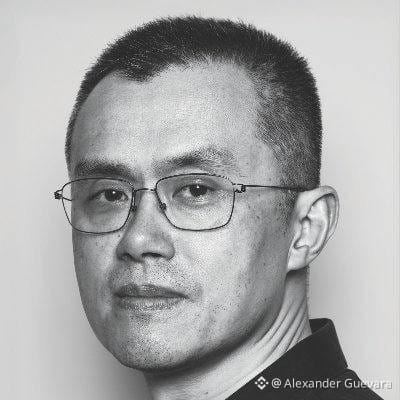
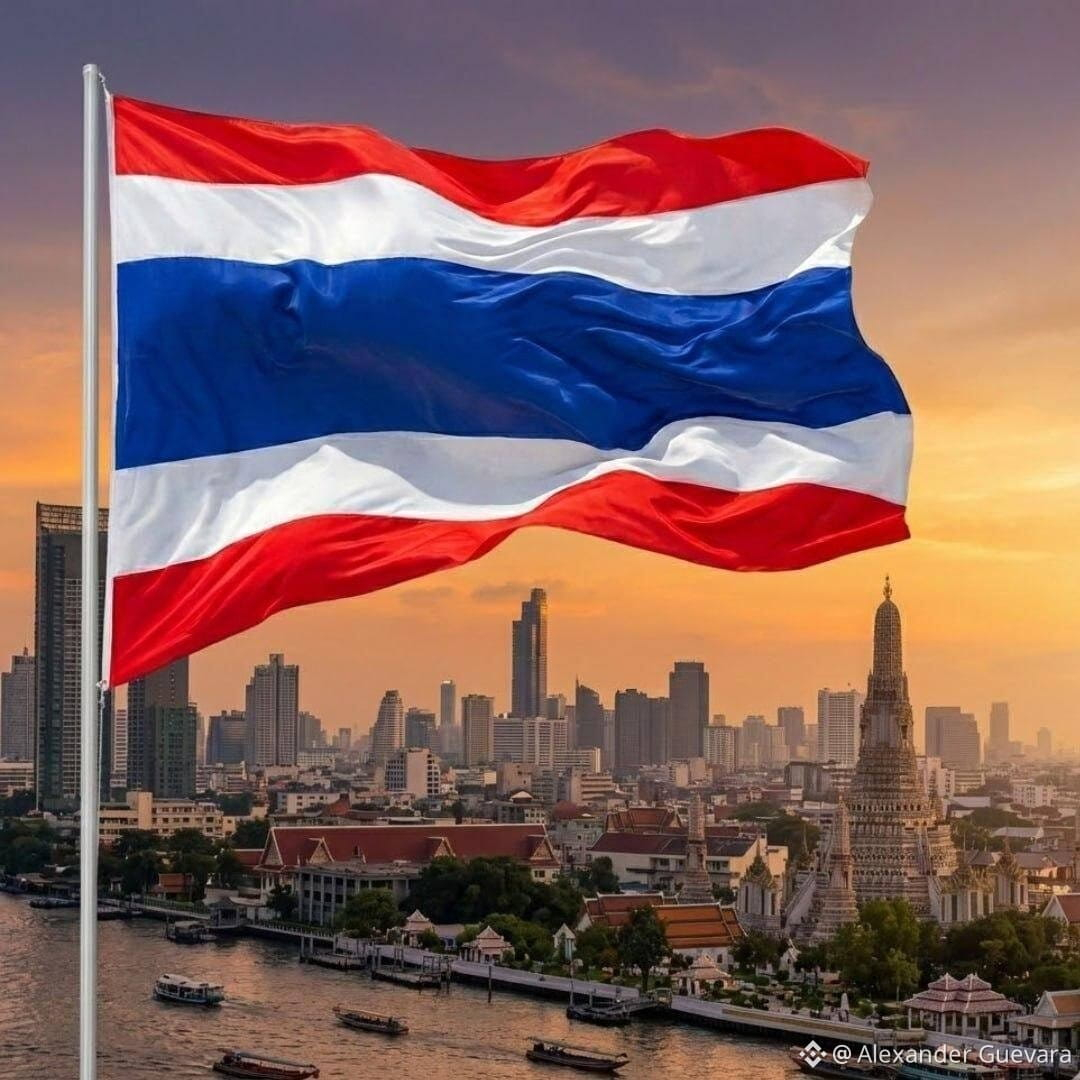
✅🔥 CZ: Tailandia confirma 0% de impuesto sobre ganancias de capital en Bitcoin y cripto.
Confirmación oficial: Tailandia implementó una exención del 0% de impuesto sobre la renta personal en ganancias de capital para Bitcoin y criptomonedas.
* Vigencia: Del 1 de enero de 2025 al 31 de diciembre de 2029 (periodo de 5 años).
* Condición clave: Aplica únicamente para operaciones de compraventa realizadas a través de exchanges, corredores o plataformas autorizadas y con licencia de la SEC de Tailandia.
* Objetivo: Consolidar al país como un centro financiero y digital estratégico en el sudeste asiático, fomentando el cumplimiento regulatorio y la transparencia.
#SEC #Asia #ASIAlliance #CZ #regulacion $BNB $BTC $ETH @CZ
✅🔥 CZ: Tailandia confirma 0% de impuesto sobre ganancias de capital en Bitcoin y cripto.
Confirmación oficial: Tailandia implementó una exención del 0% de impuesto sobre la renta personal en ganancias de capital para Bitcoin y criptomonedas.
* Vigencia: Del 1 de enero de 2025 al 31 de diciembre de 2029 (periodo de 5 años).
* Condición clave: Aplica únicamente para operaciones de compraventa realizadas a través de exchanges, corredores o plataformas autorizadas y con licencia de la SEC de Tailandia.
* Objetivo: Consolidar al país como un centro financiero y digital estratégico en el sudeste asiático, fomentando el cumplimiento regulatorio y la transparencia.
#SEC #Asia #ASIAlliance #CZ #regulacion $BNB $BTC $ETH @CZ
Confirmación oficial: Tailandia implementó una exención del 0% de impuesto sobre la renta personal en ganancias de capital para Bitcoin y criptomonedas.
* Vigencia: Del 1 de enero de 2025 al 31 de diciembre de 2029 (periodo de 5 años).
* Condición clave: Aplica únicamente para operaciones de compraventa realizadas a través de exchanges, corredores o plataformas autorizadas y con licencia de la SEC de Tailandia.
* Objetivo: Consolidar al país como un centro financiero y digital estratégico en el sudeste asiático, fomentando el cumplimiento regulatorio y la transparencia.
#SEC #Asia #ASIAlliance #CZ #regulacion $BNB $BTC $ETH @CZ

4
89

·
--
🚨 Asia Crypto Shockwaves 🚨
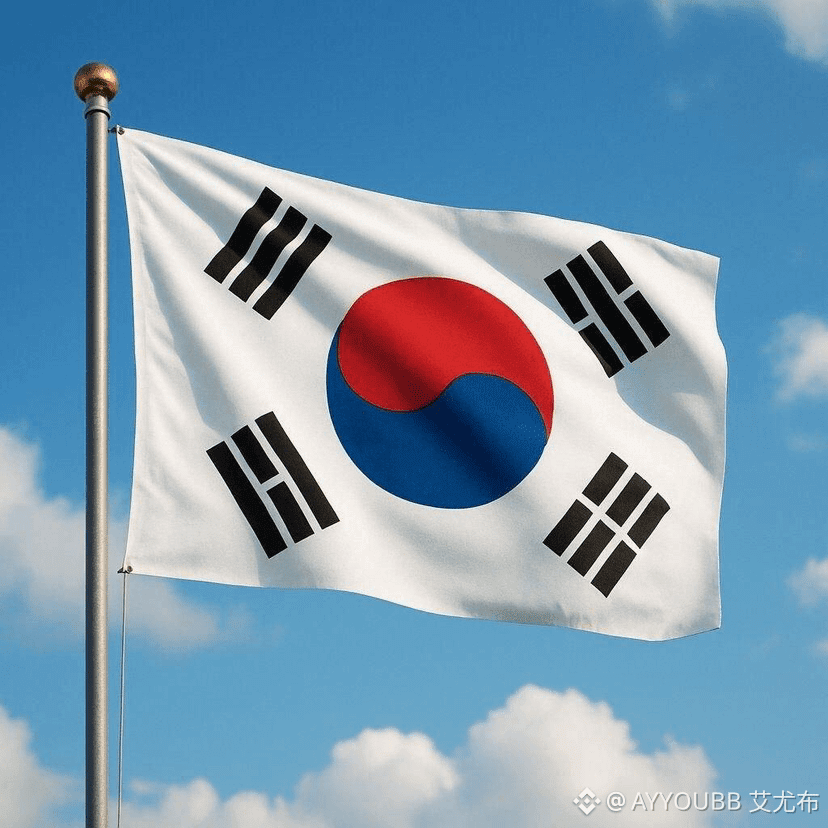
🇰🇷 50,000+ crypto investors are fighting back against South Korea’s upcoming 22% crypto tax!
A petition has exploded past the 50,000-signature threshold, forcing parliament to review and potentially scrap the tax on gains (set for 2027). Young investors are furious — will this be a huge win for crypto in one of Asia’s biggest markets? 🔥
In other wild news:
A South Korean funeral service company (“Parent’s Love”) just lost $33M on a leveraged BitMine ETF bet using customer prepaid funds. 😱
Leverage + crypto = dangerous mix, even for traditional businesses.
What do you think?
• Is South Korea about to back off the tax
• Or is this just the start of more regulation?
Drop your thoughts below 👇
#CryptoNews #SouthKorea #bitcoin #Asia
$BTC
{spot}(BTCUSDT)
🚨 Asia Crypto Shockwaves 🚨
🇰🇷 50,000+ crypto investors are fighting back against South Korea’s upcoming 22% crypto tax!
A petition has exploded past the 50,000-signature threshold, forcing parliament to review and potentially scrap the tax on gains (set for 2027). Young investors are furious — will this be a huge win for crypto in one of Asia’s biggest markets? 🔥
In other wild news:
A South Korean funeral service company (“Parent’s Love”) just lost $33M on a leveraged BitMine ETF bet using customer prepaid funds. 😱
Leverage + crypto = dangerous mix, even for traditional businesses.
What do you think?
• Is South Korea about to back off the tax
• Or is this just the start of more regulation?
Drop your thoughts below 👇
#CryptoNews #SouthKorea #bitcoin #Asia
$BTC
🇰🇷 50,000+ crypto investors are fighting back against South Korea’s upcoming 22% crypto tax!
A petition has exploded past the 50,000-signature threshold, forcing parliament to review and potentially scrap the tax on gains (set for 2027). Young investors are furious — will this be a huge win for crypto in one of Asia’s biggest markets? 🔥
In other wild news:
A South Korean funeral service company (“Parent’s Love”) just lost $33M on a leveraged BitMine ETF bet using customer prepaid funds. 😱
Leverage + crypto = dangerous mix, even for traditional businesses.
What do you think?
• Is South Korea about to back off the tax
• Or is this just the start of more regulation?
Drop your thoughts below 👇
#CryptoNews #SouthKorea #bitcoin #Asia
$BTC
1
111
Connectez-vous pour découvrir plus de contenu
Rejoignez la communauté mondiale des adeptes de cryptomonnaies sur Binance Square
⚡️ Suviez les dernières informations importantes sur les cryptomonnaies.
💬 Jugé digne de confiance par la plus grande plateforme d’échange de cryptomonnaies au monde.
👍 Découvrez les connaissances que partagent les créateurs vérifiés.
Adresse e-mail/Nº de téléphone
Sujets d’actualité
1
#FedMinutesFocusOnOctoberPause
215,747 vues
1,464 mentions
2
#BinanceLaunchesBinanceIntelligence
1.2M vues
6,635 mentions
3
#EvernorthDelaysNasdaqDebutToOct12
20,513 vues
344 mentions
4
#RobinhoodAdds$25MInBitcoinToBalanceSheet
5,273 vues
77 mentions
5
#SP500AndNasdaqHitRecordHighs
26,457 vues
508 mentions
6
#USMortgageRatesRiseTo7.49%
31,205 vues
402 mentions
7
#BTCFallsBelow$84K
140,176 vues
245 mentions
8
#DubaiVARAIssuesReserveAssetAuditCircular
50,599 vues
975 mentions
9
#SECApproves3XBitcoinETF
48,570 vues
797 mentions
10
#WinklevossFilesSpotZcashETFApplication
55,406 vues
895 mentions