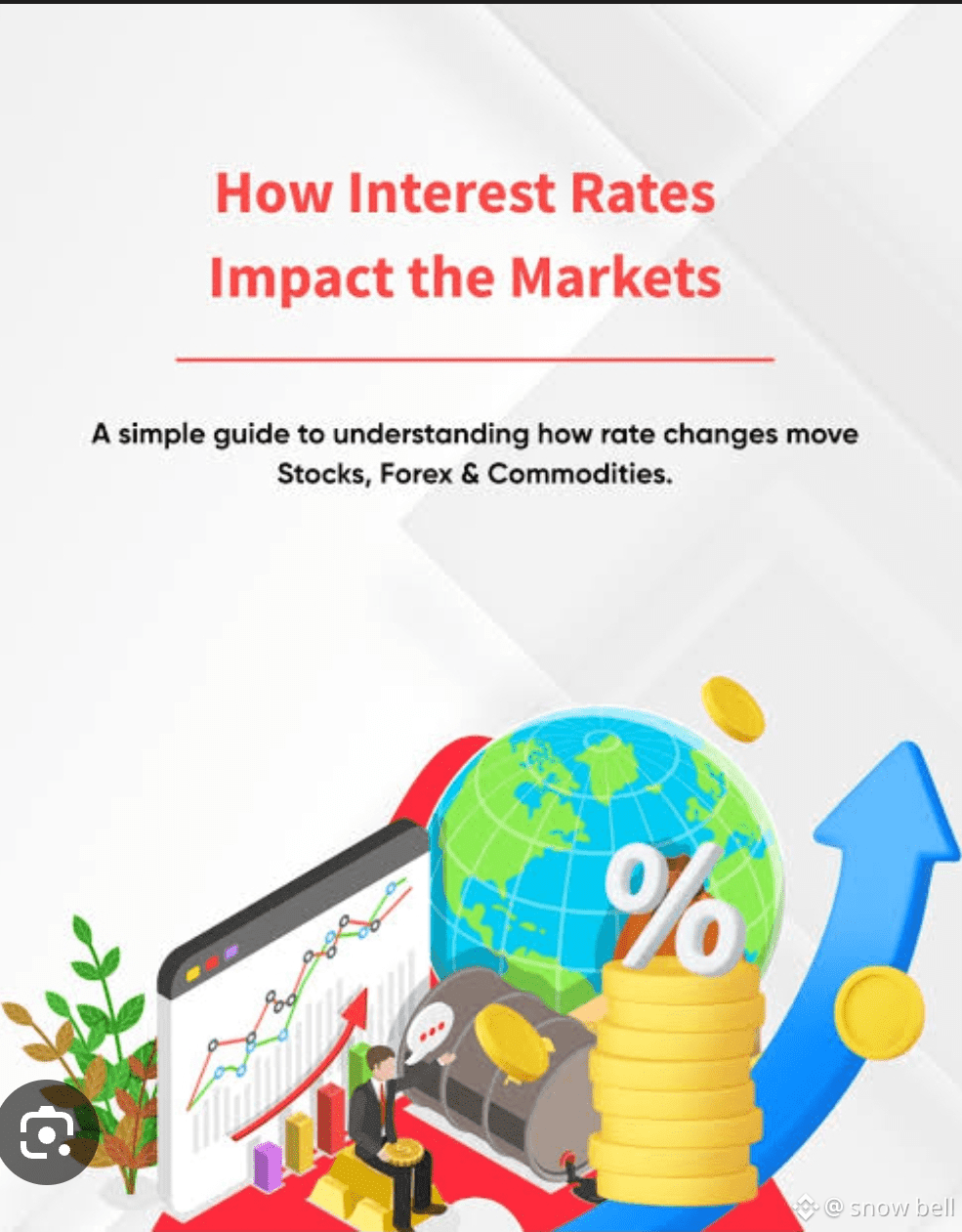
Interest rate decisions play a big role in how the stock market behaves. When a central bank raises interest rates, borrowing becomes more expensive. This means companies may slow down expansion, and investors often become more cautious. As a result, stock prices can fall 📉.
On the other hand, when interest rates are lowered, money becomes cheaper to borrow. Businesses find it easier to invest and grow, and consumers tend to spend more. This usually brings positive energy to the stock market, pushing prices higher 📈.
Markets also react to expectations. Even before an official decision, rumors or signals from central banks can cause ups and downs. That’s why traders closely watch interest rate news—it often sets the direction of the market for weeks or even months ahead. 💡