There was a time when crypto felt much simpler. You found a project, studied the charts, placed a trade, and waited to see whether your conviction would pay off. Today, the landscape has changed. AI agents, automated strategies, execution bots, and real-time data systems are becoming part of everyday trading.
That change makes me wonder about something most people rarely discuss.
If AI is making more decisions on our behalf, how do we know the infrastructure behind those decisions is reliable?
Speed alone isn't enough. An AI strategy is only as strong as the network that delivers data, executes transactions, and verifies every action without unnecessary delays or hidden risks. A brilliant model can still produce poor results if it runs on weak infrastructure.
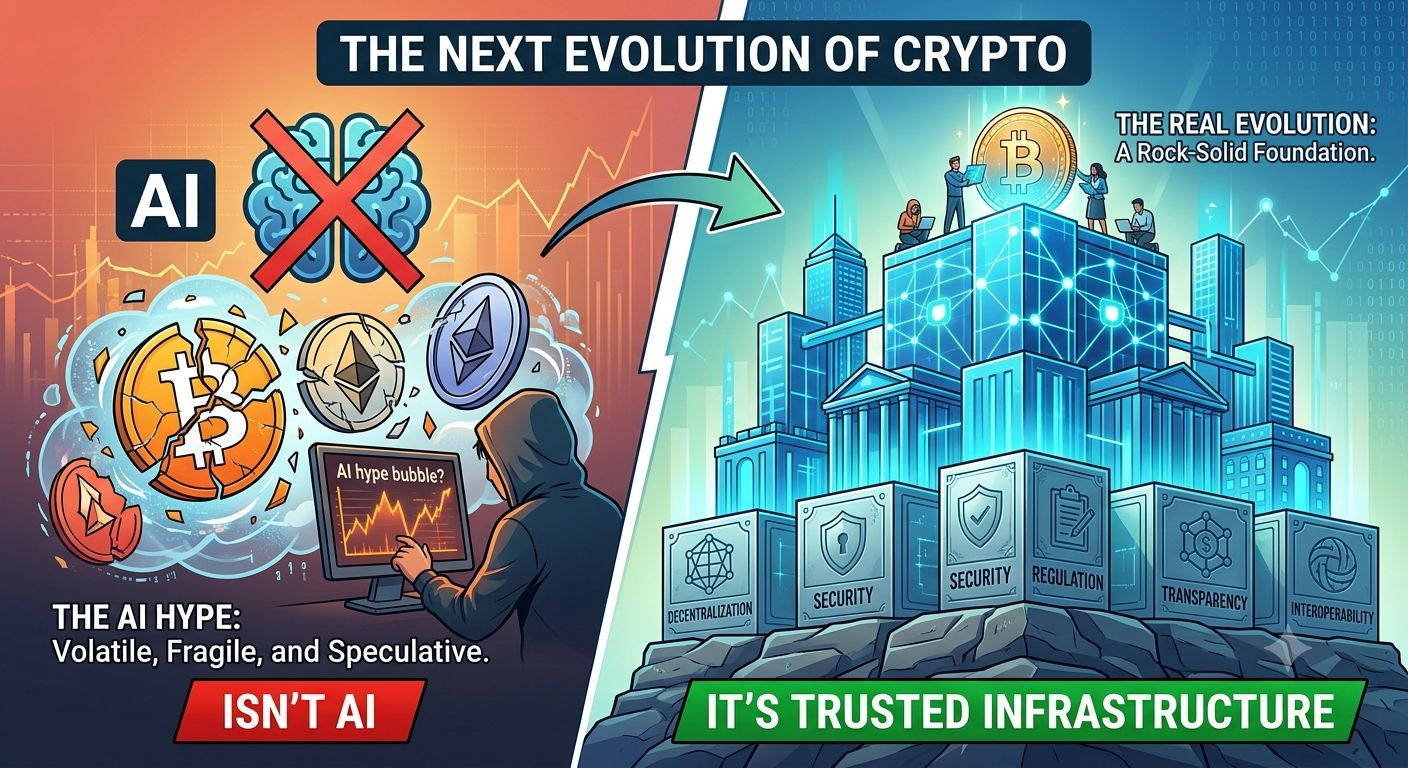
While exploring new blockchain projects, I found myself paying less attention to promises of "smarter AI" and more attention to the systems supporting it. Secure execution, transparent verification, dependable performance, and scalable architecture seem far more important as automation becomes more common.
The future of crypto may not be about replacing traders with AI. Instead, it could be about giving people better tools while ensuring those tools operate on infrastructure that deserves trust.
As AI continues to reshape digital finance, I believe the biggest competitive advantage won't simply be having the smartest algorithm. It will be building an ecosystem where automation can operate securely, consistently, and transparently.
In the end, trust may become the most valuable technology of all.