

Hua BNB
18.9k Posts

Hua BNB
 Square Verified+
Report
Block User
🔶 Spot Trader 🔶 $BNB $BTC Holder 🔶 Free Crypto Updates & Signals at Binance Square 🔶 My X: @Hua_BNB

Traders League Badge Expert

#BinanceTurns7 task 2

#BinanceTurns7
Open Trade

U Holder
High-Frequency Trader
2.3 Years
73 Following
155.2K+ Followers
281.1K+ Liked
3 Badges
Posts
Portfolio
All
Quotes
Videos
Live
PINNED
·
--
𝐈𝐦𝐩𝐨𝐫𝐭𝐚𝐧𝐭 𝐔𝐩𝐝𝐚𝐭𝐞 𝐅𝐨𝐫 𝐌𝐲 𝐀𝐥𝐥 #𝐇𝐮𝐚𝐅𝐚𝐦𝐢𝐥𝐲 𝐌𝐞𝐦𝐛𝐞𝐫𝐬 💞💞
Family today I'm officially opened my premium signals chatroom where i share daily profitable and more than 95% accurate signals with you.
You’ll also get crypto related educational content and major updates in real time, with the ability to communicate with me directly. If you want to discuss any trade setup, you can also reach out to me for a discussion.
I’ve kept the membership fee very low so everyone can easily join: Just $19 for Lifetime Premium Signals.
So don’t wait join now before all the seats are filled! It’s first come, first served.
[Click here to join the chatroom now 🤝](https://app.binance.com/uni-qr/R7yiUdmE)
𝐈𝐦𝐩𝐨𝐫𝐭𝐚𝐧𝐭 𝐔𝐩𝐝𝐚𝐭𝐞 𝐅𝐨𝐫 𝐌𝐲 𝐀𝐥𝐥 #𝐇𝐮𝐚𝐅𝐚𝐦𝐢𝐥𝐲 𝐌𝐞𝐦𝐛𝐞𝐫𝐬 💞💞
Family today I'm officially opened my premium signals chatroom where i share daily profitable and more than 95% accurate signals with you.
You’ll also get crypto related educational content and major updates in real time, with the ability to communicate with me directly. If you want to discuss any trade setup, you can also reach out to me for a discussion.
I’ve kept the membership fee very low so everyone can easily join: Just $19 for Lifetime Premium Signals.
So don’t wait join now before all the seats are filled! It’s first come, first served.
Click here to join the chatroom now 🤝
Family today I'm officially opened my premium signals chatroom where i share daily profitable and more than 95% accurate signals with you.
You’ll also get crypto related educational content and major updates in real time, with the ability to communicate with me directly. If you want to discuss any trade setup, you can also reach out to me for a discussion.
I’ve kept the membership fee very low so everyone can easily join: Just $19 for Lifetime Premium Signals.
So don’t wait join now before all the seats are filled! It’s first come, first served.
Click here to join the chatroom now 🤝

52
2
68
1.4k
·
--
Bullish
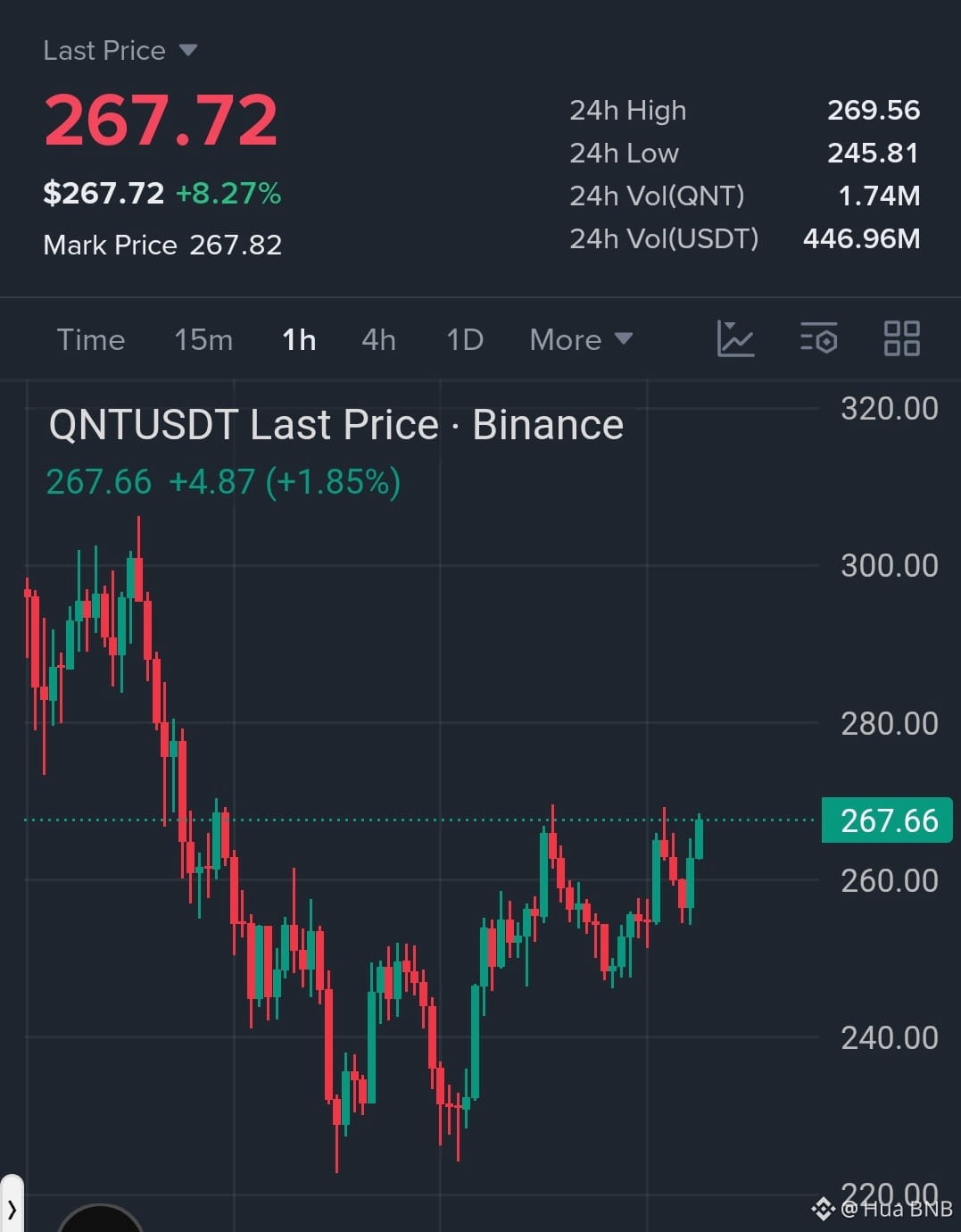
$QNT Bottom Buying Opportunity Is Here Buy Here Now With 25x Leverage And Thank Me Later...🤝🚀
Entry Zone: $264 – $270
TP 1: $275
TP 2: $282
TP 3: $290
TP 4: $300
SL: $254
Click Below To Take Trade Now...👇
{future}(QNTUSDT)
Setup Logic:
$264–$270 is the key entry zone for this long setup.
Holding above $264 keeps the bullish structure valid.
A clean break above $275 can open the way toward $282 and $290.
Strong momentum above $290 could push QNT toward the maximum $300 target.
Risk Management:
Don’t over leverage or revenge trade, please protect capital. The market will give us more opportunities, don’t worry.
$QNT Bottom Buying Opportunity Is Here Buy Here Now With 25x Leverage And Thank Me Later...🤝🚀
Entry Zone: $264 – $270
TP 1: $275
TP 2: $282
TP 3: $290
TP 4: $300
SL: $254
Click Below To Take Trade Now...👇
Setup Logic:
$264–$270 is the key entry zone for this long setup.
Holding above $264 keeps the bullish structure valid.
A clean break above $275 can open the way toward $282 and $290.
Strong momentum above $290 could push QNT toward the maximum $300 target.
Risk Management:
Don’t over leverage or revenge trade, please protect capital. The market will give us more opportunities, don’t worry.
Entry Zone: $264 – $270
TP 1: $275
TP 2: $282
TP 3: $290
TP 4: $300
SL: $254
Click Below To Take Trade Now...👇
Setup Logic:
$264–$270 is the key entry zone for this long setup.
Holding above $264 keeps the bullish structure valid.
A clean break above $275 can open the way toward $282 and $290.
Strong momentum above $290 could push QNT toward the maximum $300 target.
Risk Management:
Don’t over leverage or revenge trade, please protect capital. The market will give us more opportunities, don’t worry.
3
919
·
--
Bullish
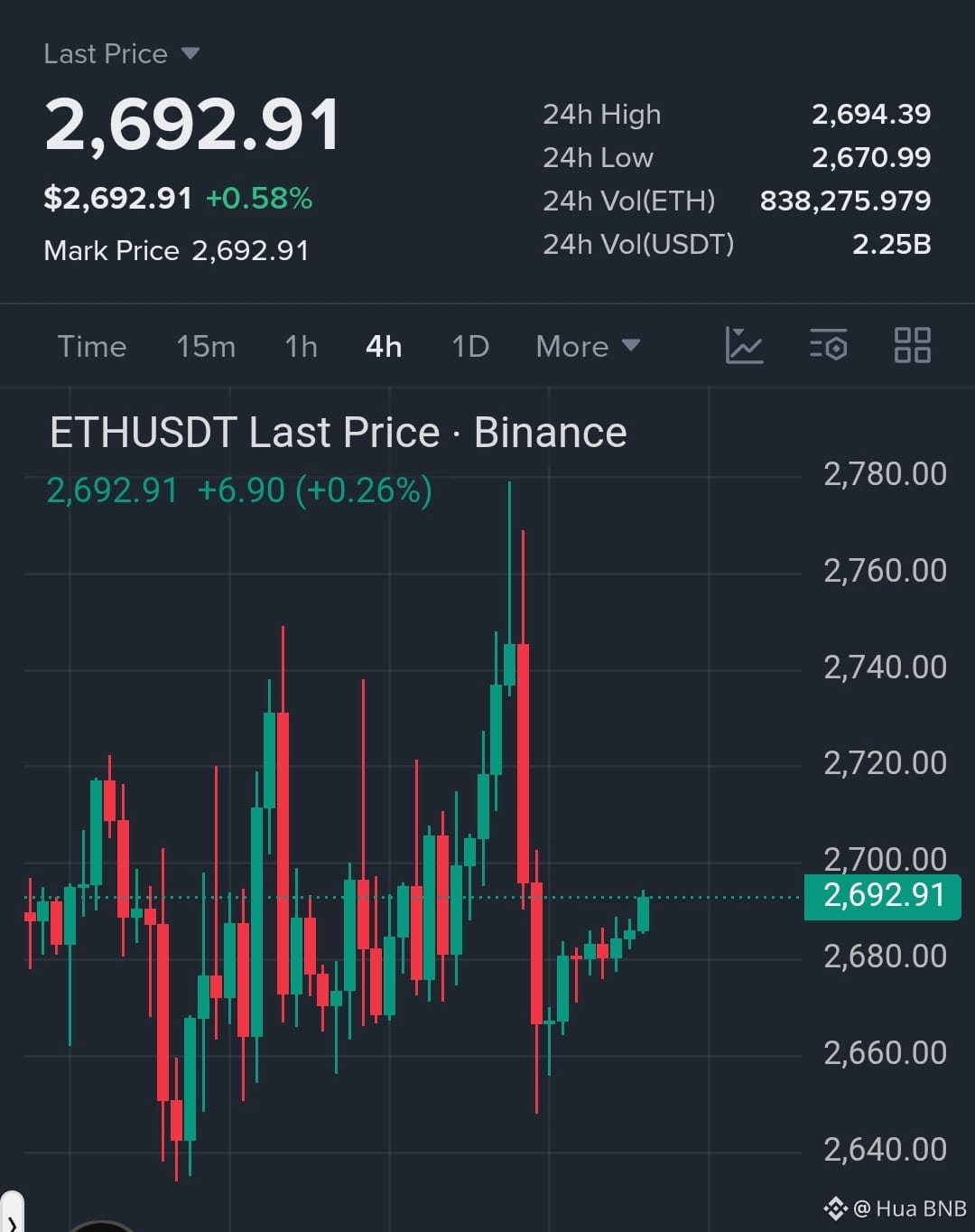
Guys I Am Going To Take a Long Trade On $ETH Now With 10x Leverage In My Futures...🔥🔥
Entry Zone: $2,680 – $2,705
TP 1: $2,720
TP 2: $2,750
TP 3: $2,780
SL: $2,650
Click Below To Take Trade With Me...👇
{future}(ETHUSDT)
Setup Logic:
$2,680–$2,705 is the key entry zone based on the 4H chart.
ETH bounced strongly from the $2,650–$2,660 support area and is making higher lows.
A clean break above $2,700 can open the way toward $2,720 and $2,750.
Reclaiming $2,750 would strengthen momentum toward the $2,780–$2,820 area.
Risk Tip:
Don’t over leverage or revenge trade, please protect capital. The market will give us more opportunities, don’t worry.
Guys I Am Going To Take a Long Trade On $ETH Now With 10x Leverage In My Futures...🔥🔥
Entry Zone: $2,680 – $2,705
TP 1: $2,720
TP 2: $2,750
TP 3: $2,780
SL: $2,650
Click Below To Take Trade With Me...👇
Setup Logic:
$2,680–$2,705 is the key entry zone based on the 4H chart.
ETH bounced strongly from the $2,650–$2,660 support area and is making higher lows.
A clean break above $2,700 can open the way toward $2,720 and $2,750.
Reclaiming $2,750 would strengthen momentum toward the $2,780–$2,820 area.
Risk Tip:
Don’t over leverage or revenge trade, please protect capital. The market will give us more opportunities, don’t worry.
Entry Zone: $2,680 – $2,705
TP 1: $2,720
TP 2: $2,750
TP 3: $2,780
SL: $2,650
Click Below To Take Trade With Me...👇
Setup Logic:
$2,680–$2,705 is the key entry zone based on the 4H chart.
ETH bounced strongly from the $2,650–$2,660 support area and is making higher lows.
A clean break above $2,700 can open the way toward $2,720 and $2,750.
Reclaiming $2,750 would strengthen momentum toward the $2,780–$2,820 area.
Risk Tip:
Don’t over leverage or revenge trade, please protect capital. The market will give us more opportunities, don’t worry.
4
679
·
--
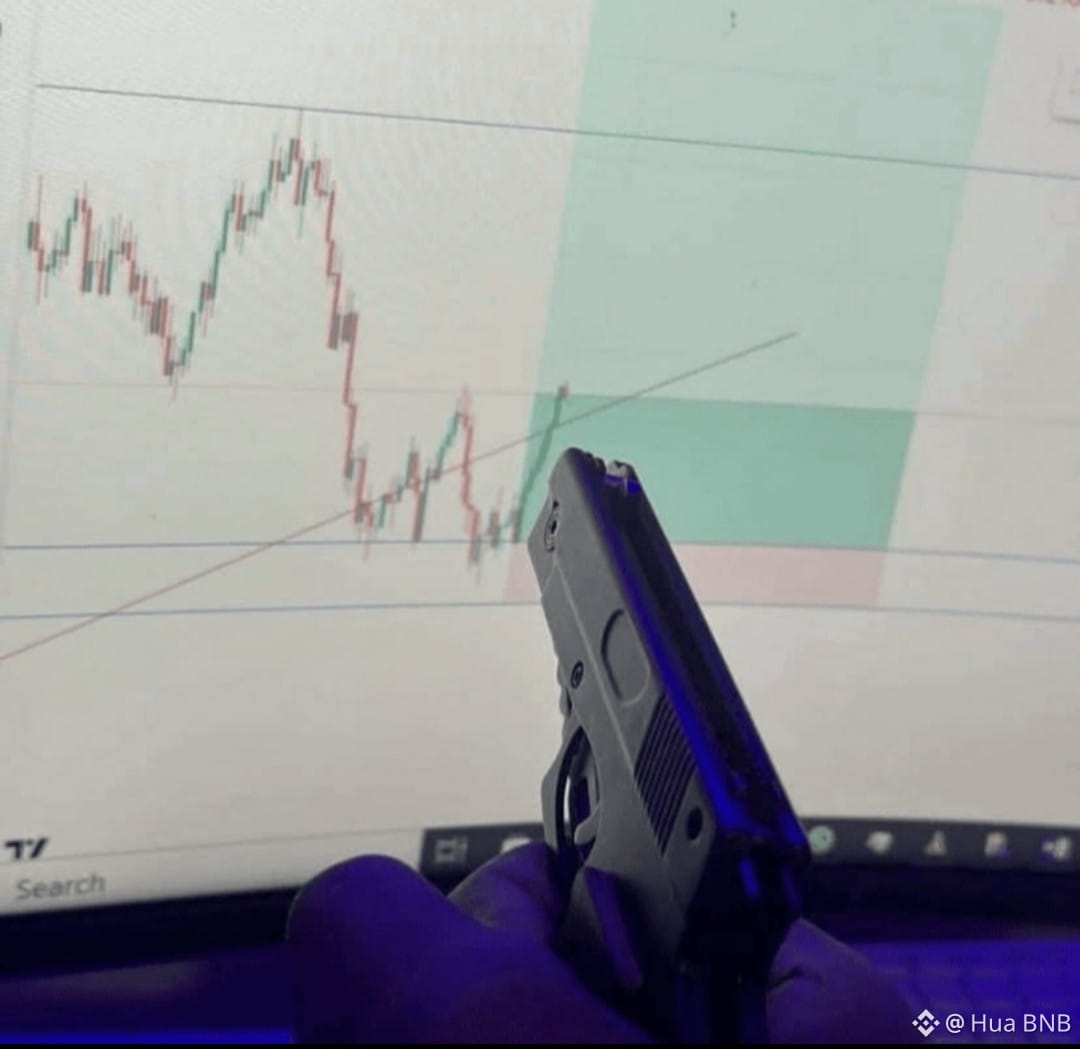
The hardest skill in trading isn’t knowing when to buy or sell.
It’s having the discipline to do absolutely nothing until your level comes.
Most traders don’t lose because they lack good setups.
They lose because they get bored, become impatient, and start clicking buttons.
Don’t trade just because the market is moving.
Trade when the risk-to-reward makes sense and the setup meets your criteria.
If the market gives you nothing, take nothing.
You don’t have to fight the market every day.
You’re a trader — not a casino customer.
$BTC $ETH $SOL
The hardest skill in trading isn’t knowing when to buy or sell.
It’s having the discipline to do absolutely nothing until your level comes.
Most traders don’t lose because they lack good setups.
They lose because they get bored, become impatient, and start clicking buttons.
Don’t trade just because the market is moving.
Trade when the risk-to-reward makes sense and the setup meets your criteria.
If the market gives you nothing, take nothing.
You don’t have to fight the market every day.
You’re a trader — not a casino customer.
$BTC $ETH $SOL
It’s having the discipline to do absolutely nothing until your level comes.
Most traders don’t lose because they lack good setups.
They lose because they get bored, become impatient, and start clicking buttons.
Don’t trade just because the market is moving.
Trade when the risk-to-reward makes sense and the setup meets your criteria.
If the market gives you nothing, take nothing.
You don’t have to fight the market every day.
You’re a trader — not a casino customer.
$BTC $ETH $SOL
2
1
10
2k
·
--
Bearish
🚨 Guys Don't Miss This #Golden Trade Signal 🚨
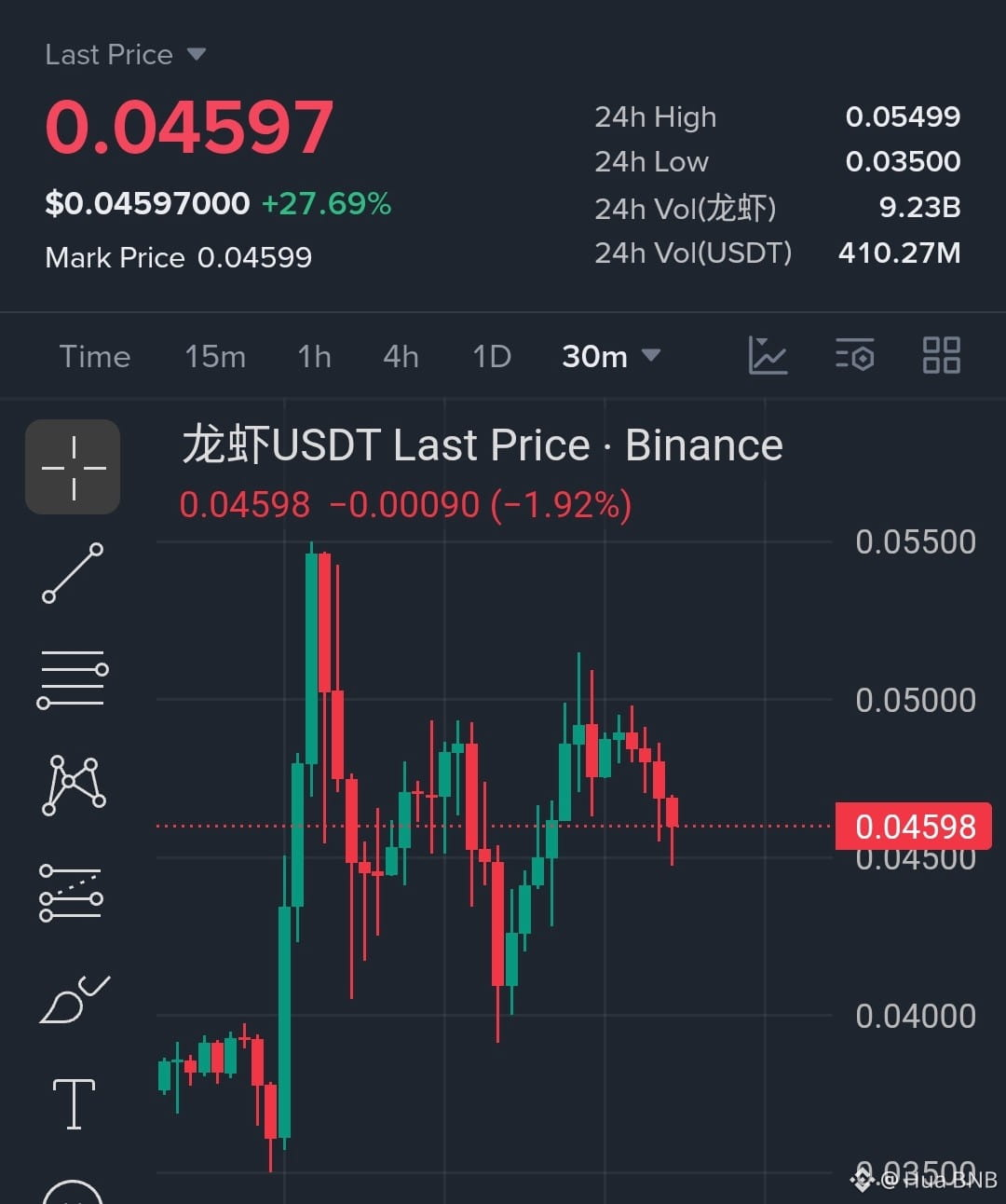
Just Short Now $龙虾 With 20x And Thank Me Later...🤝📉
Entry Zone: $0.0455 – $0.0475
TP 1: $0.0430
TP 2: $0.0410
TP 3: $0.0380
TP 4: $0.0350
SL: $0.0545
Click Below To Short It Now ...👇
{future}(龙虾USDT)
Setup Logic:
1) $龙虾 has rallied strongly, but the chart shows repeated rejection around the $0.049–$0.050 area.
2) The current price is pulling back from the recent $0.049–$0.050 resistance zone.
3) A break below $0.0450 could accelerate the move toward $0.0430 and $0.0410.
4) Losing $0.0410 could open further downside toward $0.0380 and $0.0350.
Risk Tip:
Don’t over leverage or revenge trade, please protect capital. The Market will give us more opportunities, don’t worry.
🚨 Guys Don't Miss This #Golden Trade Signal 🚨
Just Short Now $龙虾 With 20x And Thank Me Later...🤝📉
Entry Zone: $0.0455 – $0.0475
TP 1: $0.0430
TP 2: $0.0410
TP 3: $0.0380
TP 4: $0.0350
SL: $0.0545
Click Below To Short It Now ...👇
Setup Logic:
1) $龙虾 has rallied strongly, but the chart shows repeated rejection around the $0.049–$0.050 area.
2) The current price is pulling back from the recent $0.049–$0.050 resistance zone.
3) A break below $0.0450 could accelerate the move toward $0.0430 and $0.0410.
4) Losing $0.0410 could open further downside toward $0.0380 and $0.0350.
Risk Tip:
Don’t over leverage or revenge trade, please protect capital. The Market will give us more opportunities, don’t worry.
Just Short Now $龙虾 With 20x And Thank Me Later...🤝📉
Entry Zone: $0.0455 – $0.0475
TP 1: $0.0430
TP 2: $0.0410
TP 3: $0.0380
TP 4: $0.0350
SL: $0.0545
Click Below To Short It Now ...👇
Setup Logic:
1) $龙虾 has rallied strongly, but the chart shows repeated rejection around the $0.049–$0.050 area.
2) The current price is pulling back from the recent $0.049–$0.050 resistance zone.
3) A break below $0.0450 could accelerate the move toward $0.0430 and $0.0410.
4) Losing $0.0410 could open further downside toward $0.0380 and $0.0350.
Risk Tip:
Don’t over leverage or revenge trade, please protect capital. The Market will give us more opportunities, don’t worry.
3
1
6
1.8k
·
--
Bullish
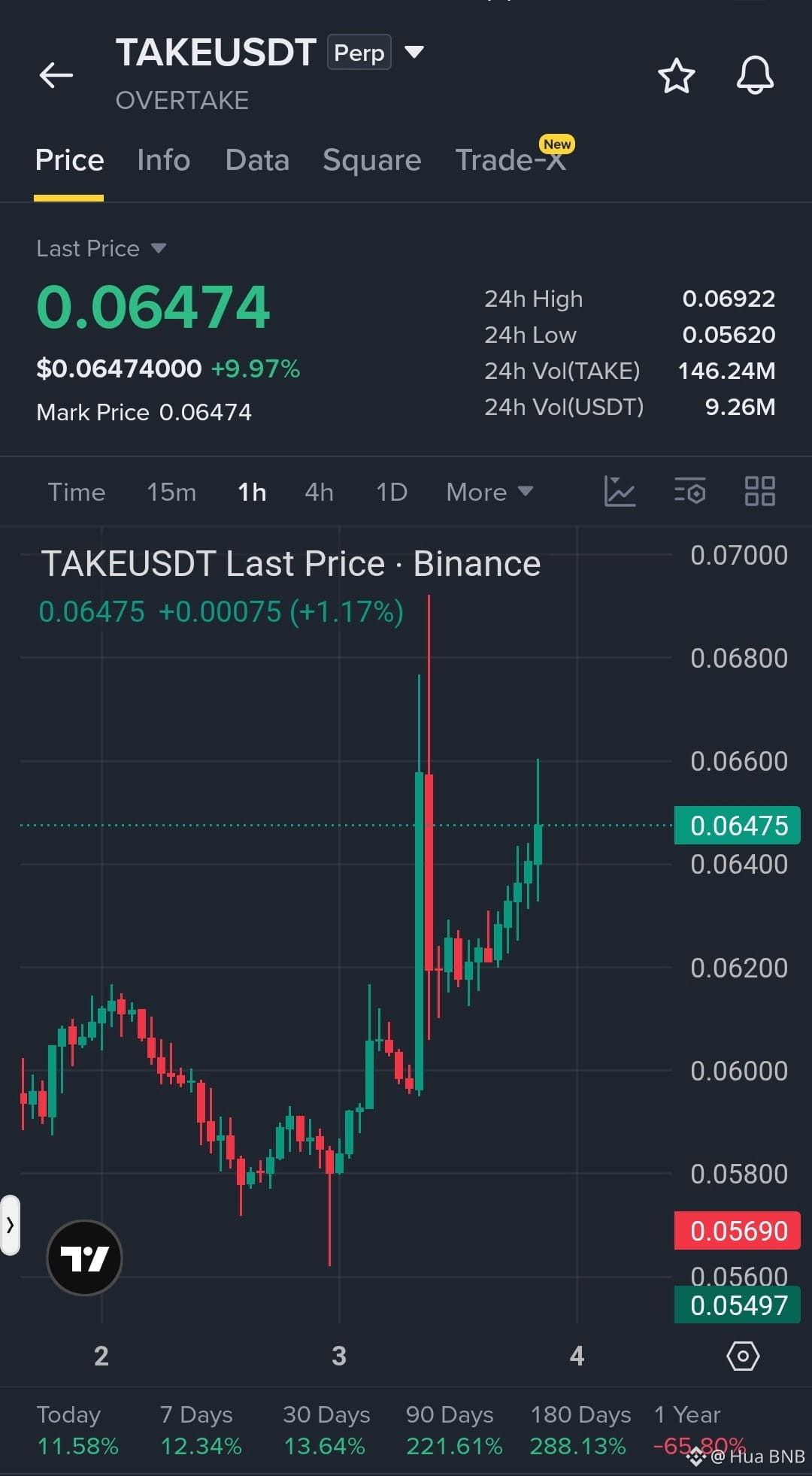
Guys I Am Going To Take a Long Trade On $TAKE Now With 10x Leverage In My Futures...🚀🔥
My Entry Zone: $0.0635–$0.0660
My TP 1: $0.0690
My TP 2: $0.0730
My TP 3: $0.0780
My SL: $0.0575
Click Below To Take Trade With Me...👇
{future}(TAKEUSDT)
Setup Logic:
$0.0635–$0.0660 is the key entry zone for this long setup.
Holding above $0.0635 keeps the bullish structure valid.
A clean breakout above $0.0690 can open the way toward $0.0730 and $0.0780.
Strong momentum above $0.0780 could extend the move toward $0.0850.
Risk Management:
Don’t over leverage or revenge trade, please protect capital. Market will give us more opportunities, don’t worry.
Guys I Am Going To Take a Long Trade On $TAKE Now With 10x Leverage In My Futures...🚀🔥
My Entry Zone: $0.0635–$0.0660
My TP 1: $0.0690
My TP 2: $0.0730
My TP 3: $0.0780
My SL: $0.0575
Click Below To Take Trade With Me...👇
Setup Logic:
$0.0635–$0.0660 is the key entry zone for this long setup.
Holding above $0.0635 keeps the bullish structure valid.
A clean breakout above $0.0690 can open the way toward $0.0730 and $0.0780.
Strong momentum above $0.0780 could extend the move toward $0.0850.
Risk Management:
Don’t over leverage or revenge trade, please protect capital. Market will give us more opportunities, don’t worry.
My Entry Zone: $0.0635–$0.0660
My TP 1: $0.0690
My TP 2: $0.0730
My TP 3: $0.0780
My SL: $0.0575
Click Below To Take Trade With Me...👇
Setup Logic:
$0.0635–$0.0660 is the key entry zone for this long setup.
Holding above $0.0635 keeps the bullish structure valid.
A clean breakout above $0.0690 can open the way toward $0.0730 and $0.0780.
Strong momentum above $0.0780 could extend the move toward $0.0850.
Risk Management:
Don’t over leverage or revenge trade, please protect capital. Market will give us more opportunities, don’t worry.
4
1.3k
·
--
Bullish
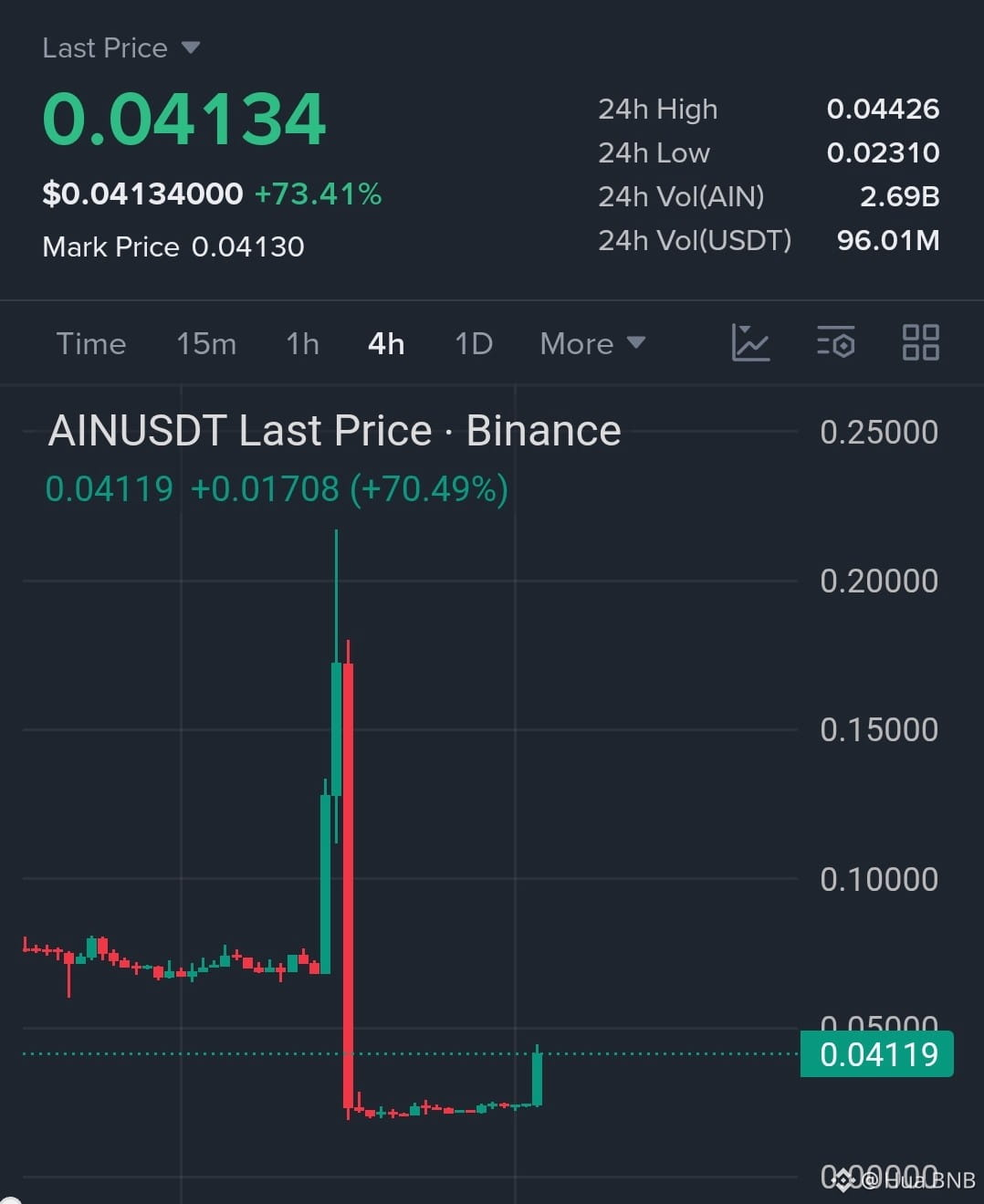
Guys Open Now a Big Long Trade On $AIN With 20x Leverage Isolated In Your Futures...🔥🔥
Entry Zone: $0.0405 – $0.0420
TP 1: $0.0445
TP 2: $0.0475
TP 3: $0.0510
TP 4: $0.0560
SL: $0.0360
Click Below To Take Trade Now ...👇
{future}(AINUSDT)
Setup Logic:
$0.0405–$0.0420 is the key entry zone for this long setup.
Holding above $0.0405 keeps the bullish structure valid.
A clean breakout above $0.0445 can open the way toward $0.0475 and $0.0510.
Strong momentum above $0.0510 could extend the move toward $0.0560.
Risk Management:
Don’t over leverage or revenge trade, please protect capital. Market will give us more opportunities, don’t worry.
Guys Open Now a Big Long Trade On $AIN With 20x Leverage Isolated In Your Futures...🔥🔥
Entry Zone: $0.0405 – $0.0420
TP 1: $0.0445
TP 2: $0.0475
TP 3: $0.0510
TP 4: $0.0560
SL: $0.0360
Click Below To Take Trade Now ...👇
Setup Logic:
$0.0405–$0.0420 is the key entry zone for this long setup.
Holding above $0.0405 keeps the bullish structure valid.
A clean breakout above $0.0445 can open the way toward $0.0475 and $0.0510.
Strong momentum above $0.0510 could extend the move toward $0.0560.
Risk Management:
Don’t over leverage or revenge trade, please protect capital. Market will give us more opportunities, don’t worry.
Entry Zone: $0.0405 – $0.0420
TP 1: $0.0445
TP 2: $0.0475
TP 3: $0.0510
TP 4: $0.0560
SL: $0.0360
Click Below To Take Trade Now ...👇
Setup Logic:
$0.0405–$0.0420 is the key entry zone for this long setup.
Holding above $0.0405 keeps the bullish structure valid.
A clean breakout above $0.0445 can open the way toward $0.0475 and $0.0510.
Strong momentum above $0.0510 could extend the move toward $0.0560.
Risk Management:
Don’t over leverage or revenge trade, please protect capital. Market will give us more opportunities, don’t worry.
6
1.3k
·
--
Bullish
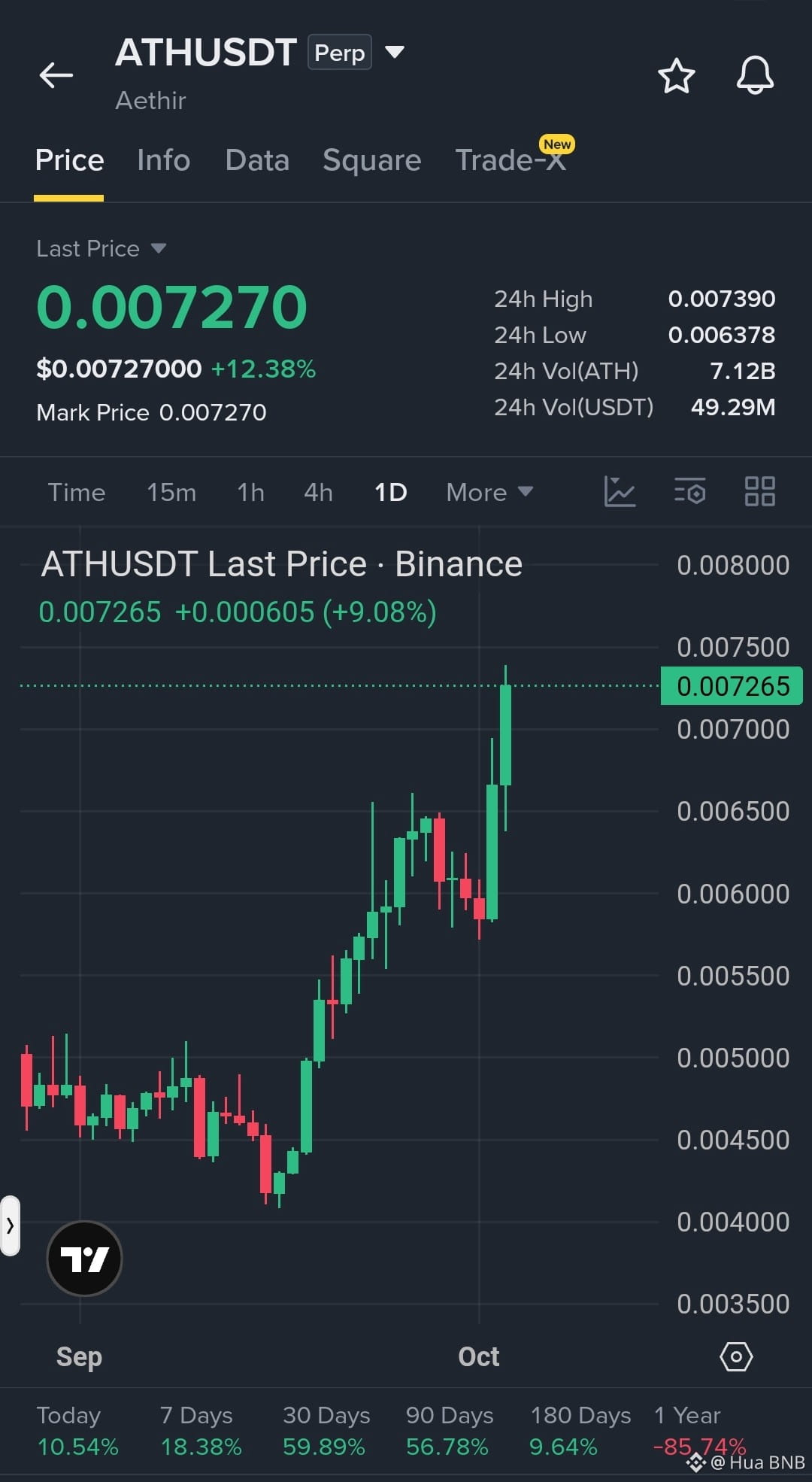
Guys I Am Entering a Long Trade On $ATH Now With 10x Leverage Isolated In My Futures...🔥🔥
Entry Zone: $0.00710 – $0.00740
TP 1: $0.00775
TP 2: $0.00830
TP 3: $0.00900
TP 4: $0.01000
SL: $0.00600
Click Below To Take Trade With Me...👇
{future}(ATHUSDT)
Setup Logic:
$0.00710–$0.00740 is the key entry zone for this long setup.
Holding above $0.00710 keeps the bullish structure valid.
A clean breakout above $0.00775 can open the way toward $0.00830 and $0.00900.
Strong momentum above $0.00900 could extend the move toward $0.01000.
Risk Tip:
Don’t over leverage or revenge trade, please protect capital. Market will give us more opportunities, don’t worry.
Guys I Am Entering a Long Trade On $ATH Now With 10x Leverage Isolated In My Futures...🔥🔥
Entry Zone: $0.00710 – $0.00740
TP 1: $0.00775
TP 2: $0.00830
TP 3: $0.00900
TP 4: $0.01000
SL: $0.00600
Click Below To Take Trade With Me...👇
Setup Logic:
$0.00710–$0.00740 is the key entry zone for this long setup.
Holding above $0.00710 keeps the bullish structure valid.
A clean breakout above $0.00775 can open the way toward $0.00830 and $0.00900.
Strong momentum above $0.00900 could extend the move toward $0.01000.
Risk Tip:
Don’t over leverage or revenge trade, please protect capital. Market will give us more opportunities, don’t worry.
Entry Zone: $0.00710 – $0.00740
TP 1: $0.00775
TP 2: $0.00830
TP 3: $0.00900
TP 4: $0.01000
SL: $0.00600
Click Below To Take Trade With Me...👇
Setup Logic:
$0.00710–$0.00740 is the key entry zone for this long setup.
Holding above $0.00710 keeps the bullish structure valid.
A clean breakout above $0.00775 can open the way toward $0.00830 and $0.00900.
Strong momentum above $0.00900 could extend the move toward $0.01000.
Risk Tip:
Don’t over leverage or revenge trade, please protect capital. Market will give us more opportunities, don’t worry.
4
930
·
--
Bullish
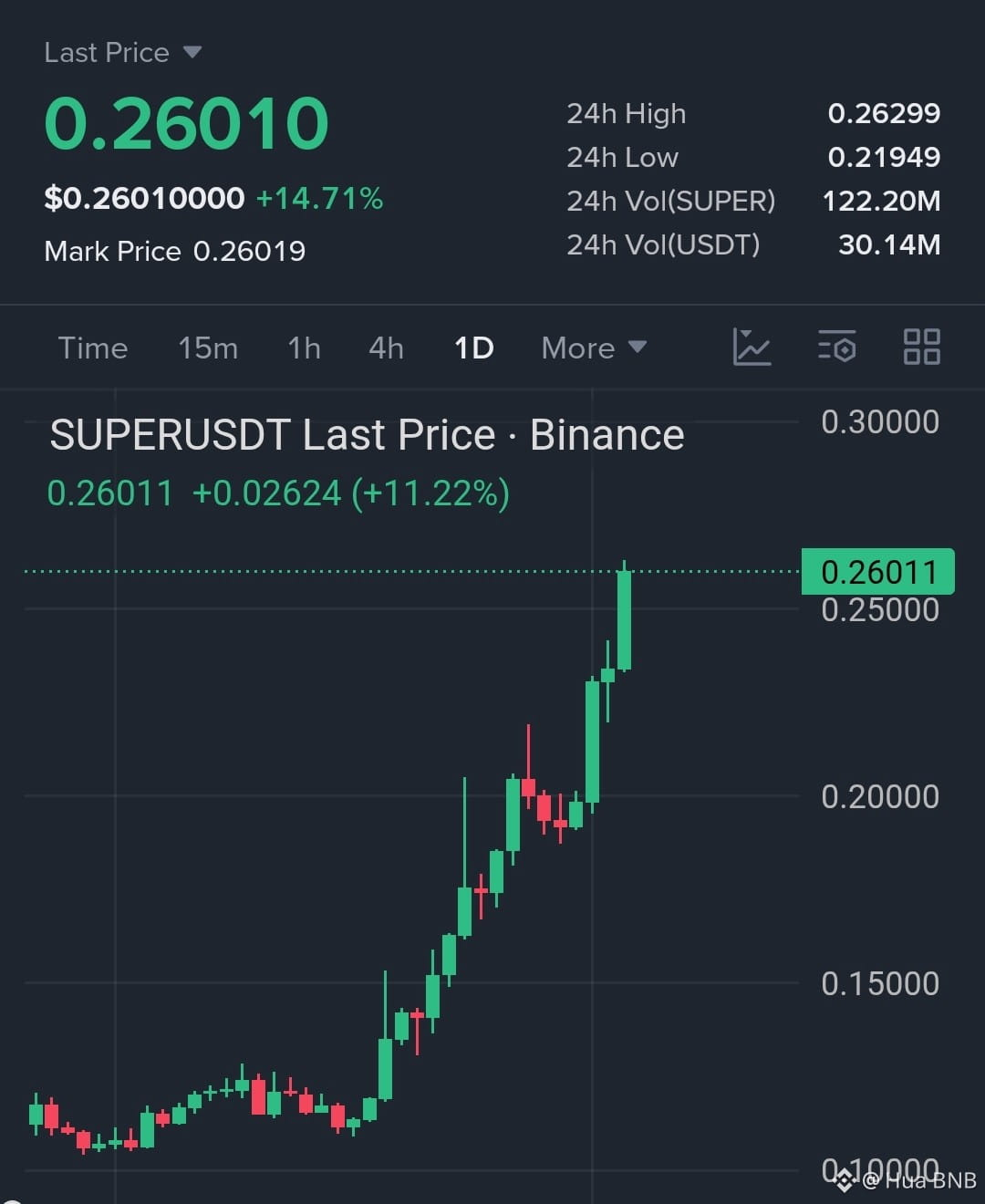
🚀 $SUPER Is Building Up Straightly With Solid Bullish Momentum Bulls Targeting Higher Levels...
Long It Now With 10x Leverage:
Entry Zone: $0.255 – $0.265
TP 1: $0.275
TP 2: $0.292
TP 3: $0.315
SL: $0.230
Click Below To Take Trade Now ...👇
{future}(SUPERUSDT)
Setup Logic:
$0.255–$0.265 is the key entry zone for this long setup.
Holding above $0.255 keeps the bullish structure valid.
A clean breakout above $0.275 can open the way toward $0.292 and $0.315.
Risk Tip:
Don’t over leverage or revenge trade, please protect capital. The market will give us more opportunities, don’t worry.
🚀 $SUPER Is Building Up Straightly With Solid Bullish Momentum Bulls Targeting Higher Levels...
Long It Now With 10x Leverage:
Entry Zone: $0.255 – $0.265
TP 1: $0.275
TP 2: $0.292
TP 3: $0.315
SL: $0.230
Click Below To Take Trade Now ...👇
Setup Logic:
$0.255–$0.265 is the key entry zone for this long setup.
Holding above $0.255 keeps the bullish structure valid.
A clean breakout above $0.275 can open the way toward $0.292 and $0.315.
Risk Tip:
Don’t over leverage or revenge trade, please protect capital. The market will give us more opportunities, don’t worry.
Long It Now With 10x Leverage:
Entry Zone: $0.255 – $0.265
TP 1: $0.275
TP 2: $0.292
TP 3: $0.315
SL: $0.230
Click Below To Take Trade Now ...👇
Setup Logic:
$0.255–$0.265 is the key entry zone for this long setup.
Holding above $0.255 keeps the bullish structure valid.
A clean breakout above $0.275 can open the way toward $0.292 and $0.315.
Risk Tip:
Don’t over leverage or revenge trade, please protect capital. The market will give us more opportunities, don’t worry.
1
3
1.4k
·
--
Bearish
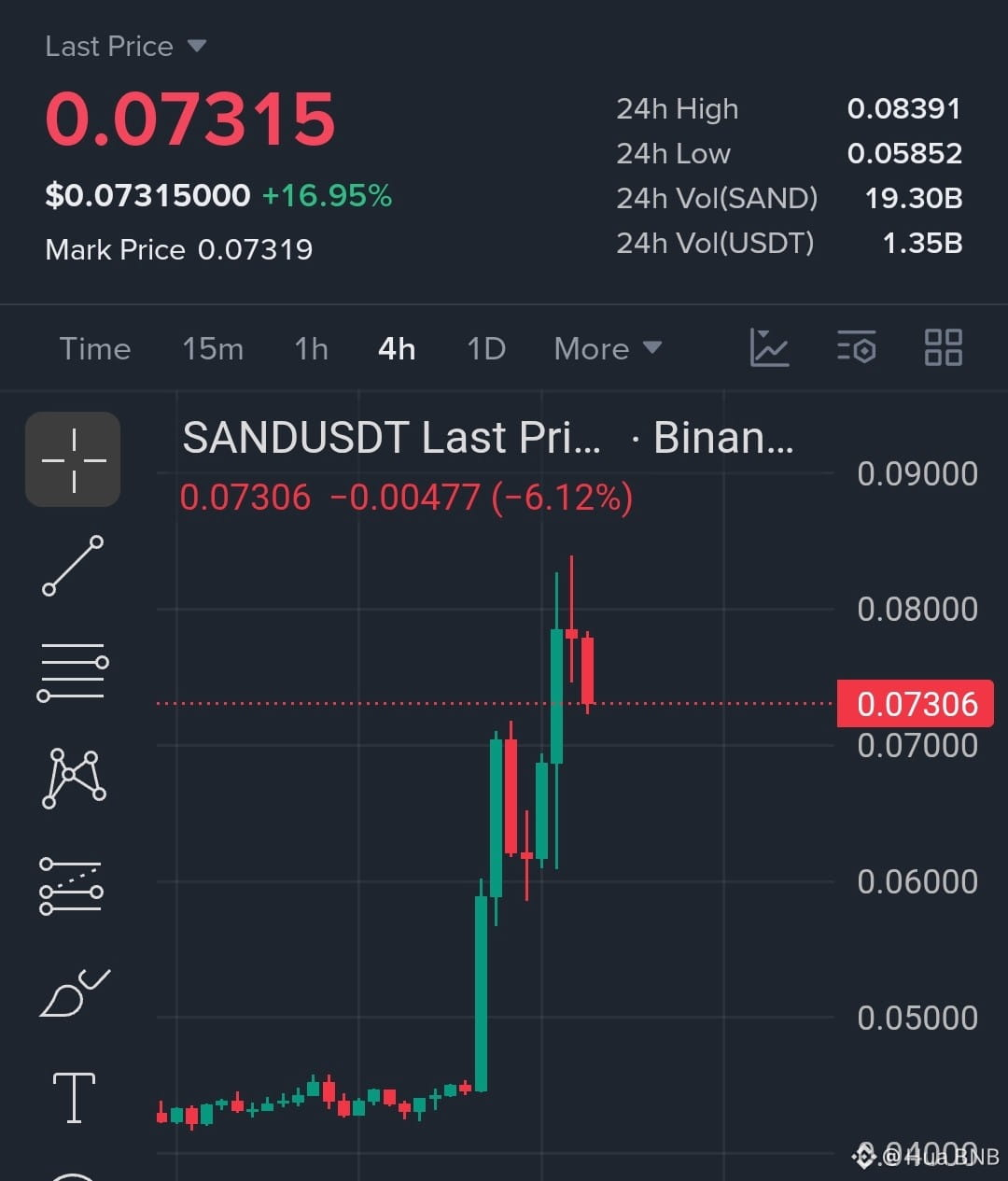
$SAND Bullish up move is done now ready for the correction phase momentum started fading...📉
Short It Now With 20x Leverage:
Entry Zone: $0.0722 – $0.0740
TP 1: $0.0695
TP 2: $0.0665
TP 3: $0.0630
TP 4: $0.0590
SL: $0.0830
Click Below To Take Trade Now ...👇
{future}(SANDUSDT)
Setup Logic:
$0.0722–$0.0740 is the key rejection zone for this short setup.
Failure to reclaim $0.0740 can keep selling pressure active.
A clean break below $0.0695 could accelerate the move toward $0.0665 and $0.0630.
Strong bearish momentum below $0.0630 could extend the move toward $0.0590.
Risk Tip:
Don’t over leverage or revenge trade, please protect capital. Market will give us more opportunities, don’t worry.
$SAND Bullish up move is done now ready for the correction phase momentum started fading...📉
Short It Now With 20x Leverage:
Entry Zone: $0.0722 – $0.0740
TP 1: $0.0695
TP 2: $0.0665
TP 3: $0.0630
TP 4: $0.0590
SL: $0.0830
Click Below To Take Trade Now ...👇
Setup Logic:
$0.0722–$0.0740 is the key rejection zone for this short setup.
Failure to reclaim $0.0740 can keep selling pressure active.
A clean break below $0.0695 could accelerate the move toward $0.0665 and $0.0630.
Strong bearish momentum below $0.0630 could extend the move toward $0.0590.
Risk Tip:
Don’t over leverage or revenge trade, please protect capital. Market will give us more opportunities, don’t worry.
Short It Now With 20x Leverage:
Entry Zone: $0.0722 – $0.0740
TP 1: $0.0695
TP 2: $0.0665
TP 3: $0.0630
TP 4: $0.0590
SL: $0.0830
Click Below To Take Trade Now ...👇
Setup Logic:
$0.0722–$0.0740 is the key rejection zone for this short setup.
Failure to reclaim $0.0740 can keep selling pressure active.
A clean break below $0.0695 could accelerate the move toward $0.0665 and $0.0630.
Strong bearish momentum below $0.0630 could extend the move toward $0.0590.
Risk Tip:
Don’t over leverage or revenge trade, please protect capital. Market will give us more opportunities, don’t worry.
1
4
2k
·
--
🚨 $BTC Market Update Oct-03 🚨
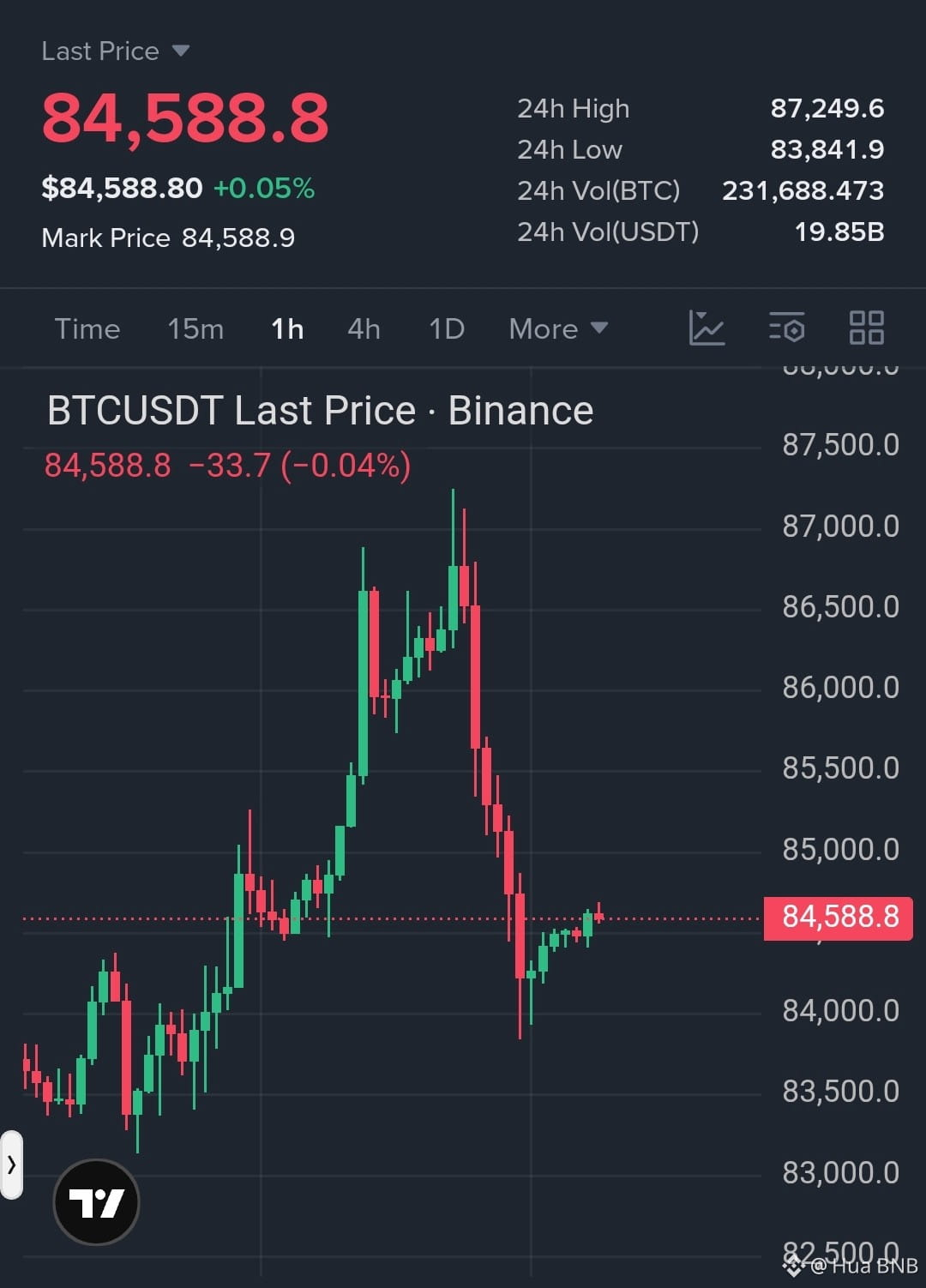
Guys $BTC pushed up to $87.25K but got rejected hard and dropped back toward $84K. On the 1H chart, we can see a clear loss of short-term momentum after the rejection.
BTC is now trying to stabilize around $84.5K, but the next move could be important:
🔻 Below $84K: $83K → $82.5K could come into focus.
🔹 Resistance: $85K–$85.5K
🚀 Above $85.5K: could signal a recovery toward $86K+
For now, I’m watching whether buyers can defend the $84K area or if this relief bounce gets rejected again.
$BTC needs to reclaim $85K+ to bring back some short-term strength.
NFA — manage risk.
{future}(BTCUSDT)
#BitcoinFundingRateTriplesTo10% #ZcashFalls21%FromSeptemberPeak #NFPWatch #USSeptemberPayrollsAdd29KUnemploymentRises4.2% #XRPPostsFirstThreeGreenMonthsInQ3
🚨 $BTC Market Update Oct-03 🚨
Guys $BTC pushed up to $87.25K but got rejected hard and dropped back toward $84K. On the 1H chart, we can see a clear loss of short-term momentum after the rejection.
BTC is now trying to stabilize around $84.5K, but the next move could be important:
🔻 Below $84K: $83K → $82.5K could come into focus.
🔹 Resistance: $85K–$85.5K
🚀 Above $85.5K: could signal a recovery toward $86K+
For now, I’m watching whether buyers can defend the $84K area or if this relief bounce gets rejected again.
$BTC needs to reclaim $85K+ to bring back some short-term strength.
NFA — manage risk.
#BitcoinFundingRateTriplesTo10% #ZcashFalls21%FromSeptemberPeak #NFPWatch #USSeptemberPayrollsAdd29KUnemploymentRises4.2% #XRPPostsFirstThreeGreenMonthsInQ3
Guys $BTC pushed up to $87.25K but got rejected hard and dropped back toward $84K. On the 1H chart, we can see a clear loss of short-term momentum after the rejection.
BTC is now trying to stabilize around $84.5K, but the next move could be important:
🔻 Below $84K: $83K → $82.5K could come into focus.
🔹 Resistance: $85K–$85.5K
🚀 Above $85.5K: could signal a recovery toward $86K+
For now, I’m watching whether buyers can defend the $84K area or if this relief bounce gets rejected again.
$BTC needs to reclaim $85K+ to bring back some short-term strength.
NFA — manage risk.
#BitcoinFundingRateTriplesTo10% #ZcashFalls21%FromSeptemberPeak #NFPWatch #USSeptemberPayrollsAdd29KUnemploymentRises4.2% #XRPPostsFirstThreeGreenMonthsInQ3
5
1.8k
·
--
Bullish
Long $SOL 4.1K USDT
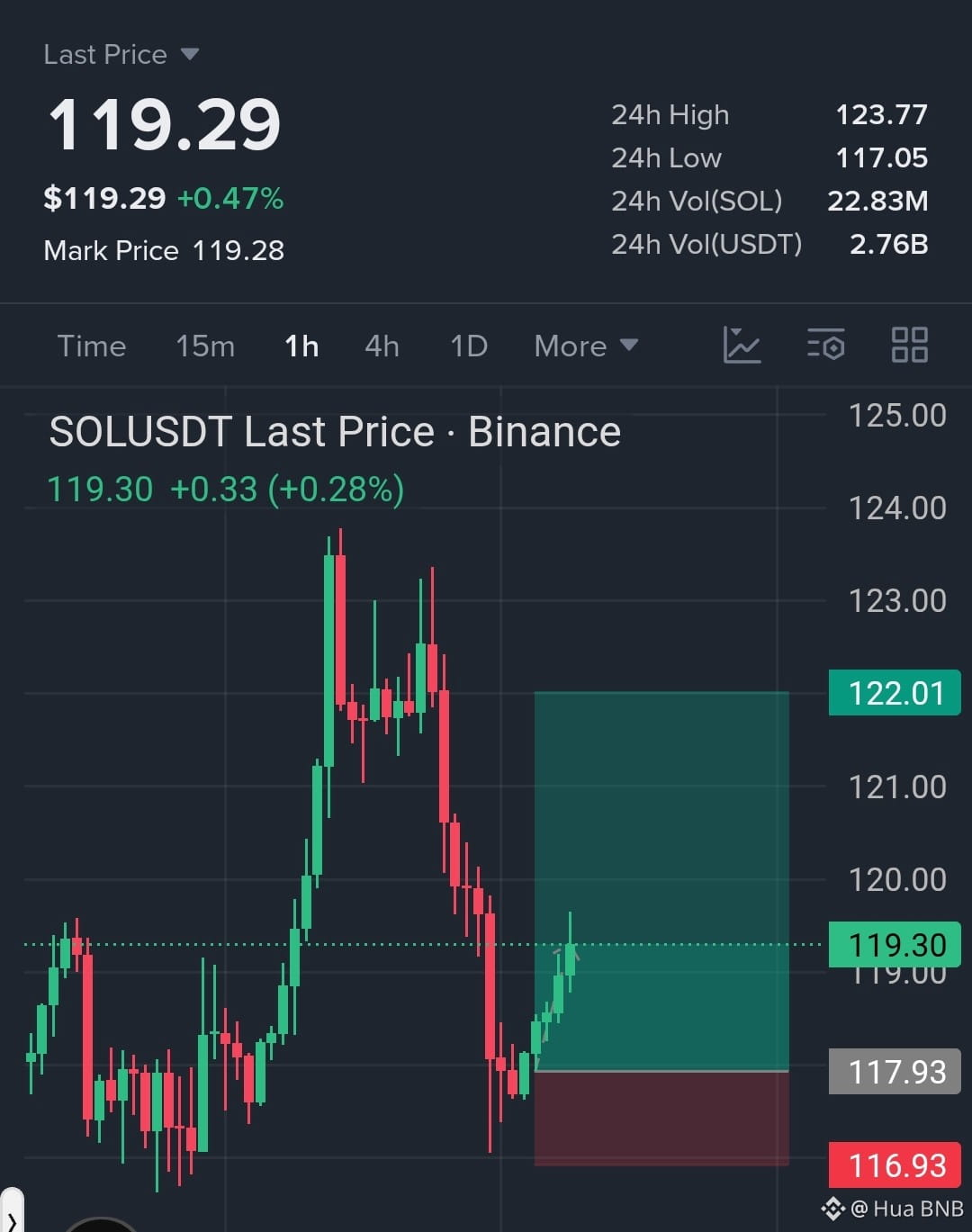
Now Guys I Am Going Long On $SOL With 10x Leverage Isolated In My Futures Wallet...🔥🚀
My Entry Zone: $118.00 – $119.50
TP 1: $120.50
TP 2: $122.00
TP 3: $123.75
SL: $116.00
Click Below To Take Trade With Me...👇
{future}(SOLUSDT)
Setup Logic:
$SOL bounced strongly from the $117–$118 support area.
The 1H chart shows recovery momentum after the recent pullback.
Holding above $118 keeps the bullish continuation setup valid.
A clean break above $120.50 can open the way toward $122 and $123.75.
Risk Tip:
Don’t over leverage or revenge trade, please protect capital. The market will give us more opportunities, don’t worry.
Now Guys I Am Going Long On $SOL With 10x Leverage Isolated In My Futures Wallet...🔥🚀
My Entry Zone: $118.00 – $119.50
TP 1: $120.50
TP 2: $122.00
TP 3: $123.75
SL: $116.00
Click Below To Take Trade With Me...👇
Setup Logic:
$SOL bounced strongly from the $117–$118 support area.
The 1H chart shows recovery momentum after the recent pullback.
Holding above $118 keeps the bullish continuation setup valid.
A clean break above $120.50 can open the way toward $122 and $123.75.
Risk Tip:
Don’t over leverage or revenge trade, please protect capital. The market will give us more opportunities, don’t worry.
My Entry Zone: $118.00 – $119.50
TP 1: $120.50
TP 2: $122.00
TP 3: $123.75
SL: $116.00
Click Below To Take Trade With Me...👇
Setup Logic:
$SOL bounced strongly from the $117–$118 support area.
The 1H chart shows recovery momentum after the recent pullback.
Holding above $118 keeps the bullish continuation setup valid.
A clean break above $120.50 can open the way toward $122 and $123.75.
Risk Tip:
Don’t over leverage or revenge trade, please protect capital. The market will give us more opportunities, don’t worry.
3
1
11
3.4k
·
--
Bearish
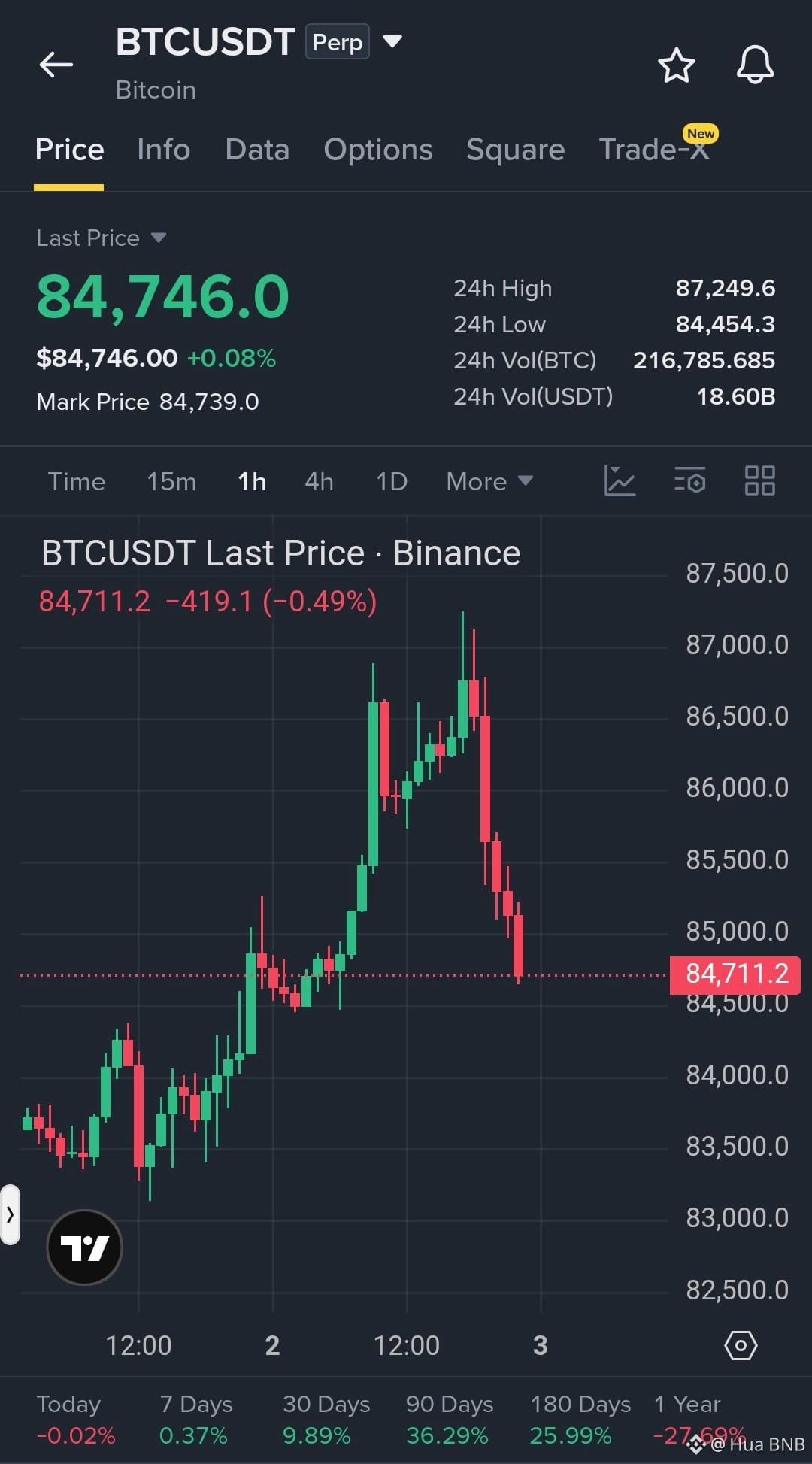
🚨 GUYS SELL SHORT NOW $BTC WITH 10x LEVERAGE ISOLATED...
Short Entry Zone: $84,500 – $84,800
TP 1: $84,000
TP 2: $83,500
TP 3: $83,000
SL: $85,500
Click Below To Take Trade Now ...👇
{future}(BTCUSDT)
🚨 GUYS SELL SHORT NOW $BTC WITH 10x LEVERAGE ISOLATED...
Short Entry Zone: $84,500 – $84,800
TP 1: $84,000
TP 2: $83,500
TP 3: $83,000
SL: $85,500
Click Below To Take Trade Now ...👇
Short Entry Zone: $84,500 – $84,800
TP 1: $84,000
TP 2: $83,500
TP 3: $83,000
SL: $85,500
Click Below To Take Trade Now ...👇
2
5
2k
·
--
Bullish
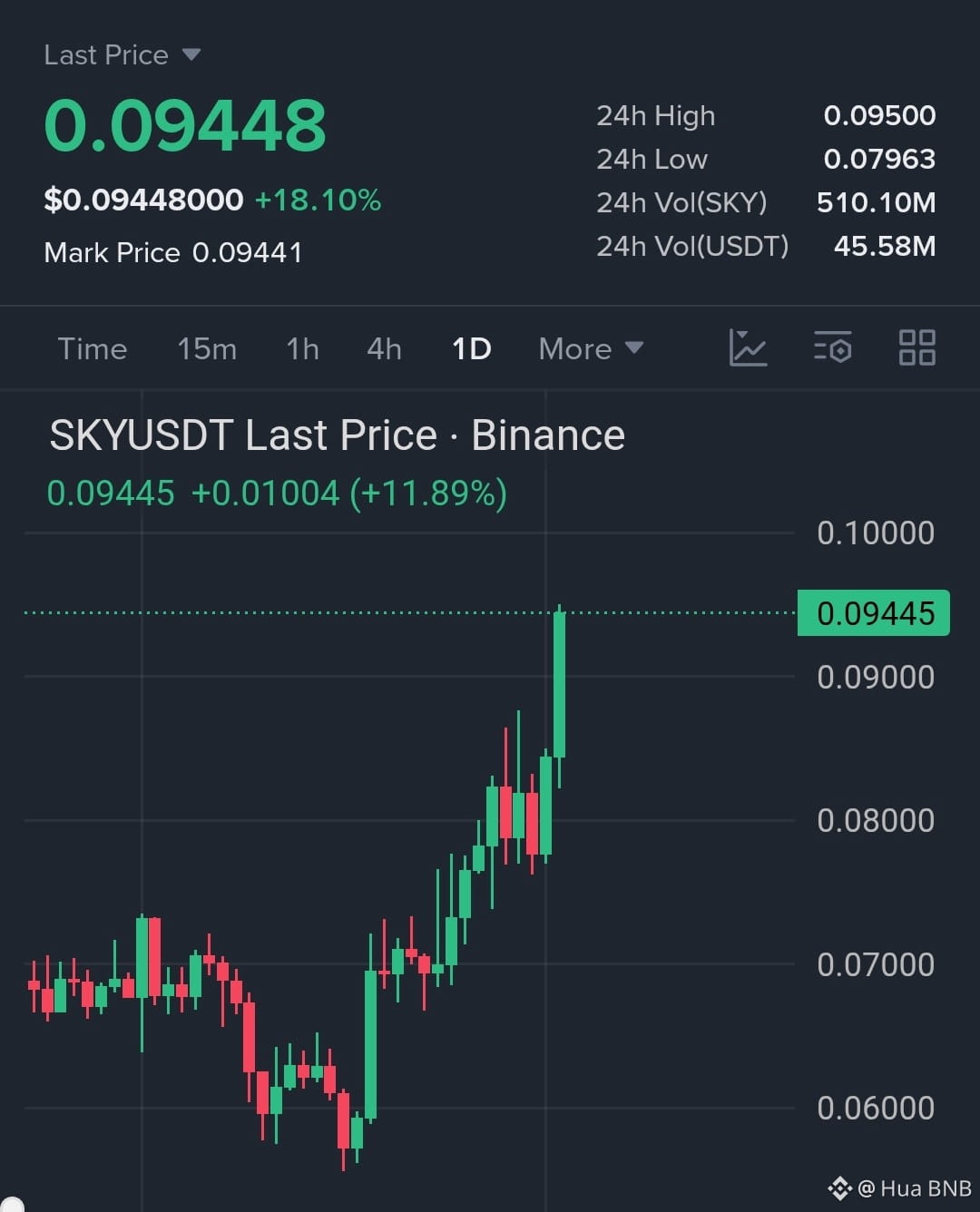
🚀 GUYS I AM GOING LONG ON $SKY NOW WITH 10x LEVERAGE...
My Entry Zone: $0.0925 – $0.0960
TP 1: $0.1010
TP 2: $0.1080
TP 3: $0.1170
TP 4: $0.1250
SL: $0.0780
Click Below To Take Trade With Me ...👇
{future}(SKYUSDT)
Setup Logic:
$0.0925 – $0.0960 is the key entry zone for this long setup.
Holding above $0.0925 keeps the bullish structure valid.
A clean breakout above $0.1010 can open the way toward $0.1080 and $0.1170.
Strong momentum above $0.1170 could extend the move toward $0.1250.
Risk Management:
Don’t over leverage or revenge trade, please protect capital. The market will give us more opportunities, don’t worry.
🚀 GUYS I AM GOING LONG ON $SKY NOW WITH 10x LEVERAGE...
My Entry Zone: $0.0925 – $0.0960
TP 1: $0.1010
TP 2: $0.1080
TP 3: $0.1170
TP 4: $0.1250
SL: $0.0780
Click Below To Take Trade With Me ...👇
Setup Logic:
$0.0925 – $0.0960 is the key entry zone for this long setup.
Holding above $0.0925 keeps the bullish structure valid.
A clean breakout above $0.1010 can open the way toward $0.1080 and $0.1170.
Strong momentum above $0.1170 could extend the move toward $0.1250.
Risk Management:
Don’t over leverage or revenge trade, please protect capital. The market will give us more opportunities, don’t worry.
My Entry Zone: $0.0925 – $0.0960
TP 1: $0.1010
TP 2: $0.1080
TP 3: $0.1170
TP 4: $0.1250
SL: $0.0780
Click Below To Take Trade With Me ...👇
Setup Logic:
$0.0925 – $0.0960 is the key entry zone for this long setup.
Holding above $0.0925 keeps the bullish structure valid.
A clean breakout above $0.1010 can open the way toward $0.1080 and $0.1170.
Strong momentum above $0.1170 could extend the move toward $0.1250.
Risk Management:
Don’t over leverage or revenge trade, please protect capital. The market will give us more opportunities, don’t worry.
3
2
2k
·
--
Bullish
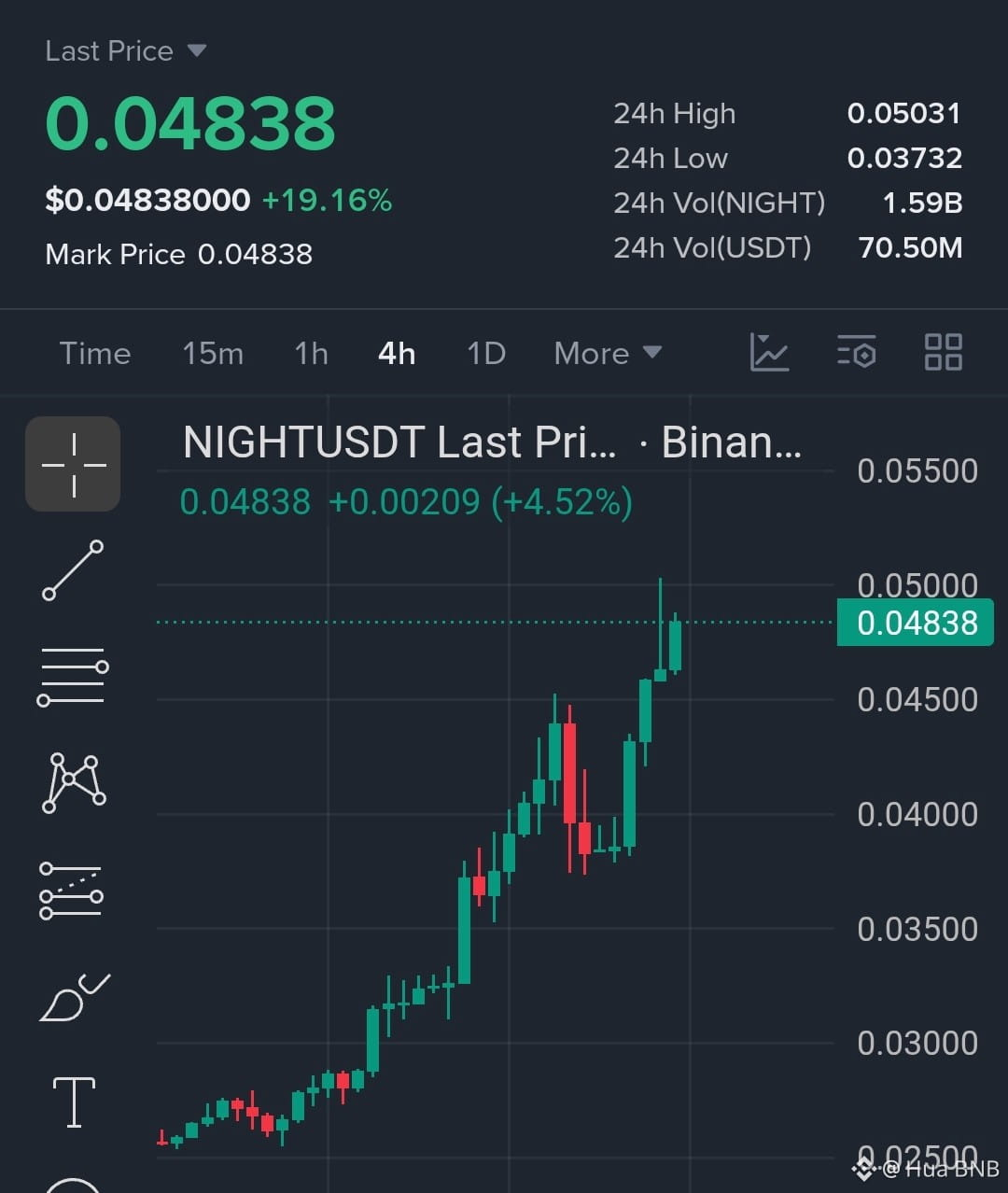
Guys Open Now a Big Long Trade On $NIGHT With 25x Leverage In Your Futures...🚀🚀
Entry Zone: $0.0475 – $0.0490
TP 1: $0.0510
TP 2: $0.0540
TP 3: $0.0580
TP 4: $0.0640
SL: $0.0400
Click Below To Take Trade Now ...👇
{future}(NIGHTUSDT)
Setup Logic:
$0.0475–$0.0490 is the key entry zone for this long setup.
Holding above $0.0475 keeps the bullish structure valid.
A clean breakout above $0.0510 can open the way toward $0.0540 and $0.0580.
Strong momentum above $0.0580 could extend the move toward $0.0640.
Risk Tip:
Don’t over leverage or revenge trade, please protect capital. Market will give us more opportunities, don’t worry.
Guys Open Now a Big Long Trade On $NIGHT With 25x Leverage In Your Futures...🚀🚀
Entry Zone: $0.0475 – $0.0490
TP 1: $0.0510
TP 2: $0.0540
TP 3: $0.0580
TP 4: $0.0640
SL: $0.0400
Click Below To Take Trade Now ...👇
Setup Logic:
$0.0475–$0.0490 is the key entry zone for this long setup.
Holding above $0.0475 keeps the bullish structure valid.
A clean breakout above $0.0510 can open the way toward $0.0540 and $0.0580.
Strong momentum above $0.0580 could extend the move toward $0.0640.
Risk Tip:
Don’t over leverage or revenge trade, please protect capital. Market will give us more opportunities, don’t worry.
Entry Zone: $0.0475 – $0.0490
TP 1: $0.0510
TP 2: $0.0540
TP 3: $0.0580
TP 4: $0.0640
SL: $0.0400
Click Below To Take Trade Now ...👇
Setup Logic:
$0.0475–$0.0490 is the key entry zone for this long setup.
Holding above $0.0475 keeps the bullish structure valid.
A clean breakout above $0.0510 can open the way toward $0.0540 and $0.0580.
Strong momentum above $0.0580 could extend the move toward $0.0640.
Risk Tip:
Don’t over leverage or revenge trade, please protect capital. Market will give us more opportunities, don’t worry.
5
1.7k
·
--
Bullish
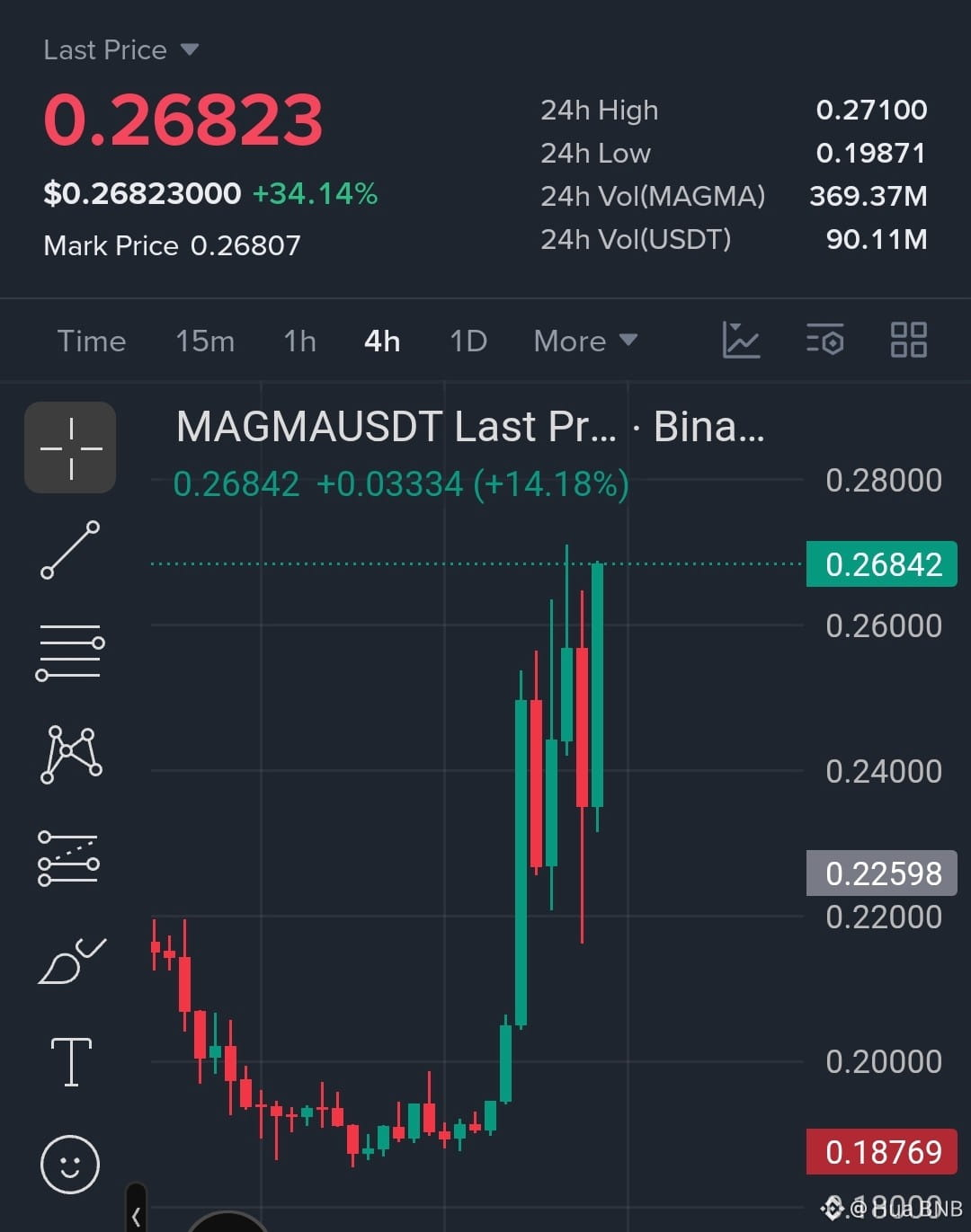
Guys I Am Going To Take a Long Trade On $MAGMA Now With 10x Leverage In My Futures...🔥🔥
My Entry Zone: $0.262 – $0.274
TP 1: $0.285
TP 2: $0.305
SL: $0.240
Click Below To Take Trade With Me...👇
{future}(MAGMAUSDT)
Setup Logic:
$0.262–$0.274 is the key entry zone for this long setup.
Holding above $0.262 keeps the bullish structure valid.
A clean breakout above $0.285 can open the way toward $0.305.
Risk Tip:
Don’t over leverage or revenge trade, please protect capital. Market will give us more opportunities, don’t worry.
Guys I Am Going To Take a Long Trade On $MAGMA Now With 10x Leverage In My Futures...🔥🔥
My Entry Zone: $0.262 – $0.274
TP 1: $0.285
TP 2: $0.305
SL: $0.240
Click Below To Take Trade With Me...👇
Setup Logic:
$0.262–$0.274 is the key entry zone for this long setup.
Holding above $0.262 keeps the bullish structure valid.
A clean breakout above $0.285 can open the way toward $0.305.
Risk Tip:
Don’t over leverage or revenge trade, please protect capital. Market will give us more opportunities, don’t worry.
My Entry Zone: $0.262 – $0.274
TP 1: $0.285
TP 2: $0.305
SL: $0.240
Click Below To Take Trade With Me...👇
Setup Logic:
$0.262–$0.274 is the key entry zone for this long setup.
Holding above $0.262 keeps the bullish structure valid.
A clean breakout above $0.285 can open the way toward $0.305.
Risk Tip:
Don’t over leverage or revenge trade, please protect capital. Market will give us more opportunities, don’t worry.
3
2.4k
·
--
Bullish
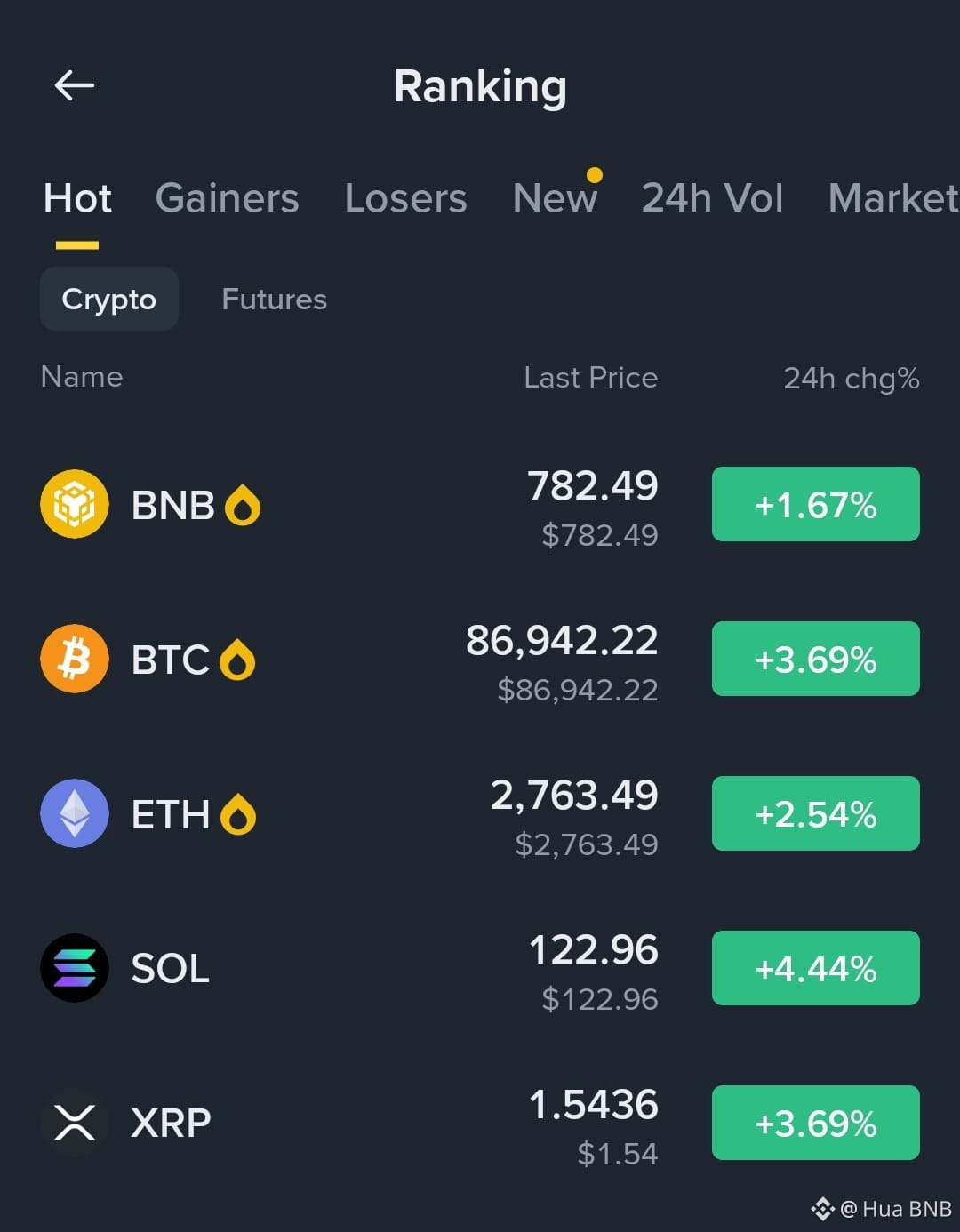
🚀 Top 5 Major Coins Pumping Hard!
🟢 $BNB : +1.67%
🟢 $BTC : +3.69%
🟢 $ETH : +2.54%
🟢 #SOL : +4.44%
🟢 #XRP : +3.69%
Crypto momentum is heating up as major coins push higher. BTC leads the move, while SOL shows the strongest gain among these five.
If These All Coins Hold It's Momentum Major Breakout Is Likely 🤝🚀
{future}(BTCUSDT)
{future}(ETHUSDT)
{future}(BNBUSDT)
🚀 Top 5 Major Coins Pumping Hard!
🟢 $BNB : +1.67%
🟢 $BTC : +3.69%
🟢 $ETH : +2.54%
🟢 #SOL : +4.44%
🟢 #XRP : +3.69%
Crypto momentum is heating up as major coins push higher. BTC leads the move, while SOL shows the strongest gain among these five.
If These All Coins Hold It's Momentum Major Breakout Is Likely 🤝🚀
🟢 $BNB : +1.67%
🟢 $BTC : +3.69%
🟢 $ETH : +2.54%
🟢 #SOL : +4.44%
🟢 #XRP : +3.69%
Crypto momentum is heating up as major coins push higher. BTC leads the move, while SOL shows the strongest gain among these five.
If These All Coins Hold It's Momentum Major Breakout Is Likely 🤝🚀
4
2.2k
·
--
Bullish
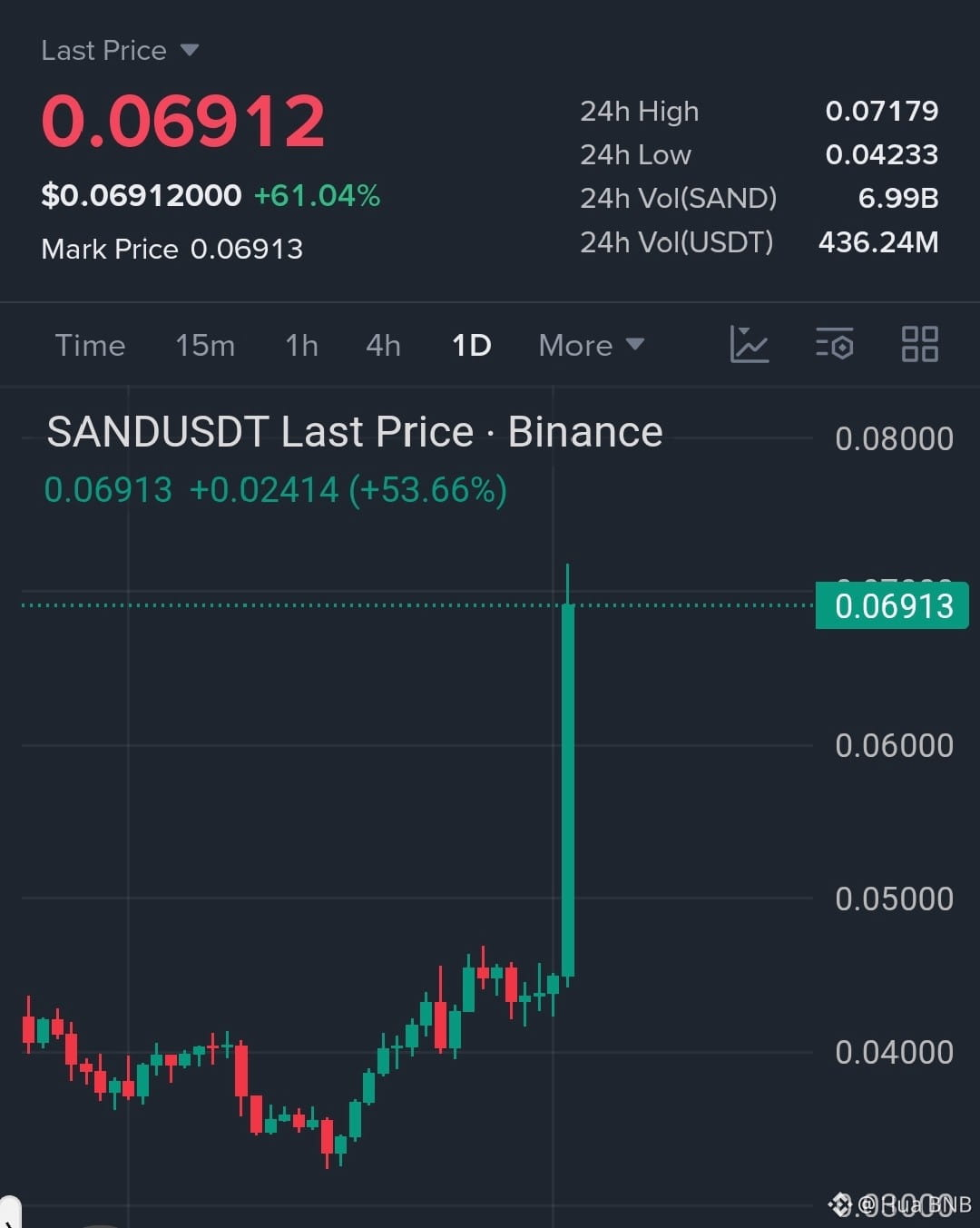
$SAND IS EXPLODING HIGHER BULLS ARE IN CONTROL 🚀
But guys don't chase this pump. This is not the time to blindly buy after such a massive move.
When a coin pumps this aggressively, a small rejection or pullback is usually possible before the next move. Instead of FOMO buying at the top, I’d rather wait for the price to cool down and give a better entry.
Let the market come to us.
Wait for the rejection → wait for the pullback → then look for confirmation.
Patience can give you a much better risk-to-reward entry than chasing green candles.
{future}(SANDUSDT)
$SAND IS EXPLODING HIGHER BULLS ARE IN CONTROL 🚀
But guys don't chase this pump. This is not the time to blindly buy after such a massive move.
When a coin pumps this aggressively, a small rejection or pullback is usually possible before the next move. Instead of FOMO buying at the top, I’d rather wait for the price to cool down and give a better entry.
Let the market come to us.
Wait for the rejection → wait for the pullback → then look for confirmation.
Patience can give you a much better risk-to-reward entry than chasing green candles.
But guys don't chase this pump. This is not the time to blindly buy after such a massive move.
When a coin pumps this aggressively, a small rejection or pullback is usually possible before the next move. Instead of FOMO buying at the top, I’d rather wait for the price to cool down and give a better entry.
Let the market come to us.
Wait for the rejection → wait for the pullback → then look for confirmation.
Patience can give you a much better risk-to-reward entry than chasing green candles.
2
6
2.5k
·
--
Bullish
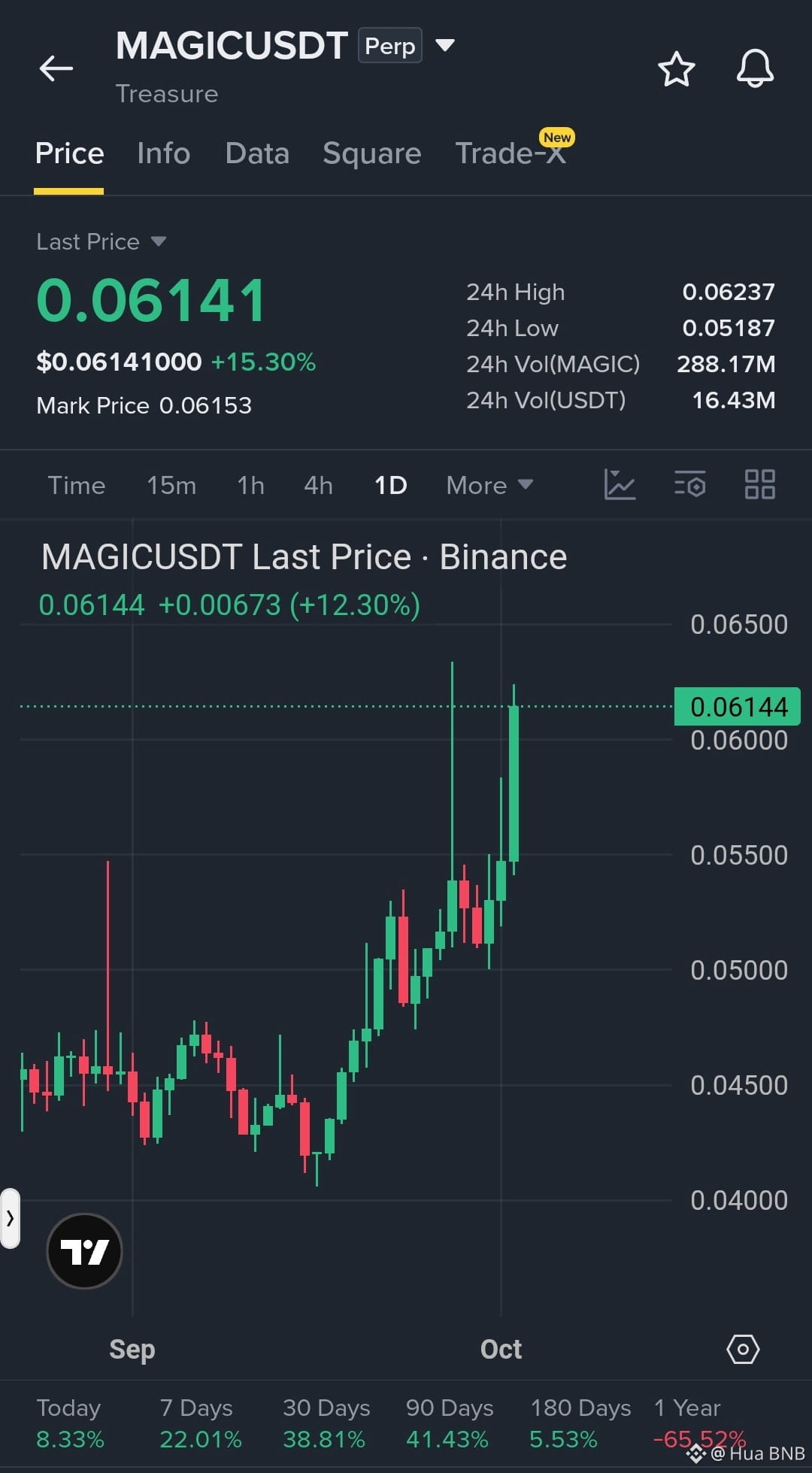
Guys I Am Going To Take a Long Trade On $MAGIC Now With 10x Leverage In My Futures...🔥🔥
My Entry Zone: $0.0600 – $0.0630
TP 1: $0.0660
TP 2: $0.0710
TP 3: $0.0780
SL: $0.0540
Click Below To Take Trade With Me ...👇
{future}(MAGICUSDT)
Setup Logic:
$0.0600–$0.0630 is the key entry zone for this long setup.
Holding above $0.0600 keeps the bullish structure valid.
A clean breakout above $0.0660 can open the way toward $0.0710 and $0.0780.
Strong momentum above $0.0780 could extend the move toward $0.0880.
Risk Management:
Don’t over leverage or revenge trade, please protect capital. Market will give us more opportunities, don’t worry.
Guys I Am Going To Take a Long Trade On $MAGIC Now With 10x Leverage In My Futures...🔥🔥
My Entry Zone: $0.0600 – $0.0630
TP 1: $0.0660
TP 2: $0.0710
TP 3: $0.0780
SL: $0.0540
Click Below To Take Trade With Me ...👇
Setup Logic:
$0.0600–$0.0630 is the key entry zone for this long setup.
Holding above $0.0600 keeps the bullish structure valid.
A clean breakout above $0.0660 can open the way toward $0.0710 and $0.0780.
Strong momentum above $0.0780 could extend the move toward $0.0880.
Risk Management:
Don’t over leverage or revenge trade, please protect capital. Market will give us more opportunities, don’t worry.
My Entry Zone: $0.0600 – $0.0630
TP 1: $0.0660
TP 2: $0.0710
TP 3: $0.0780
SL: $0.0540
Click Below To Take Trade With Me ...👇
Setup Logic:
$0.0600–$0.0630 is the key entry zone for this long setup.
Holding above $0.0600 keeps the bullish structure valid.
A clean breakout above $0.0660 can open the way toward $0.0710 and $0.0780.
Strong momentum above $0.0780 could extend the move toward $0.0880.
Risk Management:
Don’t over leverage or revenge trade, please protect capital. Market will give us more opportunities, don’t worry.
2
3
2.4k
·
--
Bullish
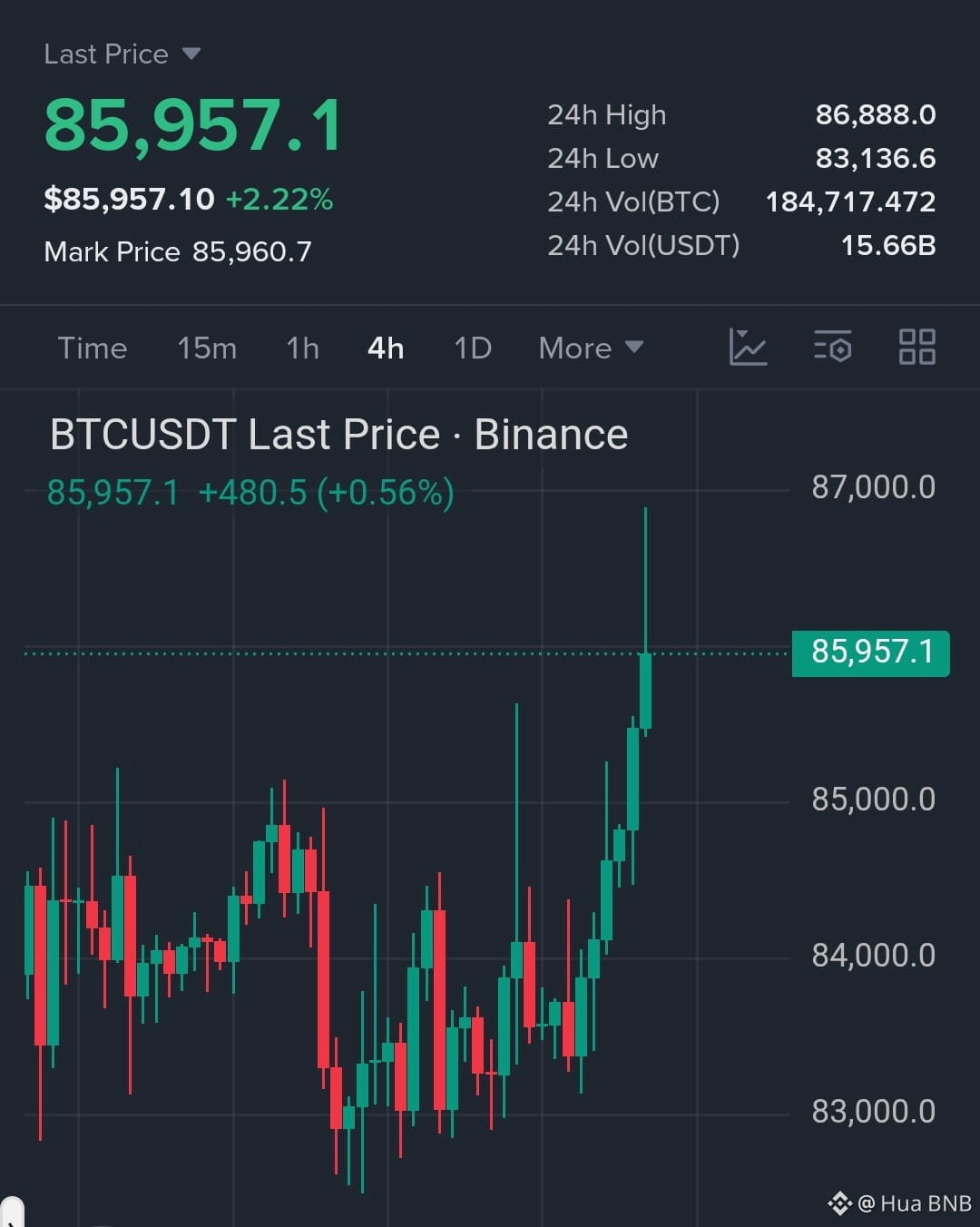
🚨 Guys, $BTC pushed strongly higher and tapped $86,880, But now price is starting to cool off and consolidate around the $86K area.
After such a sharp move, a short-term pullback or sideways consolidation wouldn’t be surprising. The key levels I’m watching are:
🔹 Resistance: $86,880 → $87K
🔹 Support: $85K → $84K
If BTC holds above $85K, buyers could attempt another push toward the recent high. But losing the $85K area could trigger a deeper pullback toward $84K–$83K.
For now, let’s see whether $BTC can turn $86K into support or needs to cool off a bit more.
NFA — Manage your risk.
{future}(BTCUSDT)
🚨 Guys, $BTC pushed strongly higher and tapped $86,880, But now price is starting to cool off and consolidate around the $86K area.
After such a sharp move, a short-term pullback or sideways consolidation wouldn’t be surprising. The key levels I’m watching are:
🔹 Resistance: $86,880 → $87K
🔹 Support: $85K → $84K
If BTC holds above $85K, buyers could attempt another push toward the recent high. But losing the $85K area could trigger a deeper pullback toward $84K–$83K.
For now, let’s see whether $BTC can turn $86K into support or needs to cool off a bit more.
NFA — Manage your risk.
After such a sharp move, a short-term pullback or sideways consolidation wouldn’t be surprising. The key levels I’m watching are:
🔹 Resistance: $86,880 → $87K
🔹 Support: $85K → $84K
If BTC holds above $85K, buyers could attempt another push toward the recent high. But losing the $85K area could trigger a deeper pullback toward $84K–$83K.
For now, let’s see whether $BTC can turn $86K into support or needs to cool off a bit more.
NFA — Manage your risk.
2
6
1.8k
Log in to explore more content
Join global crypto users on Binance Square
⚡️ Get latest and useful information about crypto.
💬 Trusted by the world’s largest crypto exchange.
👍 Discover real insights from verified creators.
Email / Phone number
Trending Topics
ZcashETFPostsFirstWeeklyOutflow$93.6M
49,664 views
146 Discussing
#ZcashETFPostsFirstWeeklyOutflow$93.6M
Zcash ETF’s first weekly outflow of $93.6 million signals weakening investor demand and possible profit-booking. This could put short-term pressure on ZEC’s price and hurt sentiment across privacy-focused cryptocurrencies. Traders should watch support levels and further fund flows before taking positions.
Eram Trading Lab
·1 Likes
·266 views
GreekPoliceBustCryptoScamRingArrest17
136,374 views
964 Discussing
BitcoinRejectedAt$87K
147,326 views
202 Discussing