
The backend is being bombarded by questions from new friends~
"What are Bitcoin and Ethereum anyway?"
"I want to try virtual currency investment, what should I do first?"
"Will registering on a platform lead to pitfalls? I'm so nervous!"
As a 'veteran' who has been navigating the Web3 field, I totally understand this feeling of 'wanting to get started but afraid of making mistakes'~ The virtual currency market is full of opportunities, but for beginners, 'understanding the rules before entering' is 100 times more important than 'blindly following trends'!
Today, let's clarify in the simplest terms: how should beginners safely and clearly take their first step?
First Understand: What exactly is cryptocurrency?
In simple terms, virtual currencies (like Bitcoin, Ethereum) are 'digital assets' based on blockchain technology. They are not issued by banks like paper money but are maintained through code and network nodes, featuring decentralization and traceability.
But these points must be remembered:
Not all 'digital currencies' are worth paying attention to! Mainstream coins (like Bitcoin, Ethereum) have more mature ecosystems and consensus, while niche coins may have extreme volatility or fraud risks;
Its price is influenced by multiple factors such as market sentiment, technological iterations, and regulatory policies, and volatility may far exceed that of stocks and funds, with 'high returns' often accompanied by 'high risks.'
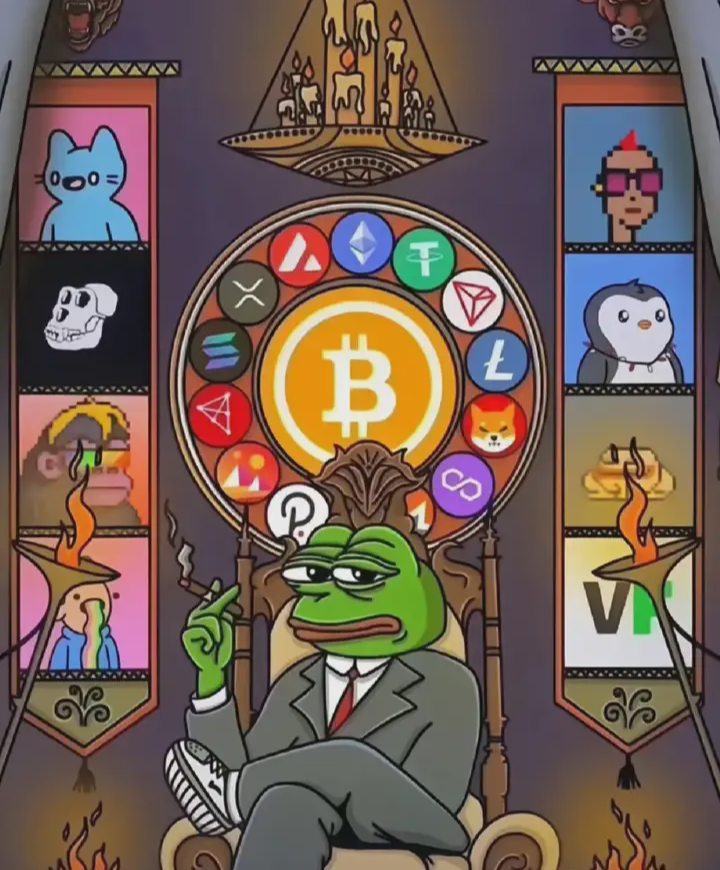
The cryptocurrency market's 'threshold can be high or low' for newcomers, depending on your goals, learning ability, and risk tolerance. Here is a detailed analysis:
1. Entry Threshold: Relatively Low
Registration is Simple: After registering an account on mainstream exchanges (such as Binance, OKX) and completing KYC, you can purchase Bitcoin, Ethereum, and other mainstream coins with fiat currency, similar to opening a stock account.
Low Capital Threshold: Many platforms support entry with 10 dollars or even less, and altcoin trading units can be subdivided to multiple decimal places.
Information Transparency: Basic knowledge (such as wallets, private keys, trading pairs) has a wealth of free tutorials online, and communities (such as Twitter, Discord, WeChat groups) are active.
2. Advanced Threshold: Relatively High
Technical Complexity:
Understanding Blockchain Basics: Concepts like public and private keys, smart contracts, Gas fees, and cross-chain transactions need to be learned.
Tool Usage: Cold wallets, decentralized exchanges, on-chain data analysis, operational thresholds are relatively high.
Information Overload and Noise:
The cryptocurrency market is severely fragmented with information, mixing true and false projects, making it easy for newcomers to be deceived or follow trends.
You need to learn to discern sources of information (such as project white papers, GitHub code updates, institutional holdings changes).
Diversity of Trading Strategies:
Spot, contract, leverage, liquidity mining, NFT speculation, and other complex gameplay options have significant differences in risk.
3. High-Risk Threshold: Psychological Preparation Needed
Extremely High Volatility: 24-hour continuous trading, ±20% daily price fluctuations are common, making newcomers prone to emotional trading.
Black Swan Events: Exchange collapses (such as FTX), project exits (such as the Luna collapse), policy crackdowns (such as China's exit), and other sudden risks.
Security Risks: Loss of private keys, phishing websites, and contract vulnerabilities (such as DeFi hacker attacks) can lead to asset zeroing.
Advice for Newcomers:
1. Start with Small Capital: Use funds that do not affect your life to experiment, avoiding an all-in approach.
2. Prioritize Mainstream Coins: Bitcoin (BTC), Ethereum (ETH), etc., have relatively small fluctuations, while altcoins carry extremely high risks.
3. Learn Basic Security Knowledge: Such as offline storage of private keys, enabling 2FA, and being wary of 'rug pull' projects.
4. Simulated Trading Practice: First use the exchange's simulation platform to familiarize yourself with leverage, contracts, and other complex operations.
5. Focus on Long-Term Logic: Avoid staring at short-term trends, understand blockchain technology trends (such as Layer2, RWA, inscriptions, etc.).
Summary:
Entering the cryptocurrency market is easy, but the 'profit threshold is extremely high.' It tests not only technical knowledge but also human nature (greed and fear). If you are willing to continue learning and can bear high risks, you can participate cautiously; otherwise, it is recommended to stay away or only invest in mainstream coins.


