
#marketimpact
marketimpact
1.2M views
2,299 Discussing
Hot
Latest

·
--
The United Kingdom Maritime Trade Operations Office (UKMTO) has just issued an urgent notice regarding an attack on a cargo ship in the Strait of Hormuz, caused by an unidentified airborne object. The incident comes amid continued heightened maritime security tensions in the Middle East, directly threatening the global oil shipping route that is vital to world trade.
The Strait of Hormuz is the world’s most important energy transportation chokepoint, where most of the crude oil exported from the Gulf region is transshipped. Any armed incident here could disrupt the supply chain, drive up maritime insurance premiums, and exert a sharp upward pressure on crude oil prices in the near term.
The negative impact of geopolitical risk is spreading rapidly to major financial markets. A surge in oil prices will raise concerns about inflation returning, pushing government bond yields higher and strengthening the US dollar as capital seeks safe-haven destinations, while also putting significant pressure on the stock market.
For the cryptocurrency market, a risk-off sentiment could cause speculative capital to temporarily withdraw from $BTC and other altcoins. If tensions escalate into a prolonged conflict, crypto’s short-term volatility will be extremely difficult to predict before capital finds its equilibrium again.
#Geopolitics #CrudeOil #MarketImpact
The United Kingdom Maritime Trade Operations Office (UKMTO) has just issued an urgent notice regarding an attack on a cargo ship in the Strait of Hormuz, caused by an unidentified airborne object. The incident comes amid continued heightened maritime security tensions in the Middle East, directly threatening the global oil shipping route that is vital to world trade.
The Strait of Hormuz is the world’s most important energy transportation chokepoint, where most of the crude oil exported from the Gulf region is transshipped. Any armed incident here could disrupt the supply chain, drive up maritime insurance premiums, and exert a sharp upward pressure on crude oil prices in the near term.
The negative impact of geopolitical risk is spreading rapidly to major financial markets. A surge in oil prices will raise concerns about inflation returning, pushing government bond yields higher and strengthening the US dollar as capital seeks safe-haven destinations, while also putting significant pressure on the stock market.
For the cryptocurrency market, a risk-off sentiment could cause speculative capital to temporarily withdraw from $BTC and other altcoins. If tensions escalate into a prolonged conflict, crypto’s short-term volatility will be extremely difficult to predict before capital finds its equilibrium again.
#Geopolitics #CrudeOil #MarketImpact
The Strait of Hormuz is the world’s most important energy transportation chokepoint, where most of the crude oil exported from the Gulf region is transshipped. Any armed incident here could disrupt the supply chain, drive up maritime insurance premiums, and exert a sharp upward pressure on crude oil prices in the near term.
The negative impact of geopolitical risk is spreading rapidly to major financial markets. A surge in oil prices will raise concerns about inflation returning, pushing government bond yields higher and strengthening the US dollar as capital seeks safe-haven destinations, while also putting significant pressure on the stock market.
For the cryptocurrency market, a risk-off sentiment could cause speculative capital to temporarily withdraw from $BTC and other altcoins. If tensions escalate into a prolonged conflict, crypto’s short-term volatility will be extremely difficult to predict before capital finds its equilibrium again.
#Geopolitics #CrudeOil #MarketImpact
4

·
--
Article
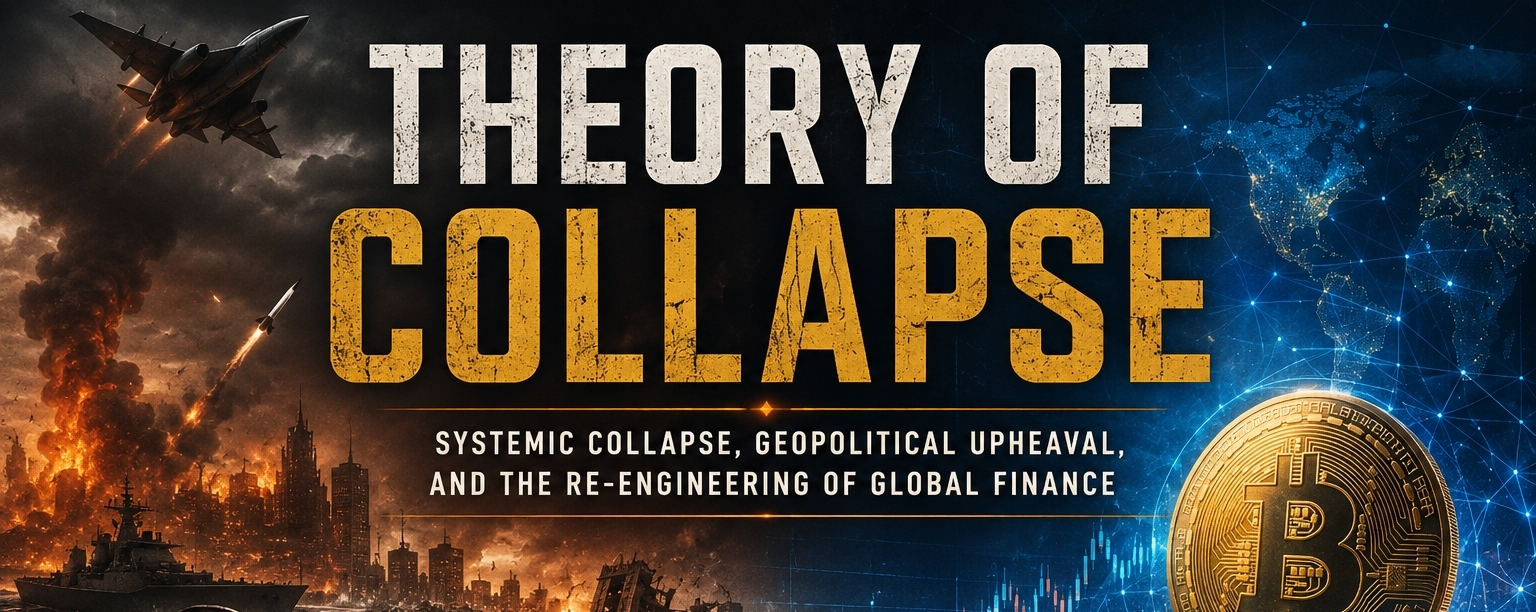
Theory of CollapseSystemic Collapse, Geopolitical Upheaval, and the Re-Engineering of Global Finance
Section 1: The Initial Liquidity Crunch and Systemic Shock
Immediate Panic and Severe Liquidity Contraction
A global systemic financial breakdown—whether induced by unchecked debt cycles or a sudden geopolitical trigger—forces cryptocurrency markets through a severe, multi-stage evolution. During the opening phase, digital assets behave primarily as high-beta risk-off vehicles rather than immediate safe havens.
As geopolitical tensions continue to intensify and the possibility of further escalation remains elevated, the probability of a severe liquidity event becomes increasingly relevant to global markets.
When legacy equity, bond, and real estate markets experience systemic panic, institutional and retail market participants face aggressive margin calls across traditional desks. To meet these fiat obligations, liquid assets are converted to cash first. This triggers rapid liquidations across centralized cryptocurrency platforms, resulting in sharp drawdown cascades across leveraged long positions.
Structural Bottlenecks and Fiat Gateways
Beyond market sentiment, severe geopolitical stress exposes physical and institutional execution friction:
Fiat Gateway Failures: If traditional interbank clearing networks, SWIFT connectivity, or regional banking rails fail, fiat-to-crypto exchanges struggle to process deposits and withdrawals. This disconnects centralized exchange order books from traditional fiat liquidity.Infrastructure Dependencies: While decentralized blockchains run on globally distributed consensus nodes, localized power-grid disruptions, submarine-cable cuts, or cloud-hosting outages can degrade network throughput. However, so long as consensus remains active across unimpacted regions, the underlying ledgers can maintain state integrity.
Section 2: The Evolving Landscape of the Global Financial System
The Emergence of Parallel State Systems
In a structural system reset, financial markets do not simply revert to pre-crisis mechanics. Instead, a multipolar infrastructure can emerge to replace single-fiat dominance:
CBDC Bridges and Multi-Ledger Networks: Sovereign state blocs are developing non-SWIFT payment rails, utilizing central-bank digital-currency platforms and cross-border settlement mechanisms to facilitate trade independently of traditional Western banking networks.Tokenized Real-World Assets (RWA): As confidence in traditional debt instruments deteriorates during systemic stress, global finance could increasingly prioritize programmable and collateralized liquidity. Blockchains may become settlement rails for tokenized gold, energy reserves, commodities, and other real-world assets. High-throughput networks capable of supporting institutional tokenization could gain structural utility, while purely speculative tokens could experience permanent capital losses.
Regionalization, Capital Controls, and Commodity Pegs
Geopolitical fracturing can break global liquidity pools into regionalized pockets. Sovereign states may enforce stricter capital controls to defend domestic monetary systems, forcing centralized exchanges to fragment into isolated regional hubs.
Consequently, global price arbitrage could become increasingly restricted, driving greater activity toward peer-to-peer markets and self-custody wallets for cross-border transferability.
If major fiat currencies experience severe debasement, traditional USD-pegged stablecoins could also face purchasing-power erosion. On-chain liquidity could consequently migrate toward commodity-backed digital assets, gold-indexed tokens, or native Bitcoin accounting units.
Section 3: Middle East Conflict and the Decline of the Petrodollar
Erosion of the Petrodollar Architecture
The Middle East functions as a primary component of global monetary mechanics because of its energy supplies and control over strategically important maritime chokepoints, including the Strait of Hormuz and the Red Sea.
If regional conflict continues to escalate, the historical petrodollar architecture could come under increasing structural pressure:
Bypassing Dollar Settlement: To reduce exposure to sanctions, shipping blockades, or geopolitical weaponization of financial infrastructure, major producers may increasingly explore alternative currencies, bilateral settlement arrangements, and digital settlement rails.Reduction of Debt Recycling: As Gulf producers divert energy revenues toward crisis management, infrastructure defense, or alternative domestic reserves, the structural recycling of capital into Western sovereign debt could diminish.
Energy Supply Shocks and the Federal Reserve Impasse
Physical blockades or attacks on energy logistics could trigger immediate supply contractions, driving crude prices significantly higher.
This creates a severe macroeconomic dilemma:
[Energy Supply Shock / Maritime Blockade]
│
▼
[Global Stagflation Pressures]
│
▼
┌───────────────────────────────────────────┐
│ Central banks face a difficult choice: │
│ raise rates and risk accelerating debt, │
│ or lower rates and worsen inflation/ │
│ currency debasement. │
└───────────────────────────────────────────┘
This stagflationary environment would severely constrain central-bank policy. As fiat purchasing power deteriorates under prolonged energy inflation, capital could begin transitioning away from fiat-denominated debt toward non-sovereign, hard-capped digital assets.
Crypto as an Energy Settlement Mechanism
When physical banking networks face international sanctions or operational freezes, energy exporters and trade desks require settlement mechanisms that are resistant to censorship and geographic restrictions.
Furthermore, energy producers with stranded oil or natural-gas reserves could potentially convert excess energy into Bitcoin mining operations, transforming otherwise stranded physical energy into globally transferable digital capital.
Section 4: Game Theory Analysis of Low-Yield Tactical Nuclear Employment
Strategic Framework and Escalation Mechanics
The nuclear dimension represents the most extreme stage of the escalation scenario.
There is growing discussion among geopolitical and military analysts about the possibility of conflicts crossing thresholds that were previously considered highly unlikely. At the same time, publicly available Pentagon strategic documents demonstrate that nuclear contingencies and escalation management remain active components of U.S. defense planning.
This does not establish that nuclear use is imminent. However, it demonstrates that nuclear escalation is not simply a theoretical concept absent from strategic planning.
The U.S. Department of Defense has publicly discussed nuclear employment scenarios involving extreme circumstances, including the management of escalation following a limited nuclear attack or a high-consequence strategic attack. The strategic framework therefore recognizes that once the nuclear threshold is crossed, conventional assumptions about escalation can change dramatically.
Under a low-yield tactical nuclear scenario, global asset pricing would undergo a nonlinear recalibration. Crossing the nuclear threshold would represent a historic break from the existing deterrence framework. Adversaries could shift from proportional-response models toward existential survival strategies.
Offensive First-Use in Iran: Asymmetric Retaliation Scenario
Within a hypothetical scenario involving a Western or Israeli low-yield strike against hardened facilities, the resulting response would not necessarily take the form of a direct nuclear exchange.
Instead, asymmetric economic and military responses could become the dominant mechanism. Potential channels could include:
Disruption of the Strait of HormuzAttacks against energy infrastructureMaritime interferenceCyber operations against financial infrastructureDisruption of institutional settlement networks
The purpose of this scenario is not to predict that any particular actor will take these actions, but to demonstrate how rapidly the global financial system could be affected if escalation crossed a critical threshold.
Phase 1: Immediate Dollar Liquidity Panic (0 to 72 Hours): Automated trading systems would likely execute global risk-off strategies. Sovereign and institutional capital could rush toward cash and short-term government securities, creating an acute dollar-liquidity shortage and temporarily depressing liquid risk assets, including Bitcoin and altcoins. This is an important distinction: even Bitcoin could initially fall sharply during an extreme liquidity crisis.Phase 2: Global Energy and Financial Dislocation (Weeks to Months): A major disruption to the Strait of Hormuz or other critical energy routes could produce an unprecedented energy shock. The resulting combination of higher oil prices, disrupted shipping, increased insurance costs, sanctions, and impaired clearing networks could create a global stagflationary environment. At this stage, the market would move beyond a normal risk-off event and into a potential restructuring of global financial flows.
Section 5: Structural Transformation of Digital Assets
Evolution of Crypto's Core Function
Following the acute shockwave of a systemic or geopolitical crisis, the cryptocurrency ecosystem could undergo a permanent structural shift.
Bifurcation of Assets
Purely speculative altcoins lacking utility, robust distribution, or strong fundamental demand could experience severe and potentially permanent liquidity losses. Capital would likely consolidate toward assets perceived as having the strongest network effects, liquidity, and monetary properties. Bitcoin would stand out as a neutral, permissionless, and hard-capped digital asset.
The Bitcoin Standard for Sovereign Settlement
In a world where SWIFT is increasingly weaponized, bank deposits are subject to capital controls, and traditional clearing facilities are compromised, decentralized blockchains could become increasingly relevant to cross-border settlement.
Bitcoin could potentially transition from a speculative portfolio asset into a form of neutral settlement infrastructure for corporate trade desks, private actors, and eventually sovereign entities. This would not necessarily mean the disappearance of traditional finance. Instead, it could mean that Bitcoin becomes an additional settlement layer operating outside the direct control of any single geopolitical bloc.
Dual-System Coexistence
Decentralized crypto would not necessarily operate independently of state-controlled financial systems. Instead, a dual-system architecture could emerge alongside CBDCs and tokenized commodity networks.
Sovereign digital currencies could handle domestic and bloc-specific economic activity, while Bitcoin could function as a neutral bridge layer between otherwise competing financial regions. This creates the possibility of a financial system where CBDCs, stablecoins, tokenized real-world assets, traditional banking infrastructure, and Bitcoin coexist rather than one completely replacing the others.
Section 6: Empirical Reference and Theoretical Data Grounding
Game Theory and Tactical Nuclear Escalation Models
Research from organizations such as CSIS and RAND has examined crisis escalation, nuclear deterrence, and strategic decision-making under extreme conditions.
Game-theoretic modeling demonstrates that once conventional deterrence thresholds are disrupted, states can transition toward asymmetric strategies, including maritime chokepoint interdiction and attacks against critical infrastructure. This reinforces the broader argument of this article: the economic consequences of geopolitical escalation can extend far beyond the battlefield.
Macroeconomic and Monetary Reserve Data
Long-term reserve data shows a gradual decline in the dollar's share of allocated global foreign-exchange reserves, while central banks have increased diversification into other currencies, gold, and alternative reserve assets.
At the same time, the Strait of Hormuz remains one of the world's most important energy chokepoints, making any prolonged disruption potentially significant for global inflation and monetary policy.
Blockchain Architecture and On-Chain Performance
Decentralized networks possess an important structural characteristic: they do not depend on a single institution or geographic location to maintain their ledgers.
As long as sufficient consensus infrastructure remains operational across unaffected regions, networks such as Bitcoin can continue processing transactions despite localized infrastructure disruptions. Furthermore, Bitcoin mining can provide a mechanism for converting stranded or otherwise difficult-to-monetize energy into globally transferable digital capital.
Conclusion: From Systemic Shock to Financial Re-Engineering
The world is moving into an increasingly fragmented geopolitical environment in which military conflict, energy security, monetary policy, sanctions, capital controls, and financial infrastructure are becoming increasingly interconnected.
If current tensions continue to escalate, the consequences may extend far beyond conventional financial-market volatility. The first phase of a major crisis would likely be destructive for crypto. Liquidity would disappear, leverage would unwind, and investors would prioritize cash. Bitcoin and other digital assets could experience severe initial drawdowns.
But the second phase could be fundamentally different.
If geopolitical fragmentation persists, traditional settlement networks become increasingly politicized, capital controls expand, and confidence in sovereign financial systems weakens, the demand for neutral and globally accessible financial infrastructure could increase substantially.
This is where Bitcoin's role becomes particularly important. The long-term question is therefore not simply whether Bitcoin rises or falls during a war. The more important question is:
What happens to the global financial system after the existing architecture has been fundamentally tested?
If the world moves toward regional financial blocs, alternative settlement systems, tokenized commodities, CBDCs, stablecoins, and increasingly fragmented capital markets, decentralized networks could become an important component of the next financial architecture.
In that scenario, Bitcoin may evolve beyond its current identity as a speculative asset and increasingly function as a neutral, borderless settlement and reserve layer connecting otherwise fragmented economic systems.
Ultimately, the theory of collapse is not necessarily a theory that everything disappears. It is a theory that the existing financial architecture can fracture—and that from that fracture, a fundamentally different financial system can emerge.
Disclaimer
This article is for informational and analytical purposes only and does not constitute financial, investment, trading, geopolitical, military, or security advice. The scenarios discussed, including severe geopolitical escalation and nuclear escalation, are hypothetical risk scenarios and should not be interpreted as predictions that a specific event will occur. References to military and defense planning are intended to provide strategic context and do not establish that nuclear use is imminent or inevitable. Cryptocurrency markets are highly volatile and can result in substantial or total loss of capital. Readers should conduct their own research, independently verify information, and consider their individual risk tolerance before making any investment decisions.
By A.S.Z
$BTC
#MarketImpact
#EvolutionContinues
#crypto
#Geopolitics
Theory of Collapse
Systemic Collapse, Geopolitical Upheaval, and the Re-Engineering of Global Finance
Section 1: The Initial Liquidity Crunch and Systemic Shock
Immediate Panic and Severe Liquidity Contraction
A global systemic financial breakdown—whether induced by unchecked debt cycles or a sudden geopolitical trigger—forces cryptocurrency markets through a severe, multi-stage evolution. During the opening phase, digital assets behave primarily as high-beta risk-off vehicles rather than immediate safe havens.
As geopolitical tensions continue to intensify and the possibility of further escalation remains elevated, the probability of a severe liquidity event becomes increasingly relevant to global markets.
When legacy equity, bond, and real estate markets experience systemic panic, institutional and retail market participants face aggressive margin calls across traditional desks. To meet these fiat obligations, liquid assets are converted to cash first. This triggers rapid liquidations across centralized cryptocurrency platforms, resulting in sharp drawdown cascades across leveraged long positions.
Structural Bottlenecks and Fiat Gateways
Beyond market sentiment, severe geopolitical stress exposes physical and institutional execution friction:
Fiat Gateway Failures: If traditional interbank clearing networks, SWIFT connectivity, or regional banking rails fail, fiat-to-crypto exchanges struggle to process deposits and withdrawals. This disconnects centralized exchange order books from traditional fiat liquidity.Infrastructure Dependencies: While decentralized blockchains run on globally distributed consensus nodes, localized power-grid disruptions, submarine-cable cuts, or cloud-hosting outages can degrade network throughput. However, so long as consensus remains active across unimpacted regions, the underlying ledgers can maintain state integrity.
Section 2: The Evolving Landscape of the Global Financial System
The Emergence of Parallel State Systems
In a structural system reset, financial markets do not simply revert to pre-crisis mechanics. Instead, a multipolar infrastructure can emerge to replace single-fiat dominance:
CBDC Bridges and Multi-Ledger Networks: Sovereign state blocs are developing non-SWIFT payment rails, utilizing central-bank digital-currency platforms and cross-border settlement mechanisms to facilitate trade independently of traditional Western banking networks.Tokenized Real-World Assets (RWA): As confidence in traditional debt instruments deteriorates during systemic stress, global finance could increasingly prioritize programmable and collateralized liquidity. Blockchains may become settlement rails for tokenized gold, energy reserves, commodities, and other real-world assets. High-throughput networks capable of supporting institutional tokenization could gain structural utility, while purely speculative tokens could experience permanent capital losses.
Regionalization, Capital Controls, and Commodity Pegs
Geopolitical fracturing can break global liquidity pools into regionalized pockets. Sovereign states may enforce stricter capital controls to defend domestic monetary systems, forcing centralized exchanges to fragment into isolated regional hubs.
Consequently, global price arbitrage could become increasingly restricted, driving greater activity toward peer-to-peer markets and self-custody wallets for cross-border transferability.
If major fiat currencies experience severe debasement, traditional USD-pegged stablecoins could also face purchasing-power erosion. On-chain liquidity could consequently migrate toward commodity-backed digital assets, gold-indexed tokens, or native Bitcoin accounting units.
Section 3: Middle East Conflict and the Decline of the Petrodollar
Erosion of the Petrodollar Architecture
The Middle East functions as a primary component of global monetary mechanics because of its energy supplies and control over strategically important maritime chokepoints, including the Strait of Hormuz and the Red Sea.
If regional conflict continues to escalate, the historical petrodollar architecture could come under increasing structural pressure:
Bypassing Dollar Settlement: To reduce exposure to sanctions, shipping blockades, or geopolitical weaponization of financial infrastructure, major producers may increasingly explore alternative currencies, bilateral settlement arrangements, and digital settlement rails.Reduction of Debt Recycling: As Gulf producers divert energy revenues toward crisis management, infrastructure defense, or alternative domestic reserves, the structural recycling of capital into Western sovereign debt could diminish.
Energy Supply Shocks and the Federal Reserve Impasse
Physical blockades or attacks on energy logistics could trigger immediate supply contractions, driving crude prices significantly higher.
This creates a severe macroeconomic dilemma:
[Energy Supply Shock / Maritime Blockade]
│
▼
[Global Stagflation Pressures]
│
▼
┌───────────────────────────────────────────┐
│ Central banks face a difficult choice: │
│ raise rates and risk accelerating debt, │
│ or lower rates and worsen inflation/ │
│ currency debasement. │
└───────────────────────────────────────────┘
This stagflationary environment would severely constrain central-bank policy. As fiat purchasing power deteriorates under prolonged energy inflation, capital could begin transitioning away from fiat-denominated debt toward non-sovereign, hard-capped digital assets.
Crypto as an Energy Settlement Mechanism
When physical banking networks face international sanctions or operational freezes, energy exporters and trade desks require settlement mechanisms that are resistant to censorship and geographic restrictions.
Furthermore, energy producers with stranded oil or natural-gas reserves could potentially convert excess energy into Bitcoin mining operations, transforming otherwise stranded physical energy into globally transferable digital capital.
Section 4: Game Theory Analysis of Low-Yield Tactical Nuclear Employment
Strategic Framework and Escalation Mechanics
The nuclear dimension represents the most extreme stage of the escalation scenario.
There is growing discussion among geopolitical and military analysts about the possibility of conflicts crossing thresholds that were previously considered highly unlikely. At the same time, publicly available Pentagon strategic documents demonstrate that nuclear contingencies and escalation management remain active components of U.S. defense planning.
This does not establish that nuclear use is imminent. However, it demonstrates that nuclear escalation is not simply a theoretical concept absent from strategic planning.
The U.S. Department of Defense has publicly discussed nuclear employment scenarios involving extreme circumstances, including the management of escalation following a limited nuclear attack or a high-consequence strategic attack. The strategic framework therefore recognizes that once the nuclear threshold is crossed, conventional assumptions about escalation can change dramatically.
Under a low-yield tactical nuclear scenario, global asset pricing would undergo a nonlinear recalibration. Crossing the nuclear threshold would represent a historic break from the existing deterrence framework. Adversaries could shift from proportional-response models toward existential survival strategies.
Offensive First-Use in Iran: Asymmetric Retaliation Scenario
Within a hypothetical scenario involving a Western or Israeli low-yield strike against hardened facilities, the resulting response would not necessarily take the form of a direct nuclear exchange.
Instead, asymmetric economic and military responses could become the dominant mechanism. Potential channels could include:
Disruption of the Strait of HormuzAttacks against energy infrastructureMaritime interferenceCyber operations against financial infrastructureDisruption of institutional settlement networks
The purpose of this scenario is not to predict that any particular actor will take these actions, but to demonstrate how rapidly the global financial system could be affected if escalation crossed a critical threshold.
Phase 1: Immediate Dollar Liquidity Panic (0 to 72 Hours): Automated trading systems would likely execute global risk-off strategies. Sovereign and institutional capital could rush toward cash and short-term government securities, creating an acute dollar-liquidity shortage and temporarily depressing liquid risk assets, including Bitcoin and altcoins. This is an important distinction: even Bitcoin could initially fall sharply during an extreme liquidity crisis.Phase 2: Global Energy and Financial Dislocation (Weeks to Months): A major disruption to the Strait of Hormuz or other critical energy routes could produce an unprecedented energy shock. The resulting combination of higher oil prices, disrupted shipping, increased insurance costs, sanctions, and impaired clearing networks could create a global stagflationary environment. At this stage, the market would move beyond a normal risk-off event and into a potential restructuring of global financial flows.
Section 5: Structural Transformation of Digital Assets
Evolution of Crypto's Core Function
Following the acute shockwave of a systemic or geopolitical crisis, the cryptocurrency ecosystem could undergo a permanent structural shift.
Bifurcation of Assets
Purely speculative altcoins lacking utility, robust distribution, or strong fundamental demand could experience severe and potentially permanent liquidity losses. Capital would likely consolidate toward assets perceived as having the strongest network effects, liquidity, and monetary properties. Bitcoin would stand out as a neutral, permissionless, and hard-capped digital asset.
The Bitcoin Standard for Sovereign Settlement
In a world where SWIFT is increasingly weaponized, bank deposits are subject to capital controls, and traditional clearing facilities are compromised, decentralized blockchains could become increasingly relevant to cross-border settlement.
Bitcoin could potentially transition from a speculative portfolio asset into a form of neutral settlement infrastructure for corporate trade desks, private actors, and eventually sovereign entities. This would not necessarily mean the disappearance of traditional finance. Instead, it could mean that Bitcoin becomes an additional settlement layer operating outside the direct control of any single geopolitical bloc.
Dual-System Coexistence
Decentralized crypto would not necessarily operate independently of state-controlled financial systems. Instead, a dual-system architecture could emerge alongside CBDCs and tokenized commodity networks.
Sovereign digital currencies could handle domestic and bloc-specific economic activity, while Bitcoin could function as a neutral bridge layer between otherwise competing financial regions. This creates the possibility of a financial system where CBDCs, stablecoins, tokenized real-world assets, traditional banking infrastructure, and Bitcoin coexist rather than one completely replacing the others.
Section 6: Empirical Reference and Theoretical Data Grounding
Game Theory and Tactical Nuclear Escalation Models
Research from organizations such as CSIS and RAND has examined crisis escalation, nuclear deterrence, and strategic decision-making under extreme conditions.
Game-theoretic modeling demonstrates that once conventional deterrence thresholds are disrupted, states can transition toward asymmetric strategies, including maritime chokepoint interdiction and attacks against critical infrastructure. This reinforces the broader argument of this article: the economic consequences of geopolitical escalation can extend far beyond the battlefield.
Macroeconomic and Monetary Reserve Data
Long-term reserve data shows a gradual decline in the dollar's share of allocated global foreign-exchange reserves, while central banks have increased diversification into other currencies, gold, and alternative reserve assets.
At the same time, the Strait of Hormuz remains one of the world's most important energy chokepoints, making any prolonged disruption potentially significant for global inflation and monetary policy.
Blockchain Architecture and On-Chain Performance
Decentralized networks possess an important structural characteristic: they do not depend on a single institution or geographic location to maintain their ledgers.
As long as sufficient consensus infrastructure remains operational across unaffected regions, networks such as Bitcoin can continue processing transactions despite localized infrastructure disruptions. Furthermore, Bitcoin mining can provide a mechanism for converting stranded or otherwise difficult-to-monetize energy into globally transferable digital capital.
Conclusion: From Systemic Shock to Financial Re-Engineering
The world is moving into an increasingly fragmented geopolitical environment in which military conflict, energy security, monetary policy, sanctions, capital controls, and financial infrastructure are becoming increasingly interconnected.
If current tensions continue to escalate, the consequences may extend far beyond conventional financial-market volatility. The first phase of a major crisis would likely be destructive for crypto. Liquidity would disappear, leverage would unwind, and investors would prioritize cash. Bitcoin and other digital assets could experience severe initial drawdowns.
But the second phase could be fundamentally different.
If geopolitical fragmentation persists, traditional settlement networks become increasingly politicized, capital controls expand, and confidence in sovereign financial systems weakens, the demand for neutral and globally accessible financial infrastructure could increase substantially.
This is where Bitcoin's role becomes particularly important. The long-term question is therefore not simply whether Bitcoin rises or falls during a war. The more important question is:
What happens to the global financial system after the existing architecture has been fundamentally tested?
If the world moves toward regional financial blocs, alternative settlement systems, tokenized commodities, CBDCs, stablecoins, and increasingly fragmented capital markets, decentralized networks could become an important component of the next financial architecture.
In that scenario, Bitcoin may evolve beyond its current identity as a speculative asset and increasingly function as a neutral, borderless settlement and reserve layer connecting otherwise fragmented economic systems.
Ultimately, the theory of collapse is not necessarily a theory that everything disappears. It is a theory that the existing financial architecture can fracture—and that from that fracture, a fundamentally different financial system can emerge.
Disclaimer
This article is for informational and analytical purposes only and does not constitute financial, investment, trading, geopolitical, military, or security advice. The scenarios discussed, including severe geopolitical escalation and nuclear escalation, are hypothetical risk scenarios and should not be interpreted as predictions that a specific event will occur. References to military and defense planning are intended to provide strategic context and do not establish that nuclear use is imminent or inevitable. Cryptocurrency markets are highly volatile and can result in substantial or total loss of capital. Readers should conduct their own research, independently verify information, and consider their individual risk tolerance before making any investment decisions.
By A.S.Z
$BTC
#MarketImpact
#EvolutionContinues
#crypto
#Geopolitics
Section 1: The Initial Liquidity Crunch and Systemic Shock
Immediate Panic and Severe Liquidity Contraction
A global systemic financial breakdown—whether induced by unchecked debt cycles or a sudden geopolitical trigger—forces cryptocurrency markets through a severe, multi-stage evolution. During the opening phase, digital assets behave primarily as high-beta risk-off vehicles rather than immediate safe havens.
As geopolitical tensions continue to intensify and the possibility of further escalation remains elevated, the probability of a severe liquidity event becomes increasingly relevant to global markets.
When legacy equity, bond, and real estate markets experience systemic panic, institutional and retail market participants face aggressive margin calls across traditional desks. To meet these fiat obligations, liquid assets are converted to cash first. This triggers rapid liquidations across centralized cryptocurrency platforms, resulting in sharp drawdown cascades across leveraged long positions.
Structural Bottlenecks and Fiat Gateways
Beyond market sentiment, severe geopolitical stress exposes physical and institutional execution friction:
Fiat Gateway Failures: If traditional interbank clearing networks, SWIFT connectivity, or regional banking rails fail, fiat-to-crypto exchanges struggle to process deposits and withdrawals. This disconnects centralized exchange order books from traditional fiat liquidity.Infrastructure Dependencies: While decentralized blockchains run on globally distributed consensus nodes, localized power-grid disruptions, submarine-cable cuts, or cloud-hosting outages can degrade network throughput. However, so long as consensus remains active across unimpacted regions, the underlying ledgers can maintain state integrity.
Section 2: The Evolving Landscape of the Global Financial System
The Emergence of Parallel State Systems
In a structural system reset, financial markets do not simply revert to pre-crisis mechanics. Instead, a multipolar infrastructure can emerge to replace single-fiat dominance:
CBDC Bridges and Multi-Ledger Networks: Sovereign state blocs are developing non-SWIFT payment rails, utilizing central-bank digital-currency platforms and cross-border settlement mechanisms to facilitate trade independently of traditional Western banking networks.Tokenized Real-World Assets (RWA): As confidence in traditional debt instruments deteriorates during systemic stress, global finance could increasingly prioritize programmable and collateralized liquidity. Blockchains may become settlement rails for tokenized gold, energy reserves, commodities, and other real-world assets. High-throughput networks capable of supporting institutional tokenization could gain structural utility, while purely speculative tokens could experience permanent capital losses.
Regionalization, Capital Controls, and Commodity Pegs
Geopolitical fracturing can break global liquidity pools into regionalized pockets. Sovereign states may enforce stricter capital controls to defend domestic monetary systems, forcing centralized exchanges to fragment into isolated regional hubs.
Consequently, global price arbitrage could become increasingly restricted, driving greater activity toward peer-to-peer markets and self-custody wallets for cross-border transferability.
If major fiat currencies experience severe debasement, traditional USD-pegged stablecoins could also face purchasing-power erosion. On-chain liquidity could consequently migrate toward commodity-backed digital assets, gold-indexed tokens, or native Bitcoin accounting units.
Section 3: Middle East Conflict and the Decline of the Petrodollar
Erosion of the Petrodollar Architecture
The Middle East functions as a primary component of global monetary mechanics because of its energy supplies and control over strategically important maritime chokepoints, including the Strait of Hormuz and the Red Sea.
If regional conflict continues to escalate, the historical petrodollar architecture could come under increasing structural pressure:
Bypassing Dollar Settlement: To reduce exposure to sanctions, shipping blockades, or geopolitical weaponization of financial infrastructure, major producers may increasingly explore alternative currencies, bilateral settlement arrangements, and digital settlement rails.Reduction of Debt Recycling: As Gulf producers divert energy revenues toward crisis management, infrastructure defense, or alternative domestic reserves, the structural recycling of capital into Western sovereign debt could diminish.
Energy Supply Shocks and the Federal Reserve Impasse
Physical blockades or attacks on energy logistics could trigger immediate supply contractions, driving crude prices significantly higher.
This creates a severe macroeconomic dilemma:
[Energy Supply Shock / Maritime Blockade]
│
▼
[Global Stagflation Pressures]
│
▼
┌───────────────────────────────────────────┐
│ Central banks face a difficult choice: │
│ raise rates and risk accelerating debt, │
│ or lower rates and worsen inflation/ │
│ currency debasement. │
└───────────────────────────────────────────┘
This stagflationary environment would severely constrain central-bank policy. As fiat purchasing power deteriorates under prolonged energy inflation, capital could begin transitioning away from fiat-denominated debt toward non-sovereign, hard-capped digital assets.
Crypto as an Energy Settlement Mechanism
When physical banking networks face international sanctions or operational freezes, energy exporters and trade desks require settlement mechanisms that are resistant to censorship and geographic restrictions.
Furthermore, energy producers with stranded oil or natural-gas reserves could potentially convert excess energy into Bitcoin mining operations, transforming otherwise stranded physical energy into globally transferable digital capital.
Section 4: Game Theory Analysis of Low-Yield Tactical Nuclear Employment
Strategic Framework and Escalation Mechanics
The nuclear dimension represents the most extreme stage of the escalation scenario.
There is growing discussion among geopolitical and military analysts about the possibility of conflicts crossing thresholds that were previously considered highly unlikely. At the same time, publicly available Pentagon strategic documents demonstrate that nuclear contingencies and escalation management remain active components of U.S. defense planning.
This does not establish that nuclear use is imminent. However, it demonstrates that nuclear escalation is not simply a theoretical concept absent from strategic planning.
The U.S. Department of Defense has publicly discussed nuclear employment scenarios involving extreme circumstances, including the management of escalation following a limited nuclear attack or a high-consequence strategic attack. The strategic framework therefore recognizes that once the nuclear threshold is crossed, conventional assumptions about escalation can change dramatically.
Under a low-yield tactical nuclear scenario, global asset pricing would undergo a nonlinear recalibration. Crossing the nuclear threshold would represent a historic break from the existing deterrence framework. Adversaries could shift from proportional-response models toward existential survival strategies.
Offensive First-Use in Iran: Asymmetric Retaliation Scenario
Within a hypothetical scenario involving a Western or Israeli low-yield strike against hardened facilities, the resulting response would not necessarily take the form of a direct nuclear exchange.
Instead, asymmetric economic and military responses could become the dominant mechanism. Potential channels could include:
Disruption of the Strait of HormuzAttacks against energy infrastructureMaritime interferenceCyber operations against financial infrastructureDisruption of institutional settlement networks
The purpose of this scenario is not to predict that any particular actor will take these actions, but to demonstrate how rapidly the global financial system could be affected if escalation crossed a critical threshold.
Phase 1: Immediate Dollar Liquidity Panic (0 to 72 Hours): Automated trading systems would likely execute global risk-off strategies. Sovereign and institutional capital could rush toward cash and short-term government securities, creating an acute dollar-liquidity shortage and temporarily depressing liquid risk assets, including Bitcoin and altcoins. This is an important distinction: even Bitcoin could initially fall sharply during an extreme liquidity crisis.Phase 2: Global Energy and Financial Dislocation (Weeks to Months): A major disruption to the Strait of Hormuz or other critical energy routes could produce an unprecedented energy shock. The resulting combination of higher oil prices, disrupted shipping, increased insurance costs, sanctions, and impaired clearing networks could create a global stagflationary environment. At this stage, the market would move beyond a normal risk-off event and into a potential restructuring of global financial flows.
Section 5: Structural Transformation of Digital Assets
Evolution of Crypto's Core Function
Following the acute shockwave of a systemic or geopolitical crisis, the cryptocurrency ecosystem could undergo a permanent structural shift.
Bifurcation of Assets
Purely speculative altcoins lacking utility, robust distribution, or strong fundamental demand could experience severe and potentially permanent liquidity losses. Capital would likely consolidate toward assets perceived as having the strongest network effects, liquidity, and monetary properties. Bitcoin would stand out as a neutral, permissionless, and hard-capped digital asset.
The Bitcoin Standard for Sovereign Settlement
In a world where SWIFT is increasingly weaponized, bank deposits are subject to capital controls, and traditional clearing facilities are compromised, decentralized blockchains could become increasingly relevant to cross-border settlement.
Bitcoin could potentially transition from a speculative portfolio asset into a form of neutral settlement infrastructure for corporate trade desks, private actors, and eventually sovereign entities. This would not necessarily mean the disappearance of traditional finance. Instead, it could mean that Bitcoin becomes an additional settlement layer operating outside the direct control of any single geopolitical bloc.
Dual-System Coexistence
Decentralized crypto would not necessarily operate independently of state-controlled financial systems. Instead, a dual-system architecture could emerge alongside CBDCs and tokenized commodity networks.
Sovereign digital currencies could handle domestic and bloc-specific economic activity, while Bitcoin could function as a neutral bridge layer between otherwise competing financial regions. This creates the possibility of a financial system where CBDCs, stablecoins, tokenized real-world assets, traditional banking infrastructure, and Bitcoin coexist rather than one completely replacing the others.
Section 6: Empirical Reference and Theoretical Data Grounding
Game Theory and Tactical Nuclear Escalation Models
Research from organizations such as CSIS and RAND has examined crisis escalation, nuclear deterrence, and strategic decision-making under extreme conditions.
Game-theoretic modeling demonstrates that once conventional deterrence thresholds are disrupted, states can transition toward asymmetric strategies, including maritime chokepoint interdiction and attacks against critical infrastructure. This reinforces the broader argument of this article: the economic consequences of geopolitical escalation can extend far beyond the battlefield.
Macroeconomic and Monetary Reserve Data
Long-term reserve data shows a gradual decline in the dollar's share of allocated global foreign-exchange reserves, while central banks have increased diversification into other currencies, gold, and alternative reserve assets.
At the same time, the Strait of Hormuz remains one of the world's most important energy chokepoints, making any prolonged disruption potentially significant for global inflation and monetary policy.
Blockchain Architecture and On-Chain Performance
Decentralized networks possess an important structural characteristic: they do not depend on a single institution or geographic location to maintain their ledgers.
As long as sufficient consensus infrastructure remains operational across unaffected regions, networks such as Bitcoin can continue processing transactions despite localized infrastructure disruptions. Furthermore, Bitcoin mining can provide a mechanism for converting stranded or otherwise difficult-to-monetize energy into globally transferable digital capital.
Conclusion: From Systemic Shock to Financial Re-Engineering
The world is moving into an increasingly fragmented geopolitical environment in which military conflict, energy security, monetary policy, sanctions, capital controls, and financial infrastructure are becoming increasingly interconnected.
If current tensions continue to escalate, the consequences may extend far beyond conventional financial-market volatility. The first phase of a major crisis would likely be destructive for crypto. Liquidity would disappear, leverage would unwind, and investors would prioritize cash. Bitcoin and other digital assets could experience severe initial drawdowns.
But the second phase could be fundamentally different.
If geopolitical fragmentation persists, traditional settlement networks become increasingly politicized, capital controls expand, and confidence in sovereign financial systems weakens, the demand for neutral and globally accessible financial infrastructure could increase substantially.
This is where Bitcoin's role becomes particularly important. The long-term question is therefore not simply whether Bitcoin rises or falls during a war. The more important question is:
What happens to the global financial system after the existing architecture has been fundamentally tested?
If the world moves toward regional financial blocs, alternative settlement systems, tokenized commodities, CBDCs, stablecoins, and increasingly fragmented capital markets, decentralized networks could become an important component of the next financial architecture.
In that scenario, Bitcoin may evolve beyond its current identity as a speculative asset and increasingly function as a neutral, borderless settlement and reserve layer connecting otherwise fragmented economic systems.
Ultimately, the theory of collapse is not necessarily a theory that everything disappears. It is a theory that the existing financial architecture can fracture—and that from that fracture, a fundamentally different financial system can emerge.
Disclaimer
This article is for informational and analytical purposes only and does not constitute financial, investment, trading, geopolitical, military, or security advice. The scenarios discussed, including severe geopolitical escalation and nuclear escalation, are hypothetical risk scenarios and should not be interpreted as predictions that a specific event will occur. References to military and defense planning are intended to provide strategic context and do not establish that nuclear use is imminent or inevitable. Cryptocurrency markets are highly volatile and can result in substantial or total loss of capital. Readers should conduct their own research, independently verify information, and consider their individual risk tolerance before making any investment decisions.
By A.S.Z
$BTC
#MarketImpact
#EvolutionContinues
#crypto
#Geopolitics
105

·
--
🔴 Bearish
🚨 Global Manufacturing PMIs Decline!
New data shows a synchronized dip in Purchasing Managers' Indices across major economies, signaling a potential slowdown in global growth.
📊 Market Impact: Risk-off sentiment likely to increase. Expect pressure on equities and crypto as investors rotate into safer assets.
#MacroEconomy #MarketImpact
🔴 Bearish
🚨 Global Manufacturing PMIs Decline!
New data shows a synchronized dip in Purchasing Managers' Indices across major economies, signaling a potential slowdown in global growth.
📊 Market Impact: Risk-off sentiment likely to increase. Expect pressure on equities and crypto as investors rotate into safer assets.
#MacroEconomy #MarketImpact
🚨 Global Manufacturing PMIs Decline!
New data shows a synchronized dip in Purchasing Managers' Indices across major economies, signaling a potential slowdown in global growth.
📊 Market Impact: Risk-off sentiment likely to increase. Expect pressure on equities and crypto as investors rotate into safer assets.
#MacroEconomy #MarketImpact
49


·
--
Verified
#BREAKING : 🚨 Escalation in the Middle East increases tension in global markets
The United States expanded its military offensive against Iran, completing a new round of targeted strikes at command centers, military infrastructure, and strategic capabilities. The move comes after the deaths of American service members, intensifying the cycle of retaliations between the two countries.
The market response was immediate. Brent crude returned to above the US$90 per barrel mark, reflecting the rise in geopolitical risk and concerns about possible impacts on the global energy supply.
For investors, moments like this often increase volatility across multiple assets. Oil, gold, and currencies considered safer may gain strength, while stock and cryptocurrency markets tend to react quickly to changes in the international landscape.
The focus now is on the next diplomatic and military developments. If the escalation continues, volatility may remain elevated in the coming days, requiring extra attention from those following financial markets.
📊 During periods of uncertainty, keeping up with events in real time and maintaining good risk management can make all the difference.
$BANK $ACE $TLM
#INNOVATION #US #OilMarket #MarketImpact
#BREAKING : 🚨 Escalation in the Middle East increases tension in global markets
The United States expanded its military offensive against Iran, completing a new round of targeted strikes at command centers, military infrastructure, and strategic capabilities. The move comes after the deaths of American service members, intensifying the cycle of retaliations between the two countries.
The market response was immediate. Brent crude returned to above the US$90 per barrel mark, reflecting the rise in geopolitical risk and concerns about possible impacts on the global energy supply.
For investors, moments like this often increase volatility across multiple assets. Oil, gold, and currencies considered safer may gain strength, while stock and cryptocurrency markets tend to react quickly to changes in the international landscape.
The focus now is on the next diplomatic and military developments. If the escalation continues, volatility may remain elevated in the coming days, requiring extra attention from those following financial markets.
📊 During periods of uncertainty, keeping up with events in real time and maintaining good risk management can make all the difference.
$BANK $ACE $TLM
#INNOVATION #US #OilMarket #MarketImpact
The United States expanded its military offensive against Iran, completing a new round of targeted strikes at command centers, military infrastructure, and strategic capabilities. The move comes after the deaths of American service members, intensifying the cycle of retaliations between the two countries.
The market response was immediate. Brent crude returned to above the US$90 per barrel mark, reflecting the rise in geopolitical risk and concerns about possible impacts on the global energy supply.
For investors, moments like this often increase volatility across multiple assets. Oil, gold, and currencies considered safer may gain strength, while stock and cryptocurrency markets tend to react quickly to changes in the international landscape.
The focus now is on the next diplomatic and military developments. If the escalation continues, volatility may remain elevated in the coming days, requiring extra attention from those following financial markets.
📊 During periods of uncertainty, keeping up with events in real time and maintaining good risk management can make all the difference.
$BANK $ACE $TLM
#INNOVATION #US #OilMarket #MarketImpact

2
1.3k

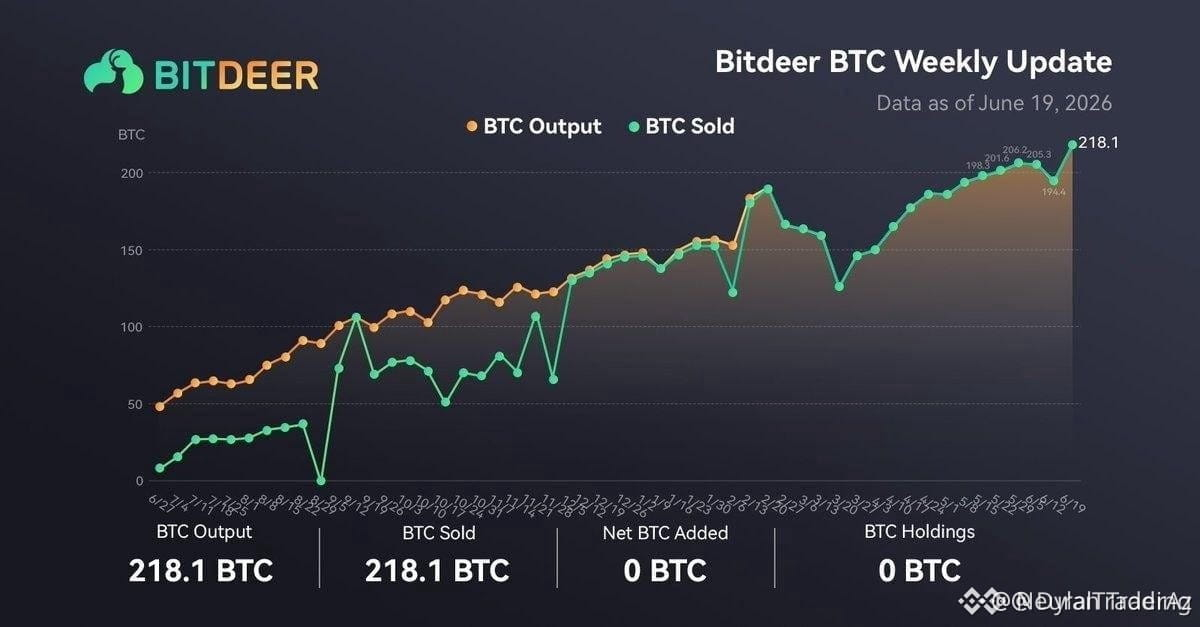
$BTC MARKET IMPACT ALERT: BITDEER DUMPS 3231 COINS 🚨
Entry: 46500 🔥
Target: 51000 🚀
Stop Loss: 44500 ⚠️
The market is bracing for a significant impact as Bitdeer's massive $BTC sell-off hits the Top-tier exchange, with volume surging right now and this window is narrowing fast, will this support hold or are we in for another leg down?
Not financial advice. Manage your risk.
#BTC #LongSetup #MarketImpact
⚡️
$BTC MARKET IMPACT ALERT: BITDEER DUMPS 3231 COINS 🚨
Entry: 46500 🔥
Target: 51000 🚀
Stop Loss: 44500 ⚠️
The market is bracing for a significant impact as Bitdeer's massive $BTC sell-off hits the Top-tier exchange, with volume surging right now and this window is narrowing fast, will this support hold or are we in for another leg down?
Not financial advice. Manage your risk.
#BTC #LongSetup #MarketImpact
⚡️
Entry: 46500 🔥
Target: 51000 🚀
Stop Loss: 44500 ⚠️
The market is bracing for a significant impact as Bitdeer's massive $BTC sell-off hits the Top-tier exchange, with volume surging right now and this window is narrowing fast, will this support hold or are we in for another leg down?
Not financial advice. Manage your risk.
#BTC #LongSetup #MarketImpact
⚡️
37
·
--
🎬 Paramount x Warner Bros.: the deal may be closer
The dispute over the acquisition of Warner Bros. Discovery by Paramount could gain a new chapter before the end of this weekend.
The two sides are negotiating with US states to try to unlock a deal of around US$110 billion. Among the conditions being discussed are independent monitoring of CNN content and commitments regarding the number of films released in theaters.
The market reacted quickly: Paramount shares rose nearly 7% in after-hours trading, while Warner Bros. Discovery advanced about 8.4%.
In my view, the most interesting point right now is the deadline. Paramount may face a charge of US$7 million per day starting in October if the deal continues to be delayed.
That is: every day of negotiation is getting more expensive. 👀
If an agreement is reached, the media sector could enter a new phase of consolidation — and the market will likely react before the deal is even finalized.
$AR $SYN $ZAMA
#US #MarketImpact #CryptoNews #Geopolitics #INNOVATION
🎬 Paramount x Warner Bros.: the deal may be closer
The dispute over the acquisition of Warner Bros. Discovery by Paramount could gain a new chapter before the end of this weekend.
The two sides are negotiating with US states to try to unlock a deal of around US$110 billion. Among the conditions being discussed are independent monitoring of CNN content and commitments regarding the number of films released in theaters.
The market reacted quickly: Paramount shares rose nearly 7% in after-hours trading, while Warner Bros. Discovery advanced about 8.4%.
In my view, the most interesting point right now is the deadline. Paramount may face a charge of US$7 million per day starting in October if the deal continues to be delayed.
That is: every day of negotiation is getting more expensive. 👀
If an agreement is reached, the media sector could enter a new phase of consolidation — and the market will likely react before the deal is even finalized.
$AR $SYN $ZAMA
#US #MarketImpact #CryptoNews #Geopolitics #INNOVATION
The dispute over the acquisition of Warner Bros. Discovery by Paramount could gain a new chapter before the end of this weekend.
The two sides are negotiating with US states to try to unlock a deal of around US$110 billion. Among the conditions being discussed are independent monitoring of CNN content and commitments regarding the number of films released in theaters.
The market reacted quickly: Paramount shares rose nearly 7% in after-hours trading, while Warner Bros. Discovery advanced about 8.4%.
In my view, the most interesting point right now is the deadline. Paramount may face a charge of US$7 million per day starting in October if the deal continues to be delayed.
That is: every day of negotiation is getting more expensive. 👀
If an agreement is reached, the media sector could enter a new phase of consolidation — and the market will likely react before the deal is even finalized.
$AR $SYN $ZAMA
#US #MarketImpact #CryptoNews #Geopolitics #INNOVATION

WBDUS+11.02%
1
479

·
--

Article
THAILAND SEC SLAMS $151K DAILY STABLECOIN CAP—WHAT THIS MEANS FOR YOUTHAILAND SEC SLAMS $151K DAILY STABLECOIN CAP—WHAT THIS MEANS FOR YOU
STOP! The Thai regulators just set a $151,000 daily cap on private wallet stablecoin transfers, and the ripple effect is already hitting the market. In a bold move that nobody saw coming, the SEC’s proposal could crush liquidity for the most popular stablecoins, forcing traders to rethink their strategies.
The proof is simple: the cap applies to every private wallet transaction, meaning that even the biggest players will hit a ceiling in a single day. The SEC’s comments are due Sept. 25, so the clock is ticking. #CryptoRegulation #Stablecoins #MarketImpact
What this means for the market is huge. If the cap is enacted, liquidity could dry up, slashing the ability to move large sums quickly. This could trigger a historic sell‑off in $USDT, $USDC, and other stablecoins, sending ripple effects through the entire crypto ecosystem. The flood of capital that once flowed freely is now under a hard stop, and traders are scrambling to adjust.
Don’t let this flood catch you off guard. Get ahead of the curve—monitor your stablecoin balances, diversify your holdings, and stay tuned for the SEC’s final decision. Are you ready to adapt before the next wave hits?
THAILAND SEC SLAMS $151K DAILY STABLECOIN CAP—WHAT THIS MEANS FOR YOU
THAILAND SEC SLAMS $151K DAILY STABLECOIN CAP—WHAT THIS MEANS FOR YOU
STOP! The Thai regulators just set a $151,000 daily cap on private wallet stablecoin transfers, and the ripple effect is already hitting the market. In a bold move that nobody saw coming, the SEC’s proposal could crush liquidity for the most popular stablecoins, forcing traders to rethink their strategies.
The proof is simple: the cap applies to every private wallet transaction, meaning that even the biggest players will hit a ceiling in a single day. The SEC’s comments are due Sept. 25, so the clock is ticking. #CryptoRegulation #Stablecoins #MarketImpact
What this means for the market is huge. If the cap is enacted, liquidity could dry up, slashing the ability to move large sums quickly. This could trigger a historic sell‑off in $USDT, $USDC , and other stablecoins, sending ripple effects through the entire crypto ecosystem. The flood of capital that once flowed freely is now under a hard stop, and traders are scrambling to adjust.
Don’t let this flood catch you off guard. Get ahead of the curve—monitor your stablecoin balances, diversify your holdings, and stay tuned for the SEC’s final decision. Are you ready to adapt before the next wave hits?
STOP! The Thai regulators just set a $151,000 daily cap on private wallet stablecoin transfers, and the ripple effect is already hitting the market. In a bold move that nobody saw coming, the SEC’s proposal could crush liquidity for the most popular stablecoins, forcing traders to rethink their strategies.
The proof is simple: the cap applies to every private wallet transaction, meaning that even the biggest players will hit a ceiling in a single day. The SEC’s comments are due Sept. 25, so the clock is ticking. #CryptoRegulation #Stablecoins #MarketImpact
What this means for the market is huge. If the cap is enacted, liquidity could dry up, slashing the ability to move large sums quickly. This could trigger a historic sell‑off in $USDT, $USDC , and other stablecoins, sending ripple effects through the entire crypto ecosystem. The flood of capital that once flowed freely is now under a hard stop, and traders are scrambling to adjust.
Don’t let this flood catch you off guard. Get ahead of the curve—monitor your stablecoin balances, diversify your holdings, and stay tuned for the SEC’s final decision. Are you ready to adapt before the next wave hits?
27

·
--

Article
Kalshi’s 60‑Perp Rollout Could Trigger $2.3B in Liquidations in 4 HoursKalshi’s announcement of 60 stock and ETF perpetual futures—spanning Tesla, Apple, Nvidia, and more—has already sent shockwaves through the derivatives market, with on‑chain data showing a potential $2.3 billion in liquidations within the first four hours of trading.
The move comes as regulators wrestle with how to classify equity‑linked perps, and the sheer scale of the new contracts signals that institutional capital is ready to bet on the next wave of volatility.
Smart money is already positioning: hedge funds are loading up on the new Tesla and Nvidia perps, while retail traders are flocking to the Apple and SPY contracts, creating a liquidity pool that could drive the price of these perps to new highs. #Kalshi #EquityPerps #CryptoDerivatives
The first catalyst will be the 1:1 margin requirement set for all new perps, which forces traders to maintain a 100 % collateral ratio. If volatility spikes beyond 10 %, we expect a cascade of liquidations that could push the underlying indices to a 15 % swing. #MarketImpact
Will the regulatory push back against Kalshi’s 24/7 model, or will it set a new standard for perpetual futures in the U.S.?
Kalshi’s 60‑Perp Rollout Could Trigger $2.3B in Liquidations in 4 Hours
Kalshi’s announcement of 60 stock and ETF perpetual futures—spanning Tesla, Apple, Nvidia, and more—has already sent shockwaves through the derivatives market, with on‑chain data showing a potential $2.3 billion in liquidations within the first four hours of trading.
The move comes as regulators wrestle with how to classify equity‑linked perps, and the sheer scale of the new contracts signals that institutional capital is ready to bet on the next wave of volatility.
Smart money is already positioning: hedge funds are loading up on the new Tesla and Nvidia perps, while retail traders are flocking to the Apple and SPY contracts, creating a liquidity pool that could drive the price of these perps to new highs. #Kalshi #EquityPerps #CryptoDerivatives
The first catalyst will be the 1:1 margin requirement set for all new perps, which forces traders to maintain a 100 % collateral ratio. If volatility spikes beyond 10 %, we expect a cascade of liquidations that could push the underlying indices to a 15 % swing. #MarketImpact
Will the regulatory push back against Kalshi’s 24/7 model, or will it set a new standard for perpetual futures in the U.S.?
The move comes as regulators wrestle with how to classify equity‑linked perps, and the sheer scale of the new contracts signals that institutional capital is ready to bet on the next wave of volatility.
Smart money is already positioning: hedge funds are loading up on the new Tesla and Nvidia perps, while retail traders are flocking to the Apple and SPY contracts, creating a liquidity pool that could drive the price of these perps to new highs. #Kalshi #EquityPerps #CryptoDerivatives
The first catalyst will be the 1:1 margin requirement set for all new perps, which forces traders to maintain a 100 % collateral ratio. If volatility spikes beyond 10 %, we expect a cascade of liquidations that could push the underlying indices to a 15 % swing. #MarketImpact
Will the regulatory push back against Kalshi’s 24/7 model, or will it set a new standard for perpetual futures in the U.S.?
66

·
--
Stablecoin demand is slipping, and the ripple reaches beyond the obvious. Bloomberg notes a slowdown that could choke the U.S. Treasury’s plan to use stablecoins for debt sales. With less liquidity flowing into $USDC, $USDT and peers, large institutional wallets may hold back on converting fiat into crypto, tightening the bridge that has been a key driver for on‑ramp volumes.
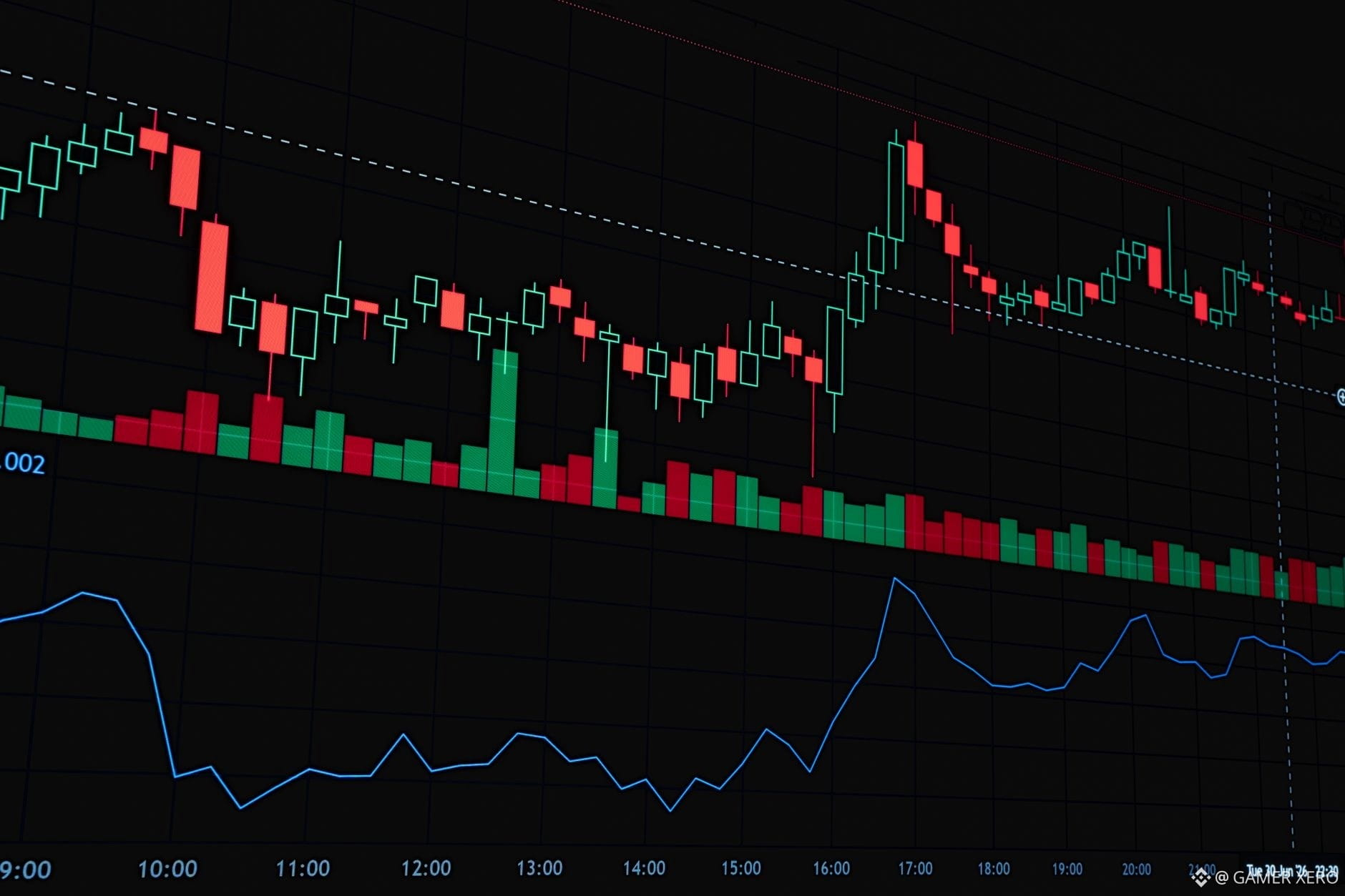
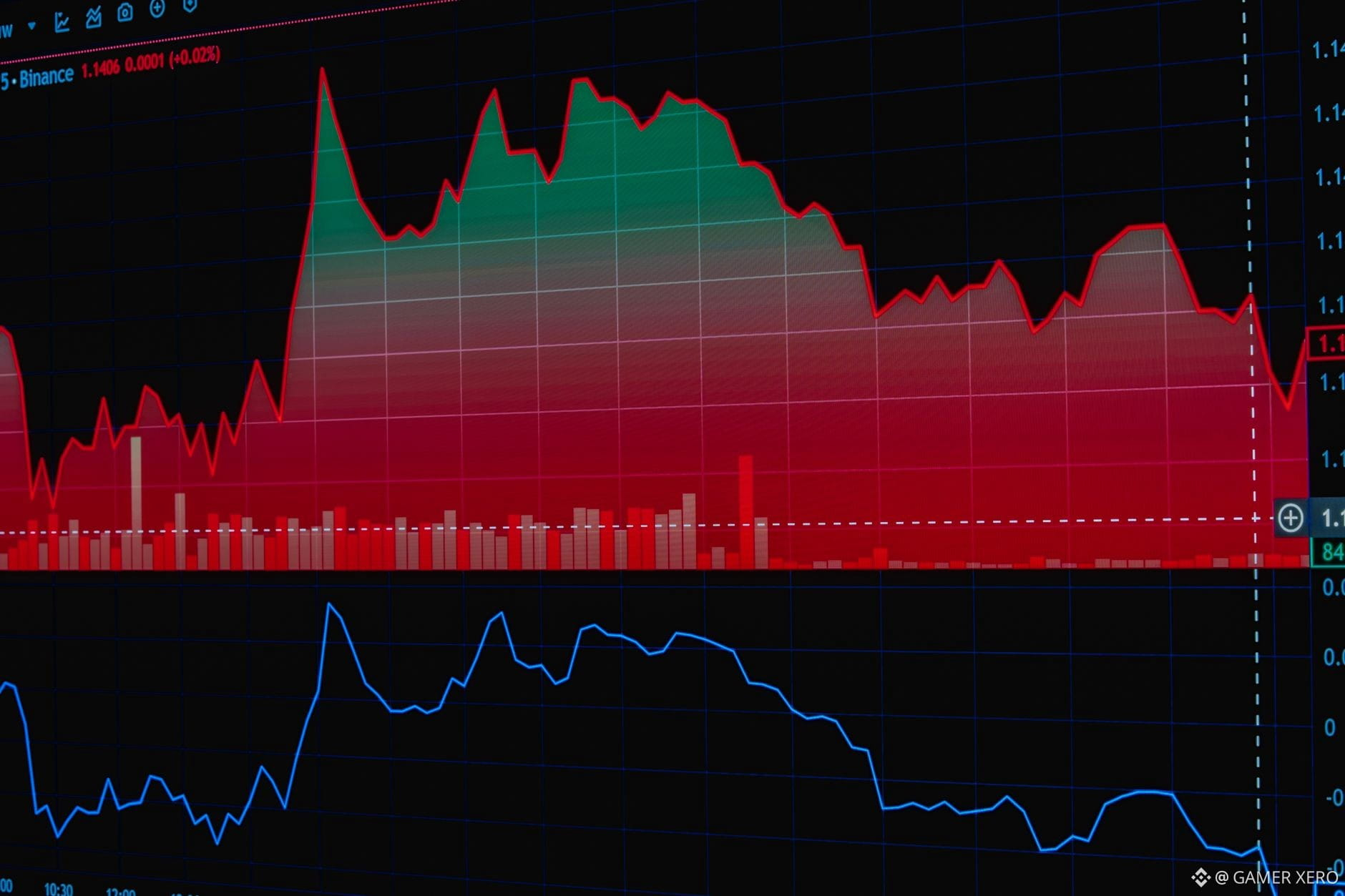
For traders on Binance, the effect shows up in tighter order‑book depth and slightly wider spreads on major pairs. BTC is currently trading at $79,094, down 1.57 % over 24 hours, while ETH sits at $2,489, a 1.01 % dip. Both pairs have seen reduced buying pressure, which can make stop‑loss hunts more erratic and limit‑order fills slower.
Do you think the Treasury will adjust its strategy, or will the market find alternative stablecoin sources to keep the flow going?
#CryptoNews #Stablecoins #MarketImpact #GAMERXERO
Stablecoin demand is slipping, and the ripple reaches beyond the obvious. Bloomberg notes a slowdown that could choke the U.S. Treasury’s plan to use stablecoins for debt sales. With less liquidity flowing into $USDC , $USDT and peers, large institutional wallets may hold back on converting fiat into crypto, tightening the bridge that has been a key driver for on‑ramp volumes.
For traders on Binance, the effect shows up in tighter order‑book depth and slightly wider spreads on major pairs. BTC is currently trading at $79,094, down 1.57 % over 24 hours, while ETH sits at $2,489, a 1.01 % dip. Both pairs have seen reduced buying pressure, which can make stop‑loss hunts more erratic and limit‑order fills slower.
Do you think the Treasury will adjust its strategy, or will the market find alternative stablecoin sources to keep the flow going?
#CryptoNews #Stablecoins #MarketImpact #GAMERXERO
For traders on Binance, the effect shows up in tighter order‑book depth and slightly wider spreads on major pairs. BTC is currently trading at $79,094, down 1.57 % over 24 hours, while ETH sits at $2,489, a 1.01 % dip. Both pairs have seen reduced buying pressure, which can make stop‑loss hunts more erratic and limit‑order fills slower.
Do you think the Treasury will adjust its strategy, or will the market find alternative stablecoin sources to keep the flow going?
#CryptoNews #Stablecoins #MarketImpact #GAMERXERO
90

·
--
🚨 Reminder:
🇺🇸 The ADP employment report has just been officially published.
📊 Expectations: 47,000
📉 Actual: 38,000
LESS JOBS THAN EXPECTED = MORE PRESSURE FOR THE Fed TO CUT RATES.
🔥 Good news for the markets.
ALL EYES NOW ON THE NEXT MACRO DATA RELEASES.
#USAugADPJobsSmallestGainSinceJan
#MarketImpact #MarketMeltdown
🚨 Reminder:
🇺🇸 The ADP employment report has just been officially published.
📊 Expectations: 47,000
📉 Actual: 38,000
LESS JOBS THAN EXPECTED = MORE PRESSURE FOR THE Fed TO CUT RATES.
🔥 Good news for the markets.
ALL EYES NOW ON THE NEXT MACRO DATA RELEASES.
#USAugADPJobsSmallestGainSinceJan
#MarketImpact #MarketMeltdown
🇺🇸 The ADP employment report has just been officially published.
📊 Expectations: 47,000
📉 Actual: 38,000
LESS JOBS THAN EXPECTED = MORE PRESSURE FOR THE Fed TO CUT RATES.
🔥 Good news for the markets.
ALL EYES NOW ON THE NEXT MACRO DATA RELEASES.
#USAugADPJobsSmallestGainSinceJan
#MarketImpact #MarketMeltdown
209
·
--
🔴 Bearish
🚨 Global Economy in Crosscurrents of War and Technology 🌎
IMF's July 2026 outlook projects slower global growth and rising inflation, partly due to ongoing geopolitical tensions and the Middle East conflict. This macro backdrop creates headwinds for risk assets like crypto.
📊 Market Impact: Expect continued volatility and cautious sentiment. Capital may rotate out of riskier assets, emphasizing the need for robust risk management.
#MacroEconomy #MarketImpact
🔴 Bearish
🚨 Global Economy in Crosscurrents of War and Technology 🌎
IMF's July 2026 outlook projects slower global growth and rising inflation, partly due to ongoing geopolitical tensions and the Middle East conflict. This macro backdrop creates headwinds for risk assets like crypto.
📊 Market Impact: Expect continued volatility and cautious sentiment. Capital may rotate out of riskier assets, emphasizing the need for robust risk management.
#MacroEconomy #MarketImpact
🚨 Global Economy in Crosscurrents of War and Technology 🌎
IMF's July 2026 outlook projects slower global growth and rising inflation, partly due to ongoing geopolitical tensions and the Middle East conflict. This macro backdrop creates headwinds for risk assets like crypto.
📊 Market Impact: Expect continued volatility and cautious sentiment. Capital may rotate out of riskier assets, emphasizing the need for robust risk management.
#MacroEconomy #MarketImpact
15

·
--
$STABLE $VVV $UNI
Breaking News: EU to impose new tariffs on Chinese EV imports by July 4th, escalating trade tensions. This move risks retaliatory measures from Beijing, potentially impacting global supply chains and investor sentiment across crypto and traditional markets. 🚨📉
#TradeWars #Geopolitics #MarketImpact
$STABLE $VVV $UNI
Breaking News: EU to impose new tariffs on Chinese EV imports by July 4th, escalating trade tensions. This move risks retaliatory measures from Beijing, potentially impacting global supply chains and investor sentiment across crypto and traditional markets. 🚨📉
#TradeWars #Geopolitics #MarketImpact
Breaking News: EU to impose new tariffs on Chinese EV imports by July 4th, escalating trade tensions. This move risks retaliatory measures from Beijing, potentially impacting global supply chains and investor sentiment across crypto and traditional markets. 🚨📉
#TradeWars #Geopolitics #MarketImpact

105

·
--
📢 **SEC Unveils Ambitious Crypto Regulatory Agenda for 2026: A Game Changer?**
Big news out of Washington! The U.S. Securities and Exchange Commission (SEC) has laid out its comprehensive regulatory agenda for 2026, placing cryptocurrency at the forefront. The agency aims to clarify rules around digital asset custody, tokenized securities, and capital raising activities. This signals a potential shift from its previous "regulation by enforcement" approach to establishing a more defined framework.
This development is crucial because it could finally provide the much-needed regulatory clarity that the crypto industry has been demanding. A predictable environment can foster innovation, attract greater institutional investment, and potentially reduce market uncertainty. For projects dealing with tokenized assets and those seeking to raise capital via digital offerings, these clearer guidelines are paramount.
The market impact could be significant. While immediate price movements for assets like $BTC and $ETH might react to broader macroeconomic factors, a clear regulatory path could boost long-term confidence. It may lead to a more stable landscape, encouraging traditional finance players to deepen their involvement and potentially benefiting a wide range of cryptocurrencies, especially those striving for compliance.
What are your thoughts on this regulatory push?
#CryptoRegulation #SECAgenda #DigitalAssets #MarketImpact
📢 **SEC Unveils Ambitious Crypto Regulatory Agenda for 2026: A Game Changer?**
Big news out of Washington! The U.S. Securities and Exchange Commission (SEC) has laid out its comprehensive regulatory agenda for 2026, placing cryptocurrency at the forefront. The agency aims to clarify rules around digital asset custody, tokenized securities, and capital raising activities. This signals a potential shift from its previous "regulation by enforcement" approach to establishing a more defined framework.
This development is crucial because it could finally provide the much-needed regulatory clarity that the crypto industry has been demanding. A predictable environment can foster innovation, attract greater institutional investment, and potentially reduce market uncertainty. For projects dealing with tokenized assets and those seeking to raise capital via digital offerings, these clearer guidelines are paramount.
The market impact could be significant. While immediate price movements for assets like $BTC and $ETH might react to broader macroeconomic factors, a clear regulatory path could boost long-term confidence. It may lead to a more stable landscape, encouraging traditional finance players to deepen their involvement and potentially benefiting a wide range of cryptocurrencies, especially those striving for compliance.
What are your thoughts on this regulatory push?
#CryptoRegulation #SECAgenda #DigitalAssets #MarketImpact
Big news out of Washington! The U.S. Securities and Exchange Commission (SEC) has laid out its comprehensive regulatory agenda for 2026, placing cryptocurrency at the forefront. The agency aims to clarify rules around digital asset custody, tokenized securities, and capital raising activities. This signals a potential shift from its previous "regulation by enforcement" approach to establishing a more defined framework.
This development is crucial because it could finally provide the much-needed regulatory clarity that the crypto industry has been demanding. A predictable environment can foster innovation, attract greater institutional investment, and potentially reduce market uncertainty. For projects dealing with tokenized assets and those seeking to raise capital via digital offerings, these clearer guidelines are paramount.
The market impact could be significant. While immediate price movements for assets like $BTC and $ETH might react to broader macroeconomic factors, a clear regulatory path could boost long-term confidence. It may lead to a more stable landscape, encouraging traditional finance players to deepen their involvement and potentially benefiting a wide range of cryptocurrencies, especially those striving for compliance.
What are your thoughts on this regulatory push?
#CryptoRegulation #SECAgenda #DigitalAssets #MarketImpact
41

·
--
#USJulyCPI&PPIDueThisWeek
US CPI & PPI Incoming: The Ultimate Volatility Catalyst?
The macro clock is ticking! With July's Consumer Price Index (CPI) and Producer Price Index (PPI) dropping this week, global markets are bracing for a massive shift.
All eyes are on whether inflation continues to cool down or delivers a hot surprise.
• Cooler Data = Rate cut hopes soar 🚀, stocks & crypto pump!
• Hotter Data = Fed stays hawkish 🦅, liquidity tightens, yields spike!
Traders, risk management is key right now 🛡️. Expect heavy chop, liquidity hunts, and sharp moves across Forex, Equities, and Crypto.
Are you Bullish or Bearish heading into print day?
$VELVET $CAP $NVDA.US
#MarketImpact
#SuperMicroForecastsAboveEstimatesSharesJump9%
#USJulyCPI&PPIDueThisWeek
US CPI & PPI Incoming: The Ultimate Volatility Catalyst?
The macro clock is ticking! With July's Consumer Price Index (CPI) and Producer Price Index (PPI) dropping this week, global markets are bracing for a massive shift.
All eyes are on whether inflation continues to cool down or delivers a hot surprise.
• Cooler Data = Rate cut hopes soar 🚀, stocks & crypto pump!
• Hotter Data = Fed stays hawkish 🦅, liquidity tightens, yields spike!
Traders, risk management is key right now 🛡️. Expect heavy chop, liquidity hunts, and sharp moves across Forex, Equities, and Crypto.
Are you Bullish or Bearish heading into print day?
$VELVET $CAP $NVDA.US
#MarketImpact
#SuperMicroForecastsAboveEstimatesSharesJump9%
US CPI & PPI Incoming: The Ultimate Volatility Catalyst?
The macro clock is ticking! With July's Consumer Price Index (CPI) and Producer Price Index (PPI) dropping this week, global markets are bracing for a massive shift.
All eyes are on whether inflation continues to cool down or delivers a hot surprise.
• Cooler Data = Rate cut hopes soar 🚀, stocks & crypto pump!
• Hotter Data = Fed stays hawkish 🦅, liquidity tightens, yields spike!
Traders, risk management is key right now 🛡️. Expect heavy chop, liquidity hunts, and sharp moves across Forex, Equities, and Crypto.
Are you Bullish or Bearish heading into print day?
$VELVET $CAP $NVDA.US
#MarketImpact
#SuperMicroForecastsAboveEstimatesSharesJump9%
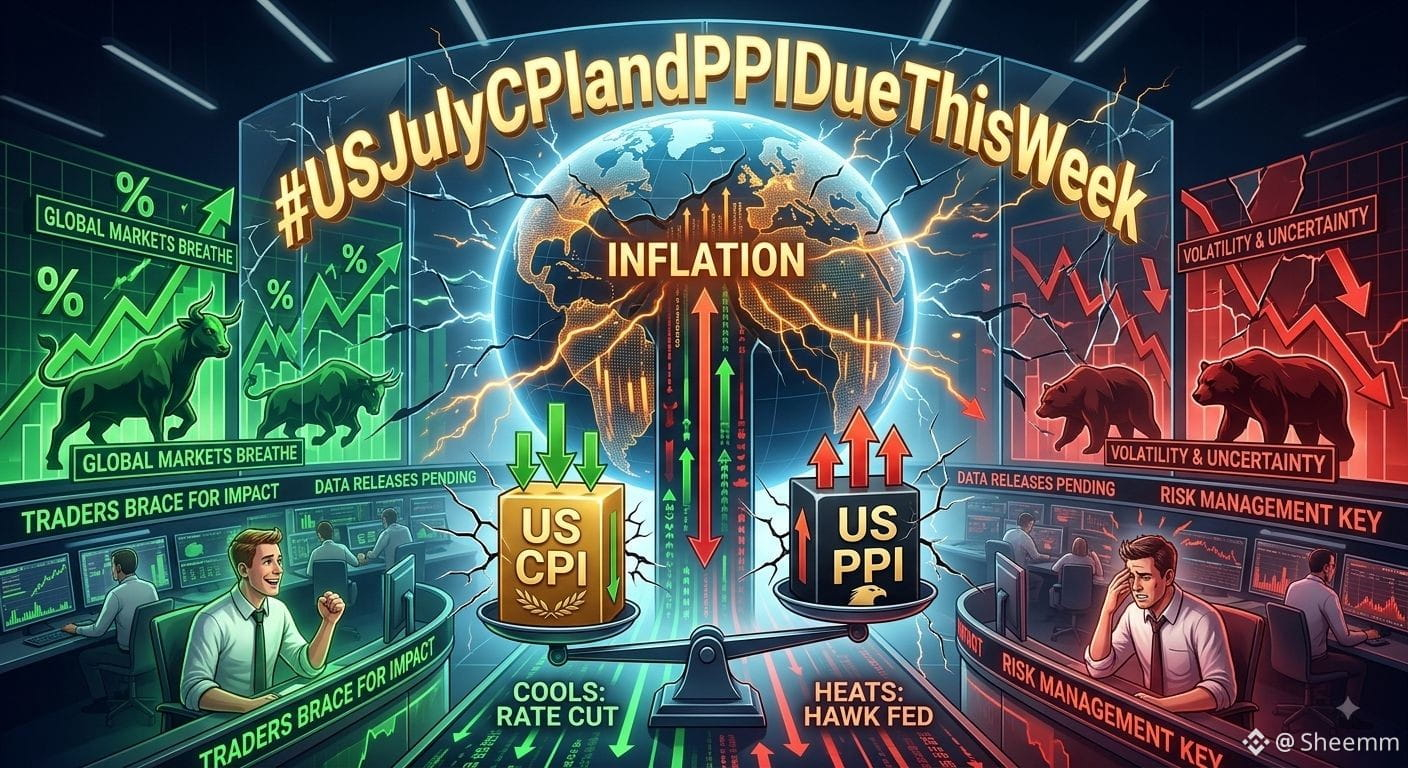
NVDAUS+2.53%
2
141
·
--
Verified
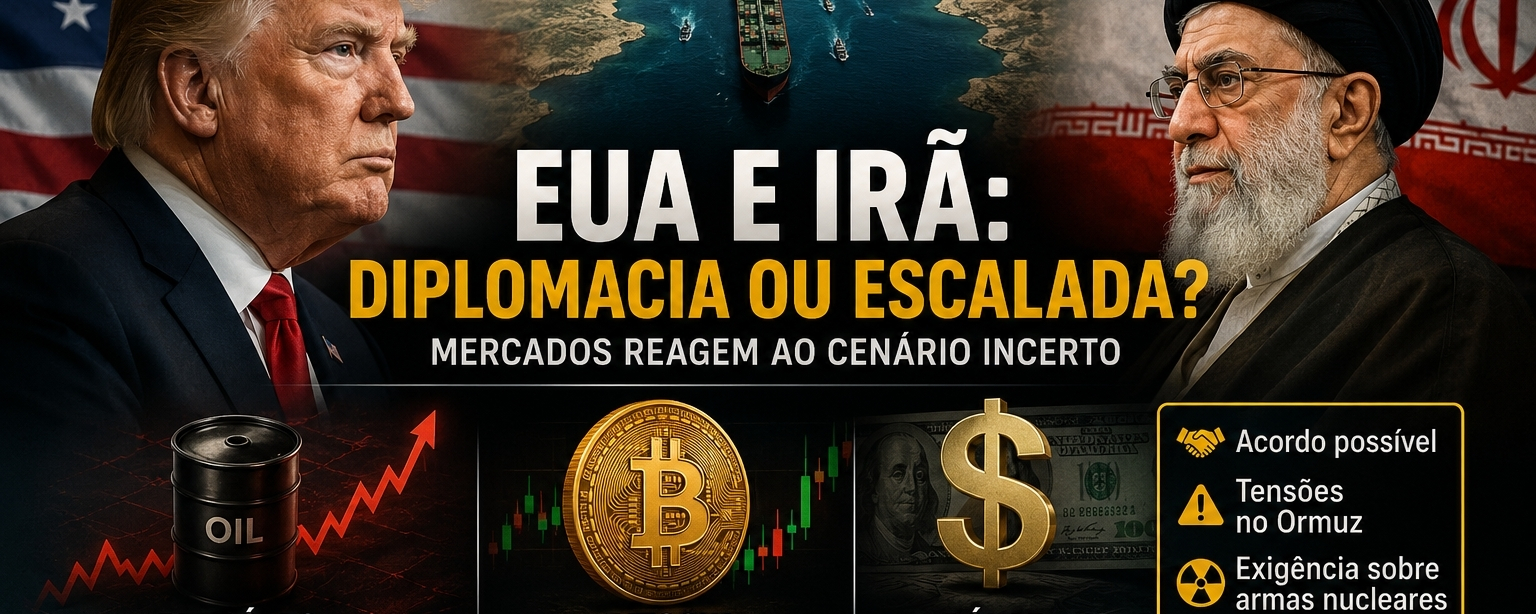
Article
Markets watch the next step between the U.S. and Iran.🌍.
The statements made by Donald Trump brought messages in opposite directions: on the one hand, he signaled openness to a diplomatic agreement with Iran; on the other, he toughened the rhetoric again by mentioning the Strait of Hormuz and demanding a formal statement that the country does not possess nuclear weapons.
This scenario keeps oil on alert and increases volatility in global markets. For Bitcoin and other cryptoassets, any diplomatic progress may reduce risk aversion, while a escalation in tensions tends to drive sharp price swings.
Markets watch the next step between the U.S. and Iran.
🌍.
The statements made by Donald Trump brought messages in opposite directions: on the one hand, he signaled openness to a diplomatic agreement with Iran; on the other, he toughened the rhetoric again by mentioning the Strait of Hormuz and demanding a formal statement that the country does not possess nuclear weapons.
This scenario keeps oil on alert and increases volatility in global markets. For Bitcoin and other cryptoassets, any diplomatic progress may reduce risk aversion, while a escalation in tensions tends to drive sharp price swings.
The statements made by Donald Trump brought messages in opposite directions: on the one hand, he signaled openness to a diplomatic agreement with Iran; on the other, he toughened the rhetoric again by mentioning the Strait of Hormuz and demanding a formal statement that the country does not possess nuclear weapons.
This scenario keeps oil on alert and increases volatility in global markets. For Bitcoin and other cryptoassets, any diplomatic progress may reduce risk aversion, while a escalation in tensions tends to drive sharp price swings.
624
Google DeepMind loses key researcher to Anthropic, a move that may impact AI development and innovation 🚨
Entry: 0.85 🔥
Target: 1.20 🚀
Stop Loss: 0.70 ⚠️
The departure of John Jumper from Google DeepMind is a significant event in the AI research field, and his move to Anthropic may lead to changes in AI development and innovation. This shift could have a ripple effect on the market, particularly for $RE and $BICO .
Not financial advice. Manage your risk.
#AIresearch #MarketImpact #REtoken
💡
Google DeepMind loses key researcher to Anthropic, a move that may impact AI development and innovation 🚨
Entry: 0.85 🔥
Target: 1.20 🚀
Stop Loss: 0.70 ⚠️
The departure of John Jumper from Google DeepMind is a significant event in the AI research field, and his move to Anthropic may lead to changes in AI development and innovation. This shift could have a ripple effect on the market, particularly for $RE and $BICO .
Not financial advice. Manage your risk.
#AIresearch #MarketImpact #REtoken
💡
Entry: 0.85 🔥
Target: 1.20 🚀
Stop Loss: 0.70 ⚠️
The departure of John Jumper from Google DeepMind is a significant event in the AI research field, and his move to Anthropic may lead to changes in AI development and innovation. This shift could have a ripple effect on the market, particularly for $RE and $BICO .
Not financial advice. Manage your risk.
#AIresearch #MarketImpact #REtoken
💡


56

·
--
ngl, that narrative about things calming down? yeah, it just got a pretty rude awakening. heard reports of the US hitting some sites in southern iran, apparently targeting boats trying to lay mines and missile launch spots.
this kinda news always sparks things up, and sure enough, oil prices jumped like 4% on that. it's a stark reminder, ser, that geopolitical tensions are still a huge wild card for energy markets, and that ripple effect touches everything. always gotta factor that into the broader market outlook. $BTC $ETH $SOL
#geopolitics #oil #marketimpact #degencrypto
ngl, that narrative about things calming down? yeah, it just got a pretty rude awakening. heard reports of the US hitting some sites in southern iran, apparently targeting boats trying to lay mines and missile launch spots.
this kinda news always sparks things up, and sure enough, oil prices jumped like 4% on that. it's a stark reminder, ser, that geopolitical tensions are still a huge wild card for energy markets, and that ripple effect touches everything. always gotta factor that into the broader market outlook. $BTC $ETH $SOL
#geopolitics #oil #marketimpact #degencrypto
this kinda news always sparks things up, and sure enough, oil prices jumped like 4% on that. it's a stark reminder, ser, that geopolitical tensions are still a huge wild card for energy markets, and that ripple effect touches everything. always gotta factor that into the broader market outlook. $BTC $ETH $SOL
#geopolitics #oil #marketimpact #degencrypto
100

·
--
$ZBT AND $UTK IN FOCUS AS T.ME DOMAIN SUSPENSION HITS ⚡
The suspension of the t.me domain removes a key communication channel for many crypto projects. For $ZBT and $UTK , which rely on Telegram for community updates, this introduces near-term uncertainty. Some analysts see this as a minor disruption, while others expect price sensitivity as traders reassess project fundamentals.
The market is now watching for official statements. Historically, such events create a vacuum of information that often leads to impulsive moves. Do you think this suspension will trigger a meaningful sell-off or is it just noise?
Not financial advice. Always manage your risk.
#ZBT #UTK #CryptoNews #MarketImpact
⚡
$ZBT AND $UTK IN FOCUS AS T.ME DOMAIN SUSPENSION HITS ⚡
The suspension of the t.me domain removes a key communication channel for many crypto projects. For $ZBT and $UTK , which rely on Telegram for community updates, this introduces near-term uncertainty. Some analysts see this as a minor disruption, while others expect price sensitivity as traders reassess project fundamentals.
The market is now watching for official statements. Historically, such events create a vacuum of information that often leads to impulsive moves. Do you think this suspension will trigger a meaningful sell-off or is it just noise?
Not financial advice. Always manage your risk.
#ZBT #UTK #CryptoNews #MarketImpact
⚡
The suspension of the t.me domain removes a key communication channel for many crypto projects. For $ZBT and $UTK , which rely on Telegram for community updates, this introduces near-term uncertainty. Some analysts see this as a minor disruption, while others expect price sensitivity as traders reassess project fundamentals.
The market is now watching for official statements. Historically, such events create a vacuum of information that often leads to impulsive moves. Do you think this suspension will trigger a meaningful sell-off or is it just noise?
Not financial advice. Always manage your risk.
#ZBT #UTK #CryptoNews #MarketImpact
⚡


33
·
--
EXPLOSION!
Triple-A's hot wallets just got OBLITERATED, with over $9.7 MILLION VANISHING into thin air across multiple blockchains! This isn't a drill, folks, this is the flood starting. #CryptoNews #SecurityBreach #Blockchain
This historic exploit sends shockwaves through the market, reminding everyone that even the big players aren't immune. What does this mean for your digital assets? #MarketImpact
Are you ready for the fallout? Secure your holdings NOW and stay informed!
EXPLOSION!
Triple-A's hot wallets just got OBLITERATED, with over $9.7 MILLION VANISHING into thin air across multiple blockchains! This isn't a drill, folks, this is the flood starting. #CryptoNews #SecurityBreach #Blockchain
This historic exploit sends shockwaves through the market, reminding everyone that even the big players aren't immune. What does this mean for your digital assets? #MarketImpact
Are you ready for the fallout? Secure your holdings NOW and stay informed!
Triple-A's hot wallets just got OBLITERATED, with over $9.7 MILLION VANISHING into thin air across multiple blockchains! This isn't a drill, folks, this is the flood starting. #CryptoNews #SecurityBreach #Blockchain
This historic exploit sends shockwaves through the market, reminding everyone that even the big players aren't immune. What does this mean for your digital assets? #MarketImpact
Are you ready for the fallout? Secure your holdings NOW and stay informed!
8

·
--
It seems that doubts about the return on AI investments, especially in data centers, chips, and energy infrastructure, are once again putting pressure on the technology sector in Asia.
Hong Kong’s technology index fell by 2.3% and the Kospi dropped 4.58%.
This shows that the market values not only AI’s potential, but also expects returns from the investments made. For the crypto world, it’s a reminder that this sentiment can affect liquidity and the behavior of risk assets, such as cryptocurrencies and technology stocks, including their tokenized versions.
#Binance #MarketImpact #stocks #cripto #noticias
$SAMSUNG
$WDC
{future}(WDCUSDT)
{future}(SAMSUNGUSDT)
It seems that doubts about the return on AI investments, especially in data centers, chips, and energy infrastructure, are once again putting pressure on the technology sector in Asia.
Hong Kong’s technology index fell by 2.3% and the Kospi dropped 4.58%.
This shows that the market values not only AI’s potential, but also expects returns from the investments made. For the crypto world, it’s a reminder that this sentiment can affect liquidity and the behavior of risk assets, such as cryptocurrencies and technology stocks, including their tokenized versions.
#Binance #MarketImpact #stocks #cripto #noticias
$SAMSUNG
$WDC
Hong Kong’s technology index fell by 2.3% and the Kospi dropped 4.58%.
This shows that the market values not only AI’s potential, but also expects returns from the investments made. For the crypto world, it’s a reminder that this sentiment can affect liquidity and the behavior of risk assets, such as cryptocurrencies and technology stocks, including their tokenized versions.
#Binance #MarketImpact #stocks #cripto #noticias
$SAMSUNG
$WDC


Binance News
·
--
STOCKS | Asian Shares Slip As AI Worries Return
Asian markets were mostly lower on Thursday as tech firms came under renewed pressure after a four-day rebound, with lingering concerns over artificial intelligence spending, according to RTHK.
In Hong Kong, the Hang Seng Index fell 385 points, or 1.5 percent, to 25,530 on turnover of HK$255.23 billion. The tech index dropped 112 points, or 2.3 percent, to 4,820, while the China enterprises index declined 105 points, or 1.2 percent, to 8,498. On the mainland, the Shanghai Composite Index rose 21 points, or 0.57 percent, to 3,900, while the Shenzhen Component Index lost 34 points, or 0.24 percent, to 14,110 and the ChiNext Index fell 19 points, or 0.55 percent.
The rally in Asian tech stocks had followed a month-long sell-off that erased billions of dollars in valuations amid worries about heavy AI investment. The recovery was also helped by a strong rebound in Seoul and gains in chipmakers SK Hynix and Samsung, but sentiment weakened after a tech retreat on Wall Street and disappointing earnings from SanDisk and Western Digital revived concerns over the profitability of AI investments. In Tokyo, the Nikkei ended down 617 points, or 0.93 percent, at 65,683, while the broader Topix slipped just under 10 points, or 0.24 percent, to 4,055. In Seoul, the Kospi closed 301 points, or 4.58 percent, lower at 6,296.
In Hong Kong, the Hang Seng Index fell 385 points, or 1.5 percent, to 25,530 on turnover of HK$255.23 billion. The tech index dropped 112 points, or 2.3 percent, to 4,820, while the China enterprises index declined 105 points, or 1.2 percent, to 8,498. On the mainland, the Shanghai Composite Index rose 21 points, or 0.57 percent, to 3,900, while the Shenzhen Component Index lost 34 points, or 0.24 percent, to 14,110 and the ChiNext Index fell 19 points, or 0.55 percent.
The rally in Asian tech stocks had followed a month-long sell-off that erased billions of dollars in valuations amid worries about heavy AI investment. The recovery was also helped by a strong rebound in Seoul and gains in chipmakers SK Hynix and Samsung, but sentiment weakened after a tech retreat on Wall Street and disappointing earnings from SanDisk and Western Digital revived concerns over the profitability of AI investments. In Tokyo, the Nikkei ended down 617 points, or 0.93 percent, at 65,683, while the broader Topix slipped just under 10 points, or 0.24 percent, to 4,055. In Seoul, the Kospi closed 301 points, or 4.58 percent, lower at 6,296.
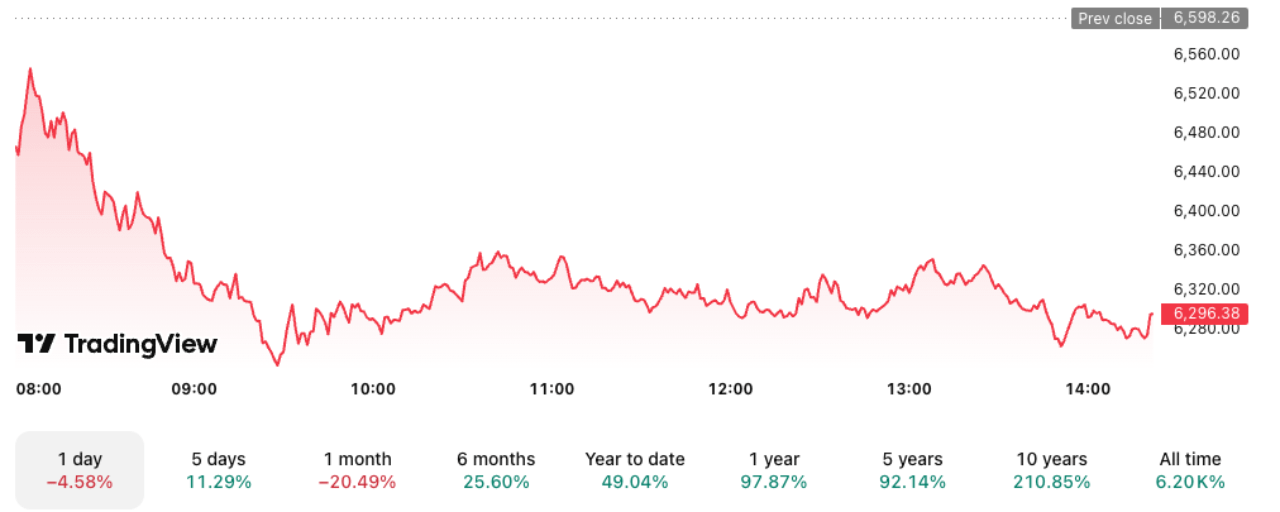
2
496
Log in to explore more content
Join global crypto users on Binance Square
⚡️ Get latest and useful information about crypto.
💬 Trusted by the world’s largest crypto exchange.
👍 Discover real insights from verified creators.
Email / Phone number
Trending Topics
1
#NEARRisesNearly80%InAWeek
41,764 views
931 Discussing
2
#MultiversXPlansHardForkRecovery
35,136 views
708 Discussing
3
#CircleLaunchesInstitutionalBTCBackedBorrowing
33,436 views
785 Discussing
4
#BitcoinHits$85K
44,779 views
300 Discussing
5
#ZetaChainVotesToMigrateZETAToSolana
23,628 views
504 Discussing
6
#ECBStartsBlockchainEuroSettlement
48,729 views
790 Discussing
7
#SouthAfricaProposesCryptoExchangeControls
60,989 views
947 Discussing
8
#SolanaCutsTargetSlotTimeTo250ms
66,299 views
882 Discussing
9
#EthereumSurpasses$2700
36,917 views
234 Discussing
10
#CanaryFilesSecondAmendmentForStakedSEIETF
74,308 views
1,164 Discussing