


A dormant Satoshi-era mining wallet moved 50 Bitcoins amid standard mining pressures.
Miner reserves are shrinking as difficulty and costs rise, while hashrate revenues decline.
The price of Bitcoin is approaching the electricity cost support level that historically triggers rebounds.
In early December, a Bitcoin mining wallet that had been dormant since the Satoshi Nakamoto era suddenly became active after more than 15 years. This occurred when the price of Bitcoin began to drop below $90,000.
This movement occurred during a special challenge period in Bitcoin mining history for miners.
A wallet from the Satoshi era is active while miners sell more than 300,000 Bitcoin in two years.
The blockchain tracker 'Lookonchain' reported that a miner's wallet woke up after 15.7 years of inactivity. This wallet transferred 50 Bitcoin from the early era, with an approximate value of $4,333,000, to an external address.

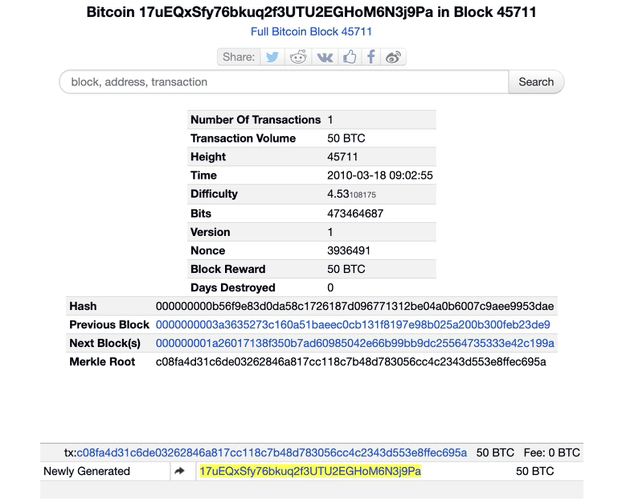
OnchainLens confirmed the transfer and described the wallet as belonging to the 'Satoshi era.' These coins may be among the oldest Bitcoin moving in 2025. The transfer sparked investor speculation about hidden developments behind the scenes.
Data from miners' reserves showed that miners consistently transferred funds from their wallets, likely for sale. According to CryptoQuant, Bitcoin mine reserves have regularly declined over the years. The trend reflects ongoing selling pressure.

Bitcoin mine reserve. Source: CryptoQuant.
In early 2024, miners held more than 1.83 million Bitcoin. They may have sold around 300,000 Bitcoin over the past two years.
What challenges are Bitcoin miners facing?
The difficulty of mining remained at a historic high of 149.30 tera. In other words, miners need to perform about 149.30 trillion SHA-256 hashes on average to discover a valid block.
This situation forces mining devices to compete more intensely. It also drives operating costs higher.
The Miner Weekly (The Miner Mag) report indicated that hash rate revenues fell from about $55 per PH/s in the third quarter of 2025 to $35 per PH/s in November. The decline followed a sharp correction in Bitcoin's price.
The Miner Weekly stated that 'Bitcoin mining has effectively entered a harsh marginal environment at all times,' and the report mentioned the financial situation.
The report also mentioned that current revenue levels are below the average for major mining companies' costs, which reach $44 per PH/s. Even with new mining equipment, the current payback period exceeds 1,000 days. This period exceeds approximately 850 days for the countdown to the next halving.
Analyst Ted added that the current price of Bitcoin is only 19% higher than the electricity cost. If the price falls below the average cost of electricity to mine 1 BTC - estimated at $71,087 - miners may be forced to capitulate.
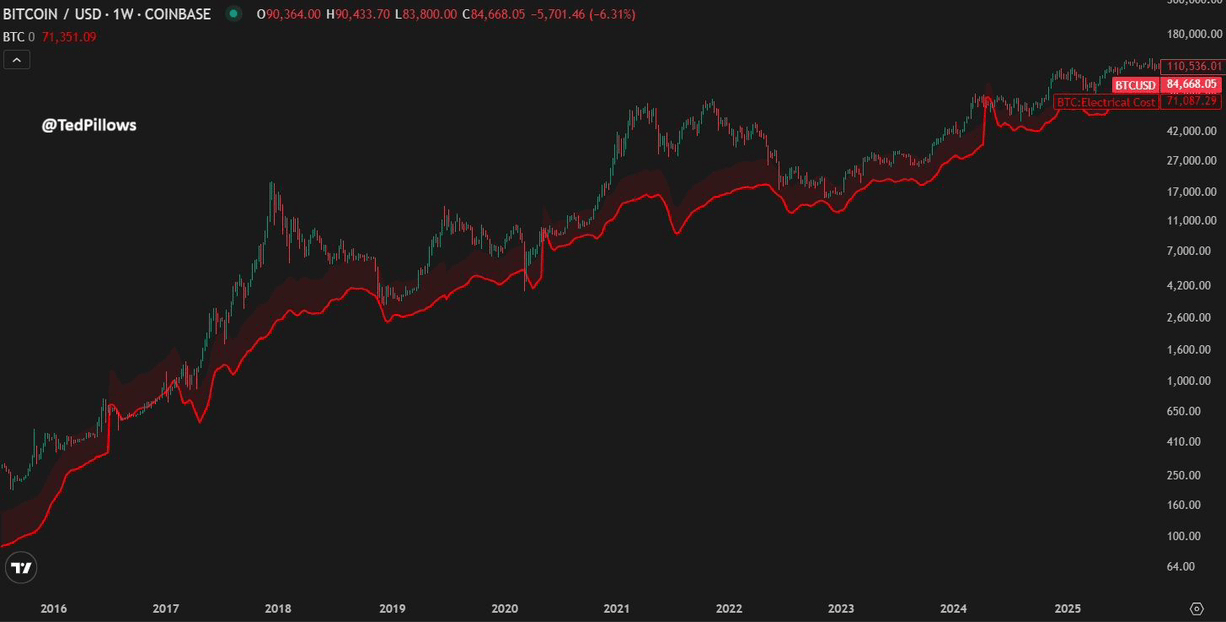
The price of Bitcoin versus the electricity cost for BTC. Source: Ted
But Ted's note also suggested a potential support area for Bitcoin. Historical data shows that the price of Bitcoin tends to stay above this level of electricity cost or bounce back from it. This pattern has continued since 2016.
#BinanceSquareFamily #BinanceSquare #BinanceSquareBTC #NewsAboutCrypto #newscrypto