
The Strait of Hormuz is no longer just a shipping lane.
It has become a loaded gun pointed directly at the global economy.
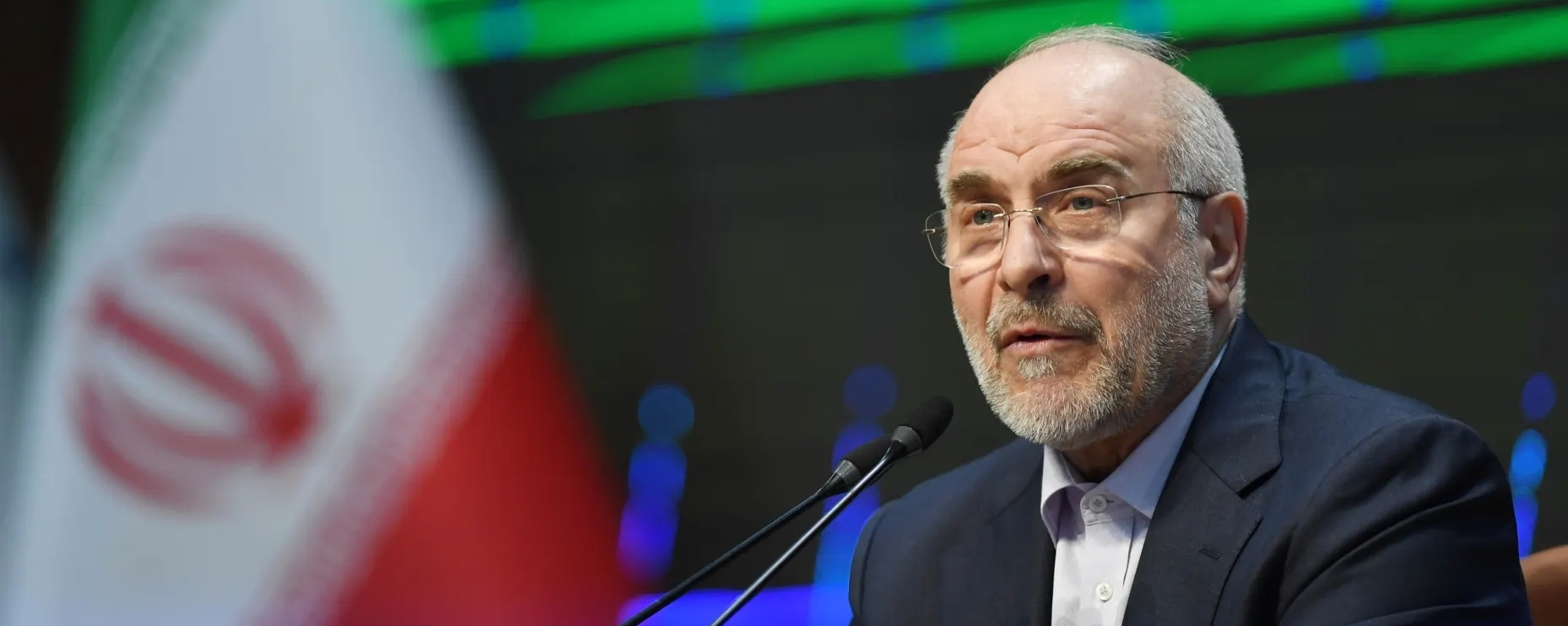
Iran’s top negotiator Mohammad Bagher Ghalibaf has accused Donald Trump of running “theatre diplomacy” — claiming Washington repeatedly threatens military action, suddenly talks about negotiations, then changes the narrative again.
And the numbers are fucking brutal.
Before the war, roughly 130–140 vessels crossed Hormuz every day.
Now?
Reports tracking maritime traffic showed only two vessels crossing on Wednesday, down from eight the day before.
That is not normal shipping.
That is fear.
And fear is expensive.
The crisis is spreading beyond Hormuz. Traffic through the Bab el-Mandeb has also collapsed, while Saudi Arabia is reportedly preparing for possible coordinated attacks involving Iraqi militias and the Iran-backed Houthis.
Then comes the real geopolitical bombshell:
Iran and Oman are discussing an arrangement to manage traffic through the waterway — while ships connected to the United States and Israel could reportedly be excluded under Tehran’s proposed rules.
Iran has even threatened penalties on cargoes that violate the proposed arrangement.
Meanwhile, oil markets are waking up.
Brent: ~$83.55/barrel.
WTI: ~$78.17/barrel.
Because markets understand what politicians keep pretending not to understand:
You cannot bomb a region, threaten escalation, choke a strategic maritime corridor, and then expect global trade to behave like nothing happened.
Hormuz is one of the most important energy chokepoints on Earth.
When ships stop moving, insurance costs rise.
When insurance explodes, freight costs rise.
When freight costs rise, energy prices rise.
When energy prices rise, inflation follows.
And when inflation returns, central banks get trapped.
This is how a regional conflict becomes a global economic problem.
The most dangerous part is not even the missiles.
It is the uncertainty.
Washington says negotiations are happening.
Tehran says there is no real deal.
Trump says progress has been made.
Iran says the story is being manufactured.
Oman is trying to keep the shipping lane functioning.
Saudi Arabia is preparing for possible attacks.
And commercial ships are increasingly saying the same thing with their behavior:
“We don’t trust this route.”
That is the real vote.
Not press conferences.
Not Truth Social posts.
Not diplomatic theater.
Ships.
If shipowners believe Hormuz is unsafe, they reroute.
If they reroute, supply chains tighten.
If supply chains tighten, prices rise.
And if the Strait remains effectively crippled, the world will eventually pay the bill.
So stop looking at this as another episode of Trump vs. Iran.
This is bigger.
This is a battle over who controls the economic arteries of the Middle East.
And right now, the Strait of Hormuz is proving a terrifying point:
A country does not need to destroy the global economy to hurt it.
Sometimes all it has to do is make the world too afraid to move.
Diplomacy is supposed to prevent war.
But when diplomacy becomes theater, threats become policy, shipping becomes a hostage, and oil becomes a weapon—
everyone pays.
The Middle East is not calming down.
It is sitting on a powder keg.
And the world economy is standing right next to it.
#Iran #Trump #Hormuz #StraitOfHormuz #Geopolitics #Oil #MiddleEast #SaudiArabia #USIran #GlobalEconomy #BreakingNews