
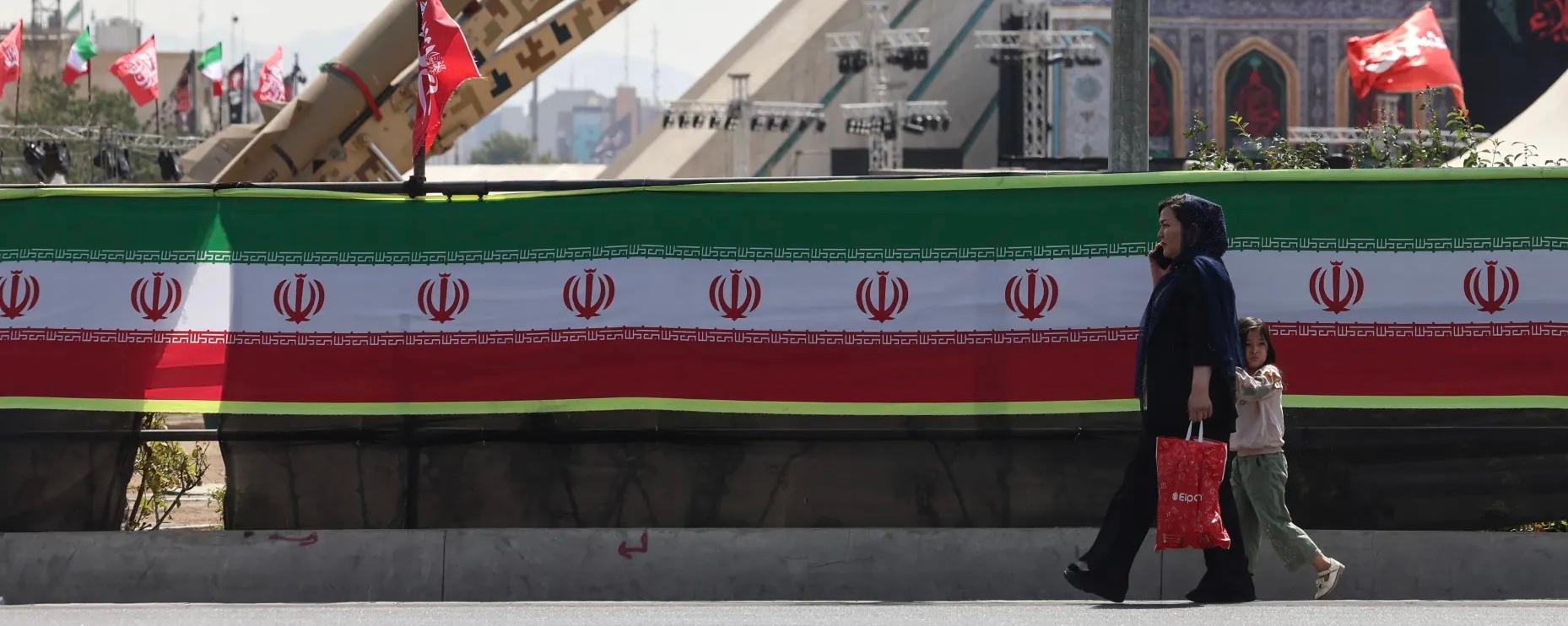
For five months, the world has watched this conflict escalate while diplomacy has repeatedly collided with denial, distrust, and geopolitical games. Now, President Donald Trump claims negotiations with Iran are underway and calls them the "last chance" to end the war. Tehran flatly rejects that claim, insisting no direct talks with Washington exist and that its discussions remain limited to Oman regarding the Strait of Hormuz.
This isn't just another political disagreement. It is a dangerous information war where every statement can move global markets within minutes.
The consequences are already visible.
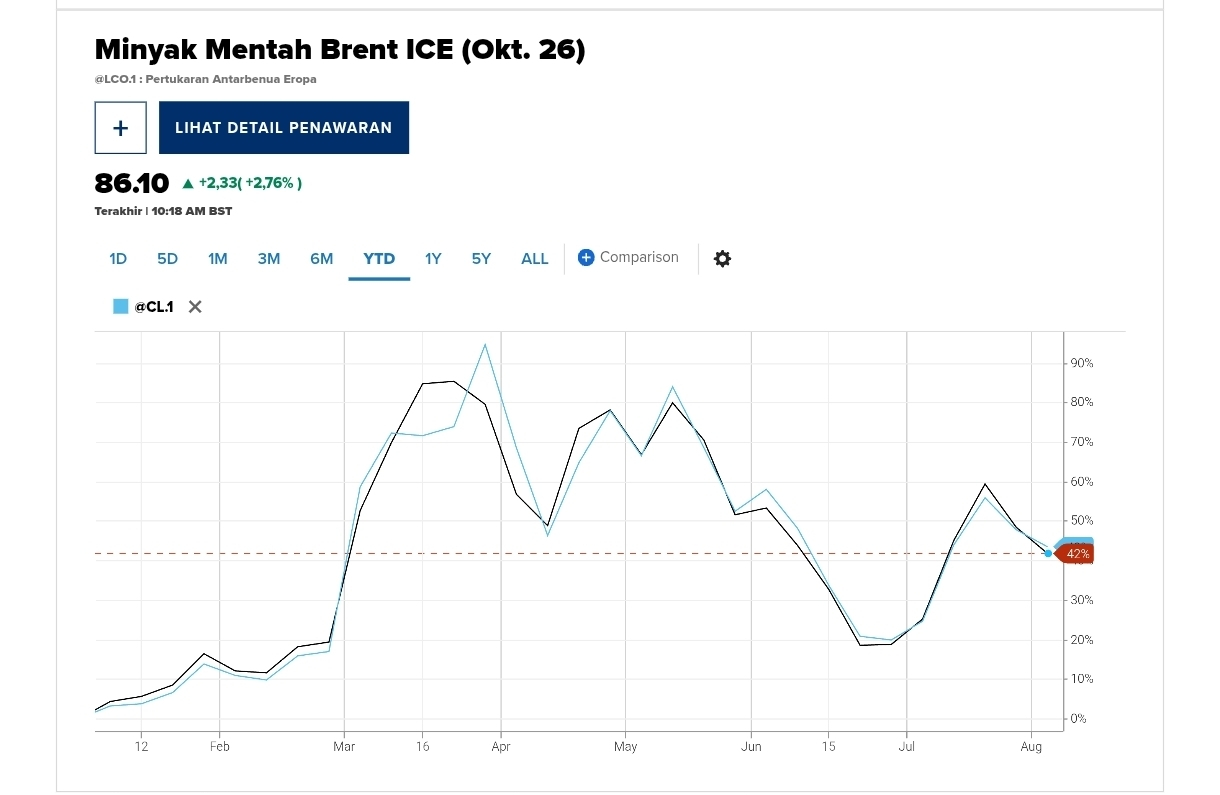
Oil prices, which plunged on hopes of diplomacy, quickly rebounded as confidence in a peaceful resolution faded. WTI climbed above $82 per barrel, while Brent surged past $86, reflecting growing fears that the crisis remains far from over. Every missile, every naval deployment, every contradictory announcement increases uncertainty across global energy markets.
Meanwhile, U.S. forces continue tightening operations around the Strait of Hormuz, redirecting commercial shipping and expanding military activity in one of the world's most critical energy corridors. Even rumors of new explosions across the region are enough to fuel market anxiety.
The message is unmistakable: global energy security is hanging by a thread.
Investors, governments, and businesses are no longer reacting only to military actions—they are reacting to words, headlines, and shifting narratives. Confidence disappears faster than oil flows can recover.
Whether diplomacy succeeds or collapses, one fact remains undeniable:
The world is no longer pricing peace. It is pricing uncertainty.
And uncertainty is becoming the most expensive commodity on Earth.