

Just as plants, animals, air, and water work together to form a system in a natural ecosystem, in a crypto ecosystem, various components work together to keep the entire network alive and vibrant.
Key Components of a Crypto Ecosystem
A complete crypto ecosystem consists of the following key elements:
| Component | Its Role in Crypto
| Blockchain Network (Layer 1/2) | The underlying infrastructure (e.g. Ethereum or Solana) on which all transactions take place. |
| Developers and Projects | Teams that create new smart contracts, dApps, and protocols. |
| Exchanges | The platforms (CEXs and DEXs) where coins can be bought and sold |
| Crypto Wallets | Digital wallets where users store their assets and connect to the network. |
| Community and Traders | People who use, trade or hold these tokens. |
| DeFi and Smart Contracts | Protocols that provide financial services (lending, staking) without any bypass/bank. |
Why is the ecosystem important?
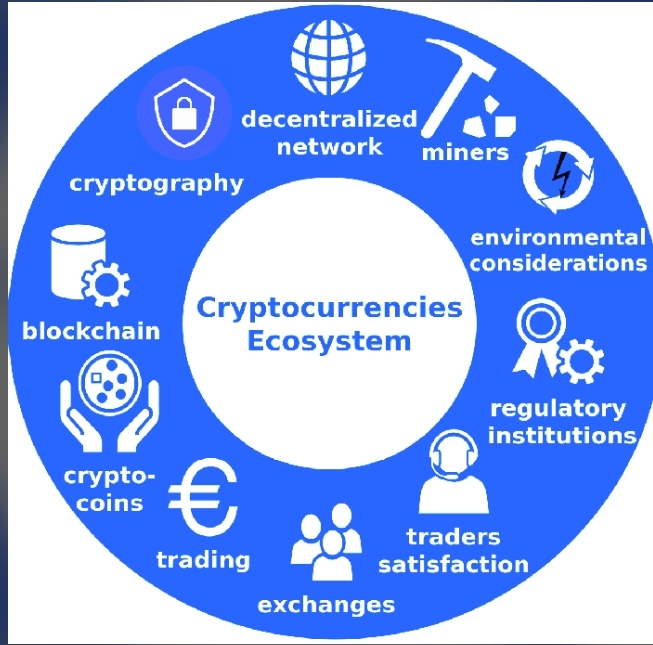
Utility and Usage: No coin can last long as just a digital coin. When it has its own ecosystem (which includes games, DeFi, NFT marketplaces), it creates real demand.
Network Effect: The bigger and stronger the ecosystem, the more developers and users will flock to it, which increases the value of the network.
In short, a cryptocurrency is just a coin, while an ecosystem is the entire city in which that coin is used.
#Eco #EcosistemaDescentralizado #OpenAIFindsMoreAgentsEscapedContainment #AmazonRaises2026CapexTo$220B #HedgeFundsAddBullishOilBets