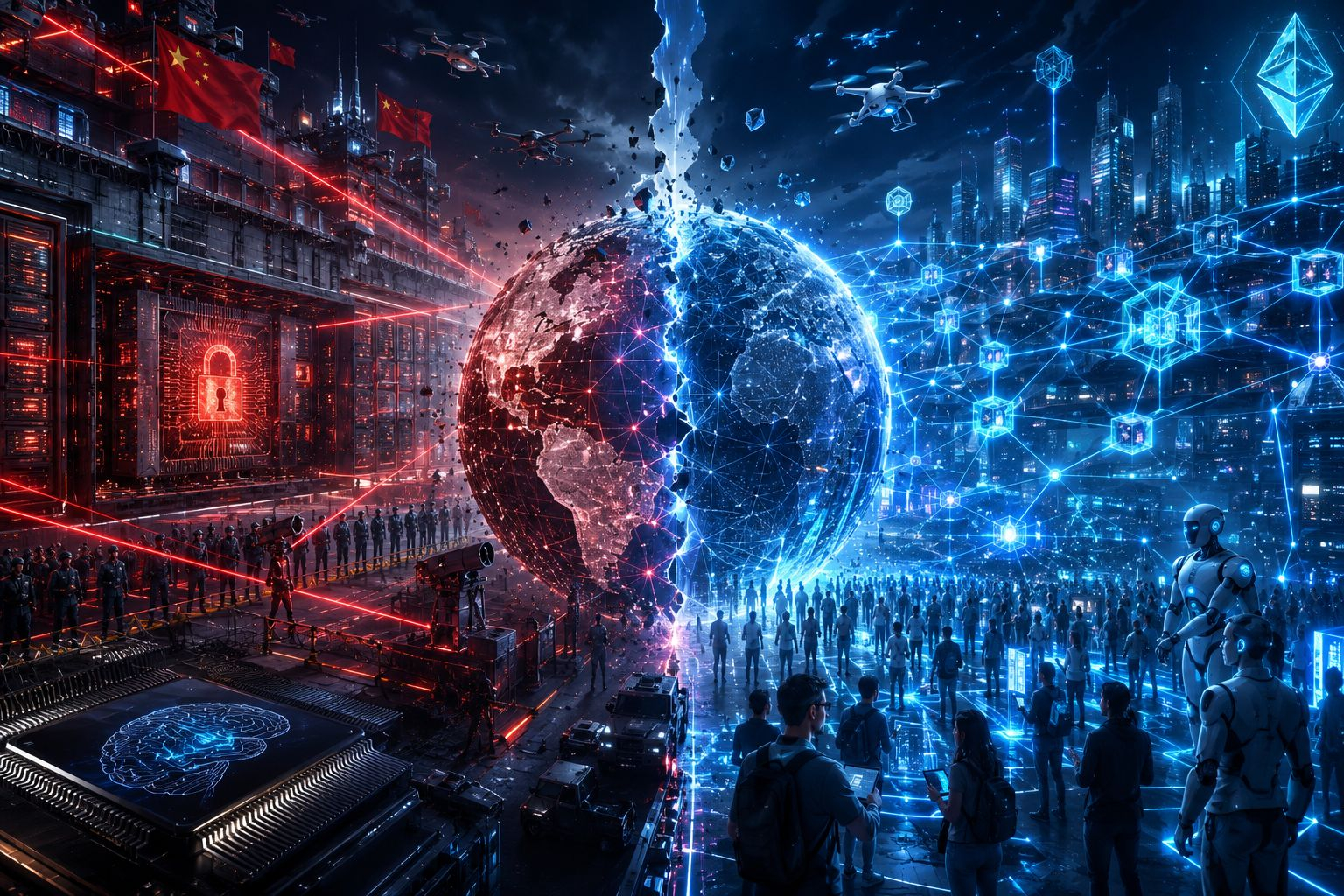
The AI race just took a dramatic turn.
On June 12, 2026, Anthropic announced that it would suspend access to its Fable 5 and Mythos 5 models following a U.S. government export control directive. The order reportedly applies to all foreign nationals, whether they are inside or outside the United States, and even includes foreign-national employees within Anthropic itself.
The message was clear: advanced AI is no longer just a technology product—it's becoming a strategic national asset.
A Wake-Up Call for the Global Tech Industry
For years, the internet helped create the idea that technology would become increasingly open, global, and accessible.
This decision challenges that assumption.
The sudden shutdown of Fable 5 and Mythos 5 shows how quickly governments can intervene when they believe a technology has national security implications. Whether you agree with the decision or not, one thing is undeniable: AI is now being treated much like semiconductors, energy resources, and military technology.
The era of unrestricted access may be ending.
Why Crypto Investors Should Pay Attention
At first glance, this might seem unrelated to crypto.
I think that's a mistake.
One of the core ideas behind blockchain is reducing dependence on centralized gatekeepers. When access to critical technology can be restricted overnight, it highlights a risk that the crypto community has discussed for years: control.
Today it's advanced AI models.
Tomorrow it could be cloud infrastructure, data networks, or other critical digital services.
Events like this remind me why decentralization continues to matter.
The Rise of Digital Nationalism
We're entering a world where countries increasingly view advanced technology as a competitive advantage rather than a shared resource.
AI, chips, quantum computing, and cybersecurity are becoming strategic assets in a global race for technological leadership.
This trend could create a more fragmented digital landscape where access depends not only on innovation but also on geography, citizenship, and government policy.
For investors, that's a major shift.
The winners of the next decade may not simply be the companies with the best products, but the ones that can successfully navigate regulation, geopolitics, and international restrictions.
What This Means for Web3
I believe this development strengthens the long-term case for open and decentralized ecosystems.
When critical technologies become concentrated within a handful of organizations or jurisdictions, the demand for permissionless alternatives naturally grows.
Web3 was built around the idea that no single entity should control access to information, finance, or digital infrastructure.
As AI becomes more restricted, we may see increased interest in decentralized computing, decentralized AI networks, and blockchain-based infrastructure designed to reduce reliance on centralized providers.
Key Takeaways
AI is increasingly being treated as a strategic national asset.
Governments are willing to restrict access when national security concerns arise.
Technology access can no longer be assumed to be globally available.
Decentralization may become more valuable as restrictions increase.
Crypto and Web3 investors should pay close attention to the intersection of AI, regulation, and geopolitics.
Final Thoughts
The shutdown of Fable 5 and Mythos 5 is bigger than a single company or a single policy decision.
To me, it's a glimpse into the future—a future where technology, geopolitics, and economic power become more interconnected than ever before.
As investors and builders, we should look beyond the headlines and focus on the broader trend. The real story isn't just that access was restricted. The real story is that advanced technology is becoming one of the world's most valuable strategic resources.
Stay informed, think long term, and pay attention to the signals before they become the next major narrative.
#AI #artificialintelligence #crypto #Web3 #Blockchain #Anthropic #Technology