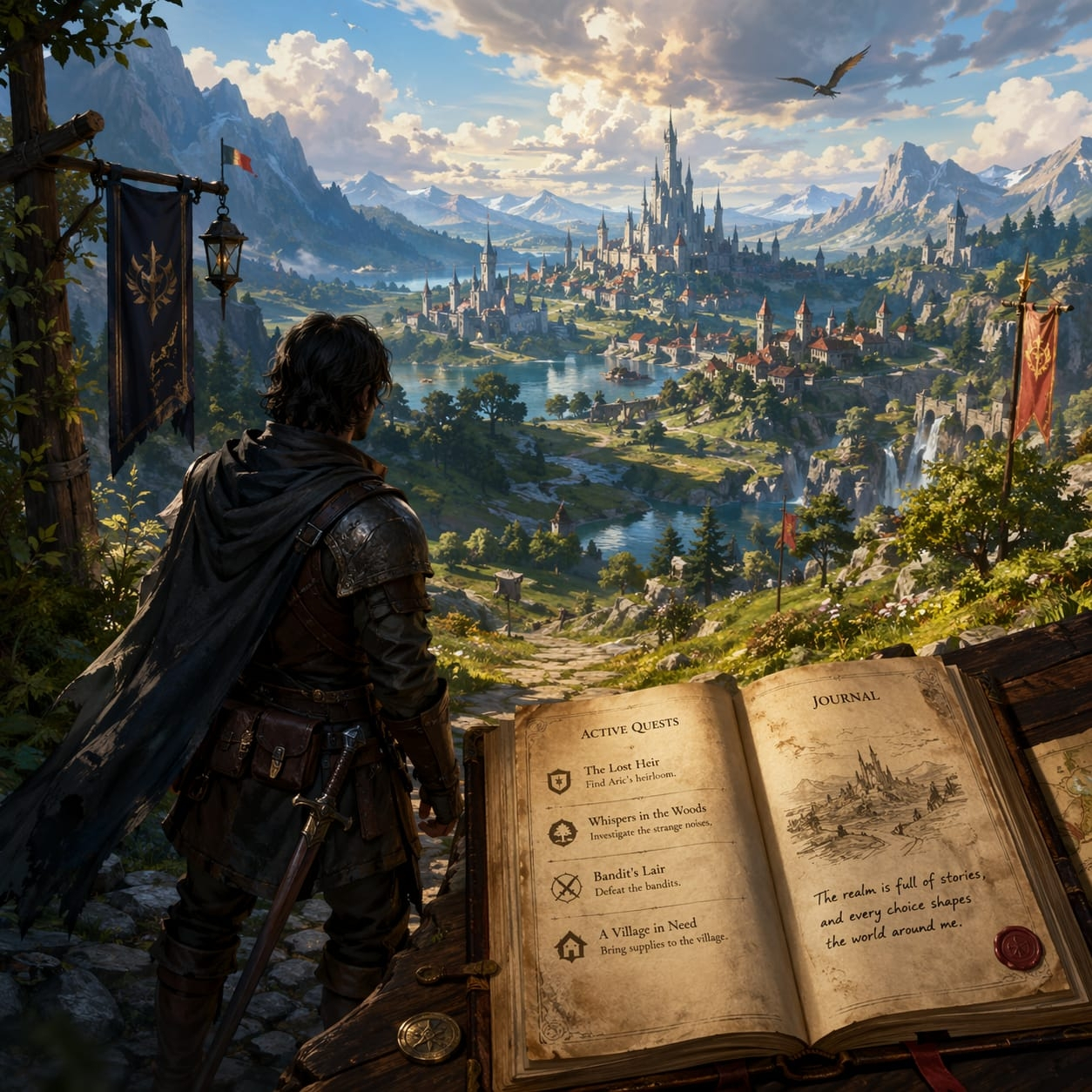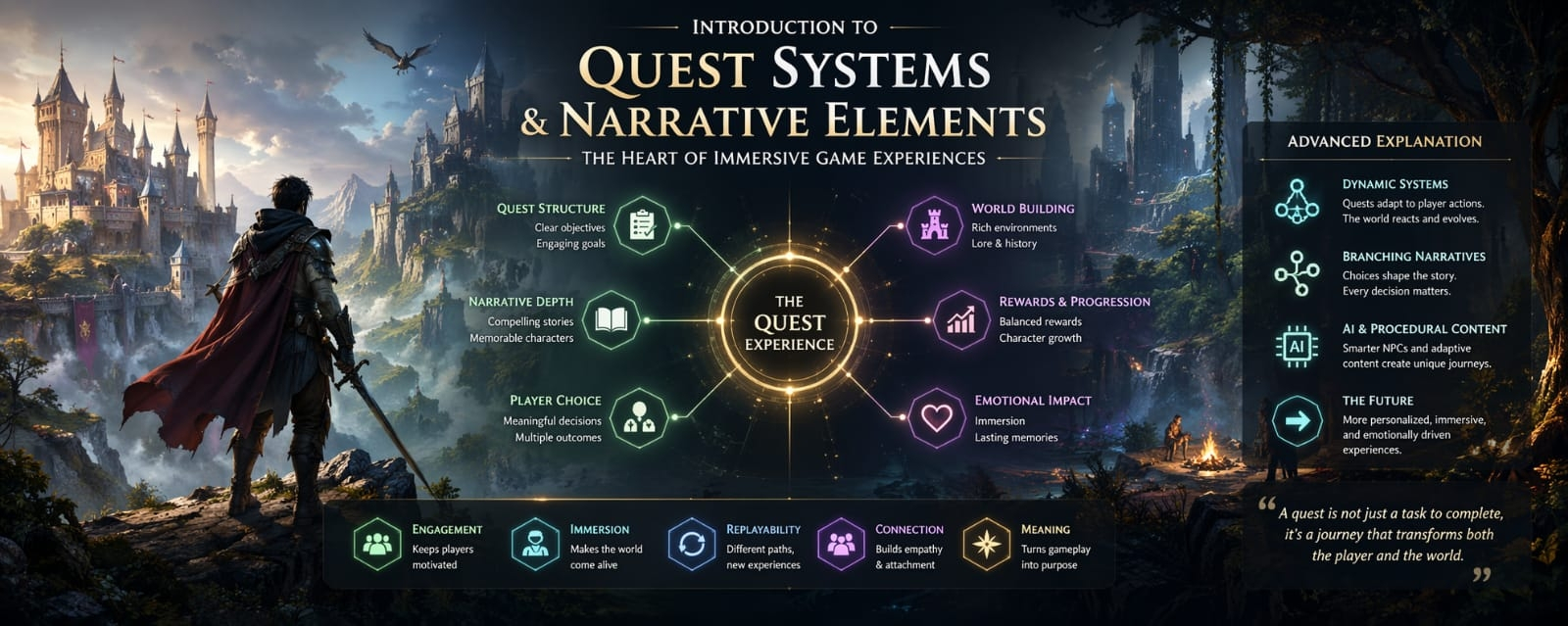
When I look at modern games, I don’t see quests as simple tasks anymore—I see them as the backbone of the entire experience. Quest systems and narrative elements are what turn mechanics into meaning. A game can have smooth controls, impressive visuals, or complex systems, but without a sense of purpose, it often feels empty. That purpose usually comes from the way quests are structured and how the story unfolds through them.
I’ve noticed that quests are no longer just about “doing things.” In older designs, I could clearly feel the checklist approach: go here, collect that, defeat this enemy, and return for a reward. It worked, but it didn’t always feel memorable. Now, I see a shift. Quests are starting to feel more like personal journeys. It’s not just about what I’m doing—it’s about why I’m doing it and how it changes my role in the world. When a quest makes me question a decision or feel attached to a character, I know the design has gone beyond mechanics.
From my perspective, narrative elements play a huge role in this shift. Story isn’t just something I watch between missions anymore. It’s something I experience while playing. Dialogue, environments, character reactions—they all work together to make the world feel alive. I’ve seen how even small narrative details, like a note left behind or a subtle change in music, can turn a simple objective into something emotional. It shows me that storytelling in games doesn’t always need to be loud or dramatic. Sometimes it’s the quiet moments that stay with me.
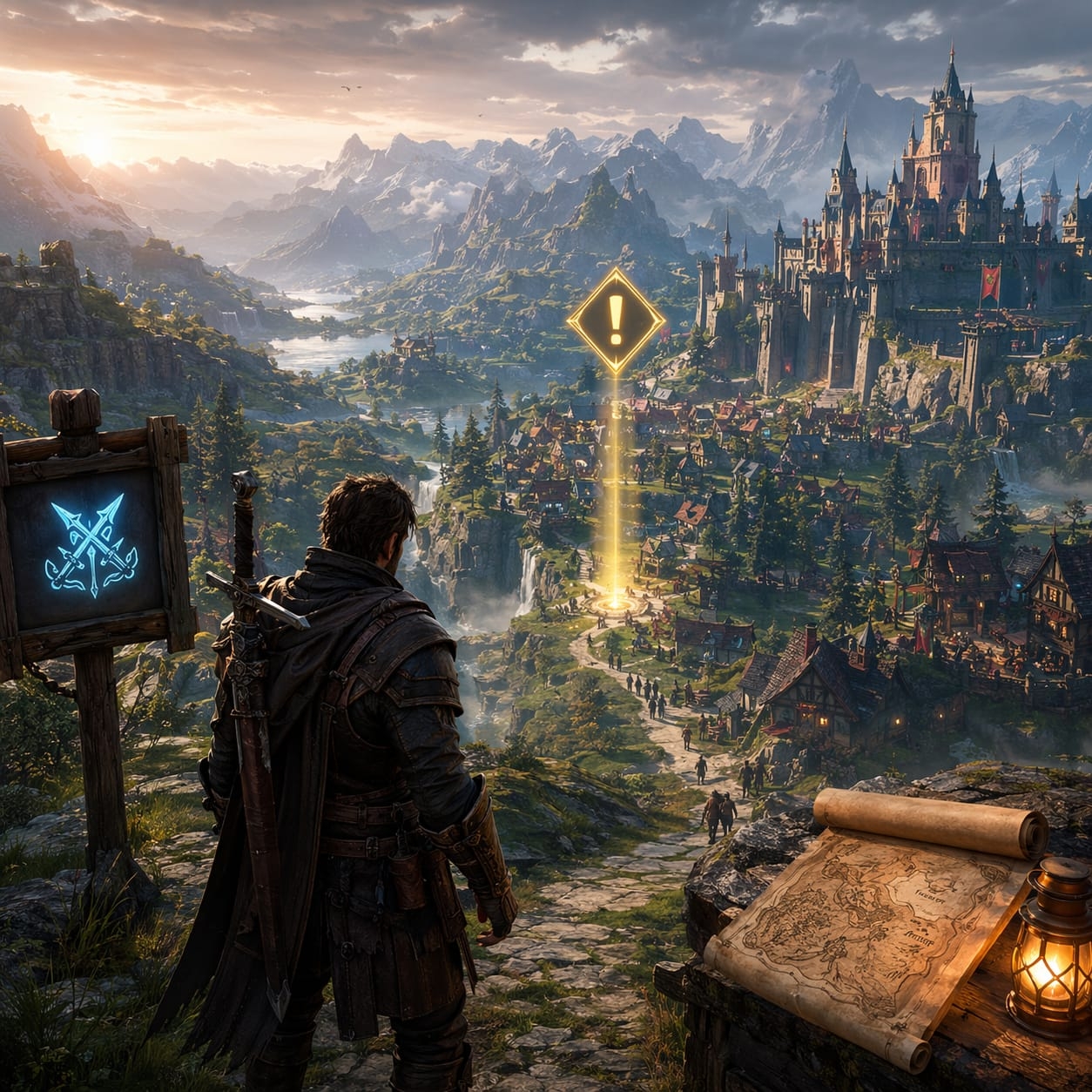
I also think the connection between quests and narrative is where the real strength lies. When these two are designed separately, I can feel it immediately. The game starts to feel like a series of disconnected tasks. But when they are integrated properly, everything flows. A mission doesn’t feel like an assignment—it feels like a natural part of the world. I’ve experienced games where even side quests felt meaningful because they revealed something about the setting or the people in it. That’s when I realize the designers have thought deeply about cohesion.
Another thing I’ve observed is how player choice is becoming more important. I don’t just want to follow instructions anymore—I want to shape the outcome. When a quest gives me options, even small ones, I feel more involved. It doesn’t have to be a massive branching storyline. Sometimes a simple decision—helping one character over another—can make a big difference in how I perceive the game. It creates a sense of ownership. I’m not just playing the story; I’m participating in it.
At the same time, I’ve noticed that not all choices need to be complex to be effective. What matters is how those choices are presented. If the consequences feel real, even a small decision can carry weight. I’ve seen games where a single choice changes dialogue later, and that alone makes me feel like my actions matter. It’s not about the size of the change—it’s about the feeling it creates.
Looking at current trends, I can see that developers are experimenting more than ever. Quest systems are becoming less predictable. Some games avoid traditional markers and let me discover objectives naturally. Others blend storytelling directly into gameplay without clear boundaries. I find this approach more immersive because it removes the feeling that I’m following a script. Instead, I feel like I’m uncovering the story on my own.
Technology is also starting to influence how quests and narratives are built. I’ve noticed that systems are becoming more dynamic. Characters react more naturally, dialogue feels less repetitive, and the world seems to respond to my actions in subtle ways. There’s also growing interest in tools that can help generate or adapt content. While I don’t think technology should replace human creativity, I do see how it can support designers in creating richer and more responsive experiences.
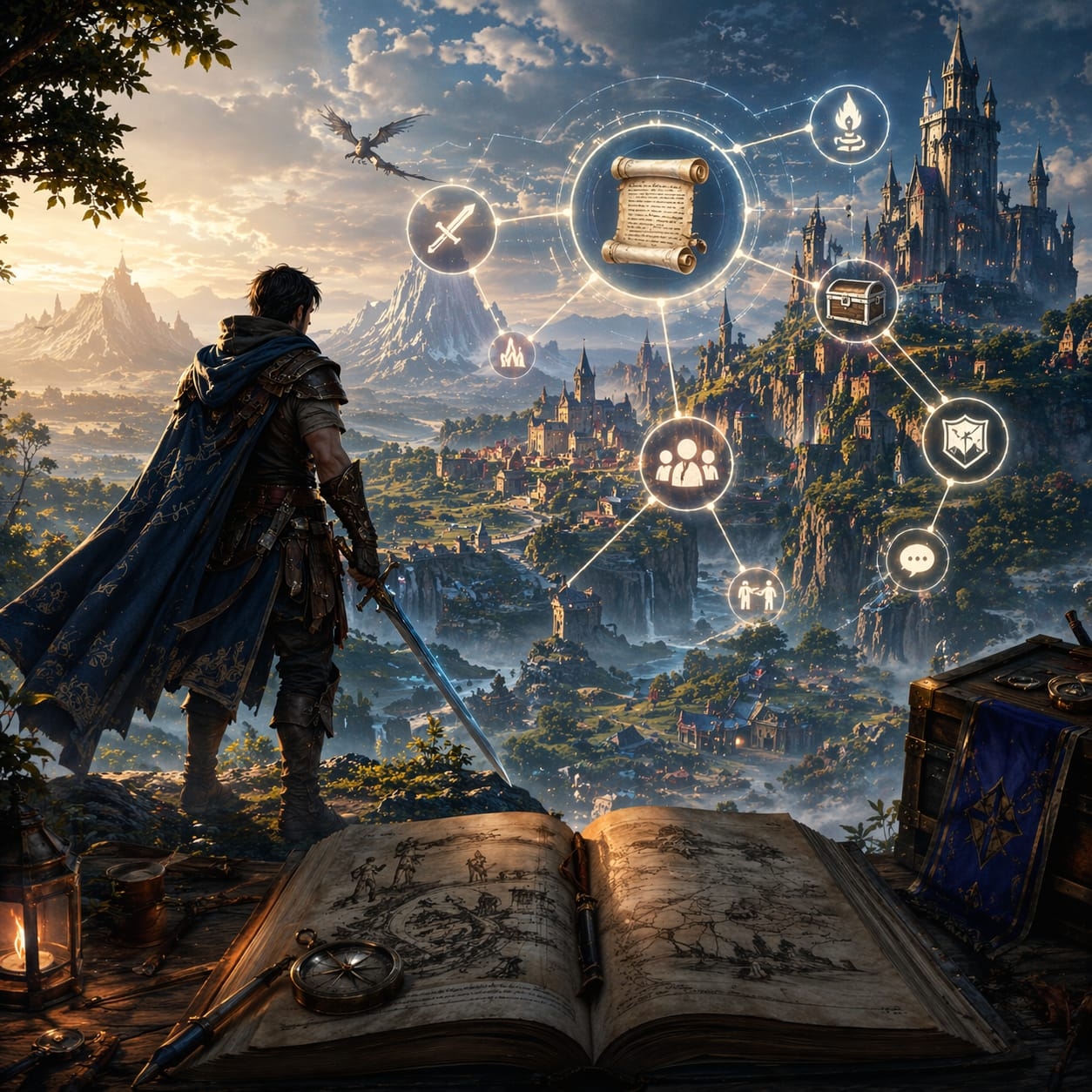
From where I stand, one of the biggest improvements in modern quest design is the focus on immersion. I don’t want to feel like I’m stepping in and out of a story—I want to feel like I’m always inside it. When quests are designed with narrative in mind, transitions become smoother. I’m not just switching between gameplay and story; they become the same thing. That’s when a game truly captures my attention.
I also think there’s a growing appreciation for smaller, more personal stories. Not every quest needs to save the world. Sometimes, helping a single character or solving a local problem can be just as impactful. In fact, I often find these moments more relatable. They make the world feel grounded and believable. It reminds me that scale isn’t everything—connection is.
Looking ahead, I believe quest systems will continue to evolve toward personalization. I expect games to adapt more to individual players, offering experiences that feel unique rather than predefined. Narratives might become more flexible, adjusting based on how I play rather than forcing me into a fixed path. This could make games more replayable and more engaging at the same time.
I also see potential for deeper emotional storytelling. As design techniques improve, I think games will explore more complex themes and relationships. Quests won’t just guide actions—they’ll explore ideas, challenge perspectives, and create lasting impressions. That’s where I think the real future lies: not in making games bigger, but in making them more meaningful.
In my view, quest systems and narrative elements are no longer separate parts of game design. They are deeply connected, and when they work together, they elevate the entire experience. I’ve seen how thoughtful design can turn simple objectives into powerful moments, and how strong storytelling can make gameplay feel purposeful.
At the end of the day, what stays with me isn’t the number of quests I completed—it’s how those quests made me feel. And that’s why I believe the evolution of quest systems and narrative design is one of the most important developments in modern gaming.