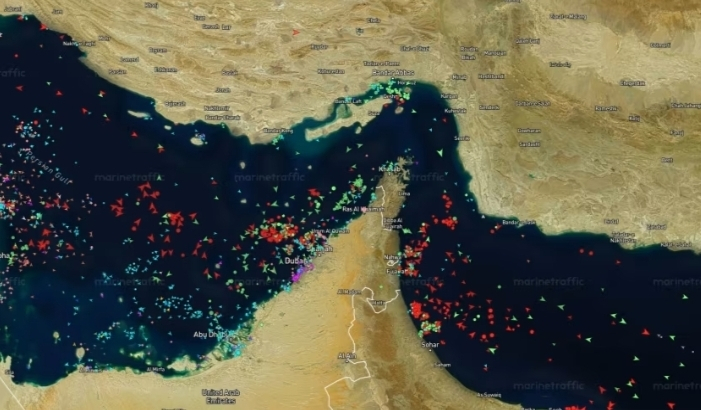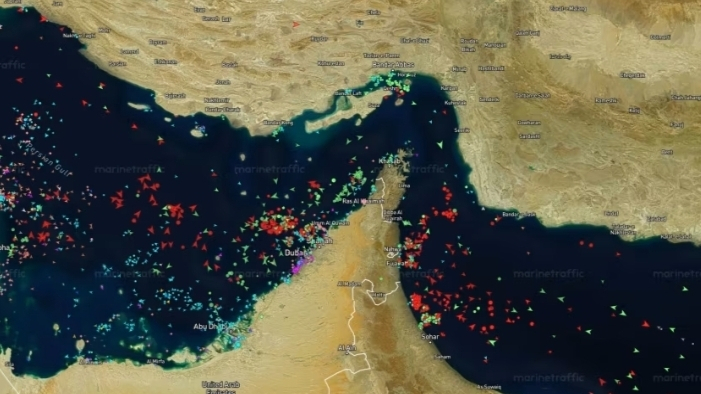
The global energy market is currently witnessing a high-stakes waiting game. While the announcement of a fragile two-week ceasefire between the U.S. and Iran has sparked a wave of diplomatic hope in Islamabad, the reality on the water remains starkly different. Even if the Strait of Hormuz—the world's most vital maritime artery—were to fully reopen tomorrow, the global shipping crisis and sky-high oil prices are far from over. This is a complex logistical puzzle that requires more than just a "clear path" to solve.
The "Empty Ship" Paradox: A Logistical Nightmare
The biggest obstacle isn't just getting the loaded tankers out of the Gulf; it’s getting the empty ones back in. Currently, there are roughly 400 loaded oil tankers sitting in the Persian Gulf, waiting for the green light to sail. However, there are only about 100 empty tankers eager to enter.
Experts like Matt Smith from Kpler highlight a chilling reality: shipping lines are terrified. Tankers and their insurers are unwilling to risk entering the Gulf unless they have an iron-clad guarantee they won’t be trapped for weeks. A shaky, temporary ceasefire simply doesn’t provide the "maritime confidence" needed to resume normal operations. Without a steady stream of incoming ships to pick up the next loads of oil and fertilizer, the benefits of the current outbound ships will be tragically short-lived.
Beyond Oil: The Fertilizer and Food Factor
The crisis extends far beyond the gas pump. The region is responsible for nearly 30% of the world's fertilizer supply, much of which is currently stuck behind the blockade. Because there is no existing capacity to easily reroute these massive cargoes, the world faces a potential agricultural shock. Peter Tirschwell of S&P Global Market Intelligence notes that with virtually no container ships currently waiting to enter the Gulf, the supply chain for food and industrial resins could remain broken until at least July.
The Production Pause: A Slow Restart
Even if the waters were clear, the "taps" cannot be turned back on instantly. During the past six weeks of conflict, production at many facilities was forced to halt because there was simply nowhere to store the products. Oil producers are used to a "just-in-time" model—pumping oil directly onto tankers for immediate export. It will take significant time to ramp production back up and coordinate the arrival of new tankers to handle the volume.
While the Islamabad talks represent a monumental diplomatic victory, the energy market is facing a long road to recovery. Investors and consumers must realize that physical supply chains move slower than diplomatic ink. However, the resilience of the global market is undeniable. As we navigate this "Hormuz Hurdle," the focus remains on building a durable peace that provides the long-term certainty the world’s shipping lanes desperately need. Stay bold, stay patient—the recovery is a marathon, not a sprint!
#HighestCPISince2022 #FedNomineeHearingDelay #CZonTBPNInterview #BinanceWalletLaunchesPredictionMarkets $BNB $XRP $ETH