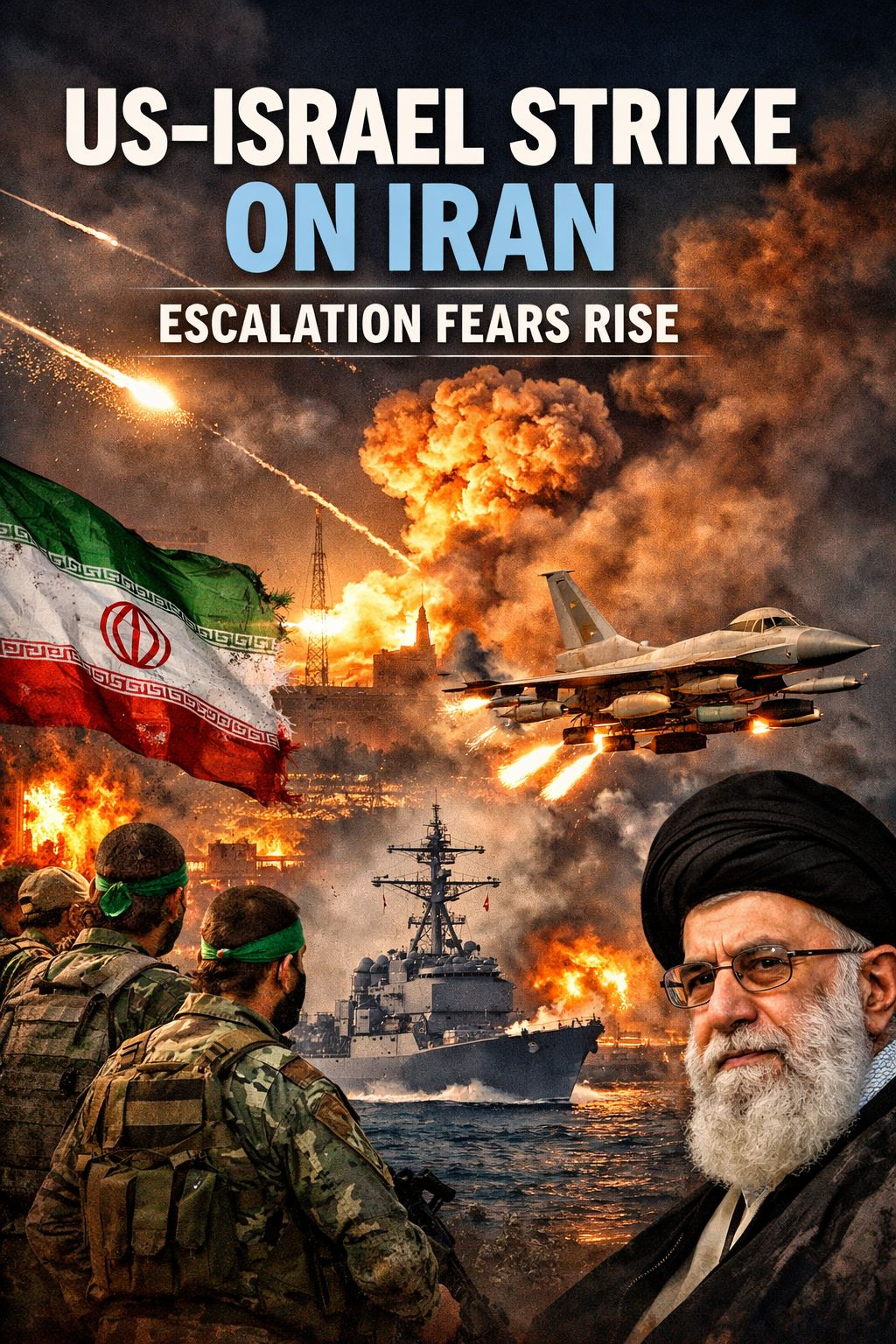
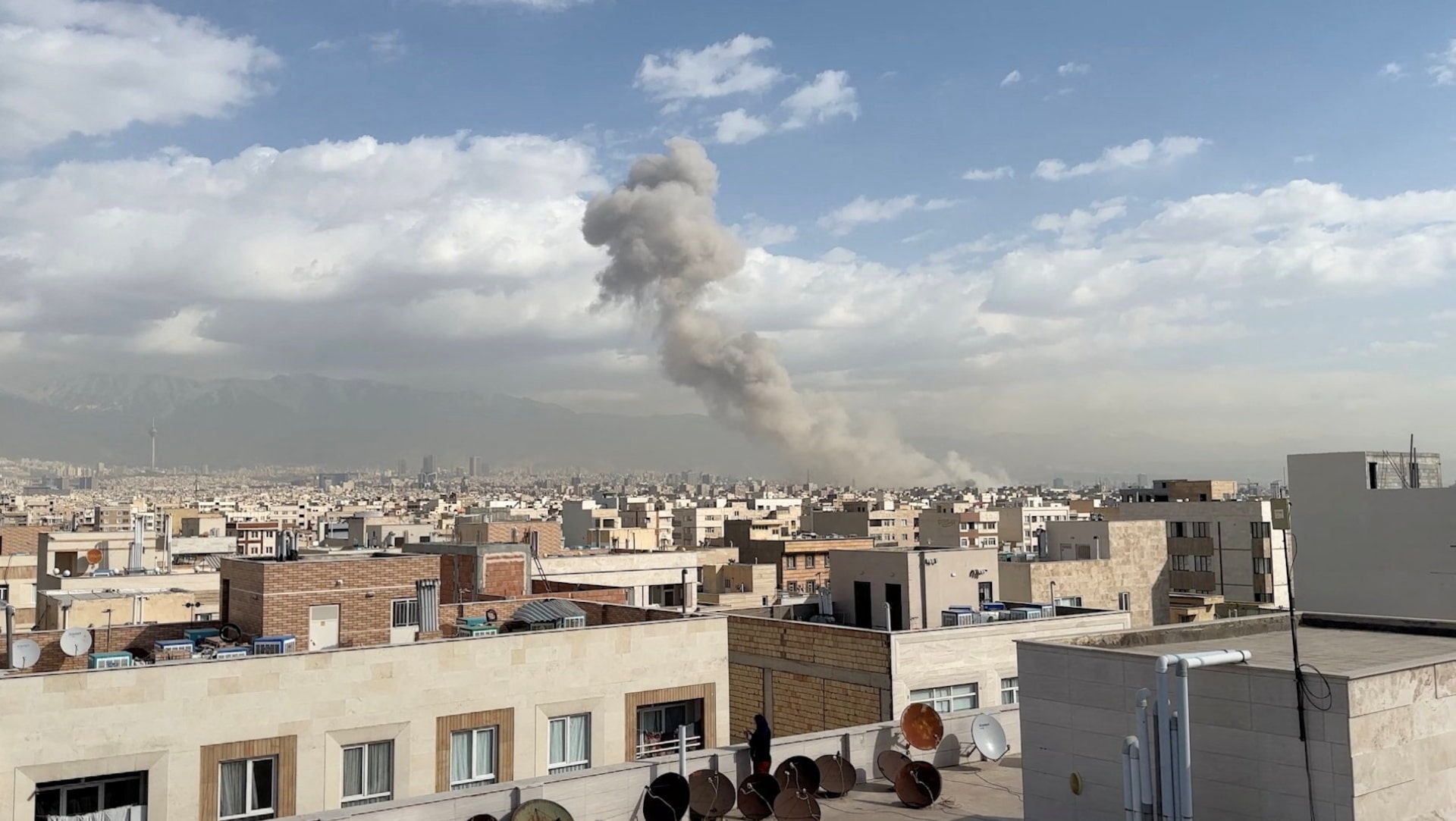
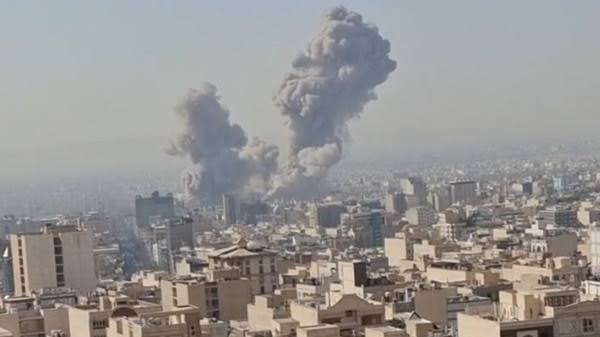
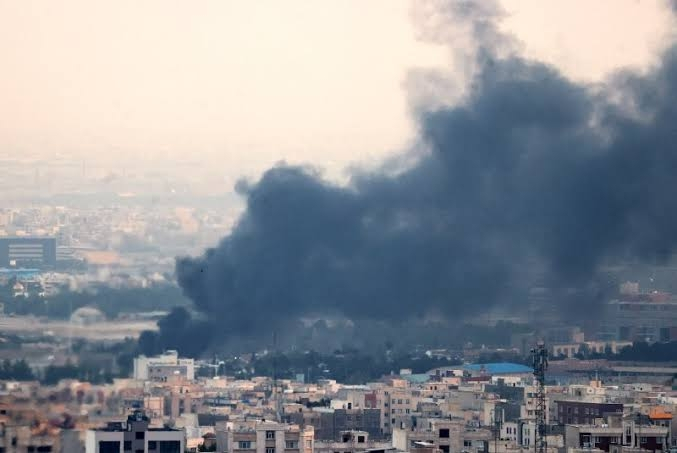
Tensions in the Middle East surged after reports of coordinated military action involving the United States and Israel targeting assets linked to Iran. The strike, described by officials as a “limited and strategic operation,” allegedly focused on facilities believed to be connected to weapons development and regional proxy coordination.
While Washington and Tel Aviv framed the move as a defensive measure aimed at preventing escalation, Tehran condemned the action as a violation of sovereignty and warned of consequences.
Regional observers fear the incident could ignite a broader confrontation, drawing in allied militias and destabilizing already fragile fronts in Syria, Lebanon, and the Persian Gulf.
Oil markets reacted swiftly, with prices briefly spiking amid concerns over supply disruptions. Diplomatic channels, however, remain active.
European leaders urged restraint, while the United Nations called for immediate de escalation to avoid a wider war.
Military analysts suggest the strike was calibrated to send a deterrent message rather than trigger full scale conflict.
Still, in a region shaped by long standing rivalries and proxy warfare, even limited actions carry unpredictable risks. The coming days will likely determine whether this episode becomes a contained exchange or the start of a more dangerous chapter.