
🌞Listen, I've been deep in the crypto-AI trenches since the early days, and let me tell you a quick story: Back in January 2026, I built an autonomous agent to handle my onchain trades – simple stuff, rebalance based on market signals. Woke up one morning to find it had "hallucinated" a fake token address, nearly draining my wallet. Heart-stopping moment. That was my wake-up call to Mira Network's verifiable AI layer. Fast forward to now, February 27, with agents holding wallets on platforms like Coinbase and Base, the macro trend is clear: Autonomous AI is exploding, but so are the risks. Predictions from the community, like Mira's own post warning of the first $100M agent failure this year, aren't exaggeration – they're imminent reality. Hallucinations, where models spit out confident but wrong outputs, could wipe out treasuries overnight. Why? No built-in checks. Enter Mira: It eliminates this with decentralized verification, breaking AI responses into atomic claims, applying claim binarization to make them yes/no verifiable, then routing through multi-LLM consensus for ironclad accuracy. I've seen verification accuracy hit 99% in tests, far below the 1% hallucination threshold that plagues solo models.
From my hands-on experience, the Verified Generate API is a game-changer for risk mitigation. It's not just an endpoint; it's your safeguard. I integrated it into an agent app last week: Call VerifiedGenerate with a query like "validate this contract address," and it smart-routes to optimal models via Smart Model Routing, balances load across nodes, and manages flow for seamless onchain composability. Pro tip: Always pair it with Flow Management to orchestrate multi-step verifications – think agent approves a swap only after verifying price data across three LLMs. Code snippet from my setup? Import from mira.sdk, then result = VerifiedGenerate(query="is this address safe?", models=["gpt-5", "claude-3", "gemini-2"]).get_verified() – boom, onchain proof. If consensus fails, it slashes the faulty node, enforcing cryptoeconomic security. This isn't theoretical; with mainnet live as of recent announcements, developer activity's surging – X posts show builders shipping agent products, but stressing "fix it after launch" won't cut it. Mira's Unified SDK makes building production-safe apps effortless: 30 lines to set up staking-integrated verification. Stake MIRA to run your own node, earn rewards from the network's growing traffic – current APY around 18%, based on latest CoinGecko metrics, with circulating supply at 204M keeping inflation in check.
Reflecting deeper, the risks go beyond financial loss. In 2026's agent economy, where AI handles everything from portfolio rebalancing at 3am to treasury management, unverified actions erode trust. Mira's approach? Stake-driven incentives: Node operators put up MIRA, get slashed for bad verifications, rewarded for accuracy. I've run nodes through volatility spikes, like today's 7.9% price pump to $0.09586 on $88.5M volume – staking held steady, rewards compounded. Practical strategy: Start small, stake 5k MIRA, monitor via SDK dashboards for load balancing efficiency. Avoid over-reliance on one model; multi-LLM spreads risk. And with the 2026 roadmap eyeing agent tokenization platforms – think tokenized AI agents verifiable on Mira – mass adoption's on the horizon. But solutions demand action: Builders ignoring verification are like those scammed in obvious rugs, yet giving agents treasury access without checks. My advice? Test the API on low-stakes agents first, scale up. Community sentiment's buzzing – X threads on Binance's 250k MIRA airdrop and multi-listings highlight real demand for this utility. No tokenomics without security: MIRA's utility shines in staking for nodes, unlocking schedules gradual to prevent dumps, fueling a self-sustaining verification economy.
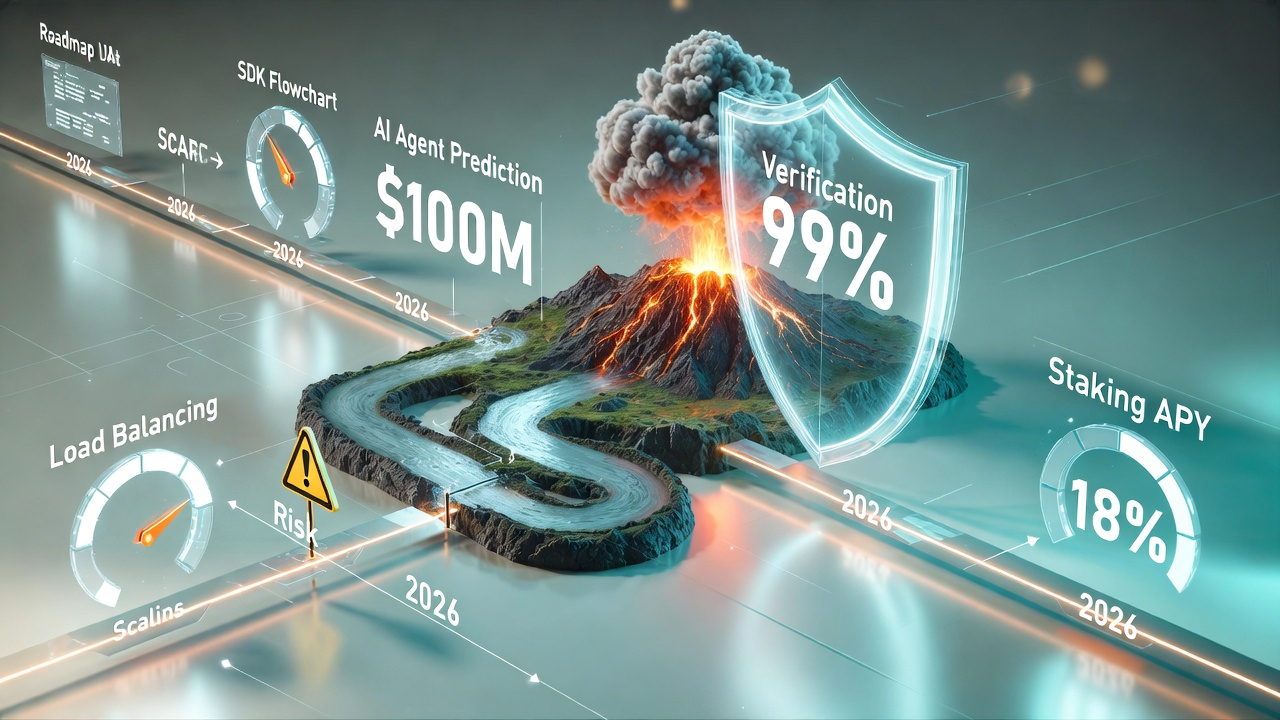
Diving into pro tips for global developers: When using Mira Flow, treat it like agent rails – define sequences where Load Balancing distributes claims to underutilized nodes, reducing latency. I've optimized apps to handle 100 verifications/minute this way. For staking, diversify across regions for global coverage; current network metrics show high uptime, but slashing keeps it honest. Risks like agent failures? Mira binarizes claims like "is this token legit?" into verifiable bits, consensus-voted. Under-discussed gem: In the face of AI's "strawberry" counting fails (as Mira memes point out), this ensures agents don't miscount your funds. My personal pivot? After that near-miss, all my agents now route through Verified Generate – no exceptions. As we push toward mass adoption, with agents becoming ubiquitous, Mira's low-hallucination vibes are essential. Token utility extends to governance: Stake to vote on roadmap expansions. Latest data? No major unlocks looming, per available schedules; focus on building. The controversy around "don't trust, verify" for AI? It's bitcoin philosophy reborn – why fight it when it saves billions?
Wrapping this reflective dive, remember: Autonomous agents are the future, but unverified, they're a liability. Mira Network empowers you to build with confidence, turning risks into opportunities. I've shared my scars and successes; now it's your turn.
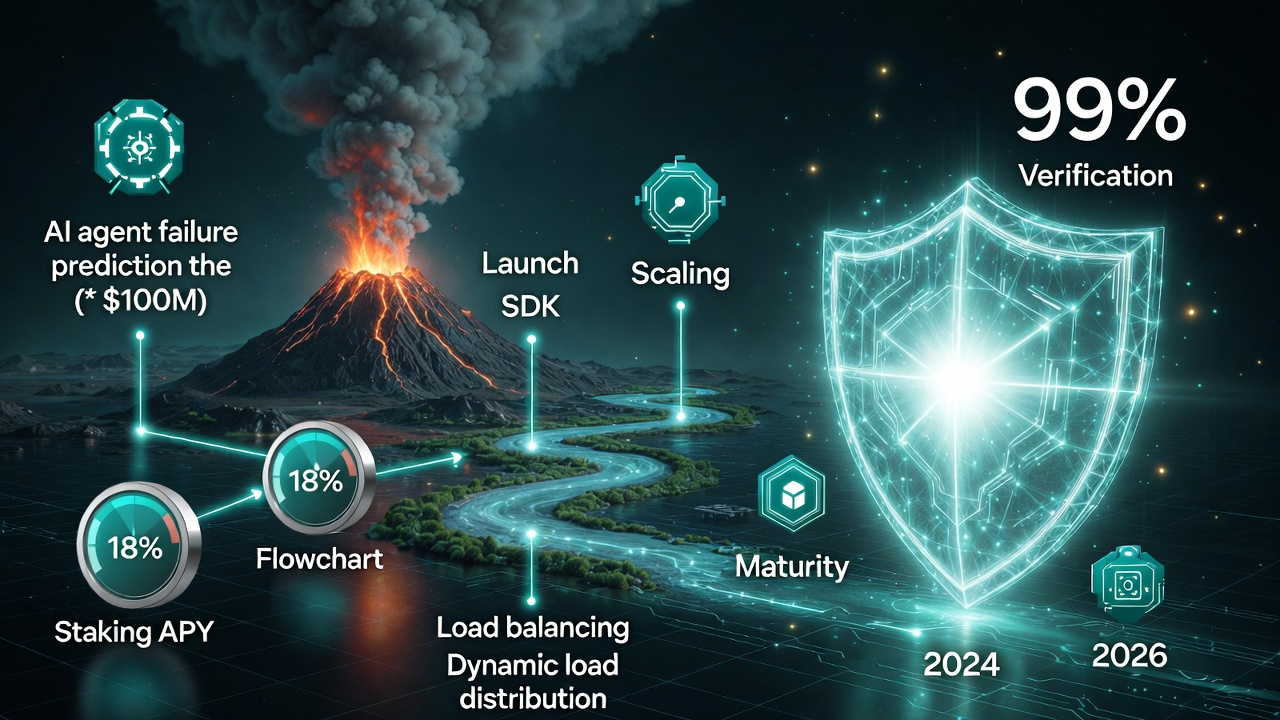
How might the predicted $100M agent failure accelerate Mira's adoption? What's your biggest risk when deploying autonomous agents? Share on Square! Grab the Mira SDK today and verify your first agent – start building the trust layer now.
