
Fogo is one of those projects that, at first glance, sounds straightforward. High-performance Layer 1. Built on the Solana Virtual Machine. Clean pitch. Efficient stack. But the more I sit with it, the more I realize it’s not really about speed in isolation. It’s about positioning in a market that’s already exhausted by promises.
Because let’s be honest “high-performance L1” has become background noise. Every new chain claims insane throughput, microscopic fees, instant finality. We’ve heard it all before. So when Fogo steps into that arena, the obvious question isn’t whether it’s fast. It’s whether speed even matters anymore the way people think it does.
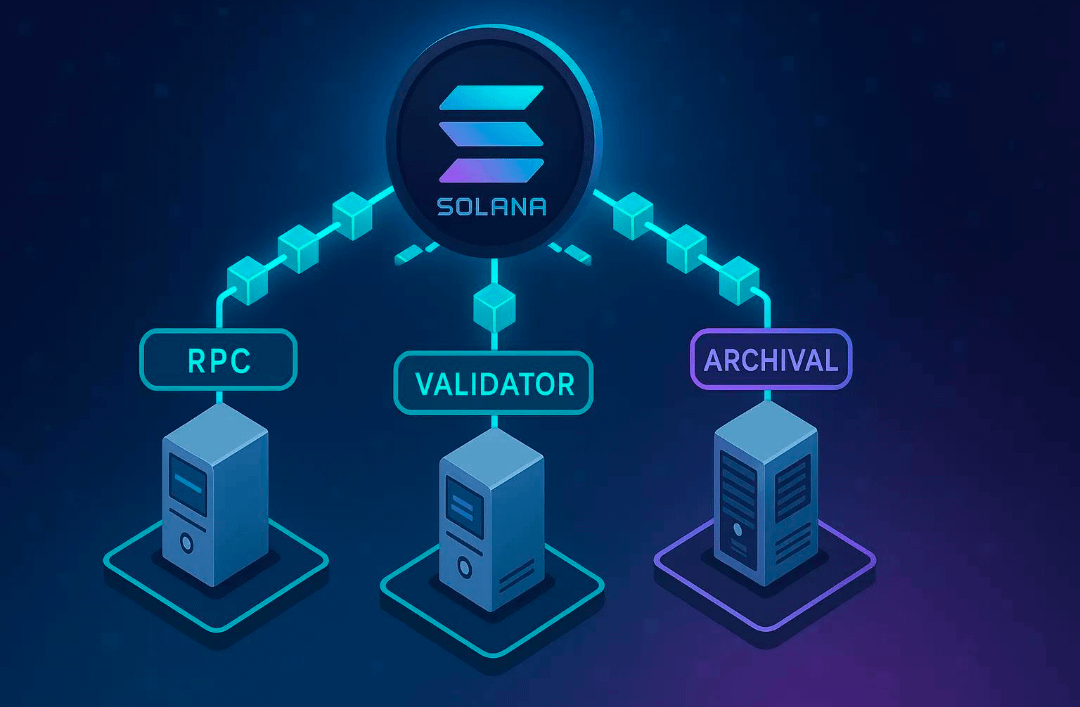
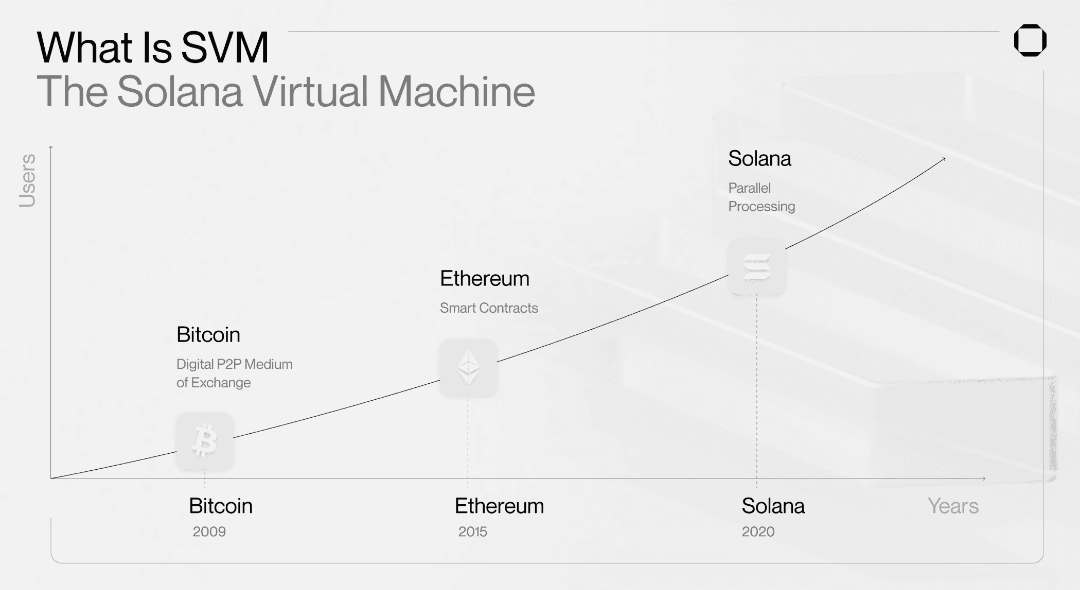
Still, performance isn’t trivial. It never was. And building on the Solana Virtual Machine isn’t some random choice. The SVM is designed for parallel execution, which is a fundamentally different philosophy from the single-threaded bottlenecks that shaped earlier blockchain architectures. Instead of forcing transactions to queue one after another, it tries to run non-conflicting operations simultaneously. That sounds technical and it is but the implication is simple: more throughput without choking the network every time activity spikes.
But here’s the thing. Borrowing the SVM isn’t innovation by itself. It’s leverage.
And leverage can cut both ways.
On one hand, Fogo avoids the painful phase of designing a virtual machine from scratch, which is a massive technical gamble. VM design mistakes aren’t cosmetic. They echo for years. By standing on infrastructure that has already endured real-world stress, Fogo reduces that existential risk. It inherits battle-tested execution logic, developer familiarity, and a growing ecosystem of tooling.
On the other hand, it also inherits comparisons. Constant ones. If you’re using the same execution environment as Solana, people will ask why you’re not just building on Solana. That question won’t go away. It shouldn’t.
Maybe the answer lies in flexibility. A separate L1 can experiment with governance, validator incentives, or fee markets in ways the original ecosystem can’t without destabilizing itself. It can tune parameters differently. It can optimize for niche workloads. It can build cultural identity around something distinct. But none of that is automatic. It has to be intentional.
And intention is where things get interesting.
Because performance chains don’t fail due to lack of TPS on a slide deck. They fail when real usage collides with imperfect coordination. Validator hardware limitations. Network synchronization issues. Software bugs that only appear under extreme load. You can simulate traffic all day long, but production environments expose truths that no lab environment will ever reveal.
Fogo’s biggest challenge won’t be theoretical throughput. It will be operational discipline.
I keep coming back to that.
Operational discipline isn’t flashy. It’s not something you can market with dramatic metrics. It’s about uptime, client diversity, well-tested upgrades, and a governance culture that doesn’t rush decisions for hype. It’s about saying no to shortcuts. And in crypto, where cycles reward speed over caution, that’s a hard line to hold.
There’s also the economic layer, which people underestimate until it’s too late. Validator incentives must be strong enough to secure the network but not so inflated that the token becomes a short-term farm-and-dump instrument. Striking that balance is brutal. Too much inflation, and long-term holders bleed. Too little, and participation shrinks. Security is never free.
And then there’s the developer side. Developers don’t care about slogans. They care about working RPC endpoints at 3 a.m. They care about documentation that actually explains edge cases. They care about predictable gas behavior and clean error messages. A chain can boast about throughput all it wants, but if debugging feels like wandering through fog, teams will quietly migrate elsewhere.

The more I think about it, the more I see Fogo’s decision to use the SVM as both a strength and a constraint. It gains immediate credibility in performance discussions, but it also narrows its differentiation window. So differentiation has to come from somewhere else. Governance? Fee structure? Ecosystem incentives? Maybe cultural identity.
Culture matters more than people admit.
Some chains feel like financial infrastructure. Others feel like experimental playgrounds. Some attract hardcore DeFi engineers. Others pull in NFT communities or gaming studios. That gravitational pull isn’t random. It’s shaped early, sometimes accidentally. Fogo will need to decide what kind of gravity it wants.
And there’s a larger question hovering over all of this: does the market even need another Layer 1?
It’s uncomfortable to ask. But it’s real.
Liquidity is fragmented across dozens of networks. Bridges add complexity and risk. Users juggle wallets and gas tokens. From a pure efficiency standpoint, consolidation would make sense. Yet fragmentation persists because different architectures solve different trade-offs. Some prioritize decentralization above all. Others chase performance. Others experiment with modularity.

Fogo seems firmly planted in the performance-first camp. That’s not a bad place to be. High-frequency trading, real-time gaming, and complex on-chain coordination require low latency and high throughput. Those aren’t hypothetical use cases anymore. They’re growing.
But speed attracts sharks.
MEV strategies thrive in high-performance environments. Bots exploit microsecond differences. Advanced operators squeeze value from every inefficiency. Without thoughtful design, the same parallel execution that empowers builders can empower extractors. Fairness becomes fragile.
So the conversation shifts from “How fast?” to “Fast for whom?”
That’s where governance and protocol design intersect in subtle ways. Transaction ordering rules, fee prioritization, and validator incentives shape who wins in practice. If Fogo wants to cultivate a sustainable ecosystem, it can’t ignore that dynamic. Otherwise, everyday users will feel like background actors in a system optimized for professionals.
I don’t think Fogo’s story is about replacing anything. It’s about carving out a lane. Maybe a narrower lane than some expect. But narrow doesn’t mean insignificant. Specialized infrastructure often outperforms generalized infrastructure in specific contexts.
Still, survival requires more than technical elegance. It requires relentless execution. Partnerships that bring real applications. Liquidity programs that don’t just inflate metrics temporarily. Communication that doesn’t overpromise. And above all, resilience when something inevitably goes wrong.
Because something always goes wrong.
That’s the unspoken rule of distributed systems.
When I step back, I don’t see Fogo as just another chain shouting about TPS. I see it as an experiment in strategic alignment leveraging an existing execution model while trying to build a distinct identity on top of it. Whether that works depends less on architecture and more on community, discipline, and long-term thinking.
Fast chains are easy to announce. Durable chains are hard to build.
And durability doesn’t reveal itself in the first six months. It shows up in how a network behaves after the hype fades, after incentives cool down, after the first real crisis tests its structure. That’s when design choices stop being theoretical.
So maybe the real question isn’t whether Fogo is high-performance. It probably is. The deeper question is whether it can turn that performance into something sticky. Something developers rely on. Something users trust without thinking twice.
Speed gets attention.
Consistency earns loyalty.
And in the end, loyalty is what keeps a Layer 1 alive when the market stops cheering.

