
Executive Summary
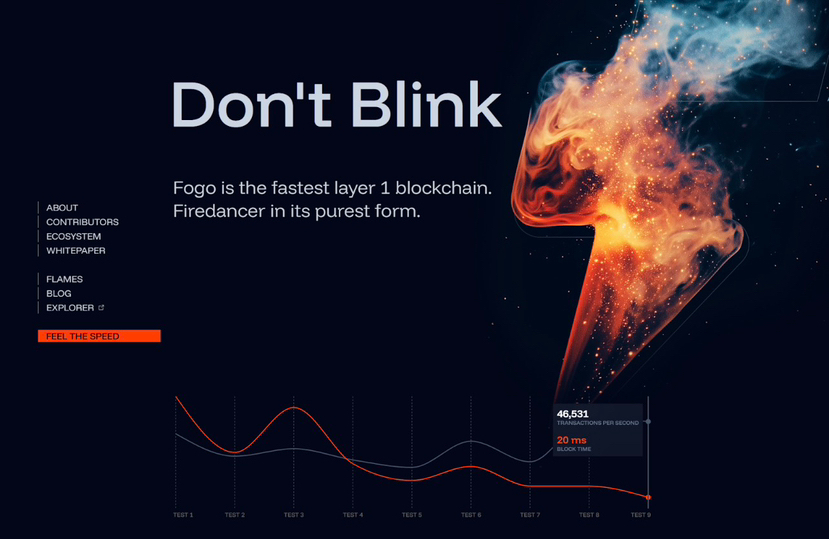
@Fogo Official is not attempting to be a generalized smart contract chain competing on ecosystem breadth. Instead, it represents a focused infrastructure thesis: optimize blockchain architecture for real-time financial execution.
This research paper examines Fogo’s structural design, competitive positioning, economic model, and long-term strategic objectives within the evolving SVM landscape.
1. Strategic Positioning: Specialization Over Generalization
Most Layer-1 networks aim to maximize composability across NFTs, gaming, DeFi, and social applications.
Fogo takes a different route.
Its strategic objective is clear:
Build a high-performance execution environment optimized for trading, derivatives, and latency-sensitive financial systems.
This specialization narrows its target market but strengthens its differentiation.
Rather than competing across all verticals, Fogo concentrates on the most capital-dense segment of crypto: real-time financial markets.
⸻
2. Technical Architecture & Performance Philosophy
2.1 SVM Compatibility
Fogo leverages Solana Virtual Machine compatibility, enabling:
• Contract portability
• Tooling reuse
• Developer migration efficiency
• Faster ecosystem bootstrapping
This reduces onboarding friction and allows Fogo to position itself as a performance-optimized extension within the broader SVM ecosystem.
⸻
2.2 Firedancer-Based Client Optimization
Fogo utilizes a customized Firedancer-based client architecture, which emphasizes:
• Parallel execution
• Hardware efficiency
• Deterministic throughput
• Low latency variance
Why this matters:
In trading environments, execution consistency is more critical than peak TPS numbers. Market makers and high-frequency traders prioritize predictable latency under stress.
Fogo’s design suggests it is optimizing for real-world trading conditions rather than benchmark marketing.
⸻
2.3 Validator Colocation Strategy
One of Fogo’s most controversial yet strategically interesting design decisions is validator colocation in high-performance data centers.
Advantages:
• Reduced propagation delay
• Improved block confirmation speed
• Better alignment with trading infrastructure
• Lower execution unpredictability
Trade-off:
• Perception of early centralization
• Geographic concentration risk
However, this appears to be a phased rollout approach prioritizing performance stability before wider decentralization.
3. Ecosystem Architecture: The Four-Layer Model
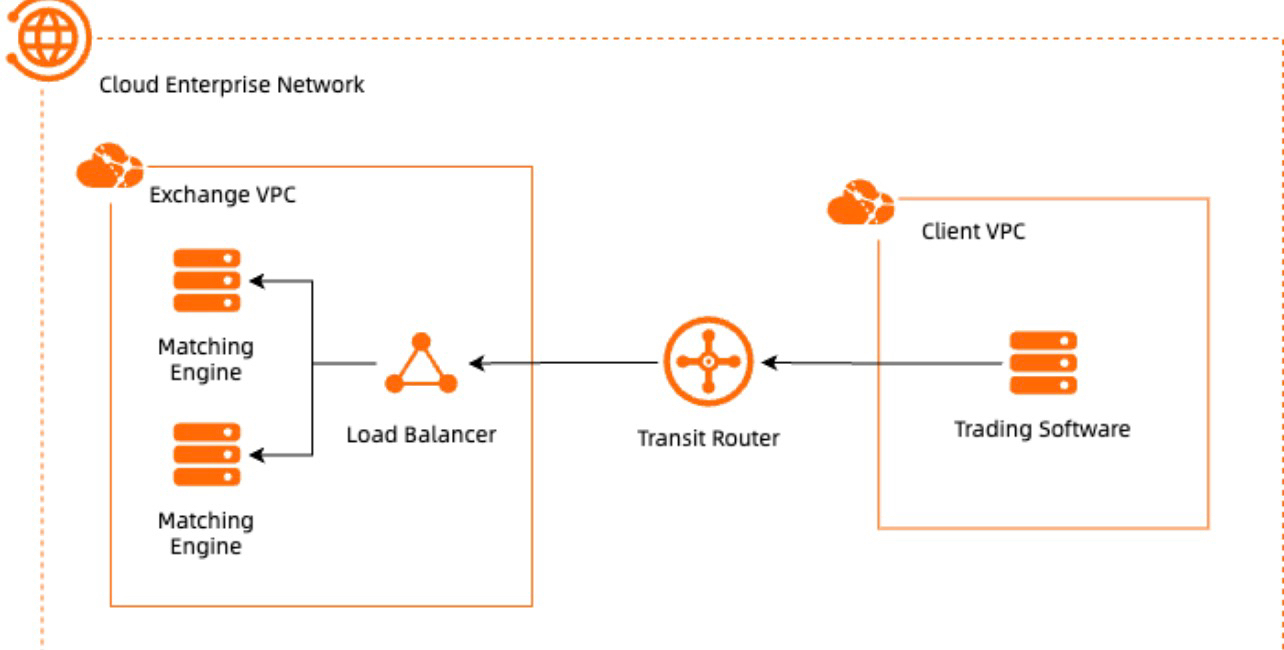
Fogo’s ecosystem forms through interconnected layers:
Layer 1 — Infrastructure
• RPC optimization
• Indexing services
• Data pipelines
• Execution engine stability
Without reliable infrastructure, financial applications cannot scale.
⸻
Layer 2 — Trading Engine
• Perpetual DEXs
• Hybrid AMM + orderbook models
• Derivatives platforms
This layer drives volume, which drives liquidity.
⸻
Layer 3 — Capital Efficiency
• Lending
• Leverage
• Staking systems
This allows capital to circulate across applications rather than remain idle.
⸻
Layer 4 — Accessibility
• Wallet integrations
• Cross-chain bridges
• Developer tooling
Reducing friction increases liquidity inflow probability.
4. Economic Design & $FOGO Value Capture
The $FOGO token plays a central economic role:
• Network gas utility
• Validator staking
• Incentive alignment
• Ecosystem funding
The critical long-term question:
Does trading volume create sustainable token demand?
If fee flow drives staking demand and staking reduces circulating supply, token value could become structurally tied to ecosystem growth.
However, this depends on real liquidity concentration rather than temporary incentive-driven activity.
⸻
5. Competitive Landscape
Fogo competes across three dimensions:
1. Core Solana improvements
2. Other SVM-based performance chains
3. App-specific rollups focused on derivatives
Its advantage lies in:
• Performance specialization
• Financial execution focus
• Validator latency engineering
Its vulnerability lies in:
• Liquidity fragmentation
• Narrative dependency on derivatives growth
• Decentralization trade-off perception
⸻
6. Long-Term Vision
Fogo’s long-term ambition appears to be:
• Becoming the execution hub for on-chain derivatives
• Supporting institutional-grade DeFi systems
• Acting as a performance extension layer within SVM
• Gradually decentralizing without sacrificing throughput
If the next market cycle emphasizes:
• Institutional capital
• On-chain structured products
• High-frequency trading environments
Then Fogo’s specialization could become a major competitive advantage.
⸻
Final Assessment
@Fogo Official is an infrastructure-first bet.
It is not optimized for social narratives or NFT cycles.
It is engineered for execution quality, financial throughput, and trading efficiency.
If it successfully aligns:
• Low latency
• Liquidity concentration
• Sustainable $FOGO token economics
It could emerge as a specialized financial backbone within the SVM ecosystem.