

#signdigitalsovereignlnfra
signdigitalsovereignlnfra
56,050 Aufrufe
1,021 Kommentare
Hot
Zuletzt

·
--
$SIGN – Digitale Souveränität Infrastruktur: Unterbewertete Gelegenheit oder überengineerte Erzählung?Während sich der Kryptomarkt weiterhin zwischen KI, DeFi und von Memes getriebenem Momentum dreht, baut eine andere Klasse von Projekten still und leise grundlegende Infrastruktur auf. $SIGN ist einer der bemerkenswertesten Namen in dieser Kategorie.
Im Gegensatz zu typischen Projekten, die sich auf Ertragsoptimierung oder kurzfristiges Nutzerwachstum konzentrieren, entwickelt SIGN eine „Vertrauensschicht“ für Web3. Im Kern steht das Sign-Protokoll, ein omnichain-basiertes Bestätigungssystem, das die On-Chain-Verifizierung von Identität, Daten und Berechtigungen über mehrere Blockchains hinweg ermöglicht.
$SIGN – Digitale Souveränität Infrastruktur: Unterbewertete Gelegenheit oder überengineerte Erzählung?
Während sich der Kryptomarkt weiterhin zwischen KI, DeFi und von Memes getriebenem Momentum dreht, baut eine andere Klasse von Projekten still und leise grundlegende Infrastruktur auf. $SIGN ist einer der bemerkenswertesten Namen in dieser Kategorie.
Im Gegensatz zu typischen Projekten, die sich auf Ertragsoptimierung oder kurzfristiges Nutzerwachstum konzentrieren, entwickelt SIGN eine „Vertrauensschicht“ für Web3. Im Kern steht das Sign-Protokoll, ein omnichain-basiertes Bestätigungssystem, das die On-Chain-Verifizierung von Identität, Daten und Berechtigungen über mehrere Blockchains hinweg ermöglicht.
Im Gegensatz zu typischen Projekten, die sich auf Ertragsoptimierung oder kurzfristiges Nutzerwachstum konzentrieren, entwickelt SIGN eine „Vertrauensschicht“ für Web3. Im Kern steht das Sign-Protokoll, ein omnichain-basiertes Bestätigungssystem, das die On-Chain-Verifizierung von Identität, Daten und Berechtigungen über mehrere Blockchains hinweg ermöglicht.
4
13
3.3k

#signDigitalSovereignlnfra $SIGN
Die Infrastruktur, die von @SignOfficial aufgebaut wird, ist beeindruckend. Es geht nicht nur um Technologie; es geht darum, den Menschen die Macht zurückzugeben. Die Nutzbarkeit des SIGN-Tokens innerhalb dieses Ökosystems ist ein echter Game-Changer.
#signDigitalSovereignlnfra $SIGN
Die Infrastruktur, die von @SignOfficial aufgebaut wird, ist beeindruckend. Es geht nicht nur um Technologie; es geht darum, den Menschen die Macht zurückzugeben. Die Nutzbarkeit des SIGN-Tokens innerhalb dieses Ökosystems ist ein echter Game-Changer.
Die Infrastruktur, die von @SignOfficial aufgebaut wird, ist beeindruckend. Es geht nicht nur um Technologie; es geht darum, den Menschen die Macht zurückzugeben. Die Nutzbarkeit des SIGN-Tokens innerhalb dieses Ökosystems ist ein echter Game-Changer.
1
1
65

@SignOfficial
Das Projekt SignOfficial ($SIGN) ist eines der aufstrebenden Projekte in der Welt der Kryptowährungen, das sich darauf konzentriert, innovative Lösungen im Bereich der digitalen Signaturen unter Verwendung der Blockchain-Technologie anzubieten. Die grundlegende Idee des Projekts besteht darin, Einzelpersonen und Unternehmen zu befähigen, sichere und zuverlässige elektronische Signaturen durchzuführen, wobei sichergestellt wird, dass die Daten nicht manipuliert oder gefälscht werden, was einen wichtigen Schritt in Richtung einer sichereren und transparenteren digitalen Zukunft darstellt 🔐
📊 Was $SIGN von anderen unterscheidet, ist, dass es sich nicht nur auf seine Funktion als digitale Währung zum Handel stützt, sondern auch darauf abzielt, ein integriertes System aufzubauen, das tatsächlich in Verträgen, Vereinbarungen und offiziellen Dokumenten verwendet werden kann, was seinen wahren Wert auf lange Sicht steigert. Auch das wachsende Interesse an Projekten, die echte Web3-Lösungen anbieten, macht dieses Projekt zu einem Wachstumskandidaten, insbesondere mit der globalen Ausweitung der Nutzung elektronischer Signaturen.
🚀 Wenn das Team weiterhin entwickelt und Partnerschaften erweitert, könnten wir in der kommenden Zeit einen bemerkenswerten Anstieg des Wertes des Projekts beobachten. Daher wird immer empfohlen, die Nachrichten und Updates zu SignOfficial zu verfolgen, bevor man eine Investitionsentscheidung trifft, da Projekte, die starke Technologie mit praktischer Anwendung verbinden, oft die nachhaltigsten im Kryptomarkt sind 📈
$SIGN
#signDigitalSovereignlnfra
#SignDigitalSovereignlnfra
{spot}(SIGNUSDT)
@SignOfficial
Das Projekt SignOfficial ($SIGN ) ist eines der aufstrebenden Projekte in der Welt der Kryptowährungen, das sich darauf konzentriert, innovative Lösungen im Bereich der digitalen Signaturen unter Verwendung der Blockchain-Technologie anzubieten. Die grundlegende Idee des Projekts besteht darin, Einzelpersonen und Unternehmen zu befähigen, sichere und zuverlässige elektronische Signaturen durchzuführen, wobei sichergestellt wird, dass die Daten nicht manipuliert oder gefälscht werden, was einen wichtigen Schritt in Richtung einer sichereren und transparenteren digitalen Zukunft darstellt 🔐
📊 Was $SIGN von anderen unterscheidet, ist, dass es sich nicht nur auf seine Funktion als digitale Währung zum Handel stützt, sondern auch darauf abzielt, ein integriertes System aufzubauen, das tatsächlich in Verträgen, Vereinbarungen und offiziellen Dokumenten verwendet werden kann, was seinen wahren Wert auf lange Sicht steigert. Auch das wachsende Interesse an Projekten, die echte Web3-Lösungen anbieten, macht dieses Projekt zu einem Wachstumskandidaten, insbesondere mit der globalen Ausweitung der Nutzung elektronischer Signaturen.
🚀 Wenn das Team weiterhin entwickelt und Partnerschaften erweitert, könnten wir in der kommenden Zeit einen bemerkenswerten Anstieg des Wertes des Projekts beobachten. Daher wird immer empfohlen, die Nachrichten und Updates zu SignOfficial zu verfolgen, bevor man eine Investitionsentscheidung trifft, da Projekte, die starke Technologie mit praktischer Anwendung verbinden, oft die nachhaltigsten im Kryptomarkt sind 📈
$SIGN
#signDigitalSovereignlnfra
#SignDigitalSovereignlnfra
Das Projekt SignOfficial ($SIGN ) ist eines der aufstrebenden Projekte in der Welt der Kryptowährungen, das sich darauf konzentriert, innovative Lösungen im Bereich der digitalen Signaturen unter Verwendung der Blockchain-Technologie anzubieten. Die grundlegende Idee des Projekts besteht darin, Einzelpersonen und Unternehmen zu befähigen, sichere und zuverlässige elektronische Signaturen durchzuführen, wobei sichergestellt wird, dass die Daten nicht manipuliert oder gefälscht werden, was einen wichtigen Schritt in Richtung einer sichereren und transparenteren digitalen Zukunft darstellt 🔐
📊 Was $SIGN von anderen unterscheidet, ist, dass es sich nicht nur auf seine Funktion als digitale Währung zum Handel stützt, sondern auch darauf abzielt, ein integriertes System aufzubauen, das tatsächlich in Verträgen, Vereinbarungen und offiziellen Dokumenten verwendet werden kann, was seinen wahren Wert auf lange Sicht steigert. Auch das wachsende Interesse an Projekten, die echte Web3-Lösungen anbieten, macht dieses Projekt zu einem Wachstumskandidaten, insbesondere mit der globalen Ausweitung der Nutzung elektronischer Signaturen.
🚀 Wenn das Team weiterhin entwickelt und Partnerschaften erweitert, könnten wir in der kommenden Zeit einen bemerkenswerten Anstieg des Wertes des Projekts beobachten. Daher wird immer empfohlen, die Nachrichten und Updates zu SignOfficial zu verfolgen, bevor man eine Investitionsentscheidung trifft, da Projekte, die starke Technologie mit praktischer Anwendung verbinden, oft die nachhaltigsten im Kryptomarkt sind 📈
$SIGN
#signDigitalSovereignlnfra
#SignDigitalSovereignlnfra
56

·
--

Artikel
Digitale Souveränitätsinfrastruktur, die Nationen tatsächlich nutzenDie meisten Krypto-Projekte sprechen über die Akzeptanz in der realen Welt. @SignOfficial hat sie tatsächlich.
Während alle anderen versuchen, dezentralisierte Identität an VCs zu verkaufen, implementiert S!gn die CBDC-Infrastruktur für die Nationalbank der Kirgisischen Republik. Während andere Attestierungsprotokolle Airdrops verfolgen, hat S!gn ein MoU mit dem Ministerium für nationale Blockchain-Transformation von Sierra Leone unterzeichnet.
Das ist kein Vaporware-Whitepaper-Spiel. Dies ist Infrastruktur, auf die Regierungen setzen.
was $SIGN tatsächlich macht
Das Protokoll ist eine omni-chain Attestierungsinfrastruktur. Das klingt komplex, ist aber einfach - sie erstellen überprüfbare Anmeldeinformationen, die über jede Blockchain hinweg funktionieren.
Digitale Souveränitätsinfrastruktur, die Nationen tatsächlich nutzen
Die meisten Krypto-Projekte sprechen über die Akzeptanz in der realen Welt. @SignOfficial hat sie tatsächlich.
Während alle anderen versuchen, dezentralisierte Identität an VCs zu verkaufen, implementiert S!gn die CBDC-Infrastruktur für die Nationalbank der Kirgisischen Republik. Während andere Attestierungsprotokolle Airdrops verfolgen, hat S!gn ein MoU mit dem Ministerium für nationale Blockchain-Transformation von Sierra Leone unterzeichnet.
Das ist kein Vaporware-Whitepaper-Spiel. Dies ist Infrastruktur, auf die Regierungen setzen.
was $SIGN tatsächlich macht
Das Protokoll ist eine omni-chain Attestierungsinfrastruktur. Das klingt komplex, ist aber einfach - sie erstellen überprüfbare Anmeldeinformationen, die über jede Blockchain hinweg funktionieren.
Während alle anderen versuchen, dezentralisierte Identität an VCs zu verkaufen, implementiert S!gn die CBDC-Infrastruktur für die Nationalbank der Kirgisischen Republik. Während andere Attestierungsprotokolle Airdrops verfolgen, hat S!gn ein MoU mit dem Ministerium für nationale Blockchain-Transformation von Sierra Leone unterzeichnet.
Das ist kein Vaporware-Whitepaper-Spiel. Dies ist Infrastruktur, auf die Regierungen setzen.
was $SIGN tatsächlich macht
Das Protokoll ist eine omni-chain Attestierungsinfrastruktur. Das klingt komplex, ist aber einfach - sie erstellen überprüfbare Anmeldeinformationen, die über jede Blockchain hinweg funktionieren.
1
9
3.1k


Von TokenTable zu nationalen Airdrops: Die Evolution der konformen Tokenverteilung Ein näherer BlickEinführung
Wenn Sie lange genug im Kryptobereich sind, haben Sie wahrscheinlich einen seltsamen Widerspruch bemerkt: Wir haben unglaublich ausgeklügelte Finanzsysteme on-chain aufgebaut, doch etwas so Grundlegendes wie die faire und konforme Verteilung von Tokens fühlte sich oft chaotisch, manuell und manchmal sogar völlig chaotisch an.
Airdrops verpassen Wallets. Vesting-Zeitpläne brechen. Vorschriften schleichen sich nachträglich ein. Und für Projekte, die über mehrere Rechtsordnungen hinweg tätig sind, verwandelt sich „einfach Tokens senden“ in ein rechtliches und technisches Minenfeld.
Von TokenTable zu nationalen Airdrops: Die Evolution der konformen Tokenverteilung Ein näherer Blick
Einführung
Wenn Sie lange genug im Kryptobereich sind, haben Sie wahrscheinlich einen seltsamen Widerspruch bemerkt: Wir haben unglaublich ausgeklügelte Finanzsysteme on-chain aufgebaut, doch etwas so Grundlegendes wie die faire und konforme Verteilung von Tokens fühlte sich oft chaotisch, manuell und manchmal sogar völlig chaotisch an.
Airdrops verpassen Wallets. Vesting-Zeitpläne brechen. Vorschriften schleichen sich nachträglich ein. Und für Projekte, die über mehrere Rechtsordnungen hinweg tätig sind, verwandelt sich „einfach Tokens senden“ in ein rechtliches und technisches Minenfeld.
Wenn Sie lange genug im Kryptobereich sind, haben Sie wahrscheinlich einen seltsamen Widerspruch bemerkt: Wir haben unglaublich ausgeklügelte Finanzsysteme on-chain aufgebaut, doch etwas so Grundlegendes wie die faire und konforme Verteilung von Tokens fühlte sich oft chaotisch, manuell und manchmal sogar völlig chaotisch an.
Airdrops verpassen Wallets. Vesting-Zeitpläne brechen. Vorschriften schleichen sich nachträglich ein. Und für Projekte, die über mehrere Rechtsordnungen hinweg tätig sind, verwandelt sich „einfach Tokens senden“ in ein rechtliches und technisches Minenfeld.
7
266

·
--
Artikel
SIGN: Das Protokoll, das die Vertrauensschicht des Internets sein will, bevor es jemand anderes schafftVor ein paar Monaten habe ich meine KYC-Dokumente zum fünften Mal auf drei verschiedenen Krypto-Plattformen überprüft. Der gleiche Reisepass. Das gleiche Selfie. Der gleiche Adressnachweis. Und ich erinnere mich, dass ich dachte, warum fragt mich das Internet jedes Mal, wenn ich mich anmelde, von Grund auf, wer ich bin?
Diese eine Frustration hat mich in ein Forschungslabyrinth geführt, das mich schließlich auf ein Projekt namens Sign Protocol brachte. Und je mehr ich grub, desto schwieriger wurde es, wegzuschauen.
Wir sprechen ständig über Dezentralisierung in diesem Bereich. Vertrauenslose Systeme. Genehmigungsfreie Finanzen. On-Chain alles. Aber das eine, was die meisten davon zusammenhält, ist das Vertrauen in Daten. Vertrauen, dass ein Dokument echt ist. Vertrauen, dass eine Identität gültig ist. Vertrauen, dass ein Zertifikat nicht manipuliert wurde. Und im Moment läuft diese gesamte Verifizierungsschicht immer noch auf Web2-Schienen. Zentralisierte Datenbanken. Institutionelle Gatekeeper. Endloser Papierkram. Sign Protocol baut die Infrastruktur, um das dauerhaft zu ändern.
SIGN: Das Protokoll, das die Vertrauensschicht des Internets sein will, bevor es jemand anderes schafft
Vor ein paar Monaten habe ich meine KYC-Dokumente zum fünften Mal auf drei verschiedenen Krypto-Plattformen überprüft. Der gleiche Reisepass. Das gleiche Selfie. Der gleiche Adressnachweis. Und ich erinnere mich, dass ich dachte, warum fragt mich das Internet jedes Mal, wenn ich mich anmelde, von Grund auf, wer ich bin?
Diese eine Frustration hat mich in ein Forschungslabyrinth geführt, das mich schließlich auf ein Projekt namens Sign Protocol brachte. Und je mehr ich grub, desto schwieriger wurde es, wegzuschauen.
Wir sprechen ständig über Dezentralisierung in diesem Bereich. Vertrauenslose Systeme. Genehmigungsfreie Finanzen. On-Chain alles. Aber das eine, was die meisten davon zusammenhält, ist das Vertrauen in Daten. Vertrauen, dass ein Dokument echt ist. Vertrauen, dass eine Identität gültig ist. Vertrauen, dass ein Zertifikat nicht manipuliert wurde. Und im Moment läuft diese gesamte Verifizierungsschicht immer noch auf Web2-Schienen. Zentralisierte Datenbanken. Institutionelle Gatekeeper. Endloser Papierkram. Sign Protocol baut die Infrastruktur, um das dauerhaft zu ändern.
Diese eine Frustration hat mich in ein Forschungslabyrinth geführt, das mich schließlich auf ein Projekt namens Sign Protocol brachte. Und je mehr ich grub, desto schwieriger wurde es, wegzuschauen.
Wir sprechen ständig über Dezentralisierung in diesem Bereich. Vertrauenslose Systeme. Genehmigungsfreie Finanzen. On-Chain alles. Aber das eine, was die meisten davon zusammenhält, ist das Vertrauen in Daten. Vertrauen, dass ein Dokument echt ist. Vertrauen, dass eine Identität gültig ist. Vertrauen, dass ein Zertifikat nicht manipuliert wurde. Und im Moment läuft diese gesamte Verifizierungsschicht immer noch auf Web2-Schienen. Zentralisierte Datenbanken. Institutionelle Gatekeeper. Endloser Papierkram. Sign Protocol baut die Infrastruktur, um das dauerhaft zu ändern.
4
260

·
--
Artikel
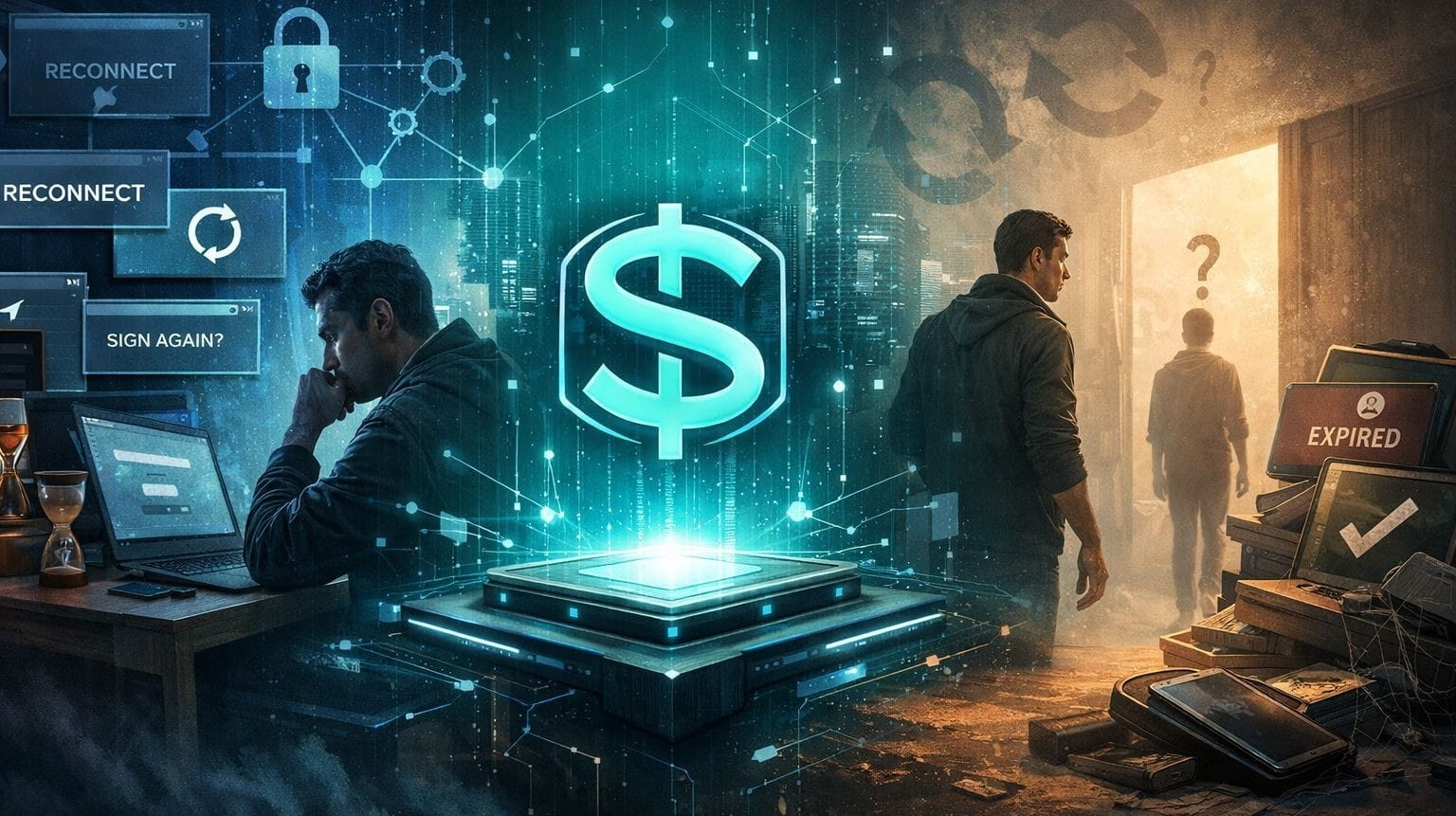
Was SIGN einzigartig macht, ist ihr Ansatz zur Regierungsadoption#signDigitalSovereignlnfra
Sign ist eine der leistungsstärksten Währungen, fast jeden Tag, und ich bin erstaunt, wie sie eine enorme Steigerung bietet, die uns sagt, dass es die beliebteste Währung unter den großen Spielern ist.
Sie hat so viele Möglichkeiten, dass ich mich frage, wie hoch sie in einem Augenblick steigen kann.
Das Volumen dieser Währung ist beeindruckend.
Auch .S.I.G.N ist die souveräne Infrastruktur der globalen Nationen, die die digitale Infrastruktur von Regierungen und organisierten Institutionen revolutioniert. Es ist eine souveräne Infrastruktur, die darauf ausgelegt ist, nationale Systeme für Geld, Identität und Kapital unter einem nahtlosen Rahmen zu vereinen.
Was SIGN einzigartig macht, ist ihr Ansatz zur Regierungsadoption
#signDigitalSovereignlnfra
Sign ist eine der leistungsstärksten Währungen, fast jeden Tag, und ich bin erstaunt, wie sie eine enorme Steigerung bietet, die uns sagt, dass es die beliebteste Währung unter den großen Spielern ist.
Sie hat so viele Möglichkeiten, dass ich mich frage, wie hoch sie in einem Augenblick steigen kann.
Das Volumen dieser Währung ist beeindruckend.
Auch .S.I.G.N ist die souveräne Infrastruktur der globalen Nationen, die die digitale Infrastruktur von Regierungen und organisierten Institutionen revolutioniert. Es ist eine souveräne Infrastruktur, die darauf ausgelegt ist, nationale Systeme für Geld, Identität und Kapital unter einem nahtlosen Rahmen zu vereinen.
Sign ist eine der leistungsstärksten Währungen, fast jeden Tag, und ich bin erstaunt, wie sie eine enorme Steigerung bietet, die uns sagt, dass es die beliebteste Währung unter den großen Spielern ist.
Sie hat so viele Möglichkeiten, dass ich mich frage, wie hoch sie in einem Augenblick steigen kann.
Das Volumen dieser Währung ist beeindruckend.
Auch .S.I.G.N ist die souveräne Infrastruktur der globalen Nationen, die die digitale Infrastruktur von Regierungen und organisierten Institutionen revolutioniert. Es ist eine souveräne Infrastruktur, die darauf ausgelegt ist, nationale Systeme für Geld, Identität und Kapital unter einem nahtlosen Rahmen zu vereinen.
65

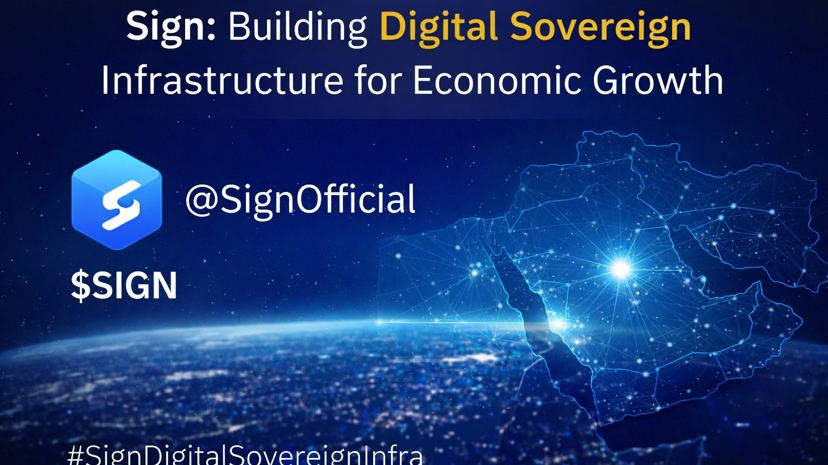
Der Nahe Osten tritt in eine entscheidende Ära der digitalen Transformation ein, in der das wirtschaftliche Wachstum zunehmend an Infrastrukturen gebunden ist, die Souveränität, Vertrauen und Skalierbarkeit fördern. Hier hebt sich @SignOfficial als eine grundlegende Schicht für die Zukunft der Region hervor.
Sign ist nicht nur ein weiteres Blockchain-Projekt, es repräsentiert digitale souveräne Infrastruktur, die darauf ausgelegt ist, Nationen, Unternehmen und Einzelpersonen mehr Kontrolle über Identität, Daten und finanzielle Interaktionen zu geben. In den sich schnell entwickelnden Volkswirtschaften im gesamten Nahen Osten ist diese Fähigkeit entscheidend. Regierungen und Institutionen suchen nach Systemen, die Dezentralisierung mit Compliance in Einklang bringen, und Sign liefert genau das.
Durch die Nutzung von $SIGN ermöglicht das Ökosystem sichere Verifizierung, transparente Governance und nahtlose Integration über Grenzen hinweg. Dies positioniert Sign als einen entscheidenden Ermöglicher der länderübergreifenden Zusammenarbeit, digitaler Identitätsrahmen und Finanzinfrastruktur der nächsten Generation. Während der Nahe Osten weiterhin stark in Smart Cities, Fintech und die Einführung von Web3 investiert, wird die Infrastruktur wie Sign unverzichtbar.
Was dies noch überzeugender macht, ist, wie Sign mit der breiteren Vision wirtschaftlicher Unabhängigkeit übereinstimmt, bei der Regionen nicht nur Teilnehmer an globalen Systemen, sondern Architekten ihrer eigenen digitalen Zukunft sind. Mit Skalierbarkeit, Interoperabilität und Sicherheit im Kern legt Sign den Grundstein für nachhaltiges, souveränes Wachstum.
Die Diskussion über digitale Souveränität hat gerade erst begonnen, und Sign führt eindeutig den Weg.
$SIGN #signDigitalSovereignlnfra
#SignDigitalSovereignInfra
Der Nahe Osten tritt in eine entscheidende Ära der digitalen Transformation ein, in der das wirtschaftliche Wachstum zunehmend an Infrastrukturen gebunden ist, die Souveränität, Vertrauen und Skalierbarkeit fördern. Hier hebt sich @SignOfficial als eine grundlegende Schicht für die Zukunft der Region hervor.
Sign ist nicht nur ein weiteres Blockchain-Projekt, es repräsentiert digitale souveräne Infrastruktur, die darauf ausgelegt ist, Nationen, Unternehmen und Einzelpersonen mehr Kontrolle über Identität, Daten und finanzielle Interaktionen zu geben. In den sich schnell entwickelnden Volkswirtschaften im gesamten Nahen Osten ist diese Fähigkeit entscheidend. Regierungen und Institutionen suchen nach Systemen, die Dezentralisierung mit Compliance in Einklang bringen, und Sign liefert genau das.
Durch die Nutzung von $SIGN ermöglicht das Ökosystem sichere Verifizierung, transparente Governance und nahtlose Integration über Grenzen hinweg. Dies positioniert Sign als einen entscheidenden Ermöglicher der länderübergreifenden Zusammenarbeit, digitaler Identitätsrahmen und Finanzinfrastruktur der nächsten Generation. Während der Nahe Osten weiterhin stark in Smart Cities, Fintech und die Einführung von Web3 investiert, wird die Infrastruktur wie Sign unverzichtbar.
Was dies noch überzeugender macht, ist, wie Sign mit der breiteren Vision wirtschaftlicher Unabhängigkeit übereinstimmt, bei der Regionen nicht nur Teilnehmer an globalen Systemen, sondern Architekten ihrer eigenen digitalen Zukunft sind. Mit Skalierbarkeit, Interoperabilität und Sicherheit im Kern legt Sign den Grundstein für nachhaltiges, souveränes Wachstum.
Die Diskussion über digitale Souveränität hat gerade erst begonnen, und Sign führt eindeutig den Weg.
$SIGN #signDigitalSovereignlnfra
#SignDigitalSovereignInfra
Sign ist nicht nur ein weiteres Blockchain-Projekt, es repräsentiert digitale souveräne Infrastruktur, die darauf ausgelegt ist, Nationen, Unternehmen und Einzelpersonen mehr Kontrolle über Identität, Daten und finanzielle Interaktionen zu geben. In den sich schnell entwickelnden Volkswirtschaften im gesamten Nahen Osten ist diese Fähigkeit entscheidend. Regierungen und Institutionen suchen nach Systemen, die Dezentralisierung mit Compliance in Einklang bringen, und Sign liefert genau das.
Durch die Nutzung von $SIGN ermöglicht das Ökosystem sichere Verifizierung, transparente Governance und nahtlose Integration über Grenzen hinweg. Dies positioniert Sign als einen entscheidenden Ermöglicher der länderübergreifenden Zusammenarbeit, digitaler Identitätsrahmen und Finanzinfrastruktur der nächsten Generation. Während der Nahe Osten weiterhin stark in Smart Cities, Fintech und die Einführung von Web3 investiert, wird die Infrastruktur wie Sign unverzichtbar.
Was dies noch überzeugender macht, ist, wie Sign mit der breiteren Vision wirtschaftlicher Unabhängigkeit übereinstimmt, bei der Regionen nicht nur Teilnehmer an globalen Systemen, sondern Architekten ihrer eigenen digitalen Zukunft sind. Mit Skalierbarkeit, Interoperabilität und Sicherheit im Kern legt Sign den Grundstein für nachhaltiges, souveränes Wachstum.
Die Diskussion über digitale Souveränität hat gerade erst begonnen, und Sign führt eindeutig den Weg.
$SIGN #signDigitalSovereignlnfra
#SignDigitalSovereignInfra
3
14
99

·
--
Artikel
SIGN OFFICIALIn der sich schnell entwickelnden digitalen Welt von heute werden Identität und Infrastruktur wichtiger denn je. Deshalb habe ich @SignOfficial und ihre Vision, eine starke digitale souveräne Infrastruktur aufzubauen, genau verfolgt. Es ist nicht nur ein weiteres Blockchain-Projekt - es ist ein Schritt in Richtung Ermächtigung von Nationen und Einzelpersonen mit sicheren, verifizierbaren digitalen Identitätssystemen.
Was mir wirklich auffällt, ist, wie $SIGN sich als wichtiger Akteur bei der Gestaltung der Zukunft digitaler Wirtschaften positioniert, insbesondere in Regionen wie dem Nahen Osten. Während Länder auf Innovation und wirtschaftliche Diversifizierung drängen, kann eine zuverlässige digitale Infrastruktur eine große Rolle spielen. Von sicherem Datenbesitz bis hin zu nahtlosen Verifizierungssystemen geht Sign reale Herausforderungen an.
SIGN OFFICIAL
In der sich schnell entwickelnden digitalen Welt von heute werden Identität und Infrastruktur wichtiger denn je. Deshalb habe ich @SignOfficial und ihre Vision, eine starke digitale souveräne Infrastruktur aufzubauen, genau verfolgt. Es ist nicht nur ein weiteres Blockchain-Projekt - es ist ein Schritt in Richtung Ermächtigung von Nationen und Einzelpersonen mit sicheren, verifizierbaren digitalen Identitätssystemen.
Was mir wirklich auffällt, ist, wie $SIGN sich als wichtiger Akteur bei der Gestaltung der Zukunft digitaler Wirtschaften positioniert, insbesondere in Regionen wie dem Nahen Osten. Während Länder auf Innovation und wirtschaftliche Diversifizierung drängen, kann eine zuverlässige digitale Infrastruktur eine große Rolle spielen. Von sicherem Datenbesitz bis hin zu nahtlosen Verifizierungssystemen geht Sign reale Herausforderungen an.
Was mir wirklich auffällt, ist, wie $SIGN sich als wichtiger Akteur bei der Gestaltung der Zukunft digitaler Wirtschaften positioniert, insbesondere in Regionen wie dem Nahen Osten. Während Länder auf Innovation und wirtschaftliche Diversifizierung drängen, kann eine zuverlässige digitale Infrastruktur eine große Rolle spielen. Von sicherem Datenbesitz bis hin zu nahtlosen Verifizierungssystemen geht Sign reale Herausforderungen an.
2
23
Anmelden und weiter Inhalte entdecken
Krypto-Nutzer weltweit auf Binance Square kennenlernen
⚡️ Bleib in Sachen Krypto stets am Puls.
💬 Die weltgrößte Kryptobörse vertraut darauf.
👍 Erhalte verlässliche Einblicke von verifizierten Creators.
E-Mail-Adresse/Telefonnummer
Trendthemen
1
#EarningsSeason
332,650 Aufrufe
2,566 Kommentare
2
#BitwiseLaunchesFirstSpotNEARETF
31,390 Aufrufe
567 Kommentare
3
#USJobOpeningsFallToFiveMonthLow
37,926 Aufrufe
439 Kommentare
4
#ECBToTestAIAgentsInDigitalEuroPayments
28,347 Aufrufe
553 Kommentare
5
#JapanFSABacksFourthStablecoinTradeSettlementPilot
32,622 Aufrufe
587 Kommentare
6
#BitgetHackerFailsToMoveStolenFunds
48,628 Aufrufe
638 Kommentare
7
#BitMineETHHoldingsTop6Million
39,203 Aufrufe
724 Kommentare
8
#StrategyAdds1666BTCHoldingsReach847666
32,130 Aufrufe
502 Kommentare
9
#NvidiaApproves$150BBuyback
5,600 Aufrufe
75 Kommentare
10
#OpenAIDelaysGPT6.1OverSafetyIssues
48,391 Aufrufe
896 Kommentare