
#openledger #
openledger #
2,387 Aufrufe
212 Kommentare
Hot
Zuletzt

·
--
Warum OpenLedger eine wichtige Schicht für dezentrale KI werden könnte
Künstliche Intelligenz wächstWarum OpenLedger eine wichtige Schicht für dezentrale KI werden könnte
Künstliche Intelligenz wächst rasant, aber eine zentrale Frage bleibt unbeantwortet: Wem gehören die Daten und die Infrastruktur, die KI-Systeme antreiben? Viele zentralisierte Plattformen kontrollieren sowohl die Modelle als auch die Belohnungen, während gewöhnliche Nutzer und Beitragsleister nur sehr wenig Wert im Gegenzug erhalten. Hier kommt @Openledger ins Spiel und bringt eine andere Vision für die Zukunft der KI- und Blockchain-Integration mit.
OpenLedger baut ein Ökosystem auf, das sich auf die dezentrale KI-Infrastruktur, die Teilnahme der Community und transparente Beitragssysteme konzentriert. Anstatt sich vollständig auf zentrale Kontrolle zu verlassen, zielt die Plattform darauf ab, eine Umgebung zu schaffen, in der Entwickler, Nutzer und Datenbeitragsleister eine aktive Rolle beim Wachstum intelligenter Systeme spielen können. Diese Idee könnte zunehmend wichtig werden, während die KI-Adoption in verschiedenen Branchen zunimmt.
Warum OpenLedger eine wichtige Schicht für dezentrale KI werden könnte Künstliche Intelligenz wächst
Warum OpenLedger eine wichtige Schicht für dezentrale KI werden könnte
Künstliche Intelligenz wächst rasant, aber eine zentrale Frage bleibt unbeantwortet: Wem gehören die Daten und die Infrastruktur, die KI-Systeme antreiben? Viele zentralisierte Plattformen kontrollieren sowohl die Modelle als auch die Belohnungen, während gewöhnliche Nutzer und Beitragsleister nur sehr wenig Wert im Gegenzug erhalten. Hier kommt @OpenLedger ins Spiel und bringt eine andere Vision für die Zukunft der KI- und Blockchain-Integration mit.
OpenLedger baut ein Ökosystem auf, das sich auf die dezentrale KI-Infrastruktur, die Teilnahme der Community und transparente Beitragssysteme konzentriert. Anstatt sich vollständig auf zentrale Kontrolle zu verlassen, zielt die Plattform darauf ab, eine Umgebung zu schaffen, in der Entwickler, Nutzer und Datenbeitragsleister eine aktive Rolle beim Wachstum intelligenter Systeme spielen können. Diese Idee könnte zunehmend wichtig werden, während die KI-Adoption in verschiedenen Branchen zunimmt.
Künstliche Intelligenz wächst rasant, aber eine zentrale Frage bleibt unbeantwortet: Wem gehören die Daten und die Infrastruktur, die KI-Systeme antreiben? Viele zentralisierte Plattformen kontrollieren sowohl die Modelle als auch die Belohnungen, während gewöhnliche Nutzer und Beitragsleister nur sehr wenig Wert im Gegenzug erhalten. Hier kommt @OpenLedger ins Spiel und bringt eine andere Vision für die Zukunft der KI- und Blockchain-Integration mit.
OpenLedger baut ein Ökosystem auf, das sich auf die dezentrale KI-Infrastruktur, die Teilnahme der Community und transparente Beitragssysteme konzentriert. Anstatt sich vollständig auf zentrale Kontrolle zu verlassen, zielt die Plattform darauf ab, eine Umgebung zu schaffen, in der Entwickler, Nutzer und Datenbeitragsleister eine aktive Rolle beim Wachstum intelligenter Systeme spielen können. Diese Idee könnte zunehmend wichtig werden, während die KI-Adoption in verschiedenen Branchen zunimmt.
54

·
--

Artikel
Je mehr ich OpenLedger studierte, desto weniger dachte ich, dass es um KI-Modelle geht.Vor ein paar Nächten habe ich mir gesagt, dass ich mit der Recherche über OpenLedger fertig bin.
Nicht, weil ich zu einem Schluss gekommen bin. Vielmehr, weil ich das Gefühl hatte, im Kreis zu laufen. Die gleichen Tabs. Die gleichen Updates. Die gleichen Fragen, die in unterschiedlichen Formen auftauchen. Irgendwann hört man auf, neue Fakten zu lernen, und beginnt, mit der eigenen Interpretation zu ringen.
Dann habe ich mich am nächsten Abend wieder damit beschäftigt.
Das passiert ständig.
Das Seltsame ist, dass es nicht mehr wirklich die Technologie ist, die mich zurückhält. Die Technologie ist interessant, klar, aber viele Projekte haben interessante Technologien. Was mir im Kopf bleibt, ist das zugrunde liegende Problem.
Je mehr ich OpenLedger studierte, desto weniger dachte ich, dass es um KI-Modelle geht.
Vor ein paar Nächten habe ich mir gesagt, dass ich mit der Recherche über OpenLedger fertig bin.
Nicht, weil ich zu einem Schluss gekommen bin. Vielmehr, weil ich das Gefühl hatte, im Kreis zu laufen. Die gleichen Tabs. Die gleichen Updates. Die gleichen Fragen, die in unterschiedlichen Formen auftauchen. Irgendwann hört man auf, neue Fakten zu lernen, und beginnt, mit der eigenen Interpretation zu ringen.
Dann habe ich mich am nächsten Abend wieder damit beschäftigt.
Das passiert ständig.
Das Seltsame ist, dass es nicht mehr wirklich die Technologie ist, die mich zurückhält. Die Technologie ist interessant, klar, aber viele Projekte haben interessante Technologien. Was mir im Kopf bleibt, ist das zugrunde liegende Problem.
Nicht, weil ich zu einem Schluss gekommen bin. Vielmehr, weil ich das Gefühl hatte, im Kreis zu laufen. Die gleichen Tabs. Die gleichen Updates. Die gleichen Fragen, die in unterschiedlichen Formen auftauchen. Irgendwann hört man auf, neue Fakten zu lernen, und beginnt, mit der eigenen Interpretation zu ringen.
Dann habe ich mich am nächsten Abend wieder damit beschäftigt.
Das passiert ständig.
Das Seltsame ist, dass es nicht mehr wirklich die Technologie ist, die mich zurückhält. Die Technologie ist interessant, klar, aber viele Projekte haben interessante Technologien. Was mir im Kopf bleibt, ist das zugrunde liegende Problem.
3
98

·
--
Die dezentrale Anti-Monopol-Lösung: Die Fesselung durch Big Tech in der KI durchbrechen#OpenLedger # $OPEN Derzeit kontrolliert eine kleine Handvoll zentralisierter, großer Konzerne die Infrastruktur, die den KI-Boom antreibt. Sie erfassen alle Verbraucherdaten, durchsuchen öffentliches geistiges Eigentum ohne Erlaubnis und behalten die wirtschaftlichen Vorteile vollständig für sich. @OpenLedger baut aktiv die Infrastruktur auf, um dieses Monopol zu durchbrechen.
Durch die Nutzung einer speziell entwickelten, neunstufigen Full-Stack-Execution-Blockchain verwandelt das Ökosystem Daten, fein abgestimmte Modelle und autonome KI-Agenten von in sich geschlossenen Unternehmens-"Eigentum" in verifizierbare, zugängliche und auf der Blockchain besitzbare Assets.
Die dezentrale Anti-Monopol-Lösung: Die Fesselung durch Big Tech in der KI durchbrechen
#OpenLedger # " data-hashtag="#OpenLedger # " class="tag">#OpenLedger # $OPEN Derzeit kontrolliert eine kleine Handvoll zentralisierter, großer Konzerne die Infrastruktur, die den KI-Boom antreibt. Sie erfassen alle Verbraucherdaten, durchsuchen öffentliches geistiges Eigentum ohne Erlaubnis und behalten die wirtschaftlichen Vorteile vollständig für sich. @OpenLedger baut aktiv die Infrastruktur auf, um dieses Monopol zu durchbrechen.
Durch die Nutzung einer speziell entwickelten, neunstufigen Full-Stack-Execution-Blockchain verwandelt das Ökosystem Daten, fein abgestimmte Modelle und autonome KI-Agenten von in sich geschlossenen Unternehmens-"Eigentum" in verifizierbare, zugängliche und auf der Blockchain besitzbare Assets.
Durch die Nutzung einer speziell entwickelten, neunstufigen Full-Stack-Execution-Blockchain verwandelt das Ökosystem Daten, fein abgestimmte Modelle und autonome KI-Agenten von in sich geschlossenen Unternehmens-"Eigentum" in verifizierbare, zugängliche und auf der Blockchain besitzbare Assets.
1
19

·
--
Titel: Die Zukunft von Web3 und KI gestalten: Warum die Dateninfrastruktur von OpenLedger wichtig istDie Schnittstelle zwischen Künstlicher Intelligenz und dezentraler Technologie gilt heute in Web3 wohl als die explosivste Vorreiter-Frontier. Allerdings sind KI-Modelle nur so gut wie die Daten, die ihnen zugeführt werden, und zentrale Datendatenpipelines stoßen in Bezug auf Zensur, Datenmanipulation und Datenschutzverletzungen auf massive Engpässe.
Genau deshalb wird die Infrastruktur, die von @OpenLedger entwickelt wird, zu einem entscheidenden Gesprächspunkt für vorausschauende Investoren und Entwickler. Indem sie eine zustimmungsfreie, überprüfbare und extrem skalierbare Datenebene schaffen, lösen sie die Krise der Datenintegrität für Anwendungen der nächsten Generation.
Titel: Die Zukunft von Web3 und KI gestalten: Warum die Dateninfrastruktur von OpenLedger wichtig ist
Die Schnittstelle zwischen Künstlicher Intelligenz und dezentraler Technologie gilt heute in Web3 wohl als die explosivste Vorreiter-Frontier. Allerdings sind KI-Modelle nur so gut wie die Daten, die ihnen zugeführt werden, und zentrale Datendatenpipelines stoßen in Bezug auf Zensur, Datenmanipulation und Datenschutzverletzungen auf massive Engpässe.
Genau deshalb wird die Infrastruktur, die von @OpenLedger entwickelt wird, zu einem entscheidenden Gesprächspunkt für vorausschauende Investoren und Entwickler. Indem sie eine zustimmungsfreie, überprüfbare und extrem skalierbare Datenebene schaffen, lösen sie die Krise der Datenintegrität für Anwendungen der nächsten Generation.
Genau deshalb wird die Infrastruktur, die von @OpenLedger entwickelt wird, zu einem entscheidenden Gesprächspunkt für vorausschauende Investoren und Entwickler. Indem sie eine zustimmungsfreie, überprüfbare und extrem skalierbare Datenebene schaffen, lösen sie die Krise der Datenintegrität für Anwendungen der nächsten Generation.
51

·
--
Ist das der nächste große Trend in der Web3-Infrastruktur? Ein tiefer Einblick in OpenLedger 🧵Der Crypto-Markt hat ständig neue Trends, aber nur die Projekte, die auf realer Anwendbarkeit und solider Infrastruktur basieren, halten sich langfristig. Momentan ist der Hype um dezentrale Dateninfrastrukturen riesig, und dabei kommt @Openledger schnell ins Spiel.
Was ist OpenLedger?
Im Grunde baut @Openledger ein dezentrales Datennetzwerk auf, das die großen Probleme von Datenschutz, Sicherheit und Skalierbarkeit löst. In der heutigen Zeit ist Daten alles, und wenn diese Daten nicht mehr bei den Web2-Riesen, sondern auf einem dezentralen Netzwerk sicher sind, dann wird die Transparenz auf ein ganz neues Level gehoben.
Ist das der nächste große Trend in der Web3-Infrastruktur? Ein tiefer Einblick in OpenLedger 🧵
Der Crypto-Markt hat ständig neue Trends, aber nur die Projekte, die auf realer Anwendbarkeit und solider Infrastruktur basieren, halten sich langfristig. Momentan ist der Hype um dezentrale Dateninfrastrukturen riesig, und dabei kommt @OpenLedger schnell ins Spiel.
Was ist OpenLedger?
Im Grunde baut @OpenLedger ein dezentrales Datennetzwerk auf, das die großen Probleme von Datenschutz, Sicherheit und Skalierbarkeit löst. In der heutigen Zeit ist Daten alles, und wenn diese Daten nicht mehr bei den Web2-Riesen, sondern auf einem dezentralen Netzwerk sicher sind, dann wird die Transparenz auf ein ganz neues Level gehoben.
Was ist OpenLedger?
Im Grunde baut @OpenLedger ein dezentrales Datennetzwerk auf, das die großen Probleme von Datenschutz, Sicherheit und Skalierbarkeit löst. In der heutigen Zeit ist Daten alles, und wenn diese Daten nicht mehr bei den Web2-Riesen, sondern auf einem dezentralen Netzwerk sicher sind, dann wird die Transparenz auf ein ganz neues Level gehoben.
1
64
·
--
Die Zukunft dezentraler Daten: Warum @OpenLedger der nächste große Sprung für Web3 und KI istDie Schnittstelle zwischen Künstlicher Intelligenz und Blockchain-Technologie entwickelt sich in rasantem Tempo, und an der absoluten Spitze dieser Revolution steht @OpenLedger. Da Daten im digitalen Zeitalter zur wertvollsten Ware werden, war die Notwendigkeit einer dezentralen, sicheren und überprüfbaren Dateninfrastruktur noch nie so kritisch. Genau hier kommt OpenLedger ins Spiel und verändert das Game für Entwickler und Datenanbieter gleichermaßen.
Die nächste Generation der KI stärken
Im Kern bietet OpenLedger ein robustes dezentrales Datennetzwerk, das speziell dafür entwickelt wurde, KI-Modelle zu unterstützen. Traditionelle KI-Entwicklung verlässt sich stark auf zentrale Datensilos, die oft zu Datenschutzbedenken, Zensur und hohen Eintrittsbarrieren führen. Durch die Nutzung einer dezentralen Architektur stellt OpenLedger sicher, dass Daten nicht nur manipulationssicher und transparent sind, sondern auch für jeden zugänglich, der hochwertige KI-Anwendungen entwickeln möchte.
Die Zukunft dezentraler Daten: Warum @OpenLedger der nächste große Sprung für Web3 und KI ist
Die Schnittstelle zwischen Künstlicher Intelligenz und Blockchain-Technologie entwickelt sich in rasantem Tempo, und an der absoluten Spitze dieser Revolution steht @OpenLedger. Da Daten im digitalen Zeitalter zur wertvollsten Ware werden, war die Notwendigkeit einer dezentralen, sicheren und überprüfbaren Dateninfrastruktur noch nie so kritisch. Genau hier kommt OpenLedger ins Spiel und verändert das Game für Entwickler und Datenanbieter gleichermaßen.
Die nächste Generation der KI stärken
Im Kern bietet OpenLedger ein robustes dezentrales Datennetzwerk, das speziell dafür entwickelt wurde, KI-Modelle zu unterstützen. Traditionelle KI-Entwicklung verlässt sich stark auf zentrale Datensilos, die oft zu Datenschutzbedenken, Zensur und hohen Eintrittsbarrieren führen. Durch die Nutzung einer dezentralen Architektur stellt OpenLedger sicher, dass Daten nicht nur manipulationssicher und transparent sind, sondern auch für jeden zugänglich, der hochwertige KI-Anwendungen entwickeln möchte.
Die nächste Generation der KI stärken
Im Kern bietet OpenLedger ein robustes dezentrales Datennetzwerk, das speziell dafür entwickelt wurde, KI-Modelle zu unterstützen. Traditionelle KI-Entwicklung verlässt sich stark auf zentrale Datensilos, die oft zu Datenschutzbedenken, Zensur und hohen Eintrittsbarrieren führen. Durch die Nutzung einer dezentralen Architektur stellt OpenLedger sicher, dass Daten nicht nur manipulationssicher und transparent sind, sondern auch für jeden zugänglich, der hochwertige KI-Anwendungen entwickeln möchte.
14
·
--

Artikel
Offene Krypto-Token: Das Fundament dezentraler digitaler ÖkonomienEinführung
#OpenLedger # $OPEN Der Aufstieg der Blockchain-Technologie hat die Denkweise der Menschen über Geld, Eigentum und digitale Interaktionen revolutioniert. Eine der wichtigsten Innovationen, die aus dieser technologischen Revolution hervorgegangen ist, ist der Krypto-Token. Unter den vielen Arten von digitalen Vermögenswerten haben sich offene Krypto-Token als besonders bedeutend erwiesen, aufgrund ihrer Transparenz, Zugänglichkeit und gemeinschaftlich gesteuerten Entwicklung.
Offene Krypto-Token repräsentieren digitale Vermögenswerte, die auf Blockchain-Netzwerken erstellt und verwaltet werden, basierend auf öffentlich verfügbaren Standards und Protokollen. Im Gegensatz zu geschlossenen Systemen, die von einer einzigen Organisation kontrolliert werden, operieren offene Token typischerweise in Ökosystemen, in denen Entwickler, Benutzer und Gemeinschaften frei teilnehmen können. Diese Token sind zentral für dezentrale Finanzen, digitales Eigentum, Online-Communities und viele aufkommende technologische Anwendungen geworden.
Offene Krypto-Token: Das Fundament dezentraler digitaler Ökonomien
Einführung
#OpenLedger # " data-hashtag="#OpenLedger # " class="tag">#OpenLedger # $OPEN Der Aufstieg der Blockchain-Technologie hat die Denkweise der Menschen über Geld, Eigentum und digitale Interaktionen revolutioniert. Eine der wichtigsten Innovationen, die aus dieser technologischen Revolution hervorgegangen ist, ist der Krypto-Token. Unter den vielen Arten von digitalen Vermögenswerten haben sich offene Krypto-Token als besonders bedeutend erwiesen, aufgrund ihrer Transparenz, Zugänglichkeit und gemeinschaftlich gesteuerten Entwicklung.
Offene Krypto-Token repräsentieren digitale Vermögenswerte, die auf Blockchain-Netzwerken erstellt und verwaltet werden, basierend auf öffentlich verfügbaren Standards und Protokollen. Im Gegensatz zu geschlossenen Systemen, die von einer einzigen Organisation kontrolliert werden, operieren offene Token typischerweise in Ökosystemen, in denen Entwickler, Benutzer und Gemeinschaften frei teilnehmen können. Diese Token sind zentral für dezentrale Finanzen, digitales Eigentum, Online-Communities und viele aufkommende technologische Anwendungen geworden.
#OpenLedger # " data-hashtag="#OpenLedger # " class="tag">#OpenLedger # $OPEN Der Aufstieg der Blockchain-Technologie hat die Denkweise der Menschen über Geld, Eigentum und digitale Interaktionen revolutioniert. Eine der wichtigsten Innovationen, die aus dieser technologischen Revolution hervorgegangen ist, ist der Krypto-Token. Unter den vielen Arten von digitalen Vermögenswerten haben sich offene Krypto-Token als besonders bedeutend erwiesen, aufgrund ihrer Transparenz, Zugänglichkeit und gemeinschaftlich gesteuerten Entwicklung.
Offene Krypto-Token repräsentieren digitale Vermögenswerte, die auf Blockchain-Netzwerken erstellt und verwaltet werden, basierend auf öffentlich verfügbaren Standards und Protokollen. Im Gegensatz zu geschlossenen Systemen, die von einer einzigen Organisation kontrolliert werden, operieren offene Token typischerweise in Ökosystemen, in denen Entwickler, Benutzer und Gemeinschaften frei teilnehmen können. Diese Token sind zentral für dezentrale Finanzen, digitales Eigentum, Online-Communities und viele aufkommende technologische Anwendungen geworden.
2
53
·
--
Die Zukunft von KI und Web3: Wie OpenLedger dezentrale Daten revolutioniertDie Schnittstelle zwischen künstlicher Intelligenz und Blockchain-Technologie treibt die nächste große Innovationswelle in Web3 voran, und @OpenLedger steht an der Spitze dieser Revolution. Eine der größten Herausforderungen, mit denen KI heute konfrontiert ist, ist die Verfügbarkeit von hochwertigen, überprüfbaren und dezentralen Daten. Genau hier glänzt das Ökosystem, indem es die wesentliche Infrastruktur bereitstellt, die benötigt wird, um diese beiden leistungsstarken Technologien zu verbinden. Durch die Gewährleistung der Datenintegrität und den dezentralen Zugang schaffen sie ein nachhaltiges Framework für Entwickler und Unternehmen gleichermaßen. Der $OPEN-Token dient als das Kern-Utility, das dieses Netzwerk antreibt, und macht es zu einem heiß begehrten Asset für diejenigen, die das langfristige Wachstum der Infrastruktur im Auge behalten. Während die Erzählung über dezentrale Daten weiterhin massive Aufmerksamkeit gewinnt, wird es unglaublich spannend sein, zu beobachten, wie sich dieses Ökosystem ausbreitet. #OpenLedger #
Die Zukunft von KI und Web3: Wie OpenLedger dezentrale Daten revolutioniert
Die Schnittstelle zwischen künstlicher Intelligenz und Blockchain-Technologie treibt die nächste große Innovationswelle in Web3 voran, und @OpenLedger steht an der Spitze dieser Revolution. Eine der größten Herausforderungen, mit denen KI heute konfrontiert ist, ist die Verfügbarkeit von hochwertigen, überprüfbaren und dezentralen Daten. Genau hier glänzt das Ökosystem, indem es die wesentliche Infrastruktur bereitstellt, die benötigt wird, um diese beiden leistungsstarken Technologien zu verbinden. Durch die Gewährleistung der Datenintegrität und den dezentralen Zugang schaffen sie ein nachhaltiges Framework für Entwickler und Unternehmen gleichermaßen. Der $OPEN-Token dient als das Kern-Utility, das dieses Netzwerk antreibt, und macht es zu einem heiß begehrten Asset für diejenigen, die das langfristige Wachstum der Infrastruktur im Auge behalten. Während die Erzählung über dezentrale Daten weiterhin massive Aufmerksamkeit gewinnt, wird es unglaublich spannend sein, zu beobachten, wie sich dieses Ökosystem ausbreitet. #OpenLedger #
39
·
--
Die dezentrale KI-Revolution: Warum @OpenLedger das fehlende Glied in der Web3-Infrastruktur ist 🌐🚀Die schnelle Expansion der Künstlichen Intelligenz hat einen massiven Engpass offenbart: die Datenzentralisierung. Technologiegiganten haben ein Monopol auf die riesigen Datensätze, die benötigt werden, um fortschrittliche KI-Modelle zu trainieren, was Innovationen einschränkt und Bedenken hinsichtlich der Privatsphäre aufwirft. Genau hier kommt @OpenLedger als Game-Changer ins Spiel und baut das weltweit erste dezentrale Datennetzwerk, das speziell für KI entwickelt wurde.
💡 Wichtige Erkenntnisse:
Durchbrechen des Datenmonopols: Durch die Schaffung einer genehmigungsfreien, dezentralen Infrastruktur ermöglicht das Netzwerk Entwicklern weltweit den Zugriff auf hochwertige, überprüfbare Daten. Dies schafft Chancengleichheit und stellt sicher, dass die KI-Entwicklung nicht von nur einer Handvoll Unternehmen kontrolliert wird.
Die dezentrale KI-Revolution: Warum @OpenLedger das fehlende Glied in der Web3-Infrastruktur ist 🌐🚀
Die schnelle Expansion der Künstlichen Intelligenz hat einen massiven Engpass offenbart: die Datenzentralisierung. Technologiegiganten haben ein Monopol auf die riesigen Datensätze, die benötigt werden, um fortschrittliche KI-Modelle zu trainieren, was Innovationen einschränkt und Bedenken hinsichtlich der Privatsphäre aufwirft. Genau hier kommt @OpenLedger als Game-Changer ins Spiel und baut das weltweit erste dezentrale Datennetzwerk, das speziell für KI entwickelt wurde.
💡 Wichtige Erkenntnisse:
Durchbrechen des Datenmonopols: Durch die Schaffung einer genehmigungsfreien, dezentralen Infrastruktur ermöglicht das Netzwerk Entwicklern weltweit den Zugriff auf hochwertige, überprüfbare Daten. Dies schafft Chancengleichheit und stellt sicher, dass die KI-Entwicklung nicht von nur einer Handvoll Unternehmen kontrolliert wird.
💡 Wichtige Erkenntnisse:
Durchbrechen des Datenmonopols: Durch die Schaffung einer genehmigungsfreien, dezentralen Infrastruktur ermöglicht das Netzwerk Entwicklern weltweit den Zugriff auf hochwertige, überprüfbare Daten. Dies schafft Chancengleichheit und stellt sicher, dass die KI-Entwicklung nicht von nur einer Handvoll Unternehmen kontrolliert wird.
43

Artikel
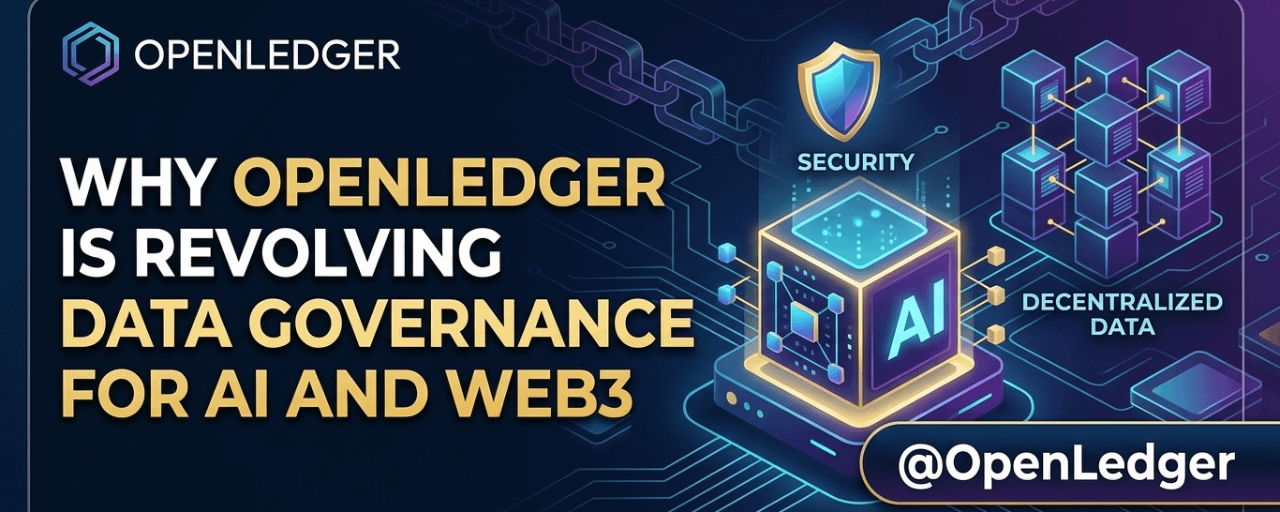
Warum OpenLedger die Datenverwaltung für KI und Web3 revolutioniertKünstliche Intelligenz (KI) wächst rasant, aber die größte Herausforderung heute ist die Datenbeschaffung – insbesondere, wie Daten beschafft, verifiziert und gesichert werden. Hier kommt @Openledger ins Spiel, ein bahnbrechendes dezentrales Datenverwaltungsprotokoll. Durch die Bereitstellung einer sicheren, transparenten und dezentralen Infrastruktur wird sichergestellt, dass KI-Modelle mit hochwertigen, manipulationssicheren Daten trainiert werden.
Für das Web3-Ökosystem ist dieses Maß an Datensicherheit entscheidend. Es überbrückt die Lücke zwischen dezentralen Netzwerken und fortschrittlichen KI-Anwendungen und schafft eine sichere Umgebung für Entwickler und Nutzer gleichermaßen. Während die Infrastruktur wächst, wird es für Trader und Technikbegeisterte immer relevanter, die Performance und Updates ihres nativen Tokens $OPEN genau im Auge zu behalten.
Warum OpenLedger die Datenverwaltung für KI und Web3 revolutioniert
Künstliche Intelligenz (KI) wächst rasant, aber die größte Herausforderung heute ist die Datenbeschaffung – insbesondere, wie Daten beschafft, verifiziert und gesichert werden. Hier kommt @OpenLedger ins Spiel, ein bahnbrechendes dezentrales Datenverwaltungsprotokoll. Durch die Bereitstellung einer sicheren, transparenten und dezentralen Infrastruktur wird sichergestellt, dass KI-Modelle mit hochwertigen, manipulationssicheren Daten trainiert werden.
Für das Web3-Ökosystem ist dieses Maß an Datensicherheit entscheidend. Es überbrückt die Lücke zwischen dezentralen Netzwerken und fortschrittlichen KI-Anwendungen und schafft eine sichere Umgebung für Entwickler und Nutzer gleichermaßen. Während die Infrastruktur wächst, wird es für Trader und Technikbegeisterte immer relevanter, die Performance und Updates ihres nativen Tokens $OPEN genau im Auge zu behalten.
Für das Web3-Ökosystem ist dieses Maß an Datensicherheit entscheidend. Es überbrückt die Lücke zwischen dezentralen Netzwerken und fortschrittlichen KI-Anwendungen und schafft eine sichere Umgebung für Entwickler und Nutzer gleichermaßen. Während die Infrastruktur wächst, wird es für Trader und Technikbegeisterte immer relevanter, die Performance und Updates ihres nativen Tokens $OPEN genau im Auge zu behalten.
2
105


·
--
Artikel
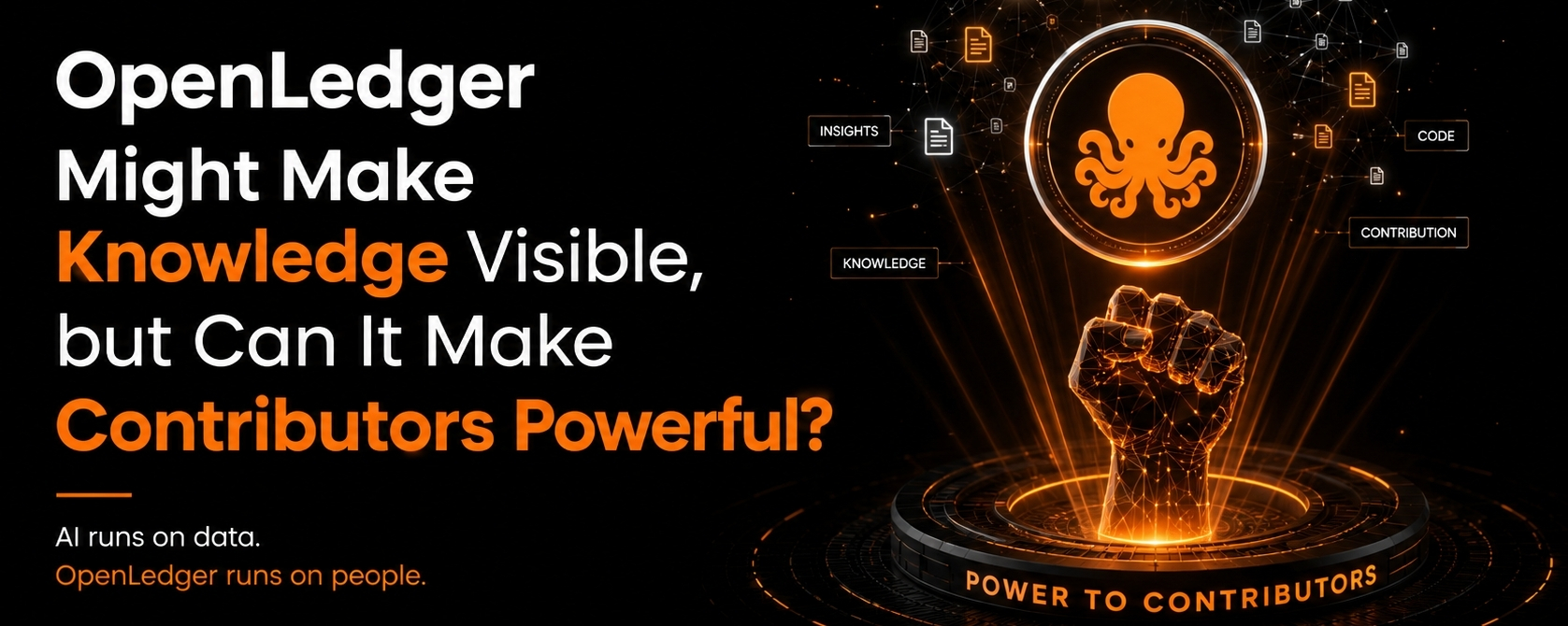
OpenLedger könnte Wissen sichtbar machen, aber kann es die Mitwirkenden mächtig machen?Der Markt fühlte sich heute leer an. Nicht tot, nur leer.
Der Preis bewegte sich, aber es sagte nicht wirklich etwas aus. Ein kleiner Push nach oben, ein langsames Verblassen und dann zurück in den gleichen Bereich, wo jeder anfängt vorzugeben, dass er eine Richtung sieht, weil Stille die Leute unbehaglich macht. Die Aufmerksamkeit fühlte sich auch zerstreut an. Eine Minute jagten die Leute nach AI-Namen, die nächste Minute stritten sie über Entsperrungen, dann wurde plötzlich ein zufälliges Chart behandelt, als hätte es Bedeutung. Ich schaute ständig auf den Bildschirm und hatte das Gefühl, dass es kein echtes Signal gab.
OpenLedger könnte Wissen sichtbar machen, aber kann es die Mitwirkenden mächtig machen?
Der Markt fühlte sich heute leer an. Nicht tot, nur leer.
Der Preis bewegte sich, aber es sagte nicht wirklich etwas aus. Ein kleiner Push nach oben, ein langsames Verblassen und dann zurück in den gleichen Bereich, wo jeder anfängt vorzugeben, dass er eine Richtung sieht, weil Stille die Leute unbehaglich macht. Die Aufmerksamkeit fühlte sich auch zerstreut an. Eine Minute jagten die Leute nach AI-Namen, die nächste Minute stritten sie über Entsperrungen, dann wurde plötzlich ein zufälliges Chart behandelt, als hätte es Bedeutung. Ich schaute ständig auf den Bildschirm und hatte das Gefühl, dass es kein echtes Signal gab.
Der Preis bewegte sich, aber es sagte nicht wirklich etwas aus. Ein kleiner Push nach oben, ein langsames Verblassen und dann zurück in den gleichen Bereich, wo jeder anfängt vorzugeben, dass er eine Richtung sieht, weil Stille die Leute unbehaglich macht. Die Aufmerksamkeit fühlte sich auch zerstreut an. Eine Minute jagten die Leute nach AI-Namen, die nächste Minute stritten sie über Entsperrungen, dann wurde plötzlich ein zufälliges Chart behandelt, als hätte es Bedeutung. Ich schaute ständig auf den Bildschirm und hatte das Gefühl, dass es kein echtes Signal gab.
4
70


Artikel
Technische Architektur und grundlegende Komponenten. Open 🛠️
Die Infrastruktur des Projekts (die auf umfangreicher akademischer Forschung an der Stanford-Universität basiert) beruht auf mehreren einzigartigen technischen Säulen: @Openledger ##OpenLedger # #OpenL1 $OPEN
Proof of Attribution (PoA): die bahnbrechende Innovation des Projekts. Eine Technik, die präzise auf der Blockchain aufzeichnet, wie bestimmte Daten das Training und die Formung der Ergebnisse eines KI-Modells beeinflussen, und dann die Erträge automatisch und fair an die Stakeholder verteilt.
Technische Architektur und grundlegende Komponenten. Open
🛠️
Die Infrastruktur des Projekts (die auf umfangreicher akademischer Forschung an der Stanford-Universität basiert) beruht auf mehreren einzigartigen technischen Säulen: @OpenLedger ##OpenLedger # #OpenL1 $OPEN
Proof of Attribution (PoA): die bahnbrechende Innovation des Projekts. Eine Technik, die präzise auf der Blockchain aufzeichnet, wie bestimmte Daten das Training und die Formung der Ergebnisse eines KI-Modells beeinflussen, und dann die Erträge automatisch und fair an die Stakeholder verteilt.
Die Infrastruktur des Projekts (die auf umfangreicher akademischer Forschung an der Stanford-Universität basiert) beruht auf mehreren einzigartigen technischen Säulen: @OpenLedger ##OpenLedger # #OpenL1 $OPEN
Proof of Attribution (PoA): die bahnbrechende Innovation des Projekts. Eine Technik, die präzise auf der Blockchain aufzeichnet, wie bestimmte Daten das Training und die Formung der Ergebnisse eines KI-Modells beeinflussen, und dann die Erträge automatisch und fair an die Stakeholder verteilt.
3
88
·
--
Artikel
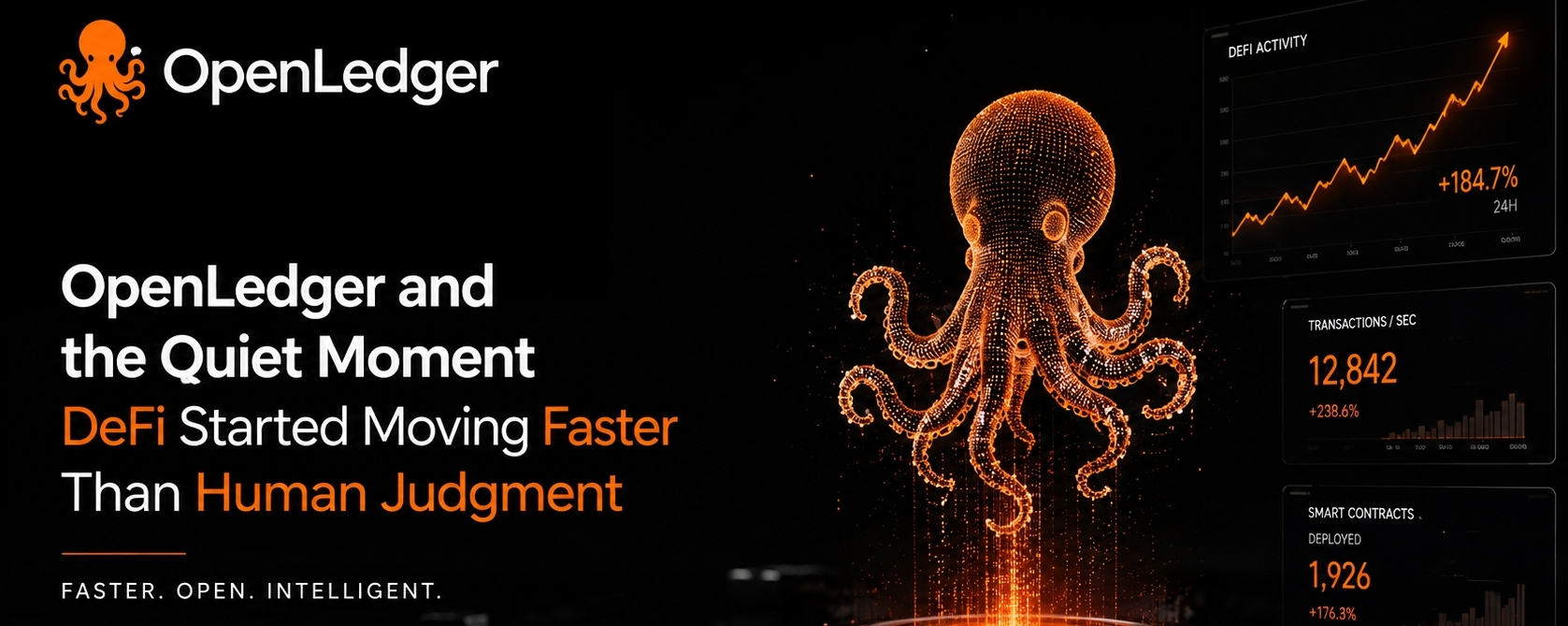
OpenLedger und der ruhige Moment, in dem DeFi schneller zu bewegen begann als das menschliche UrteilIch kam immer wieder zu einem unangenehmen Gedanken zurück.
Vielleicht verlieren die Leute nicht in DeFi, weil sie nicht verstehen, was passiert.
Vielleicht verstehen sie es zu spät.
Nicht zu spät auf dramatische Weise. Nur spät auf die normale menschliche Art. Du siehst die Gelegenheit, öffnest einen weiteren Tab, prüfst den Pool, vergleichst den Kurs, wartest darauf, dass jemand Klügeres etwas sagt, zögerst eine Minute, weil sich etwas leicht falsch anfühlt.
Und bis dahin hat sich der Markt bereits bewegt.
Diese kleine Verzögerung ist leicht zu ignorieren, weil sie sich zu gewöhnlich anfühlt, um wichtig zu sein. Aber DeFi lebt in diesen winzigen Verzögerungen. Eine nicht beanspruchte Belohnung. Eine Position, die nicht angepasst wurde. Eine Brücke, die nicht schnell genug genutzt wurde. Ein Risikosignal, das fünf Minuten zu spät bemerkt wurde, nachdem es wichtig war.
OpenLedger und der ruhige Moment, in dem DeFi schneller zu bewegen begann als das menschliche Urteil
Ich kam immer wieder zu einem unangenehmen Gedanken zurück.
Vielleicht verlieren die Leute nicht in DeFi, weil sie nicht verstehen, was passiert.
Vielleicht verstehen sie es zu spät.
Nicht zu spät auf dramatische Weise. Nur spät auf die normale menschliche Art. Du siehst die Gelegenheit, öffnest einen weiteren Tab, prüfst den Pool, vergleichst den Kurs, wartest darauf, dass jemand Klügeres etwas sagt, zögerst eine Minute, weil sich etwas leicht falsch anfühlt.
Und bis dahin hat sich der Markt bereits bewegt.
Diese kleine Verzögerung ist leicht zu ignorieren, weil sie sich zu gewöhnlich anfühlt, um wichtig zu sein. Aber DeFi lebt in diesen winzigen Verzögerungen. Eine nicht beanspruchte Belohnung. Eine Position, die nicht angepasst wurde. Eine Brücke, die nicht schnell genug genutzt wurde. Ein Risikosignal, das fünf Minuten zu spät bemerkt wurde, nachdem es wichtig war.
Vielleicht verlieren die Leute nicht in DeFi, weil sie nicht verstehen, was passiert.
Vielleicht verstehen sie es zu spät.
Nicht zu spät auf dramatische Weise. Nur spät auf die normale menschliche Art. Du siehst die Gelegenheit, öffnest einen weiteren Tab, prüfst den Pool, vergleichst den Kurs, wartest darauf, dass jemand Klügeres etwas sagt, zögerst eine Minute, weil sich etwas leicht falsch anfühlt.
Und bis dahin hat sich der Markt bereits bewegt.
Diese kleine Verzögerung ist leicht zu ignorieren, weil sie sich zu gewöhnlich anfühlt, um wichtig zu sein. Aber DeFi lebt in diesen winzigen Verzögerungen. Eine nicht beanspruchte Belohnung. Eine Position, die nicht angepasst wurde. Eine Brücke, die nicht schnell genug genutzt wurde. Ein Risikosignal, das fünf Minuten zu spät bemerkt wurde, nachdem es wichtig war.
2
278

·
--

Artikel
Liquiditätsarchitektur im Zeitalter der Anreize: Warum @Openledger die nächste strategische Wette ist?@Openledger
@Openledger An die Elite der Trader und Wale, die sich nicht von flüchtigen Candlesticks täuschen lassen, und an die kreativen Köpfe im Team @OpenLedger:
Wir leben in einer Ära, in der es keinen Platz für Schwache oder Protokolle ohne Tiefe gibt. Professionelles Trading ist nicht nur das Drücken von Kauf- und Verkaufsbuttons, sondern vielmehr die "Kunst der Wertentdeckung", bevor sie zum allgemeinen Konsens wird. Aus diesem Grund kommt das Projekt @Openledger und reformiert die Regeln; es bietet nicht nur eine Plattform, sondern baut ein integriertes "Ökosystem" auf, das Daten-Effizienz und dezentrale Ausführung vereint.
Liquiditätsarchitektur im Zeitalter der Anreize: Warum @Openledger die nächste strategische Wette ist?
@OpenLedger
@OpenLedger An die Elite der Trader und Wale, die sich nicht von flüchtigen Candlesticks täuschen lassen, und an die kreativen Köpfe im Team @OpenLedger:
Wir leben in einer Ära, in der es keinen Platz für Schwache oder Protokolle ohne Tiefe gibt. Professionelles Trading ist nicht nur das Drücken von Kauf- und Verkaufsbuttons, sondern vielmehr die "Kunst der Wertentdeckung", bevor sie zum allgemeinen Konsens wird. Aus diesem Grund kommt das Projekt @OpenLedger und reformiert die Regeln; es bietet nicht nur eine Plattform, sondern baut ein integriertes "Ökosystem" auf, das Daten-Effizienz und dezentrale Ausführung vereint.
@OpenLedger An die Elite der Trader und Wale, die sich nicht von flüchtigen Candlesticks täuschen lassen, und an die kreativen Köpfe im Team @OpenLedger:
Wir leben in einer Ära, in der es keinen Platz für Schwache oder Protokolle ohne Tiefe gibt. Professionelles Trading ist nicht nur das Drücken von Kauf- und Verkaufsbuttons, sondern vielmehr die "Kunst der Wertentdeckung", bevor sie zum allgemeinen Konsens wird. Aus diesem Grund kommt das Projekt @OpenLedger und reformiert die Regeln; es bietet nicht nur eine Plattform, sondern baut ein integriertes "Ökosystem" auf, das Daten-Effizienz und dezentrale Ausführung vereint.
26

·
--
Artikel
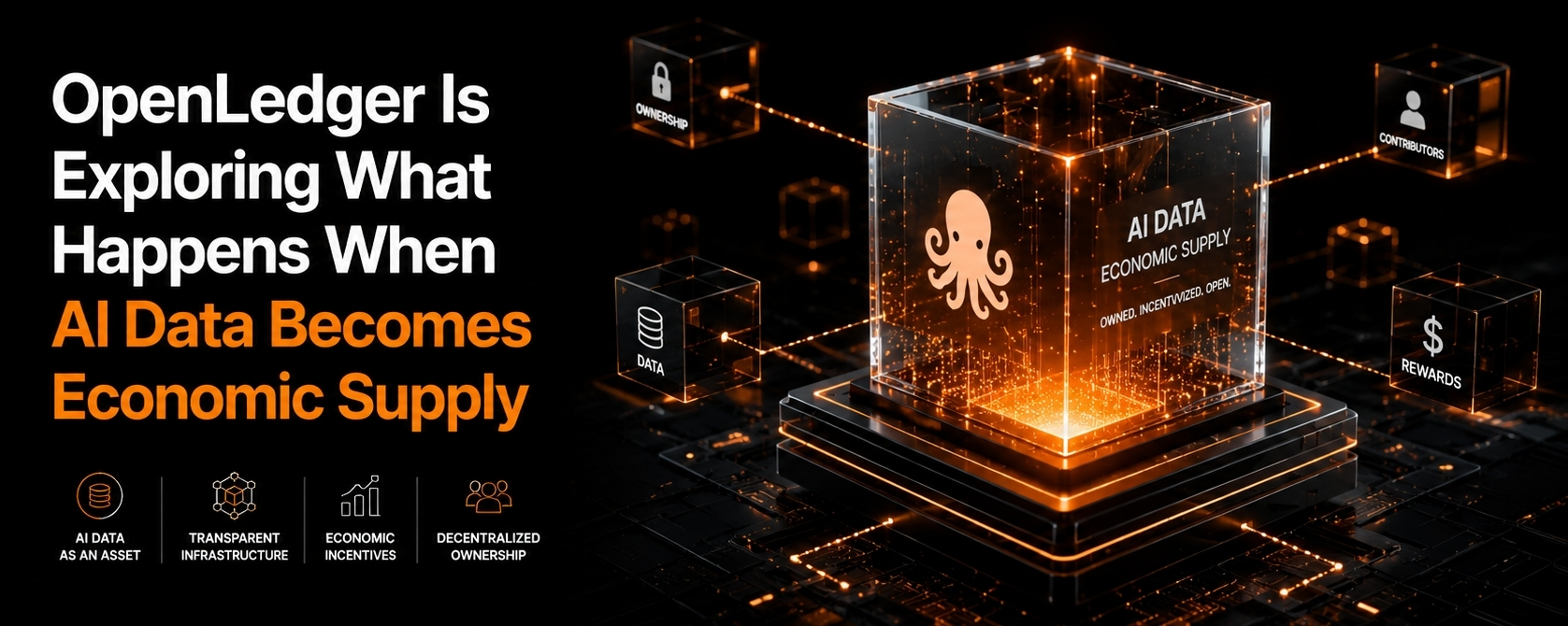
OpenLedger erkundet, was passiert, wenn AI-Daten wirtschaftliches Angebot werdenDas Seltsame an den AI-Märkten ist, dass alle ständig auf den Bildschirm schauen, nicht auf die Verkabelung dahinter.
Ein Modell wird schneller, ein Agent macht etwas Beeindruckendes, ein neuer AI-Token beginnt sich zu bewegen, und plötzlich hat der ganze Markt eine Geschichte. Aber nachdem ich diesen Bereich lange genug beobachtet habe, besonders in den späten Stunden, wenn die Velas ehrlicher erscheinen als die Menschen, komme ich immer wieder zu einer unangenehmen Frage zurück.
Woher kommt all diese Intelligenz eigentlich?
OpenLedger hat meine Aufmerksamkeit erregt, weil es genau in dieser Frage steckt. Nicht als perfekte Antwort. Nicht als etwas, das ich blind loben möchte. Eher wie ein Signal, dass der Markt langsam anfängt, die versteckte Schicht unter AI zu bemerken: die Daten, die Mitwirkenden, das Feedback, die Korrekturen, das menschliche Verhalten, das in Systeme absorbiert wird und dann leise hinter einer sauberen Benutzeroberfläche verschwindet.
OpenLedger erkundet, was passiert, wenn AI-Daten wirtschaftliches Angebot werden
Das Seltsame an den AI-Märkten ist, dass alle ständig auf den Bildschirm schauen, nicht auf die Verkabelung dahinter.
Ein Modell wird schneller, ein Agent macht etwas Beeindruckendes, ein neuer AI-Token beginnt sich zu bewegen, und plötzlich hat der ganze Markt eine Geschichte. Aber nachdem ich diesen Bereich lange genug beobachtet habe, besonders in den späten Stunden, wenn die Velas ehrlicher erscheinen als die Menschen, komme ich immer wieder zu einer unangenehmen Frage zurück.
Woher kommt all diese Intelligenz eigentlich?
OpenLedger hat meine Aufmerksamkeit erregt, weil es genau in dieser Frage steckt. Nicht als perfekte Antwort. Nicht als etwas, das ich blind loben möchte. Eher wie ein Signal, dass der Markt langsam anfängt, die versteckte Schicht unter AI zu bemerken: die Daten, die Mitwirkenden, das Feedback, die Korrekturen, das menschliche Verhalten, das in Systeme absorbiert wird und dann leise hinter einer sauberen Benutzeroberfläche verschwindet.
Ein Modell wird schneller, ein Agent macht etwas Beeindruckendes, ein neuer AI-Token beginnt sich zu bewegen, und plötzlich hat der ganze Markt eine Geschichte. Aber nachdem ich diesen Bereich lange genug beobachtet habe, besonders in den späten Stunden, wenn die Velas ehrlicher erscheinen als die Menschen, komme ich immer wieder zu einer unangenehmen Frage zurück.
Woher kommt all diese Intelligenz eigentlich?
OpenLedger hat meine Aufmerksamkeit erregt, weil es genau in dieser Frage steckt. Nicht als perfekte Antwort. Nicht als etwas, das ich blind loben möchte. Eher wie ein Signal, dass der Markt langsam anfängt, die versteckte Schicht unter AI zu bemerken: die Daten, die Mitwirkenden, das Feedback, die Korrekturen, das menschliche Verhalten, das in Systeme absorbiert wird und dann leise hinter einer sauberen Benutzeroberfläche verschwindet.
1
189
Warum OpenLedger ein Projekt ist, das man in der Web3-Ära im Auge behalten sollteDezentralisierte Technologie entwickelt sich rasant, und die Dateninfrastruktur steht im Mittelpunkt dieser Revolution. Das @OpenLedger Projekt sticht als einzigartige Lösung hervor, die darauf abzielt, kritische Datenherausforderungen im Web3-Ökosystem zu lösen. Durch den Fokus auf Sicherheit, Transparenz und hohe Leistung bietet es eine starke Basis für zukünftige dezentrale Anwendungen.
Als Krypto-Enthusiast glaube ich, dass Datenzugänglichkeit entscheidend für die Masseneinführung ist. @OpenLedger scheint das perfekt anzugehen. Außerdem sieht die Nützlichkeit des $OPEN Tokens in diesem Ökosystem sehr vielversprechend für Investoren und Unterstützer aus. Es ist nicht nur ein weiteres Projekt; es wird tatsächlichen Nutzen für die nächste Generation von Blockchain-Entwicklungen schaffen. Ich freue mich darauf, die bevorstehenden Meilensteine und das langfristige Wachstum zu sehen. #OpenLedger #
Warum OpenLedger ein Projekt ist, das man in der Web3-Ära im Auge behalten sollte
Dezentralisierte Technologie entwickelt sich rasant, und die Dateninfrastruktur steht im Mittelpunkt dieser Revolution. Das @OpenLedger Projekt sticht als einzigartige Lösung hervor, die darauf abzielt, kritische Datenherausforderungen im Web3-Ökosystem zu lösen. Durch den Fokus auf Sicherheit, Transparenz und hohe Leistung bietet es eine starke Basis für zukünftige dezentrale Anwendungen.
Als Krypto-Enthusiast glaube ich, dass Datenzugänglichkeit entscheidend für die Masseneinführung ist. @OpenLedger scheint das perfekt anzugehen. Außerdem sieht die Nützlichkeit des $OPEN Tokens in diesem Ökosystem sehr vielversprechend für Investoren und Unterstützer aus. Es ist nicht nur ein weiteres Projekt; es wird tatsächlichen Nutzen für die nächste Generation von Blockchain-Entwicklungen schaffen. Ich freue mich darauf, die bevorstehenden Meilensteine und das langfristige Wachstum zu sehen. #OpenLedger #
Als Krypto-Enthusiast glaube ich, dass Datenzugänglichkeit entscheidend für die Masseneinführung ist. @OpenLedger scheint das perfekt anzugehen. Außerdem sieht die Nützlichkeit des $OPEN Tokens in diesem Ökosystem sehr vielversprechend für Investoren und Unterstützer aus. Es ist nicht nur ein weiteres Projekt; es wird tatsächlichen Nutzen für die nächste Generation von Blockchain-Entwicklungen schaffen. Ich freue mich darauf, die bevorstehenden Meilensteine und das langfristige Wachstum zu sehen. #OpenLedger #
140

Starke technische Lösungen unterstützen die Zukunft des Open Leader-ProjektsHey Leute, eine der bemerkenswerten technischen Aspekte des Open Leader-Projekts ist, wie es die hohen Kosten für den Betrieb von KI durch die Integration seiner Plattform mit dezentralen Rechennetzwerken von Deepin angeht.
Das Projekt setzt nicht auf teure zentrale Server, sondern verbindet sein Netzwerk mit verteilten Rechenmaschinen, was die Kosten für Datenverarbeitung und Modelltraining erheblich senkt. Dadurch erhalten Entwickler die Möglichkeit, leistungsstarke KI-Anwendungen zu niedrigen Kosten zu erstellen, was das wirtschaftliche Ökosystem der Währung nachhaltiger und robuster auf lange Sicht im Markt macht.
Starke technische Lösungen unterstützen die Zukunft des Open Leader-Projekts
Hey Leute, eine der bemerkenswerten technischen Aspekte des Open Leader-Projekts ist, wie es die hohen Kosten für den Betrieb von KI durch die Integration seiner Plattform mit dezentralen Rechennetzwerken von Deepin angeht.
Das Projekt setzt nicht auf teure zentrale Server, sondern verbindet sein Netzwerk mit verteilten Rechenmaschinen, was die Kosten für Datenverarbeitung und Modelltraining erheblich senkt. Dadurch erhalten Entwickler die Möglichkeit, leistungsstarke KI-Anwendungen zu niedrigen Kosten zu erstellen, was das wirtschaftliche Ökosystem der Währung nachhaltiger und robuster auf lange Sicht im Markt macht.
Das Projekt setzt nicht auf teure zentrale Server, sondern verbindet sein Netzwerk mit verteilten Rechenmaschinen, was die Kosten für Datenverarbeitung und Modelltraining erheblich senkt. Dadurch erhalten Entwickler die Möglichkeit, leistungsstarke KI-Anwendungen zu niedrigen Kosten zu erstellen, was das wirtschaftliche Ökosystem der Währung nachhaltiger und robuster auf lange Sicht im Markt macht.
100
·
--
Artikel
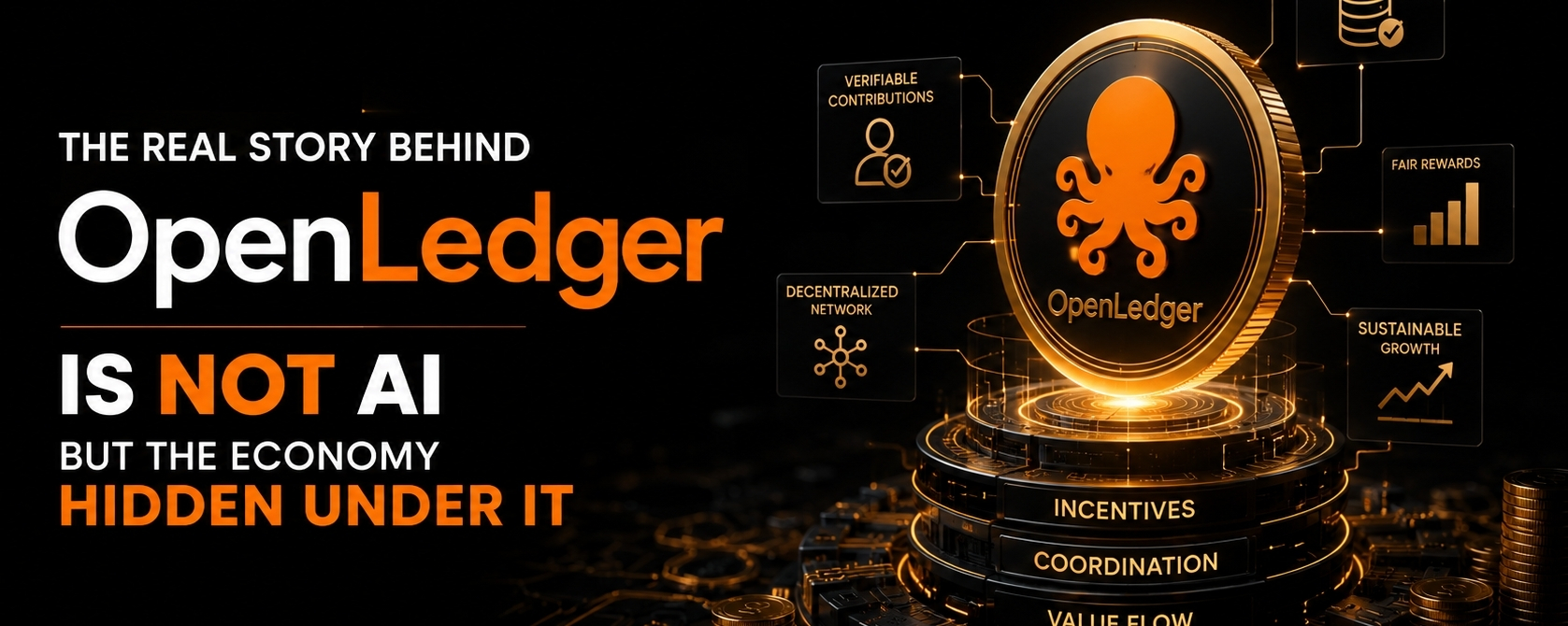
Die wahre Geschichte hinter OpenLedger ist nicht KI, sondern die Wirtschaft, die darunter verborgen ist.Ich bin müde von dem vertrauten Gefühl, das alles hat.
Jeder Zyklus kommt wie eine neue Ära daher, aber nach einer Weile hören sich die Versprechen wiederverwendet an. Neue Wörter, neue Ticker, neue Dashboards, derselbe Hunger darunter. Jeder sagt, dass die Infrastruktur diesmal anders ist, die Anreize diesmal besser sind, der Markt endlich die tiefere Ebene versteht. Vielleicht. Aber ich habe genug Versionen dieses Satzes gehört, um ihm beim ersten Kontakt nicht mehr zu vertrauen.
Das ist wahrscheinlich der Grund, warum OpenLedger mich in einer seltsamen Stimmung erwischt hat.
Die wahre Geschichte hinter OpenLedger ist nicht KI, sondern die Wirtschaft, die darunter verborgen ist.
Ich bin müde von dem vertrauten Gefühl, das alles hat.
Jeder Zyklus kommt wie eine neue Ära daher, aber nach einer Weile hören sich die Versprechen wiederverwendet an. Neue Wörter, neue Ticker, neue Dashboards, derselbe Hunger darunter. Jeder sagt, dass die Infrastruktur diesmal anders ist, die Anreize diesmal besser sind, der Markt endlich die tiefere Ebene versteht. Vielleicht. Aber ich habe genug Versionen dieses Satzes gehört, um ihm beim ersten Kontakt nicht mehr zu vertrauen.
Das ist wahrscheinlich der Grund, warum OpenLedger mich in einer seltsamen Stimmung erwischt hat.
Jeder Zyklus kommt wie eine neue Ära daher, aber nach einer Weile hören sich die Versprechen wiederverwendet an. Neue Wörter, neue Ticker, neue Dashboards, derselbe Hunger darunter. Jeder sagt, dass die Infrastruktur diesmal anders ist, die Anreize diesmal besser sind, der Markt endlich die tiefere Ebene versteht. Vielleicht. Aber ich habe genug Versionen dieses Satzes gehört, um ihm beim ersten Kontakt nicht mehr zu vertrauen.
Das ist wahrscheinlich der Grund, warum OpenLedger mich in einer seltsamen Stimmung erwischt hat.
1
2
88
·
--
Artikel
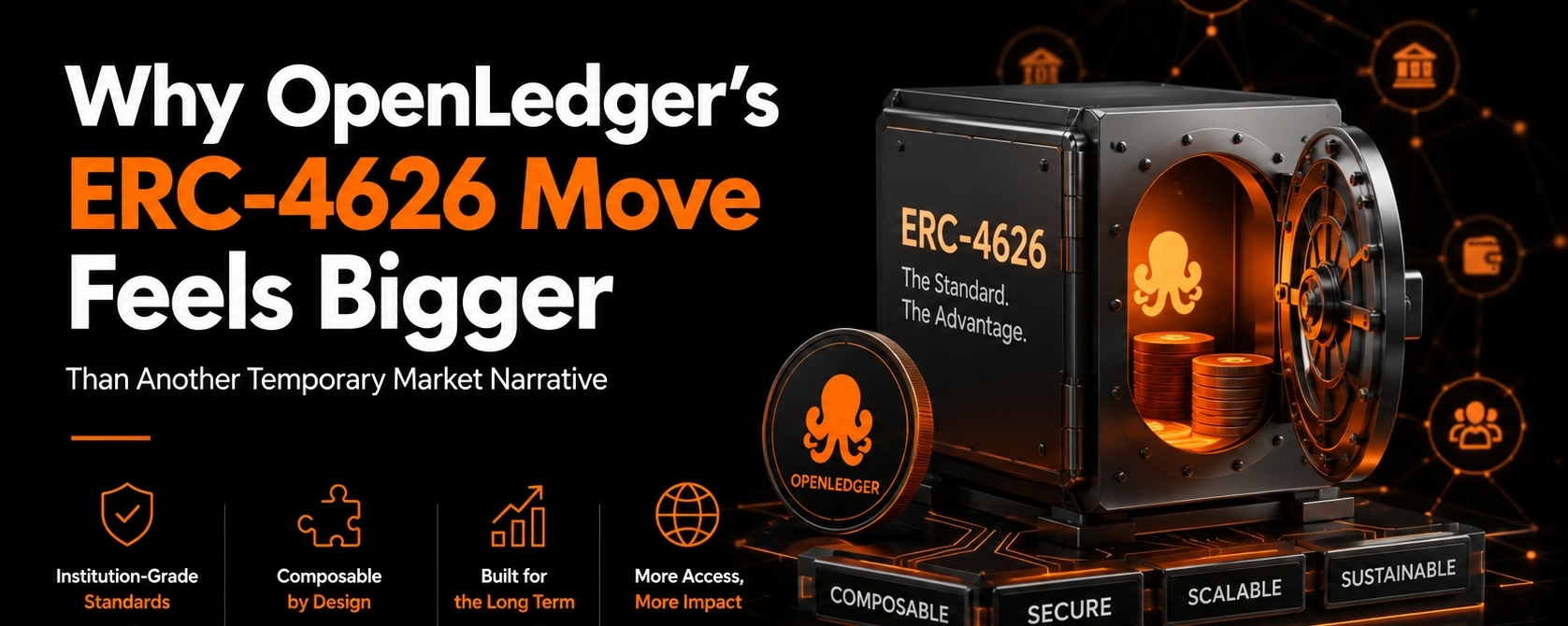
Warum OpenLedgers ERC-4626-Bewegung Größer Ist Als Eine Weitere Temporäre Markt-NarrativeIch habe gesehen, wie dieser Markt dasselbe Versprechen so viele Male recycelt hat, dass ich der ersten Version jeder Geschichte nicht mehr vertraue. Ein neues Wort taucht auf, die Leute fangen an zu handeln, als ob das gesamte System repariert wurde, und eine Zeit lang tun so alle, als würden sie über Infrastruktur diskutieren, während die meisten von ihnen tatsächlich nur beobachten, wie die Liquidität fließt.
Das war ehrlich gesagt meine erste Reaktion auf die ERC-4626-Integration von OpenLedger. Ich sah den Begriff, spürte diese vertraute Erschöpfung und behandelte es fast wie eine weitere technische Schlagzeile, die für Aufmerksamkeit poliert wird.
Warum OpenLedgers ERC-4626-Bewegung Größer Ist Als Eine Weitere Temporäre Markt-Narrative
Ich habe gesehen, wie dieser Markt dasselbe Versprechen so viele Male recycelt hat, dass ich der ersten Version jeder Geschichte nicht mehr vertraue. Ein neues Wort taucht auf, die Leute fangen an zu handeln, als ob das gesamte System repariert wurde, und eine Zeit lang tun so alle, als würden sie über Infrastruktur diskutieren, während die meisten von ihnen tatsächlich nur beobachten, wie die Liquidität fließt.
Das war ehrlich gesagt meine erste Reaktion auf die ERC-4626-Integration von OpenLedger. Ich sah den Begriff, spürte diese vertraute Erschöpfung und behandelte es fast wie eine weitere technische Schlagzeile, die für Aufmerksamkeit poliert wird.
Das war ehrlich gesagt meine erste Reaktion auf die ERC-4626-Integration von OpenLedger. Ich sah den Begriff, spürte diese vertraute Erschöpfung und behandelte es fast wie eine weitere technische Schlagzeile, die für Aufmerksamkeit poliert wird.
2
3
97
·
--
Artikel
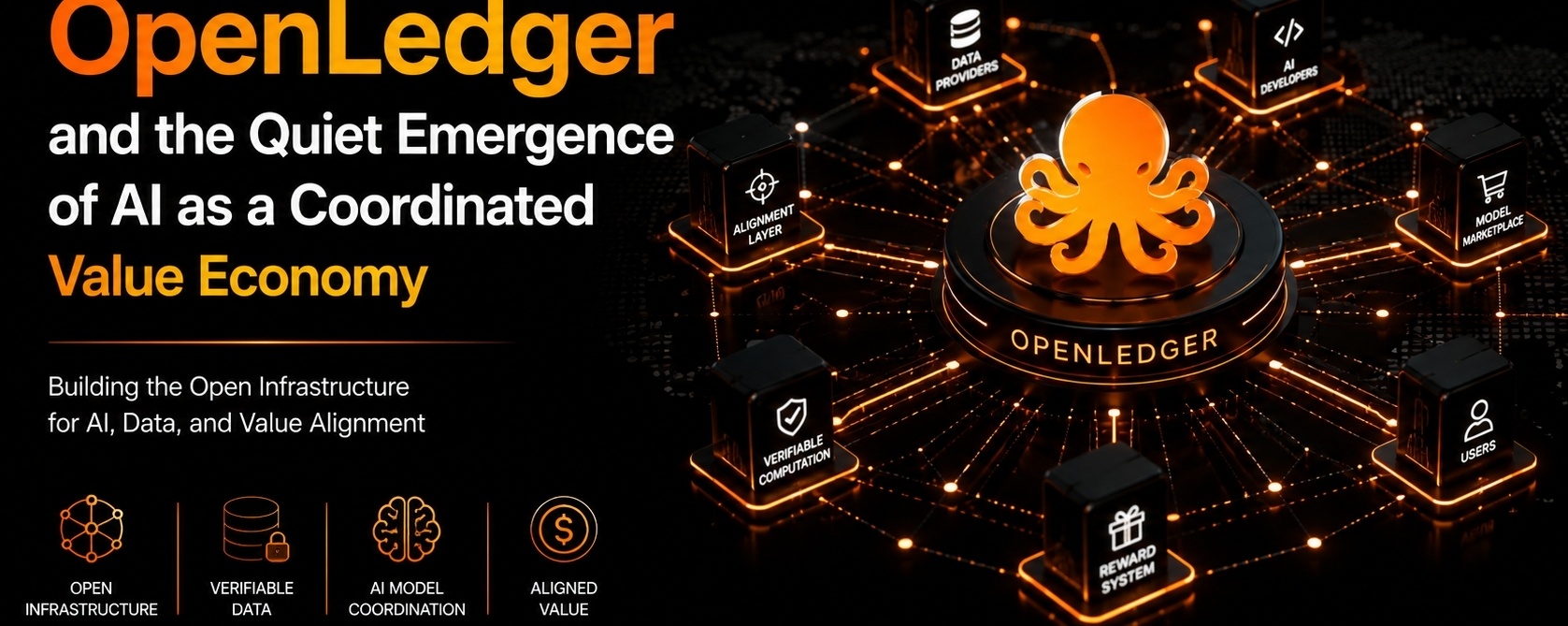
OpenLedger und das stille Aufkommen von KI als koordinierte WertwirtschaftEs gibt etwas leicht Seltsames an OpenLedger, das ich anfangs nicht abschütteln konnte. Nicht seltsam auf dramatische Weise. Mehr wie dieses kleine Gefühl, das man bekommt, wenn ein Projekt an der Oberfläche etwas sagt, aber darunter etwas Tieferes bewegt wird. Zunächst sieht es einfach aus, es in eine Schublade zu stecken: KI-Blockchain, Datenmonetarisierung, Modelle, Agenten, Liquidität. Die Art von Wörtern, die der Markt bereits schnell gelernt hat zu wiederholen. Aber je länger ich darüber nachdachte, desto weniger fühlten sich diese Wörter wie Branding an und desto mehr wie Hinweise.
OpenLedger und das stille Aufkommen von KI als koordinierte Wertwirtschaft
Es gibt etwas leicht Seltsames an OpenLedger, das ich anfangs nicht abschütteln konnte. Nicht seltsam auf dramatische Weise. Mehr wie dieses kleine Gefühl, das man bekommt, wenn ein Projekt an der Oberfläche etwas sagt, aber darunter etwas Tieferes bewegt wird. Zunächst sieht es einfach aus, es in eine Schublade zu stecken: KI-Blockchain, Datenmonetarisierung, Modelle, Agenten, Liquidität. Die Art von Wörtern, die der Markt bereits schnell gelernt hat zu wiederholen. Aber je länger ich darüber nachdachte, desto weniger fühlten sich diese Wörter wie Branding an und desto mehr wie Hinweise.
1
2
210
Anmelden und weiter Inhalte entdecken
Krypto-Nutzer weltweit auf Binance Square kennenlernen
⚡️ Bleib in Sachen Krypto stets am Puls.
💬 Die weltgrößte Kryptobörse vertraut darauf.
👍 Erhalte verlässliche Einblicke von verifizierten Creators.
E-Mail-Adresse/Telefonnummer
Trendthemen
1
#AnthropicCEOCallsForAISlowdown
53,050 Aufrufe
682 Kommentare
2
#AnthropicChoosesNasdaqForPotentialIPO
23,919 Aufrufe
294 Kommentare
3
#SECReceivesGrayscaleLitecoinTrustETFFiling
182,731 Aufrufe
2,047 Kommentare
4
#ClarityActFacesProceduralVoteSept15
344,003 Aufrufe
2,923 Kommentare
5
#US10YearTreasuryYieldNears5%
128,500 Aufrufe
1,645 Kommentare
6
#CryptoLiquidations$674MIn24H
31,306 Aufrufe
240 Kommentare
7
#TokenizedStockHoldersUp619.1%
91,342 Aufrufe
1,304 Kommentare
8
#RevolutConfirmsFakeGovEmailDataBreach
138,431 Aufrufe
1,595 Kommentare
9
#CanadaOSFISaysTokenizedDepositsEqualTraditionalDeposits
6,848 Aufrufe
132 Kommentare
10
#USBankCompletesCrossBorderPaymentPilotOnStellar
101,511 Aufrufe
1,361 Kommentare