
#kospijumpsnearly4%to7539
kospijumpsnearly4%to7539
76,426 Aufrufe
234 Kommentare
Hot
Zuletzt

#KOSPIJumpsNearly4%To7539 Dieser Titel wirkt unzutreffend oder durcheinandergebracht.
Der KOSPI ist der wichtigste Aktienindex Südkoreas, und die neuesten Quellen, die ich gefunden habe, bringen ihn am 9. Juli 2026 etwa auf 7.286–7.292, nicht auf 7.539. (tradingeconomics.com)
Ein „nahezu 4%-Sprung“ hat es im jüngsten Handel zwar gegeben: Berichten zufolge erholte sich der KOSPI in den frühen Handelsstunden am Donnerstag, dem 9. Juli 2026, um nahezu 4%. (finance.yahoo.com)
Das wahrscheinliche Problem ist also, dass die Überschrift eher etwas wie „KOSPI springt um fast 4%“ lauten sollte, aber die Zahl 7.539 ist vermutlich falsch, veraltet oder gehört zu einem anderen Kurs-/Kontext. Veröffentlichte Indexstände in diesem Zeitraum lagen unter anderem bei 7.246,79 am 8. Juli und bei 7.286+ am 9. Juli. (marketscreener.com)
Bedeutung in einfachen Worten:
Südkoreanische Aktien sind nach einem Abverkauf deutlich zurückgesprungen, aber die Zahl 7.539 passt nicht zu dem neuesten, weit verbreiteten KOSPI-Wert, den ich gefunden habe. (finance.yahoo.com)
Wenn du möchtest, kann ich dir auch Folgendes geben:
eine 1-Zeilen-Trader-Zusammenfassung,
warum sich der KOSPI bewegt hat, oder
was das für BTC und das asiatische Risiko-Sentiment bedeuten könnte.ne$NEWT
{spot}(NEWTUSDT)
$TAC
{future}(TACUSDT)
$LAB
{future}(LABUSDT)
#KOSPIJumpsNearly4%To7539 Dieser Titel wirkt unzutreffend oder durcheinandergebracht.
Der KOSPI ist der wichtigste Aktienindex Südkoreas, und die neuesten Quellen, die ich gefunden habe, bringen ihn am 9. Juli 2026 etwa auf 7.286–7.292, nicht auf 7.539. (tradingeconomics.com)
Ein „nahezu 4%-Sprung“ hat es im jüngsten Handel zwar gegeben: Berichten zufolge erholte sich der KOSPI in den frühen Handelsstunden am Donnerstag, dem 9. Juli 2026, um nahezu 4%. (finance.yahoo.com)
Das wahrscheinliche Problem ist also, dass die Überschrift eher etwas wie „KOSPI springt um fast 4%“ lauten sollte, aber die Zahl 7.539 ist vermutlich falsch, veraltet oder gehört zu einem anderen Kurs-/Kontext. Veröffentlichte Indexstände in diesem Zeitraum lagen unter anderem bei 7.246,79 am 8. Juli und bei 7.286+ am 9. Juli. (marketscreener.com)
Bedeutung in einfachen Worten:
Südkoreanische Aktien sind nach einem Abverkauf deutlich zurückgesprungen, aber die Zahl 7.539 passt nicht zu dem neuesten, weit verbreiteten KOSPI-Wert, den ich gefunden habe. (finance.yahoo.com)
Wenn du möchtest, kann ich dir auch Folgendes geben:
eine 1-Zeilen-Trader-Zusammenfassung,
warum sich der KOSPI bewegt hat, oder
was das für BTC und das asiatische Risiko-Sentiment bedeuten könnte.ne$NEWT
$TAC
$LAB
Der KOSPI ist der wichtigste Aktienindex Südkoreas, und die neuesten Quellen, die ich gefunden habe, bringen ihn am 9. Juli 2026 etwa auf 7.286–7.292, nicht auf 7.539. (tradingeconomics.com)
Ein „nahezu 4%-Sprung“ hat es im jüngsten Handel zwar gegeben: Berichten zufolge erholte sich der KOSPI in den frühen Handelsstunden am Donnerstag, dem 9. Juli 2026, um nahezu 4%. (finance.yahoo.com)
Das wahrscheinliche Problem ist also, dass die Überschrift eher etwas wie „KOSPI springt um fast 4%“ lauten sollte, aber die Zahl 7.539 ist vermutlich falsch, veraltet oder gehört zu einem anderen Kurs-/Kontext. Veröffentlichte Indexstände in diesem Zeitraum lagen unter anderem bei 7.246,79 am 8. Juli und bei 7.286+ am 9. Juli. (marketscreener.com)
Bedeutung in einfachen Worten:
Südkoreanische Aktien sind nach einem Abverkauf deutlich zurückgesprungen, aber die Zahl 7.539 passt nicht zu dem neuesten, weit verbreiteten KOSPI-Wert, den ich gefunden habe. (finance.yahoo.com)
Wenn du möchtest, kann ich dir auch Folgendes geben:
eine 1-Zeilen-Trader-Zusammenfassung,
warum sich der KOSPI bewegt hat, oder
was das für BTC und das asiatische Risiko-Sentiment bedeuten könnte.ne$NEWT
$TAC
$LAB
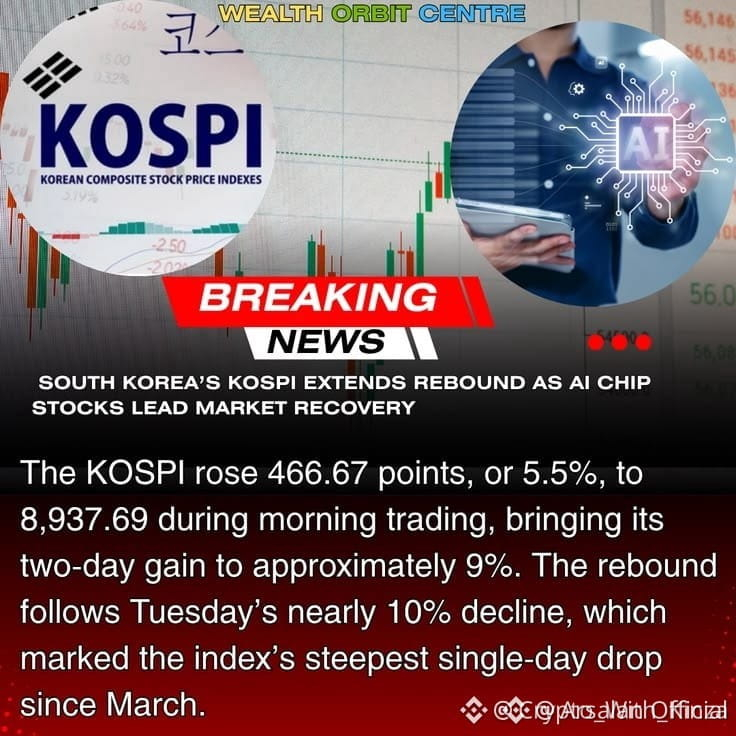
1
423

·
--
Bullisch
Teilweise korrekt
#kospijumpsnearly4%to7539
SÜDKOREA EXPLODIERT: DER KOSPI SPRINGT FAST 4% AUF 7.539! 🚀🇰🇷
Die asiatischen Märkte haben gerade eine absolute historische „Face-Melt“-Show erlebt! Der Benchmark-Index KOSPI in Südkorea schoss um atemberaubende 3,8% nach oben und erreichte mit 7.539 einen neuen Rekord – und löste massive FOMO-Wellen an den globalen Handelstischen aus.
Wenn du internationale Aktien, Tech-Lieferketten oder globale Makro-Liquidität verfolgst, wach auf und schenk dem Ganzen höchste Aufmerksamkeit. Südkorea hat gerade den Ton für den gesamten Markt gesetzt.
Hier ist die professionelle Aufschlüsselung der massiven Auslöser hinter dieser epischen grünen Mauer:
🚀 Der SK-Hynix- & KI-Chip-Hype
Das war kein langsames, zähes Rallye-Tempo – das war ein hochoktaniger, institutioneller Short Squeeze, der vollständig aus dem Halbleitersektor getrieben wurde.
Der Listing-Effekt: Mit der Nachricht, dass das historische Nasdaq-Listing von SK Hynix komplett überzeichnet ist, haben globale institutionelle Gelder aggressiv die in Seoul gelisteten Mutter-Aktien nach oben gekauft – noch vor dem US-Start am Freitag.
Der KI-Memory-Boom: Massive Nachfrage nach High-Bandwidth Memory (HBM)-Infrastruktur ließ die Aktienkurse von Samsung Electronics und SK Hynix senkrecht nach oben schießen und zog damit den gesamten breiteren Index mit.
💰 Massiver Zufluss ausländischen Kapitals
Ausländische institutionelle Investoren überschwemmten den Seouler Markt über Nacht mit Milliarden an Kaufaufträgen. Diese aggressive Kapitalrotation zeigt, dass sich „smarte“ Gelder weg von sich verlangsamenden, gesättigten Software-Sektoren bewegen und stark in Hard-Tech, fortgeschrittene Fertigung sowie physische KI-Hardware-Infrastruktur drehen.
💡 Fazit für globale Trader
Wenn der Kospi so kräftig nach oben schießt, dient das als führender Konjunkturindikator für die globale Nachfrage nach Tech und Chips. Der hardwaregetriebene Bullenlauf ist noch lange nicht vorbei – er beschleunigt sich in atemberaubendem Tempo. Halte deine Augen beim Börsengong an der Wall Street auf die westlichen Halbleiter-Namen gerichtet; der Momentum-Move wandert offiziell nach Westen. 💻✨
Fährst du auf diesem verrückten globalen Tech-Momentum mit, oder lässt du die Volatilität aus? Lass mich in den Kommentaren wissen, welches Makro-Spielbuch du fährst! 👇
#KospiJumpsNearly4PercentTo7539 #KOSPI #SKHYNIX
#kospijumpsnearly4%to7539
SÜDKOREA EXPLODIERT: DER KOSPI SPRINGT FAST 4% AUF 7.539! 🚀🇰🇷
Die asiatischen Märkte haben gerade eine absolute historische „Face-Melt“-Show erlebt! Der Benchmark-Index KOSPI in Südkorea schoss um atemberaubende 3,8% nach oben und erreichte mit 7.539 einen neuen Rekord – und löste massive FOMO-Wellen an den globalen Handelstischen aus.
Wenn du internationale Aktien, Tech-Lieferketten oder globale Makro-Liquidität verfolgst, wach auf und schenk dem Ganzen höchste Aufmerksamkeit. Südkorea hat gerade den Ton für den gesamten Markt gesetzt.
Hier ist die professionelle Aufschlüsselung der massiven Auslöser hinter dieser epischen grünen Mauer:
🚀 Der SK-Hynix- & KI-Chip-Hype
Das war kein langsames, zähes Rallye-Tempo – das war ein hochoktaniger, institutioneller Short Squeeze, der vollständig aus dem Halbleitersektor getrieben wurde.
Der Listing-Effekt: Mit der Nachricht, dass das historische Nasdaq-Listing von SK Hynix komplett überzeichnet ist, haben globale institutionelle Gelder aggressiv die in Seoul gelisteten Mutter-Aktien nach oben gekauft – noch vor dem US-Start am Freitag.
Der KI-Memory-Boom: Massive Nachfrage nach High-Bandwidth Memory (HBM)-Infrastruktur ließ die Aktienkurse von Samsung Electronics und SK Hynix senkrecht nach oben schießen und zog damit den gesamten breiteren Index mit.
💰 Massiver Zufluss ausländischen Kapitals
Ausländische institutionelle Investoren überschwemmten den Seouler Markt über Nacht mit Milliarden an Kaufaufträgen. Diese aggressive Kapitalrotation zeigt, dass sich „smarte“ Gelder weg von sich verlangsamenden, gesättigten Software-Sektoren bewegen und stark in Hard-Tech, fortgeschrittene Fertigung sowie physische KI-Hardware-Infrastruktur drehen.
💡 Fazit für globale Trader
Wenn der Kospi so kräftig nach oben schießt, dient das als führender Konjunkturindikator für die globale Nachfrage nach Tech und Chips. Der hardwaregetriebene Bullenlauf ist noch lange nicht vorbei – er beschleunigt sich in atemberaubendem Tempo. Halte deine Augen beim Börsengong an der Wall Street auf die westlichen Halbleiter-Namen gerichtet; der Momentum-Move wandert offiziell nach Westen. 💻✨
Fährst du auf diesem verrückten globalen Tech-Momentum mit, oder lässt du die Volatilität aus? Lass mich in den Kommentaren wissen, welches Makro-Spielbuch du fährst! 👇
#KospiJumpsNearly4PercentTo7539 #KOSPI #SKHYNIX
SÜDKOREA EXPLODIERT: DER KOSPI SPRINGT FAST 4% AUF 7.539! 🚀🇰🇷
Die asiatischen Märkte haben gerade eine absolute historische „Face-Melt“-Show erlebt! Der Benchmark-Index KOSPI in Südkorea schoss um atemberaubende 3,8% nach oben und erreichte mit 7.539 einen neuen Rekord – und löste massive FOMO-Wellen an den globalen Handelstischen aus.
Wenn du internationale Aktien, Tech-Lieferketten oder globale Makro-Liquidität verfolgst, wach auf und schenk dem Ganzen höchste Aufmerksamkeit. Südkorea hat gerade den Ton für den gesamten Markt gesetzt.
Hier ist die professionelle Aufschlüsselung der massiven Auslöser hinter dieser epischen grünen Mauer:
🚀 Der SK-Hynix- & KI-Chip-Hype
Das war kein langsames, zähes Rallye-Tempo – das war ein hochoktaniger, institutioneller Short Squeeze, der vollständig aus dem Halbleitersektor getrieben wurde.
Der Listing-Effekt: Mit der Nachricht, dass das historische Nasdaq-Listing von SK Hynix komplett überzeichnet ist, haben globale institutionelle Gelder aggressiv die in Seoul gelisteten Mutter-Aktien nach oben gekauft – noch vor dem US-Start am Freitag.
Der KI-Memory-Boom: Massive Nachfrage nach High-Bandwidth Memory (HBM)-Infrastruktur ließ die Aktienkurse von Samsung Electronics und SK Hynix senkrecht nach oben schießen und zog damit den gesamten breiteren Index mit.
💰 Massiver Zufluss ausländischen Kapitals
Ausländische institutionelle Investoren überschwemmten den Seouler Markt über Nacht mit Milliarden an Kaufaufträgen. Diese aggressive Kapitalrotation zeigt, dass sich „smarte“ Gelder weg von sich verlangsamenden, gesättigten Software-Sektoren bewegen und stark in Hard-Tech, fortgeschrittene Fertigung sowie physische KI-Hardware-Infrastruktur drehen.
💡 Fazit für globale Trader
Wenn der Kospi so kräftig nach oben schießt, dient das als führender Konjunkturindikator für die globale Nachfrage nach Tech und Chips. Der hardwaregetriebene Bullenlauf ist noch lange nicht vorbei – er beschleunigt sich in atemberaubendem Tempo. Halte deine Augen beim Börsengong an der Wall Street auf die westlichen Halbleiter-Namen gerichtet; der Momentum-Move wandert offiziell nach Westen. 💻✨
Fährst du auf diesem verrückten globalen Tech-Momentum mit, oder lässt du die Volatilität aus? Lass mich in den Kommentaren wissen, welches Makro-Spielbuch du fährst! 👇
#KospiJumpsNearly4PercentTo7539 #KOSPI #SKHYNIX
1
3
1.6k

·
--
Bullisch
#KOSPIJumpsNearly4%To7539 KOSPI erholt sich fast 4% auf 7.539 🇰🇷
Starker Kaufimpuls kehrte an den Markt zurück, nachdem der KOSPI um nahezu 4% zulegte. Dies spiegelt erneutes Anlegervertrauen und eine verbesserte Risikostimmung wider. Die kräftige Erholung könnte die Zuversicht in ganz Asien stärken und Händler dabei halten, ein weiteres Aufwärtspotenzial zu beobachten.#KOSPIJumpsNearly4%To7539
#KOSPIJumpsNearly4%To7539 KOSPI erholt sich fast 4% auf 7.539 🇰🇷
Starker Kaufimpuls kehrte an den Markt zurück, nachdem der KOSPI um nahezu 4% zulegte. Dies spiegelt erneutes Anlegervertrauen und eine verbesserte Risikostimmung wider. Die kräftige Erholung könnte die Zuversicht in ganz Asien stärken und Händler dabei halten, ein weiteres Aufwärtspotenzial zu beobachten.#KOSPIJumpsNearly4%To7539
Starker Kaufimpuls kehrte an den Markt zurück, nachdem der KOSPI um nahezu 4% zulegte. Dies spiegelt erneutes Anlegervertrauen und eine verbesserte Risikostimmung wider. Die kräftige Erholung könnte die Zuversicht in ganz Asien stärken und Händler dabei halten, ein weiteres Aufwärtspotenzial zu beobachten.#KOSPIJumpsNearly4%To7539
66

·
--
#KOSPIJumpsNearly4%To7539
🇰🇷 KOSPI steigt um fast 4% auf 7.539 📈
Der Aktienmarkt in Südkorea ist deutlich gestiegen: Der KOSPI sprang um nahezu 4% auf 7.539. Das spiegelt erneutes Vertrauen der Anleger sowie starke Käufe in den Bereichen Technologie und Halbleiter wider.
✅ KOSPI klettert in einer einzigen Sitzung um fast 4%.
✅ Tech- und AI-bezogene Aktien führen die Rallye an.
✅ Verbessertes globales Risikosentiment stützt die asiatischen Märkte.
✅ Anleger beobachten, ob sich der Schwung in den kommenden Sitzungen fortsetzen kann.
Ein stärkerer Aktienmarkt signalisiert oft eine höhere Risikobereitschaft, von der auch Kryptowährungen profitieren können. Wenn das positive Sentiment anhält, könnten Bitcoin und große Altcoins ein erhöhtes Kaufinteresse sehen.
Allerdings sollten Trader vorsichtig bleiben, da geopolitische Entwicklungen und makroökonomische Daten weiterhin zu Marktschwankungen führen können.
Glaubst du, dass diese Rallye auf den Krypto-Markt übergreifen wird?
#KOSPI #Crypto #Bitcoin #BinanceSquare $NVDAB $VET $VSN
#KOSPIJumpsNearly4%To7539
🇰🇷 KOSPI steigt um fast 4% auf 7.539 📈
Der Aktienmarkt in Südkorea ist deutlich gestiegen: Der KOSPI sprang um nahezu 4% auf 7.539. Das spiegelt erneutes Vertrauen der Anleger sowie starke Käufe in den Bereichen Technologie und Halbleiter wider.
✅ KOSPI klettert in einer einzigen Sitzung um fast 4%.
✅ Tech- und AI-bezogene Aktien führen die Rallye an.
✅ Verbessertes globales Risikosentiment stützt die asiatischen Märkte.
✅ Anleger beobachten, ob sich der Schwung in den kommenden Sitzungen fortsetzen kann.
Ein stärkerer Aktienmarkt signalisiert oft eine höhere Risikobereitschaft, von der auch Kryptowährungen profitieren können. Wenn das positive Sentiment anhält, könnten Bitcoin und große Altcoins ein erhöhtes Kaufinteresse sehen.
Allerdings sollten Trader vorsichtig bleiben, da geopolitische Entwicklungen und makroökonomische Daten weiterhin zu Marktschwankungen führen können.
Glaubst du, dass diese Rallye auf den Krypto-Markt übergreifen wird?
#KOSPI #Crypto #Bitcoin #BinanceSquare $NVDAB $VET $VSN
🇰🇷 KOSPI steigt um fast 4% auf 7.539 📈
Der Aktienmarkt in Südkorea ist deutlich gestiegen: Der KOSPI sprang um nahezu 4% auf 7.539. Das spiegelt erneutes Vertrauen der Anleger sowie starke Käufe in den Bereichen Technologie und Halbleiter wider.
✅ KOSPI klettert in einer einzigen Sitzung um fast 4%.
✅ Tech- und AI-bezogene Aktien führen die Rallye an.
✅ Verbessertes globales Risikosentiment stützt die asiatischen Märkte.
✅ Anleger beobachten, ob sich der Schwung in den kommenden Sitzungen fortsetzen kann.
Ein stärkerer Aktienmarkt signalisiert oft eine höhere Risikobereitschaft, von der auch Kryptowährungen profitieren können. Wenn das positive Sentiment anhält, könnten Bitcoin und große Altcoins ein erhöhtes Kaufinteresse sehen.
Allerdings sollten Trader vorsichtig bleiben, da geopolitische Entwicklungen und makroökonomische Daten weiterhin zu Marktschwankungen führen können.
Glaubst du, dass diese Rallye auf den Krypto-Markt übergreifen wird?
#KOSPI #Crypto #Bitcoin #BinanceSquare $NVDAB $VET $VSN
2
63

·
--
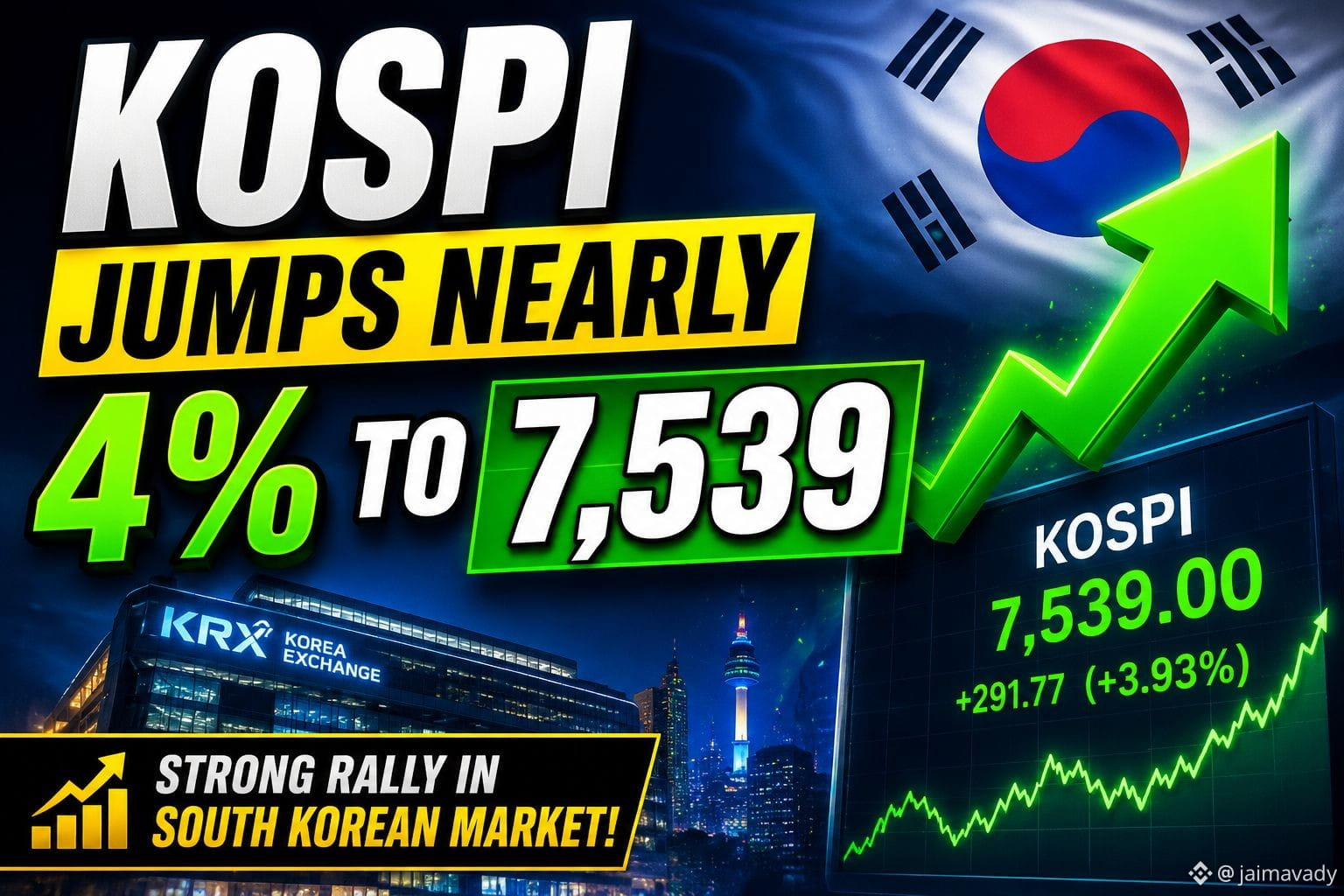
#kospijumpsnearly4%to7539 — Die tote Katze, die zurückspringt
Die Zahlen:
🇰🇷 KOSPI: +3,8% auf 7.539 — kletterte in einer einzigen Sitzung aus dem Bärenmarkt
🏭 SK Hynix: +7% — US-IPO angeblich 7-fach überzeichnet
📱 Samsung: +3,6% — stabiler Rebound nach -6% Panik
🌏 Nikkei: +2,3% | Hang Seng: +3% — Asien steigt breit „risk-on“ an
Der Kontext (24 Stunden zuvor):
Der KOSPI war am 8. Juli um 5,35% gefallen und damit in einen technischen Bärenmarkt gerutscht — -23% vom Hoch. Samsungs Rekordgewinne (58 Mrd. $) reichten nicht. Das US-Iran-Feuergefecht brach zusammen, Brent stieg auf 79 $ und Chip-Aktien wurden abgewickelt.
Der Auslöser:
Trump signalisierte, dass die Spannungen möglicherweise abkühlen könnten. Die asiatischen Märkte nahmen das auf und legten los. Die Nachfrage nach dem US-IPO von SK Hynix — 7-fach überzeichnet — erinnerte alle daran, dass die KI-These nicht tot ist. Sie wird nur neu bepreist.
Die Quintessenz der CTR:
Der KOSPI ging in 24 Stunden von -5,35% → +3,8%. Das ist ein Umschwung von 300 Mrd. $+ bei koreanischen Chip-Aktien — getrieben allein von Schlagzeilen, nicht von Fundamentaldaten.
Das KGV von Samsung liegt jetzt unter 7 — günstiger als 2008. Die Frage ist nicht, ob Korea billig ist. Sondern ob der KI-Trade noch Luft nach oben hat, bevor die nächste Hormuz-Schlagzeile ihn wieder nach unten drückt.
Volatilität ist das neue Beta.
Hinweis: Spekulative Story zur Unterhaltung — keine Finanzberatung.
#SonyGetsConditionalOCCApprovalForStablecoinTrust #FedMinutesShowSplitOnRateHikes #OilJumpsToTwoWeekHigh #USLaunchesNewStrikesAgainstIran $BTC $AAPL.US $NVDA.US
#kospijumpsnearly4%to7539 — Die tote Katze, die zurückspringt
Die Zahlen:
🇰🇷 KOSPI: +3,8% auf 7.539 — kletterte in einer einzigen Sitzung aus dem Bärenmarkt
🏭 SK Hynix: +7% — US-IPO angeblich 7-fach überzeichnet
📱 Samsung: +3,6% — stabiler Rebound nach -6% Panik
🌏 Nikkei: +2,3% | Hang Seng: +3% — Asien steigt breit „risk-on“ an
Der Kontext (24 Stunden zuvor):
Der KOSPI war am 8. Juli um 5,35% gefallen und damit in einen technischen Bärenmarkt gerutscht — -23% vom Hoch. Samsungs Rekordgewinne (58 Mrd. $) reichten nicht. Das US-Iran-Feuergefecht brach zusammen, Brent stieg auf 79 $ und Chip-Aktien wurden abgewickelt.
Der Auslöser:
Trump signalisierte, dass die Spannungen möglicherweise abkühlen könnten. Die asiatischen Märkte nahmen das auf und legten los. Die Nachfrage nach dem US-IPO von SK Hynix — 7-fach überzeichnet — erinnerte alle daran, dass die KI-These nicht tot ist. Sie wird nur neu bepreist.
Die Quintessenz der CTR:
Der KOSPI ging in 24 Stunden von -5,35% → +3,8%. Das ist ein Umschwung von 300 Mrd. $+ bei koreanischen Chip-Aktien — getrieben allein von Schlagzeilen, nicht von Fundamentaldaten.
Das KGV von Samsung liegt jetzt unter 7 — günstiger als 2008. Die Frage ist nicht, ob Korea billig ist. Sondern ob der KI-Trade noch Luft nach oben hat, bevor die nächste Hormuz-Schlagzeile ihn wieder nach unten drückt.
Volatilität ist das neue Beta.
Hinweis: Spekulative Story zur Unterhaltung — keine Finanzberatung.
#SonyGetsConditionalOCCApprovalForStablecoinTrust #FedMinutesShowSplitOnRateHikes #OilJumpsToTwoWeekHigh #USLaunchesNewStrikesAgainstIran $BTC $AAPL.US $NVDA.US
Die Zahlen:
🇰🇷 KOSPI: +3,8% auf 7.539 — kletterte in einer einzigen Sitzung aus dem Bärenmarkt
🏭 SK Hynix: +7% — US-IPO angeblich 7-fach überzeichnet
📱 Samsung: +3,6% — stabiler Rebound nach -6% Panik
🌏 Nikkei: +2,3% | Hang Seng: +3% — Asien steigt breit „risk-on“ an
Der Kontext (24 Stunden zuvor):
Der KOSPI war am 8. Juli um 5,35% gefallen und damit in einen technischen Bärenmarkt gerutscht — -23% vom Hoch. Samsungs Rekordgewinne (58 Mrd. $) reichten nicht. Das US-Iran-Feuergefecht brach zusammen, Brent stieg auf 79 $ und Chip-Aktien wurden abgewickelt.
Der Auslöser:
Trump signalisierte, dass die Spannungen möglicherweise abkühlen könnten. Die asiatischen Märkte nahmen das auf und legten los. Die Nachfrage nach dem US-IPO von SK Hynix — 7-fach überzeichnet — erinnerte alle daran, dass die KI-These nicht tot ist. Sie wird nur neu bepreist.
Die Quintessenz der CTR:
Der KOSPI ging in 24 Stunden von -5,35% → +3,8%. Das ist ein Umschwung von 300 Mrd. $+ bei koreanischen Chip-Aktien — getrieben allein von Schlagzeilen, nicht von Fundamentaldaten.
Das KGV von Samsung liegt jetzt unter 7 — günstiger als 2008. Die Frage ist nicht, ob Korea billig ist. Sondern ob der KI-Trade noch Luft nach oben hat, bevor die nächste Hormuz-Schlagzeile ihn wieder nach unten drückt.
Volatilität ist das neue Beta.
Hinweis: Spekulative Story zur Unterhaltung — keine Finanzberatung.
#SonyGetsConditionalOCCApprovalForStablecoinTrust #FedMinutesShowSplitOnRateHikes #OilJumpsToTwoWeekHigh #USLaunchesNewStrikesAgainstIran $BTC $AAPL.US $NVDA.US
1
260

·
--
Bullisch
Verifiziert
#kospijumpsnearly4%to7539
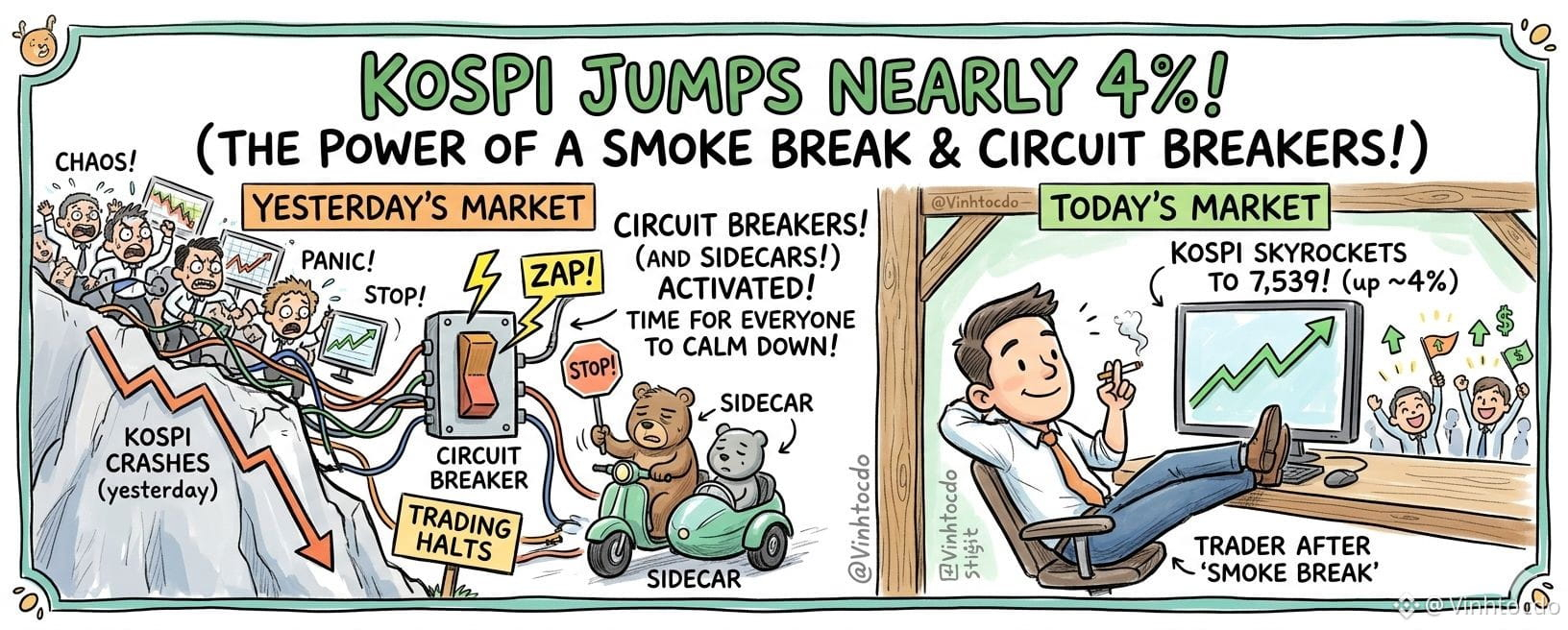
🚀 KOSPI schießt plötzlich nach oben, um fast 4% auf 7.539! Hatte ich gleich gedacht – Jungs, ihr müsst nur rausgehen und eine rauchen, dann ist der Markt wieder knallgrün. Aber gestern wurde ja den ganzen Tag lang nur getagt und alles völlig durcheinander gebracht!
📉 Und mal ehrlich: Das Duo „Sicherungseinsatz“ Sidecar und Circuit Breaker aus Korea ist schon ziemlich stark. Wenn der Markt mal in Panik gerät, zieht es automatisch den Stecker, schaltet komplett ab und sorgt sofort dafür, dass die Leute wieder zur Ruhe kommen!
🛒 Was soll ein Trader tun? Einfach still sitzen und auf die Erholung im Takt warten, kein FOMO – sonst sitzt du am Ende doch oben auf dem Chip-Aktienzug.
⚠️ Das ist keine finanzielle Beratung. Gib den Empfehlungs-Code VINHTOCDO ein und komm mit, um das Ganze zusammen zu verfolgen!
#KOSPI #SouthKorea #SKHYNIX #VINHTOCDO
$SKHYNIX
{future}(SKHYNIXUSDT)
$SAMSUNG
{future}(SAMSUNGUSDT)
#kospijumpsnearly4%to7539
🚀 KOSPI schießt plötzlich nach oben, um fast 4% auf 7.539! Hatte ich gleich gedacht – Jungs, ihr müsst nur rausgehen und eine rauchen, dann ist der Markt wieder knallgrün. Aber gestern wurde ja den ganzen Tag lang nur getagt und alles völlig durcheinander gebracht!
📉 Und mal ehrlich: Das Duo „Sicherungseinsatz“ Sidecar und Circuit Breaker aus Korea ist schon ziemlich stark. Wenn der Markt mal in Panik gerät, zieht es automatisch den Stecker, schaltet komplett ab und sorgt sofort dafür, dass die Leute wieder zur Ruhe kommen!
🛒 Was soll ein Trader tun? Einfach still sitzen und auf die Erholung im Takt warten, kein FOMO – sonst sitzt du am Ende doch oben auf dem Chip-Aktienzug.
⚠️ Das ist keine finanzielle Beratung. Gib den Empfehlungs-Code VINHTOCDO ein und komm mit, um das Ganze zusammen zu verfolgen!
#KOSPI #SouthKorea #SKHYNIX #VINHTOCDO
$SKHYNIX
$SAMSUNG
🚀 KOSPI schießt plötzlich nach oben, um fast 4% auf 7.539! Hatte ich gleich gedacht – Jungs, ihr müsst nur rausgehen und eine rauchen, dann ist der Markt wieder knallgrün. Aber gestern wurde ja den ganzen Tag lang nur getagt und alles völlig durcheinander gebracht!
📉 Und mal ehrlich: Das Duo „Sicherungseinsatz“ Sidecar und Circuit Breaker aus Korea ist schon ziemlich stark. Wenn der Markt mal in Panik gerät, zieht es automatisch den Stecker, schaltet komplett ab und sorgt sofort dafür, dass die Leute wieder zur Ruhe kommen!
🛒 Was soll ein Trader tun? Einfach still sitzen und auf die Erholung im Takt warten, kein FOMO – sonst sitzt du am Ende doch oben auf dem Chip-Aktienzug.
⚠️ Das ist keine finanzielle Beratung. Gib den Empfehlungs-Code VINHTOCDO ein und komm mit, um das Ganze zusammen zu verfolgen!
#KOSPI #SouthKorea #SKHYNIX #VINHTOCDO
$SKHYNIX
$SAMSUNG
3
2k
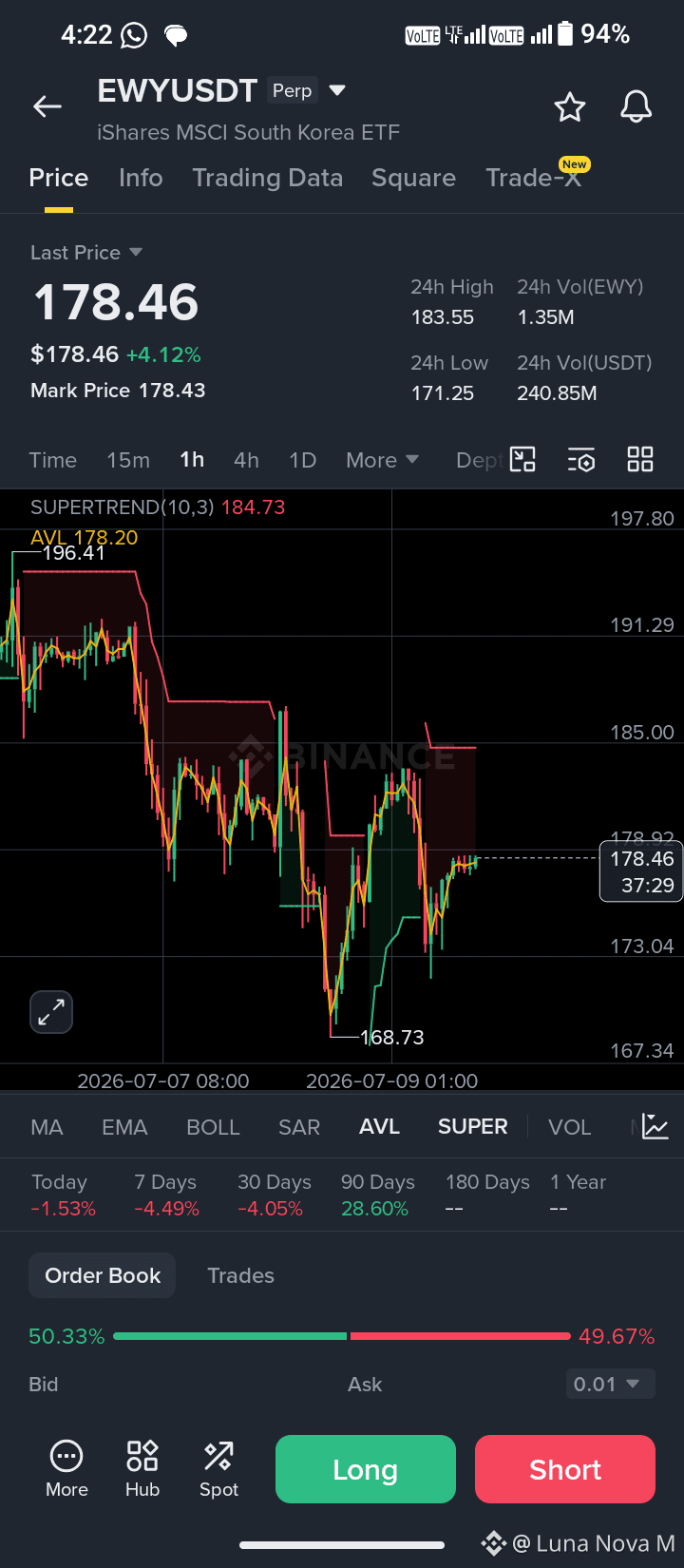
CXMTZumÖffnen$4.3BIPOS-Abonnements#SonyGetsOCCApprovalForStablecoinTrust #KOSPIJumpsNearly4%To7539 $NVDAB $GOOGLB
CXMTZumÖffnen$4.3BIPOS-Abonnements#SonyGetsOCCApprovalForStablecoinTrust #KOSPIJumpsNearly4%To7539 $NVDAB $GOOGLB
117

·
--
Bullisch
1
135

·
--
Bullisch
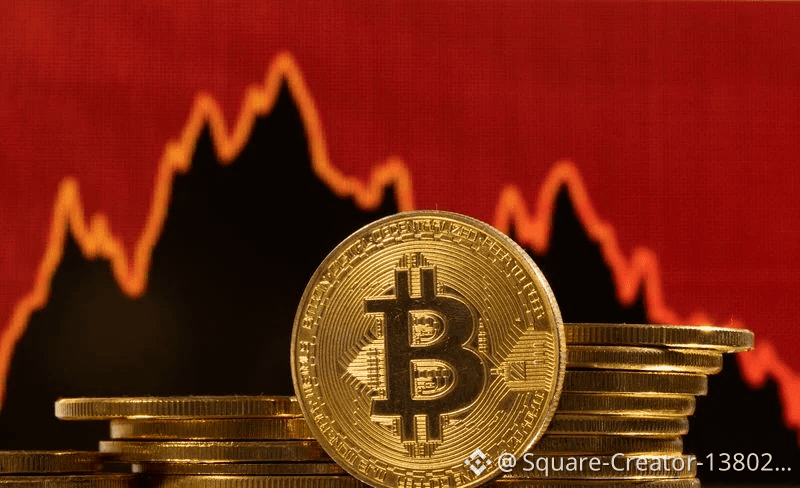
Bitcoin fällt nahe 62.000 US-Dollar zurück, während die Spannungen zwischen Washington und Teheran zunehmen
Bitcoin hielt sich am Donnerstag weiterhin über der Marke von 62.000 US-Dollar, nachdem es in der vorherigen Sitzung gefallen war. Hintergrund ist die Einschätzung der Anleger, dass sich die Spannungen zwischen den USA und dem Iran weiter verschärfen und die Risikobereitschaft für High-End-Assets dadurch geschwächt wird.
Die größte Kryptowährung der Welt verzeichnete in ihrem neuesten Handel einen Rückgang von 0,6 % auf 62.275,90 US-Dollar bis 08:31 Uhr.
Zuvor war Bitcoin im Verlauf der Woche auf 64.600,00 US-Dollar gestiegen, bevor es diese Gewinne nach einer erneuten Verschärfung der Spannungen zwischen Washington und Teheran wieder abgab.#KOSPIJumpsNearly4%To7539 $BTC
{future}(BTCUSDT)
Bitcoin fällt nahe 62.000 US-Dollar zurück, während die Spannungen zwischen Washington und Teheran zunehmen
Bitcoin hielt sich am Donnerstag weiterhin über der Marke von 62.000 US-Dollar, nachdem es in der vorherigen Sitzung gefallen war. Hintergrund ist die Einschätzung der Anleger, dass sich die Spannungen zwischen den USA und dem Iran weiter verschärfen und die Risikobereitschaft für High-End-Assets dadurch geschwächt wird.
Die größte Kryptowährung der Welt verzeichnete in ihrem neuesten Handel einen Rückgang von 0,6 % auf 62.275,90 US-Dollar bis 08:31 Uhr.
Zuvor war Bitcoin im Verlauf der Woche auf 64.600,00 US-Dollar gestiegen, bevor es diese Gewinne nach einer erneuten Verschärfung der Spannungen zwischen Washington und Teheran wieder abgab.#KOSPIJumpsNearly4%To7539 $BTC
Bitcoin hielt sich am Donnerstag weiterhin über der Marke von 62.000 US-Dollar, nachdem es in der vorherigen Sitzung gefallen war. Hintergrund ist die Einschätzung der Anleger, dass sich die Spannungen zwischen den USA und dem Iran weiter verschärfen und die Risikobereitschaft für High-End-Assets dadurch geschwächt wird.
Die größte Kryptowährung der Welt verzeichnete in ihrem neuesten Handel einen Rückgang von 0,6 % auf 62.275,90 US-Dollar bis 08:31 Uhr.
Zuvor war Bitcoin im Verlauf der Woche auf 64.600,00 US-Dollar gestiegen, bevor es diese Gewinne nach einer erneuten Verschärfung der Spannungen zwischen Washington und Teheran wieder abgab.#KOSPIJumpsNearly4%To7539 $BTC
57
DIE FED WIRD HEUTE UM 9:00 UHR ET $6.637.000.000,00 IN DIE MÄRKTE EINSPEISEN, DIREKT BEVOR DER US-MARKT ERÖFFNET!
DIESE EINSPEISUNGEN STEHEN IN DIREKTEM ZUSAMMENHANG MIT DER ÖLKRISE UND EXTREMER MARKTVolatilität.
ETWAS EXTREM SCHLIMMES KOMMT...
#CXMTToOpen$4.3BIPOSubscriptions #FedMinutesShowSplitOnRateHikes #SonyGetsOCCApprovalForStablecoinTrust #KOSPIJumpsNearly4%To7539 #SonyGetsConditionalOCCApprovalForStablecoinTrust
DIE FED WIRD HEUTE UM 9:00 UHR ET $6.637.000.000,00 IN DIE MÄRKTE EINSPEISEN, DIREKT BEVOR DER US-MARKT ERÖFFNET!
DIESE EINSPEISUNGEN STEHEN IN DIREKTEM ZUSAMMENHANG MIT DER ÖLKRISE UND EXTREMER MARKTVolatilität.
ETWAS EXTREM SCHLIMMES KOMMT...
#CXMTToOpen$4.3BIPOSubscriptions #FedMinutesShowSplitOnRateHikes #SonyGetsOCCApprovalForStablecoinTrust #KOSPIJumpsNearly4%To7539 #SonyGetsConditionalOCCApprovalForStablecoinTrust
DIESE EINSPEISUNGEN STEHEN IN DIREKTEM ZUSAMMENHANG MIT DER ÖLKRISE UND EXTREMER MARKTVolatilität.
ETWAS EXTREM SCHLIMMES KOMMT...
#CXMTToOpen$4.3BIPOSubscriptions #FedMinutesShowSplitOnRateHikes #SonyGetsOCCApprovalForStablecoinTrust #KOSPIJumpsNearly4%To7539 #SonyGetsConditionalOCCApprovalForStablecoinTrust

6

🚨 MARKT-WARNUNG | #OilJumpsToTwoWeekHigh
Rohöl ist auf ein Zweiwochenhoch gestiegen, angetrieben von erneuten Lieferbedenken und erhöhter geopolitischer Unsicherheit. Die Bewegung rückt die Energiemärkte wieder in den Fokus, da Händler genau beobachten, ob sich der bullische Schwung in den kommenden Sitzungen fortsetzen kann.
Ein anhaltender Anstieg der Ölpreise könnte beeinflussen: • Inflationserwartungen 📈
• Globale Aktienmärkte 🌍
• Risikostimmung über Krypto-Assets ₿
Wichtige zu beobachtende Marke: Wenn Rohöl oberhalb der aktuellen Unterstützung bleibt, könnte die Volatilität an den Finanzmärkten zunehmen.
Wie siehst du das?
📊 Bullisch oder bärisch bei Öl diese Woche?
#Oil #CrudeOil #KOSPIJumpsNearly4%To7539 $SPCXB $NVDAB
{spot}(SPCXBUSDT)
🚨 MARKT-WARNUNG | #OilJumpsToTwoWeekHigh
Rohöl ist auf ein Zweiwochenhoch gestiegen, angetrieben von erneuten Lieferbedenken und erhöhter geopolitischer Unsicherheit. Die Bewegung rückt die Energiemärkte wieder in den Fokus, da Händler genau beobachten, ob sich der bullische Schwung in den kommenden Sitzungen fortsetzen kann.
Ein anhaltender Anstieg der Ölpreise könnte beeinflussen: • Inflationserwartungen 📈
• Globale Aktienmärkte 🌍
• Risikostimmung über Krypto-Assets ₿
Wichtige zu beobachtende Marke: Wenn Rohöl oberhalb der aktuellen Unterstützung bleibt, könnte die Volatilität an den Finanzmärkten zunehmen.
Wie siehst du das?
📊 Bullisch oder bärisch bei Öl diese Woche?
#Oil #CrudeOil #KOSPIJumpsNearly4%To7539 $SPCXB $NVDAB
Rohöl ist auf ein Zweiwochenhoch gestiegen, angetrieben von erneuten Lieferbedenken und erhöhter geopolitischer Unsicherheit. Die Bewegung rückt die Energiemärkte wieder in den Fokus, da Händler genau beobachten, ob sich der bullische Schwung in den kommenden Sitzungen fortsetzen kann.
Ein anhaltender Anstieg der Ölpreise könnte beeinflussen: • Inflationserwartungen 📈
• Globale Aktienmärkte 🌍
• Risikostimmung über Krypto-Assets ₿
Wichtige zu beobachtende Marke: Wenn Rohöl oberhalb der aktuellen Unterstützung bleibt, könnte die Volatilität an den Finanzmärkten zunehmen.
Wie siehst du das?
📊 Bullisch oder bärisch bei Öl diese Woche?
#Oil #CrudeOil #KOSPIJumpsNearly4%To7539 $SPCXB $NVDAB

2
107

·
--
Bullisch
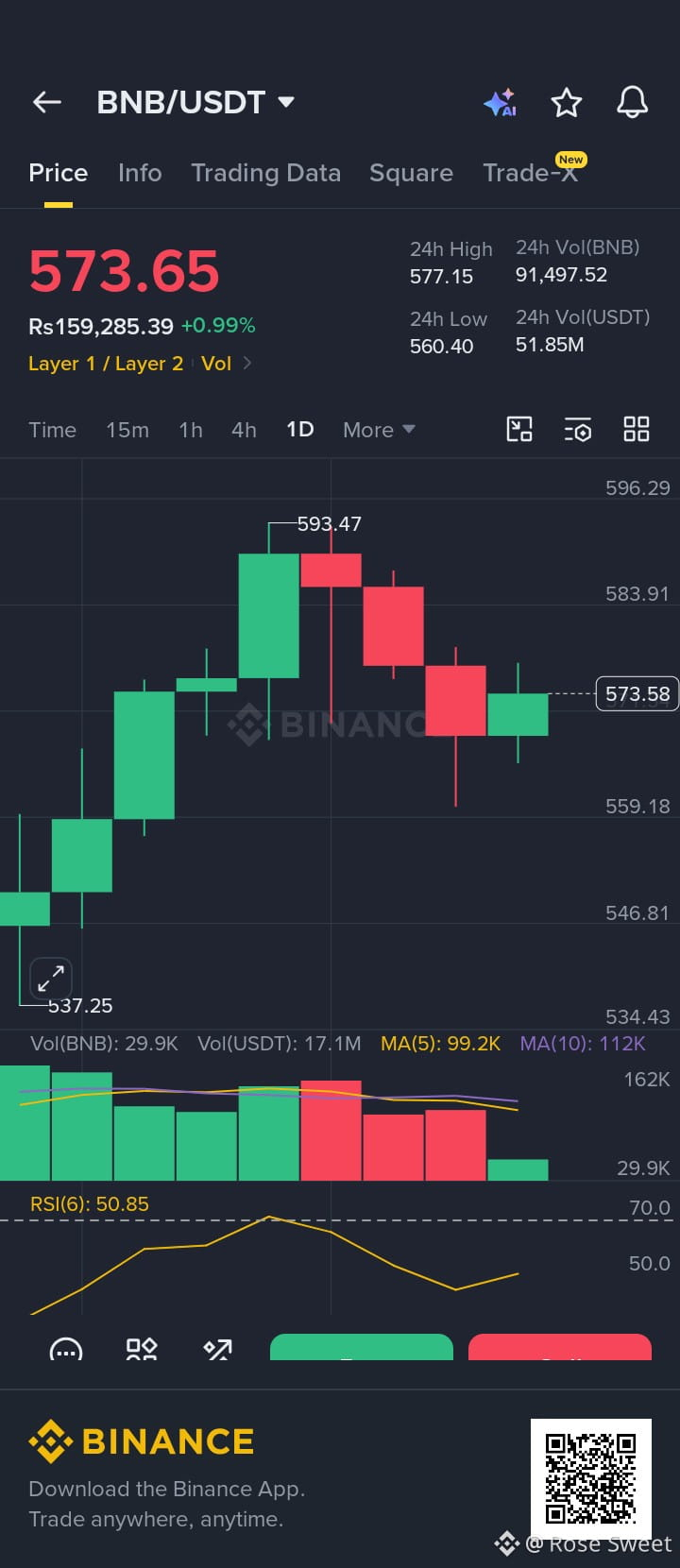
BNB Chain hat eine neue Layer-1-Blockchain angekündigt, die speziell für agentic Trading entwickelt wurde. Sie zielt auf <50-ms>-Pre-Confirmation-Zeiten ab und eliminiert über TxStream das öffentliche Mempool, um MEV-Risiken zu reduzieren.
Start-Zeitplan
Das Testnet ist für Anfang 2027 geplant, wobei sich die Blockproduzenten alle 200 ms rotieren, um die Sicherheit zu erhöhen.
Marktreaktion
Trotz der ehrgeizigen Roadmap rutschte der BNB-Preis nach der Ankündigung nur moderat ab, da Händler konkrete Einsatzsignale abwarteten.
#KOSPIJumpsNearly4%To7539 #KOSPIReboundsNearly4%To7539 $BNB
{spot}(BNBUSDT)
$DASH
{spot}(DASHUSDT)
$DOT
{spot}(DOTUSDT)
BNB Chain hat eine neue Layer-1-Blockchain angekündigt, die speziell für agentic Trading entwickelt wurde. Sie zielt auf <50-ms>-Pre-Confirmation-Zeiten ab und eliminiert über TxStream das öffentliche Mempool, um MEV-Risiken zu reduzieren.
Start-Zeitplan
Das Testnet ist für Anfang 2027 geplant, wobei sich die Blockproduzenten alle 200 ms rotieren, um die Sicherheit zu erhöhen.
Marktreaktion
Trotz der ehrgeizigen Roadmap rutschte der BNB-Preis nach der Ankündigung nur moderat ab, da Händler konkrete Einsatzsignale abwarteten.
#KOSPIJumpsNearly4%To7539 #KOSPIReboundsNearly4%To7539 $BNB
$DASH
$DOT
Start-Zeitplan
Das Testnet ist für Anfang 2027 geplant, wobei sich die Blockproduzenten alle 200 ms rotieren, um die Sicherheit zu erhöhen.
Marktreaktion
Trotz der ehrgeizigen Roadmap rutschte der BNB-Preis nach der Ankündigung nur moderat ab, da Händler konkrete Einsatzsignale abwarteten.
#KOSPIJumpsNearly4%To7539 #KOSPIReboundsNearly4%To7539 $BNB
$DASH
$DOT
1
64

·
--
Bullisch
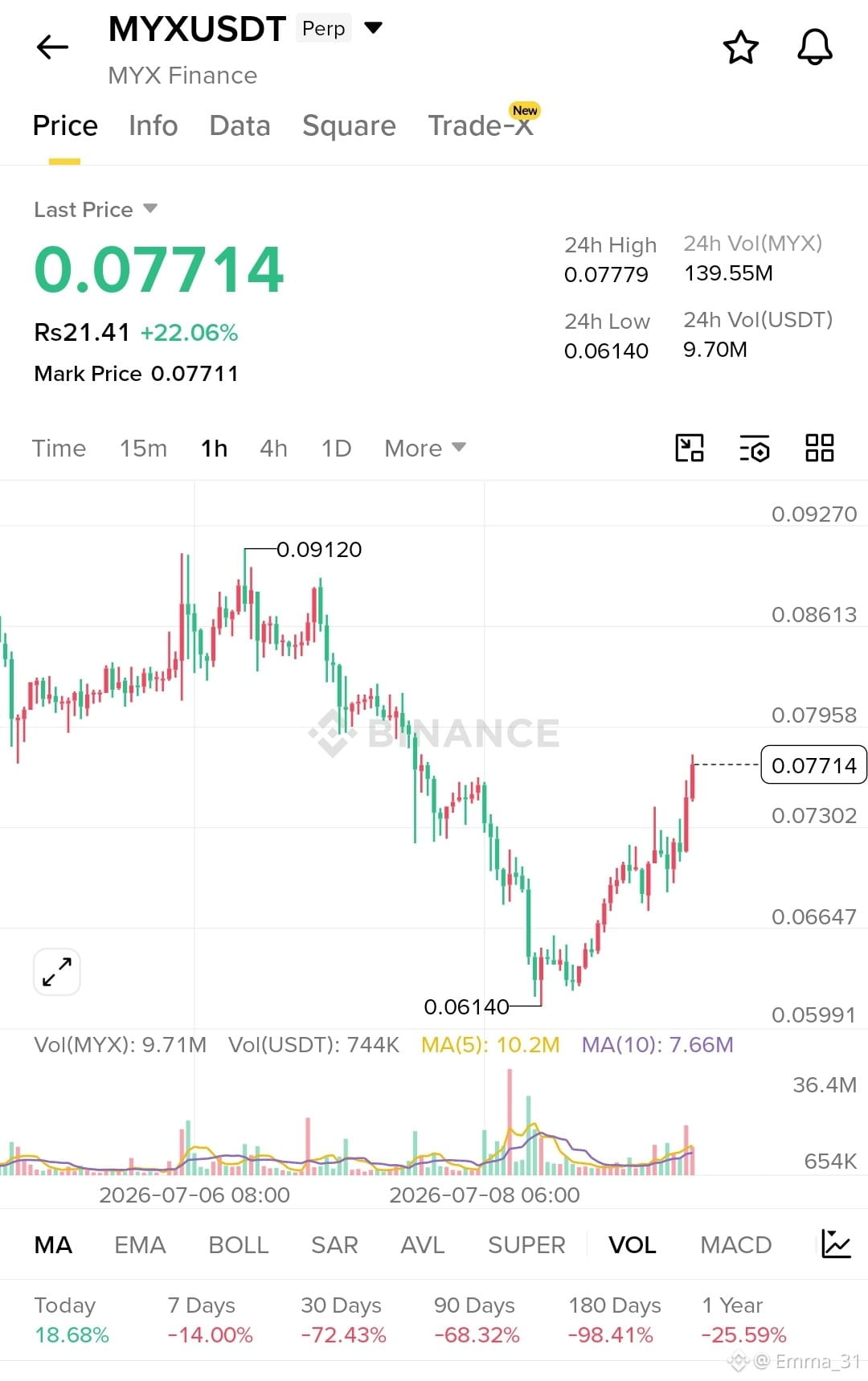
$MYX
V-FÖRMIGE ERHOLUNG
Der Preis ist um +22% explodiert und auf 0.07714 gestiegen—mit Kraft zurückeroberte er das Niveau von 0.07302. Das Volumen zieht stark an—9,7M MYX wurden gehandelt. MA(10) kreuzt über MA(5). Die bullische MACD-Expansion ist bestätigt.
EP: 0.07650 - 0.07750
TP1: 0.07950
TP2: 0.08600
TP3: 0.09270
SL: 0.07300 (-5.5% Risiko)
Klare Ausbruchsstruktur. Rücksetzer auf 0.07650 bietet den letzten Einstieg vor der nächsten Bewegung. Erstes Ziel ist der unmittelbare Widerstand. Zweites ist das 30-Tage-Hoch. Drittes ist die Obergrenze der letzten 90 Tage.
Chance-Risiko-Verhältnis: 1:4+.
Enger Stop für diszipliniertes Risiko. Aggressiv nachziehen.
$MYX
#SonyGetsConditionalOCCApprovalForStablecoinTrust
#KOSPIJumpsNearly4%To7539
{future}(MYXUSDT)
$MYX
V-FÖRMIGE ERHOLUNG
Der Preis ist um +22% explodiert und auf 0.07714 gestiegen—mit Kraft zurückeroberte er das Niveau von 0.07302. Das Volumen zieht stark an—9,7M MYX wurden gehandelt. MA(10) kreuzt über MA(5). Die bullische MACD-Expansion ist bestätigt.
EP: 0.07650 - 0.07750
TP1: 0.07950
TP2: 0.08600
TP3: 0.09270
SL: 0.07300 (-5.5% Risiko)
Klare Ausbruchsstruktur. Rücksetzer auf 0.07650 bietet den letzten Einstieg vor der nächsten Bewegung. Erstes Ziel ist der unmittelbare Widerstand. Zweites ist das 30-Tage-Hoch. Drittes ist die Obergrenze der letzten 90 Tage.
Chance-Risiko-Verhältnis: 1:4+.
Enger Stop für diszipliniertes Risiko. Aggressiv nachziehen.
$MYX
#SonyGetsConditionalOCCApprovalForStablecoinTrust
#KOSPIJumpsNearly4%To7539
V-FÖRMIGE ERHOLUNG
Der Preis ist um +22% explodiert und auf 0.07714 gestiegen—mit Kraft zurückeroberte er das Niveau von 0.07302. Das Volumen zieht stark an—9,7M MYX wurden gehandelt. MA(10) kreuzt über MA(5). Die bullische MACD-Expansion ist bestätigt.
EP: 0.07650 - 0.07750
TP1: 0.07950
TP2: 0.08600
TP3: 0.09270
SL: 0.07300 (-5.5% Risiko)
Klare Ausbruchsstruktur. Rücksetzer auf 0.07650 bietet den letzten Einstieg vor der nächsten Bewegung. Erstes Ziel ist der unmittelbare Widerstand. Zweites ist das 30-Tage-Hoch. Drittes ist die Obergrenze der letzten 90 Tage.
Chance-Risiko-Verhältnis: 1:4+.
Enger Stop für diszipliniertes Risiko. Aggressiv nachziehen.
$MYX
#SonyGetsConditionalOCCApprovalForStablecoinTrust
#KOSPIJumpsNearly4%To7539
77

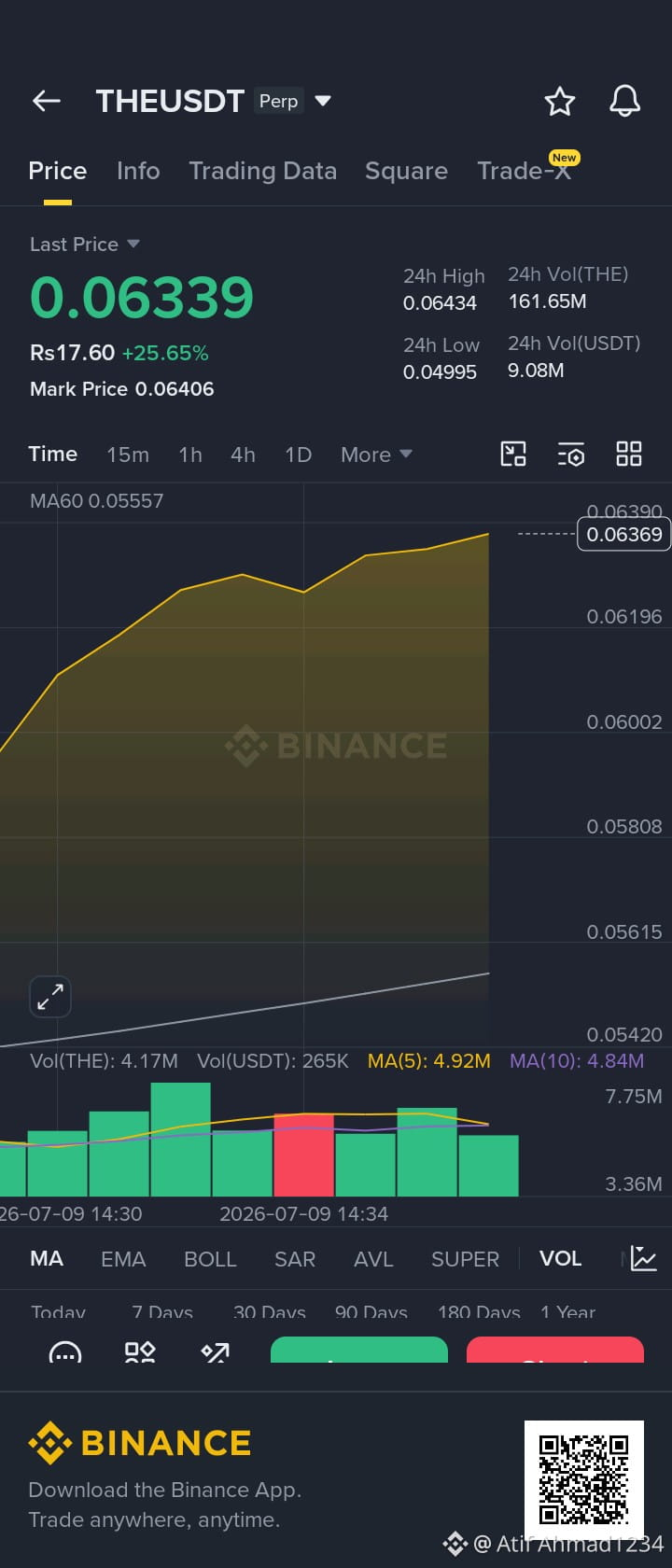
🚀🔥 $THE führt die heutigen Gewinner mit beeindruckender Stärke an! 💎
💰 Preis: 0.06339 $
📈 24H Veränderung: +25.65%
👀 Die Bullen haben klar die Kontrolle! Wenn das Kaufvolumen stark bleibt, könnte schon bald ein weiterer Ausbruch bevorstehen.
Achte auf den Momentum-Impuls und vermeide es, grüne Kerzen hinterherzulaufen. ⚡
🛡️ Handel klug • Risiko managen • DYOR
Trade $THE hier 👇👇
{future}(THEUSDT)
🚀 #THE
#FedMinutesShowSplitOnRateHikes
#SonyGetsOCCApprovalForStablecoinTrust #KOSPIJumpsNearly4%To7539
🚀🔥 $THE führt die heutigen Gewinner mit beeindruckender Stärke an! 💎
💰 Preis: 0.06339 $
📈 24H Veränderung: +25.65%
👀 Die Bullen haben klar die Kontrolle! Wenn das Kaufvolumen stark bleibt, könnte schon bald ein weiterer Ausbruch bevorstehen.
Achte auf den Momentum-Impuls und vermeide es, grüne Kerzen hinterherzulaufen. ⚡
🛡️ Handel klug • Risiko managen • DYOR
Trade $THE hier 👇👇
🚀 #THE
#FedMinutesShowSplitOnRateHikes
#SonyGetsOCCApprovalForStablecoinTrust #KOSPIJumpsNearly4%To7539
💰 Preis: 0.06339 $
📈 24H Veränderung: +25.65%
👀 Die Bullen haben klar die Kontrolle! Wenn das Kaufvolumen stark bleibt, könnte schon bald ein weiterer Ausbruch bevorstehen.
Achte auf den Momentum-Impuls und vermeide es, grüne Kerzen hinterherzulaufen. ⚡
🛡️ Handel klug • Risiko managen • DYOR
Trade $THE hier 👇👇
🚀 #THE
#FedMinutesShowSplitOnRateHikes
#SonyGetsOCCApprovalForStablecoinTrust #KOSPIJumpsNearly4%To7539
1
100


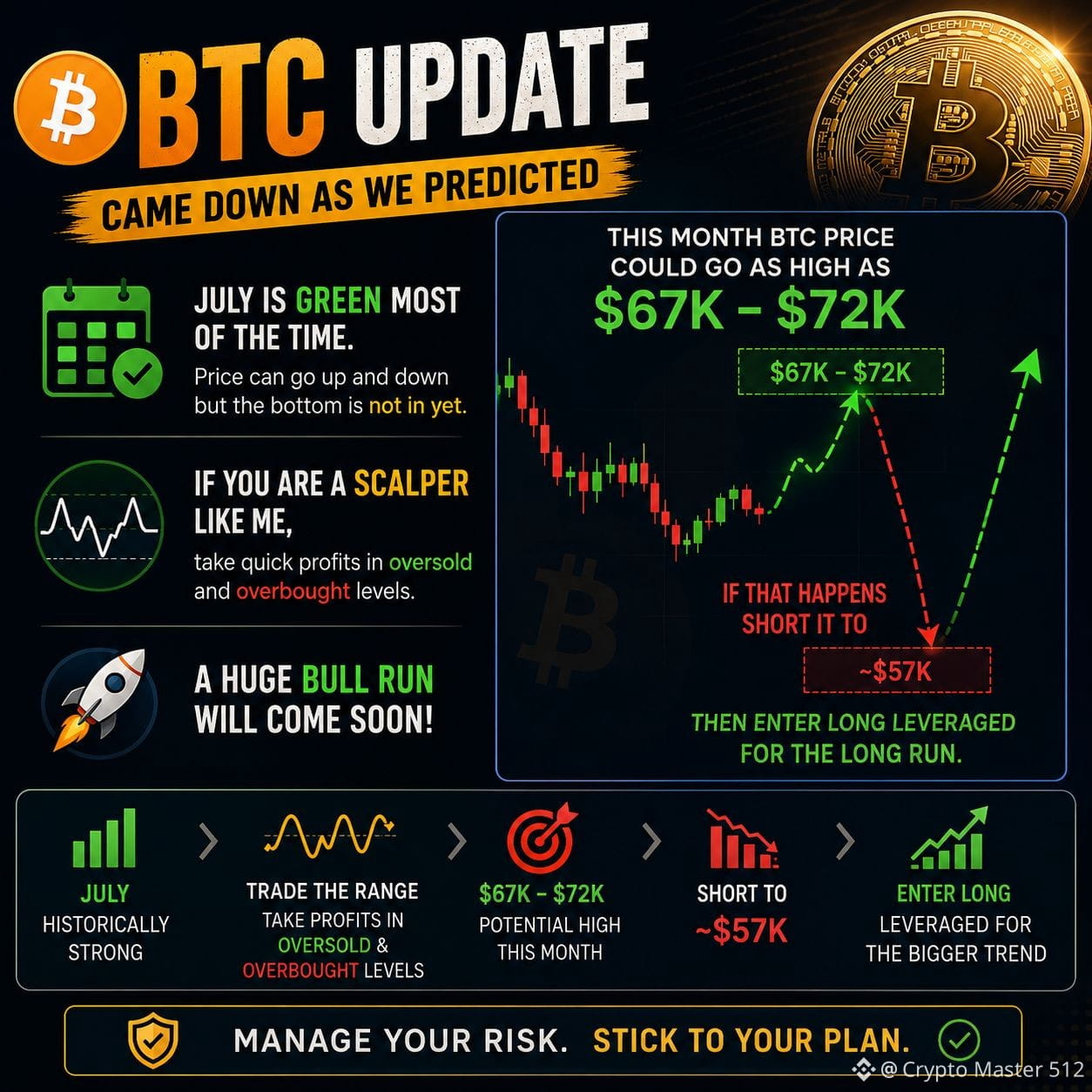
🚨 BTC-Update
$BTC
Bitcoin ist gefallen, genau wie wir es erwartet hatten. Allerdings war der Juli historisch gesehen ein starker Monat für BTC – also wundere dich nicht, wenn es vor dem eigentlichen Move zu weiterer Volatilität kommt.
Ich denke nicht, dass der Boden schon drin ist. Konzentriere dich nicht auf exakte Kursziele, sondern trade das, was dir der Markt bietet. Wenn du, so wie ich, ein Scalper bist, nimm schnelle Gewinne in den überverkauften und überkauften Bereichen mit, statt jede Position ewig zu halten.
$BTC
Ich glaube weiterhin, dass ein großer Bullenlauf bevorsteht. Bevor das passiert, könnte BTC diesen Monat in den Bereich von 67.000 bis 72.000 US-Dollar steigen. Wenn wir diesen Move bekommen, würde ich nach einer Short-Chance Ausschau halten, die auf etwa 57.000 US-Dollar abzielt. Danach würde ich$BTC erwägen, für den größeren Trend eine gehebelte Long-Position einzugehen.
{spot}(BTCUSDT)
#SKHynixUSIPOSevenTimesOversubscribed CXMTToOpen$4.3BIPOSubscriptions#KOSPIJumpsNearly4%To7539 #BTC
🚨 BTC-Update
$BTC
Bitcoin ist gefallen, genau wie wir es erwartet hatten. Allerdings war der Juli historisch gesehen ein starker Monat für BTC – also wundere dich nicht, wenn es vor dem eigentlichen Move zu weiterer Volatilität kommt.
Ich denke nicht, dass der Boden schon drin ist. Konzentriere dich nicht auf exakte Kursziele, sondern trade das, was dir der Markt bietet. Wenn du, so wie ich, ein Scalper bist, nimm schnelle Gewinne in den überverkauften und überkauften Bereichen mit, statt jede Position ewig zu halten.
$BTC
Ich glaube weiterhin, dass ein großer Bullenlauf bevorsteht. Bevor das passiert, könnte BTC diesen Monat in den Bereich von 67.000 bis 72.000 US-Dollar steigen. Wenn wir diesen Move bekommen, würde ich nach einer Short-Chance Ausschau halten, die auf etwa 57.000 US-Dollar abzielt. Danach würde ich$BTC erwägen, für den größeren Trend eine gehebelte Long-Position einzugehen.
#SKHynixUSIPOSevenTimesOversubscribed CXMTToOpen$4.3BIPOSubscriptions#KOSPIJumpsNearly4%To7539 #BTC
$BTC
Bitcoin ist gefallen, genau wie wir es erwartet hatten. Allerdings war der Juli historisch gesehen ein starker Monat für BTC – also wundere dich nicht, wenn es vor dem eigentlichen Move zu weiterer Volatilität kommt.
Ich denke nicht, dass der Boden schon drin ist. Konzentriere dich nicht auf exakte Kursziele, sondern trade das, was dir der Markt bietet. Wenn du, so wie ich, ein Scalper bist, nimm schnelle Gewinne in den überverkauften und überkauften Bereichen mit, statt jede Position ewig zu halten.
$BTC
Ich glaube weiterhin, dass ein großer Bullenlauf bevorsteht. Bevor das passiert, könnte BTC diesen Monat in den Bereich von 67.000 bis 72.000 US-Dollar steigen. Wenn wir diesen Move bekommen, würde ich nach einer Short-Chance Ausschau halten, die auf etwa 57.000 US-Dollar abzielt. Danach würde ich$BTC erwägen, für den größeren Trend eine gehebelte Long-Position einzugehen.
#SKHynixUSIPOSevenTimesOversubscribed CXMTToOpen$4.3BIPOSubscriptions#KOSPIJumpsNearly4%To7539 #BTC
83

$BTC Ausbruch über 65.000 $ könnte eine Bewegung in Richtung 68.000–70.000 $ auslösen.
{spot}(BTCUSDT)
BTC-Preisstruktur
70.000 $+ 🎯 Bullishes Ziel
▲
│
65.000 $ ─────┼──── Starker Widerstand
│
63.000 $ ─────● Aktueller Preis
│
60.000 $ ─────┼──── Wichtige Unterstützung
│
58.000 $ ─────┼──── Kritische Unterstützung
│
Unter 58.000 $ ▼
#FedMinutesShowSplitOnRateHikes #SonyGetsOCCApprovalForStablecoinTrust #KOSPIJumpsNearly4%To7539
$BTC Ausbruch über 65.000 $ könnte eine Bewegung in Richtung 68.000–70.000 $ auslösen.
BTC-Preisstruktur
70.000 $+ 🎯 Bullishes Ziel
▲
│
65.000 $ ─────┼──── Starker Widerstand
│
63.000 $ ─────● Aktueller Preis
│
60.000 $ ─────┼──── Wichtige Unterstützung
│
58.000 $ ─────┼──── Kritische Unterstützung
│
Unter 58.000 $ ▼
#FedMinutesShowSplitOnRateHikes #SonyGetsOCCApprovalForStablecoinTrust #KOSPIJumpsNearly4%To7539
BTC-Preisstruktur
70.000 $+ 🎯 Bullishes Ziel
▲
│
65.000 $ ─────┼──── Starker Widerstand
│
63.000 $ ─────● Aktueller Preis
│
60.000 $ ─────┼──── Wichtige Unterstützung
│
58.000 $ ─────┼──── Kritische Unterstützung
│
Unter 58.000 $ ▼
#FedMinutesShowSplitOnRateHikes #SonyGetsOCCApprovalForStablecoinTrust #KOSPIJumpsNearly4%To7539
97

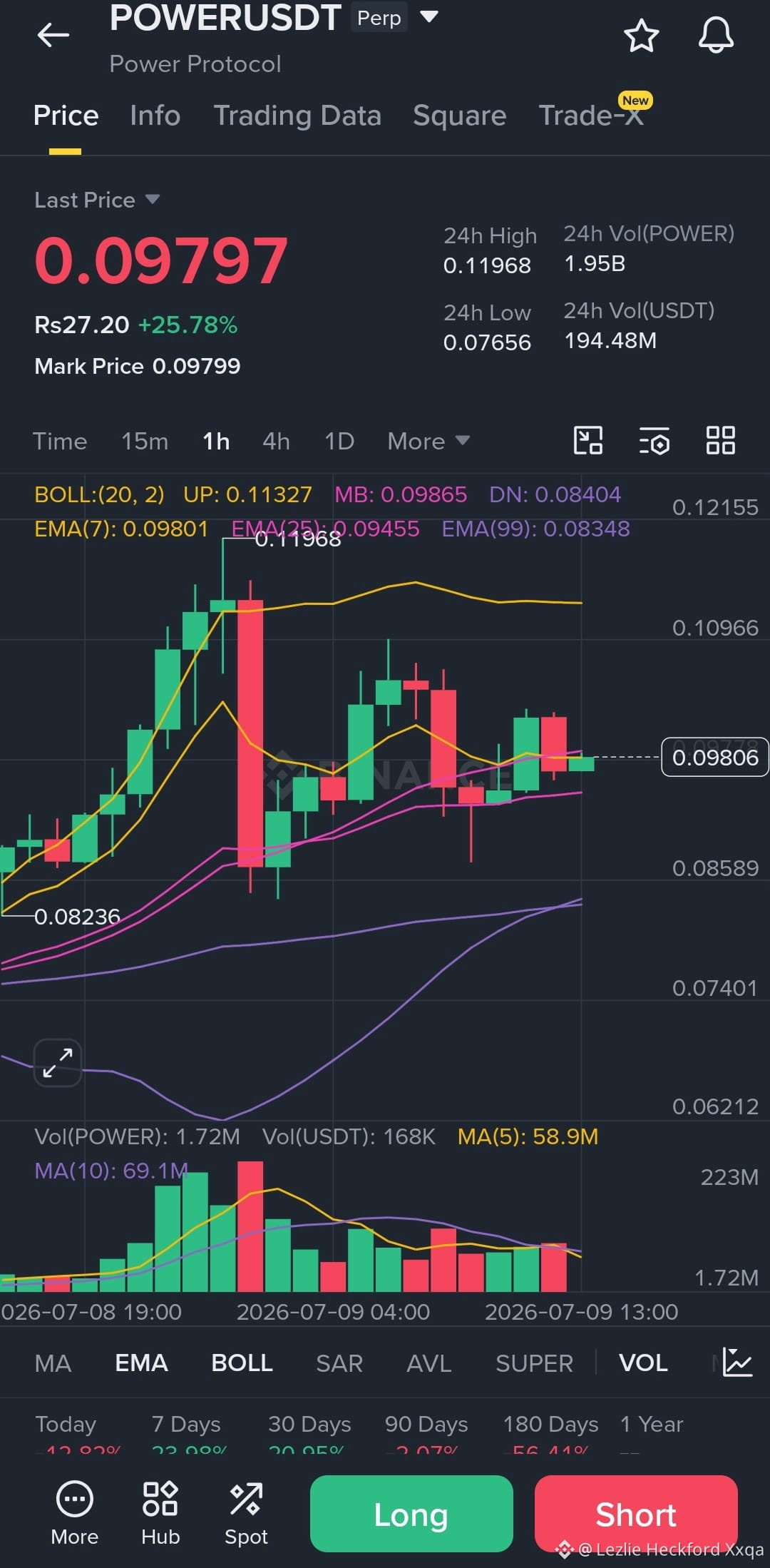
Es sieht so aus, als ob $POWER die Batterien alle gemacht hat... 🔋📉
Ich nehme die andere Seite des Hypes ein und eröffne einen SHORT.
Einstieg: 0.09696 – 0.09939
🎯 TP1: 0.0880
🎯 TP2: 0.0799
🛑 SL: 0.10436
⚠️ Risiko: 7/10
Der Kurs kämpft unter dem MA7, und jeder Bounce beginnt wie eine Ausstiegschance auszusehen. Mal sehen, ob die Bären fertig machen, was sie begonnen haben.
{future}(POWERUSDT)
#KOSPIJumpsNearly4%To7539
Es sieht so aus, als ob $POWER die Batterien alle gemacht hat... 🔋📉
Ich nehme die andere Seite des Hypes ein und eröffne einen SHORT.
Einstieg: 0.09696 – 0.09939
🎯 TP1: 0.0880
🎯 TP2: 0.0799
🛑 SL: 0.10436
⚠️ Risiko: 7/10
Der Kurs kämpft unter dem MA7, und jeder Bounce beginnt wie eine Ausstiegschance auszusehen. Mal sehen, ob die Bären fertig machen, was sie begonnen haben.
#KOSPIJumpsNearly4%To7539
Ich nehme die andere Seite des Hypes ein und eröffne einen SHORT.
Einstieg: 0.09696 – 0.09939
🎯 TP1: 0.0880
🎯 TP2: 0.0799
🛑 SL: 0.10436
⚠️ Risiko: 7/10
Der Kurs kämpft unter dem MA7, und jeder Bounce beginnt wie eine Ausstiegschance auszusehen. Mal sehen, ob die Bären fertig machen, was sie begonnen haben.
#KOSPIJumpsNearly4%To7539
1
120
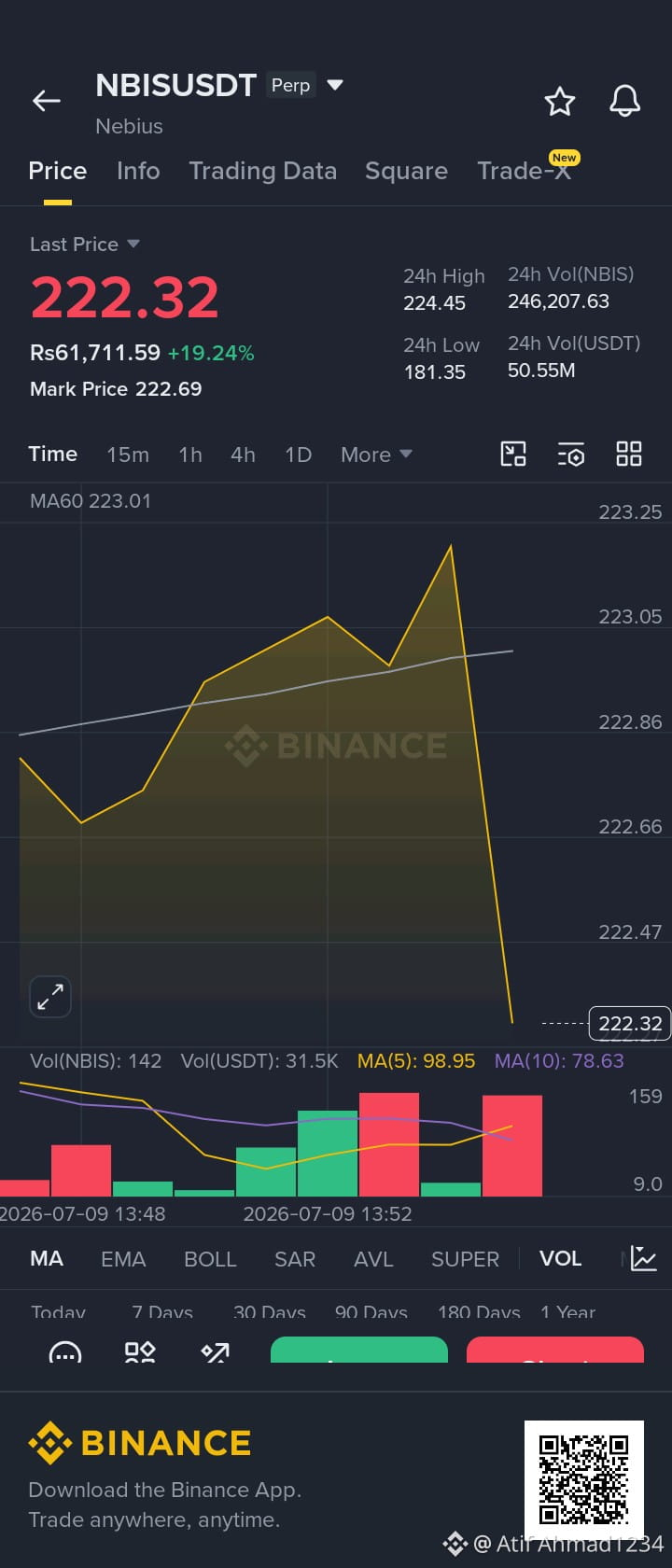
🚀🔥 $NBIS zeigt nach einer soliden Rally starke Dynamik! 💎
💰 Preis: $222.32
📈 24H Veränderung: +19.24%
👀 Die Bullen behalten die Kontrolle, aber nach einem starken Pump solltest du auf eine gesunde Korrektur achten, bevor die nächste Bewegung kommt.
Smartes Risikomanagement ist entscheidend! ⚡
🛡️ Trade smart • Manage risk • DYOR
Trade $NBIS hier 👇👇
{future}(NBISUSDT)
🔥 #NBIS #SonyGetsOCCApprovalForStablecoinTrust #KOSPIJumpsNearly4%To7539 #KOSPIReboundsNearly4%To7539 #SonyGetsConditionalOCCApprovalForStablecoinTrust
🚀🔥 $NBIS zeigt nach einer soliden Rally starke Dynamik! 💎
💰 Preis: $222.32
📈 24H Veränderung: +19.24%
👀 Die Bullen behalten die Kontrolle, aber nach einem starken Pump solltest du auf eine gesunde Korrektur achten, bevor die nächste Bewegung kommt.
Smartes Risikomanagement ist entscheidend! ⚡
🛡️ Trade smart • Manage risk • DYOR
Trade $NBIS hier 👇👇
🔥 #NBIS #SonyGetsOCCApprovalForStablecoinTrust #KOSPIJumpsNearly4%To7539 #KOSPIReboundsNearly4%To7539 #SonyGetsConditionalOCCApprovalForStablecoinTrust
💰 Preis: $222.32
📈 24H Veränderung: +19.24%
👀 Die Bullen behalten die Kontrolle, aber nach einem starken Pump solltest du auf eine gesunde Korrektur achten, bevor die nächste Bewegung kommt.
Smartes Risikomanagement ist entscheidend! ⚡
🛡️ Trade smart • Manage risk • DYOR
Trade $NBIS hier 👇👇
🔥 #NBIS #SonyGetsOCCApprovalForStablecoinTrust #KOSPIJumpsNearly4%To7539 #KOSPIReboundsNearly4%To7539 #SonyGetsConditionalOCCApprovalForStablecoinTrust
1
31

·
--
Bullisch
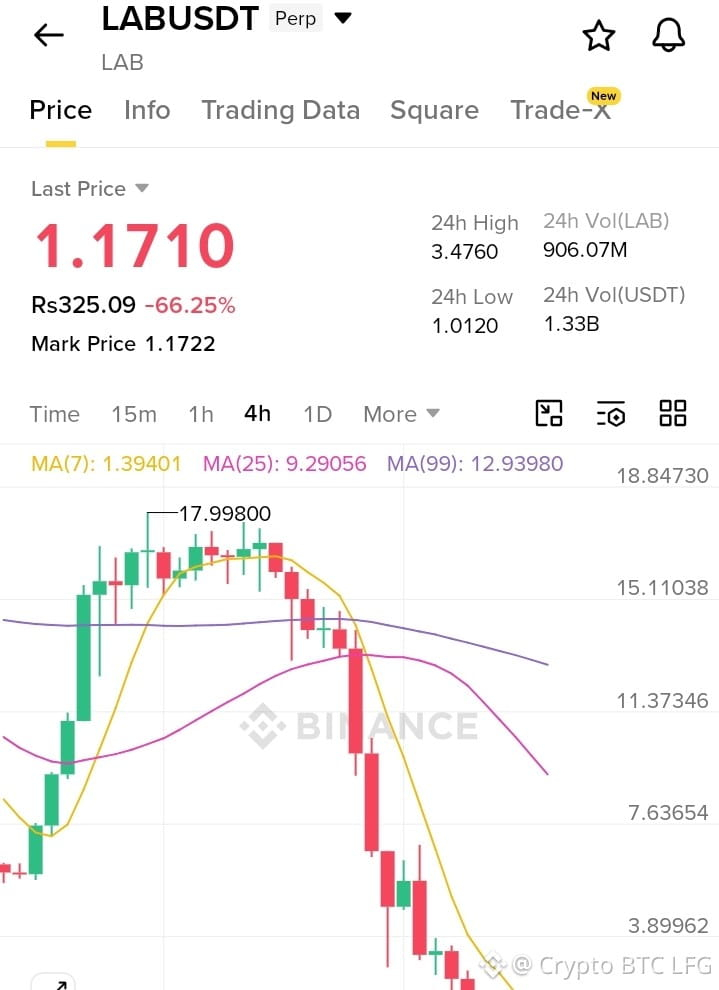
$LAB
Jeder schreit „NOCH EINE PUMPE.“
Das haben sie bei 4 gesagt. ❌
Das haben sie bei 3 gesagt. ❌
Das haben sie bei 2 gesagt. ❌
Jetzt ist es 1.
Klar, es kann zurückspringen...
Aber was, wenn es erst auf 0,20 flushes... und dann mit dem 5-fachen zurück auf 1 reißt?
Der Markt bestraft späte Käufer.
Handel das Chart. Nicht den Hype.
📍 Kaufzone: Bestätigung an entscheidender Unterstützung / Rückeroberung
🎯 TP1: +15%
🎯 TP2: +30%
🎯 TP3: +50%
🛑 Stop: Schlusskurs unter der Unterstützung$LAB
{future}(LABUSDT)
#FedMinutesShowSplitOnRateHikes #SonyGetsOCCApprovalForStablecoinTrust #KOSPIJumpsNearly4%To7539 #SonyGetsConditionalOCCApprovalForStablecoinTrust #OilJumpsToTwoWeekHigh
$LAB
Jeder schreit „NOCH EINE PUMPE.“
Das haben sie bei 4 gesagt. ❌
Das haben sie bei 3 gesagt. ❌
Das haben sie bei 2 gesagt. ❌
Jetzt ist es 1.
Klar, es kann zurückspringen...
Aber was, wenn es erst auf 0,20 flushes... und dann mit dem 5-fachen zurück auf 1 reißt?
Der Markt bestraft späte Käufer.
Handel das Chart. Nicht den Hype.
📍 Kaufzone: Bestätigung an entscheidender Unterstützung / Rückeroberung
🎯 TP1: +15%
🎯 TP2: +30%
🎯 TP3: +50%
🛑 Stop: Schlusskurs unter der Unterstützung$LAB
#FedMinutesShowSplitOnRateHikes #SonyGetsOCCApprovalForStablecoinTrust #KOSPIJumpsNearly4%To7539 #SonyGetsConditionalOCCApprovalForStablecoinTrust #OilJumpsToTwoWeekHigh
Jeder schreit „NOCH EINE PUMPE.“
Das haben sie bei 4 gesagt. ❌
Das haben sie bei 3 gesagt. ❌
Das haben sie bei 2 gesagt. ❌
Jetzt ist es 1.
Klar, es kann zurückspringen...
Aber was, wenn es erst auf 0,20 flushes... und dann mit dem 5-fachen zurück auf 1 reißt?
Der Markt bestraft späte Käufer.
Handel das Chart. Nicht den Hype.
📍 Kaufzone: Bestätigung an entscheidender Unterstützung / Rückeroberung
🎯 TP1: +15%
🎯 TP2: +30%
🎯 TP3: +50%
🛑 Stop: Schlusskurs unter der Unterstützung$LAB
#FedMinutesShowSplitOnRateHikes #SonyGetsOCCApprovalForStablecoinTrust #KOSPIJumpsNearly4%To7539 #SonyGetsConditionalOCCApprovalForStablecoinTrust #OilJumpsToTwoWeekHigh
2
1
530
Anmelden und weiter Inhalte entdecken
Krypto-Nutzer weltweit auf Binance Square kennenlernen
⚡️ Bleib in Sachen Krypto stets am Puls.
💬 Die weltgrößte Kryptobörse vertraut darauf.
👍 Erhalte verlässliche Einblicke von verifizierten Creators.
E-Mail-Adresse/Telefonnummer
Trendthemen
1
#USAugustPPIRisesLessThanExpected
23,267 Aufrufe
514 Kommentare
2
#SECApprovesNasdaqTexasCommodityTrustRule
16,108 Aufrufe
426 Kommentare
3
#ECBRaisesRatesSecondTimeTo2.5%
12,912 Aufrufe
306 Kommentare
4
#USContinuingJoblessClaims1.774M
19,457 Aufrufe
412 Kommentare
5
#USAugustPPIYoYRisesTo5.4%
19,396 Aufrufe
313 Kommentare
6
#AppleDebutsFoldablePhone
90,615 Aufrufe
1,414 Kommentare
7
#TSMCAugustRevenueUp53.3%YoY
22,541 Aufrufe
520 Kommentare
8
#IranSaysReadyToEscalateWarWithUS
32,891 Aufrufe
518 Kommentare
9
#EUExtendsCentralContactPointToCASPs
27,617 Aufrufe
528 Kommentare
10
#US10YTreasuryYieldHitsHighestSinceNov2023
59,477 Aufrufe
806 Kommentare