
#automation
automation
59,886 Aufrufe
668 Kommentare
Hot
Zuletzt

Strategie (Grid Trading)
🤖 Den neutralen Markt mit dem Grid Trading arbeiten lassen
Wenn der Kurs eines Assets seitwärts schwankt, ohne klare Richtung, kann das manuelle Trading schnell ermüdend werden. Genau hier kommt das Spot Grid ins Spiel:
Es teilt eine Preisspanne in mehrere Ebenen auf.
Es kauft automatisch günstig und verkauft teuer bei jeder kleinen Kursbewegung.
Ideal, um in Konsolidierungsphasen passives Renditepotenzial auf stabilen Handelspaaren zu generieren.
#GridTrading #BinanceBots #Automation #PassiveIncome @AIGENSYN
🤖 Den neutralen Markt mit dem Grid Trading arbeiten lassen
Wenn der Kurs eines Assets seitwärts schwankt, ohne klare Richtung, kann das manuelle Trading schnell ermüdend werden. Genau hier kommt das Spot Grid ins Spiel:
Es teilt eine Preisspanne in mehrere Ebenen auf.
Es kauft automatisch günstig und verkauft teuer bei jeder kleinen Kursbewegung.
Ideal, um in Konsolidierungsphasen passives Renditepotenzial auf stabilen Handelspaaren zu generieren.
#GridTrading #BinanceBots #Automation #PassiveIncome @AIGENSYN
Automatisierung & Trading-Bot (Grid Spot)
Die Volatilität einfangen, ohne den ganzen Tag vor den Bildschirmen zu verbringen 🤖📊
Wenn der Markt in einer Seitwärtsrange schwankt, ist das Spot-Grid-Trading ein wertvoller Verbündeter. Durch das Einrichten von Käufen zu niedrigen Preisen und gestaffelten Verkäufen sammelt der Bot bei jeder Kursbewegung kleine Gewinne.
💡 Tipp: Wählen Sie Paarungen mit hoher Liquidität, um die Ausführungen zu optimieren.
#GridTrading #Automation #CryptoBots #TradingTips $BTC
Die Volatilität einfangen, ohne den ganzen Tag vor den Bildschirmen zu verbringen 🤖📊
Wenn der Markt in einer Seitwärtsrange schwankt, ist das Spot-Grid-Trading ein wertvoller Verbündeter. Durch das Einrichten von Käufen zu niedrigen Preisen und gestaffelten Verkäufen sammelt der Bot bei jeder Kursbewegung kleine Gewinne.
💡 Tipp: Wählen Sie Paarungen mit hoher Liquidität, um die Ausführungen zu optimieren.
#GridTrading #Automation #CryptoBots #TradingTips $BTC
Automatisierter Handel & Grid Trading
In Konsolidierungsphasen des Marktes ermöglicht der Einsatz von Spot-Grid-Trading-Bots, die Volatilität einzufangen, ohne stundenlang vor den Bildschirmen zu sitzen. Ein ausgezeichnetes Tool, um passiv Kapital aufzubauen! $BTC #GridTrading #CryptoBots #Automation
In Konsolidierungsphasen des Marktes ermöglicht der Einsatz von Spot-Grid-Trading-Bots, die Volatilität einzufangen, ohne stundenlang vor den Bildschirmen zu sitzen. Ein ausgezeichnetes Tool, um passiv Kapital aufzubauen! $BTC #GridTrading #CryptoBots #Automation

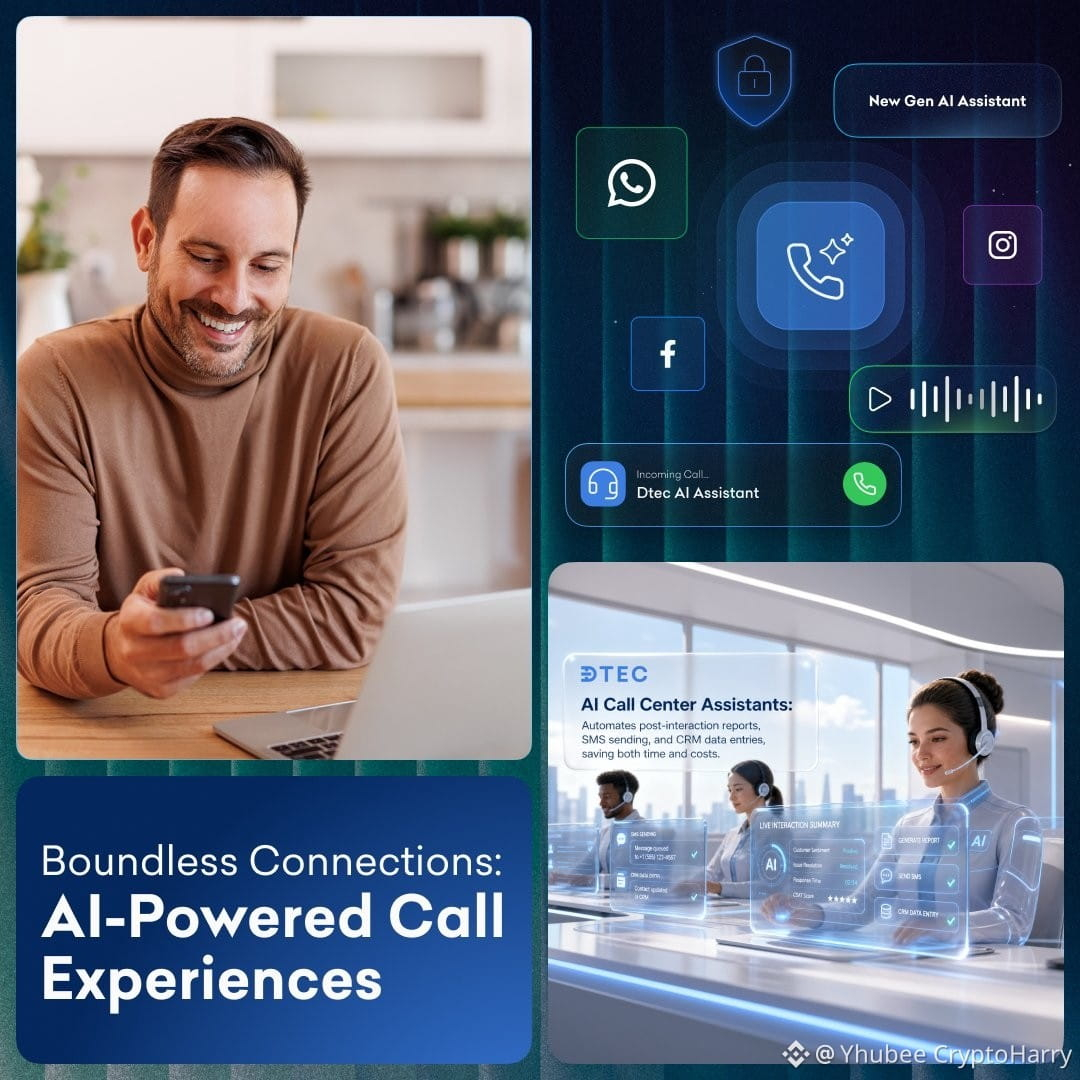
Ein Kundenanruf sollte nicht noch danach eine weitere Stunde manueller Arbeit verursachen.
#Dtec AI Call Center Assistenten sind darauf ausgelegt, einige der sich wiederholenden Aufgaben zu automatisieren, die auf Kundeninteraktionen folgen – darunter Berichte, das Versenden von SMS und die Dateneingabe ins CRM.
Das bedeutet weniger Zeit für routinemäßige Administration und mehr Raum, damit Teams sich auf Kund:innen konzentrieren können.
Das ist ein weiteres Beispiel dafür, wie Dtec KI in praktische Geschäftsabläufe bringt – statt sie auf einfache Gespräche zu beschränken.
📞⚡🤖
Starten Sie hier: dtec.space
$DTEC #AI #Automation #DePIN
#Dtec AI Call Center Assistenten sind darauf ausgelegt, einige der sich wiederholenden Aufgaben zu automatisieren, die auf Kundeninteraktionen folgen – darunter Berichte, das Versenden von SMS und die Dateneingabe ins CRM.
Das bedeutet weniger Zeit für routinemäßige Administration und mehr Raum, damit Teams sich auf Kund:innen konzentrieren können.
Das ist ein weiteres Beispiel dafür, wie Dtec KI in praktische Geschäftsabläufe bringt – statt sie auf einfache Gespräche zu beschränken.
📞⚡🤖
Starten Sie hier: dtec.space
$DTEC #AI #Automation #DePIN



$NEWT IS BUILDING THE FRAMEWORK FOR TRUSTED AUTOMATION 🔥
Das ist kein typischer DeFi-Hype. Newton Protocol verkauft nicht Tempo — es verkauft Rechenschaftspflicht. Jede automatisierte Aktion läuft innerhalb klarer, von den Nutzern festgelegter Grenzen. Genau das unterscheidet es von 90% dessen, was ich sehe.
Spannend ist vor allem die Timing-Frage. Während Onchain-Finanzierung reift, werden die Projekte, die Transparenz und Kontrolle priorisieren, diejenigen sein, die den nächsten Zyklus überleben. Newton entwickelt gerade für diese Realität.
Achten Sie darauf, wie die Automatisierung aufgebaut wird — oder geht es Ihnen nur um die Geschwindigkeit?
Keine finanzielle Beratung. Verwalten Sie immer Ihr Risiko.
#NEWT #DeFi #Automation #Crypto
🔥
Das ist kein typischer DeFi-Hype. Newton Protocol verkauft nicht Tempo — es verkauft Rechenschaftspflicht. Jede automatisierte Aktion läuft innerhalb klarer, von den Nutzern festgelegter Grenzen. Genau das unterscheidet es von 90% dessen, was ich sehe.
Spannend ist vor allem die Timing-Frage. Während Onchain-Finanzierung reift, werden die Projekte, die Transparenz und Kontrolle priorisieren, diejenigen sein, die den nächsten Zyklus überleben. Newton entwickelt gerade für diese Realität.
Achten Sie darauf, wie die Automatisierung aufgebaut wird — oder geht es Ihnen nur um die Geschwindigkeit?
Keine finanzielle Beratung. Verwalten Sie immer Ihr Risiko.
#NEWT #DeFi #Automation #Crypto
🔥



Die Überschrift ist nicht der wichtige Teil.
Die Automatisierungsebene ist es.
Moderne DeFi hängt zunehmend von Systemen ab, die automatisch basierend auf externen Bedingungen ausgeführt werden.
Liquidationen.
Sicherheitenüberwachung.
Ertragsanpassungen.
Risikomanagement.
Nichts davon funktioniert zuverlässig ohne die Koordination von Orakeln.
WINkLink sitzt direkt in diesem Infrastrukturfluss im TRON-Ökosystem.
Was interessant ist, ist wie sich das Verhalten der Protokolle im Laufe der Zeit ändert.
Je mehr Automatisierung zunimmt, desto wichtiger wird die zuverlässige Datenlieferung.
Nicht nur Geschwindigkeit.
Konsistenz.
Denn automatisierte Systeme verstärken sowohl Effizienz als auch Fehler gleichzeitig.
Deshalb wird die Orakel-Infrastruktur während Marktstressphasen wertvoller.
Stabile Ausführung zieht Kapital an.
Und Kapital tendiert dazu, dort zu bleiben, wo das systemische Risiko geringer ist.
Infrastruktur-Narrativen trenden selten zuerst.
Aber sie überdauern normalerweise Hype-Zyklen.
@WINkLink_Official @Justin Sun孙宇晨 $WIN #Automation #TRONEcoStar
Die Automatisierungsebene ist es.
Moderne DeFi hängt zunehmend von Systemen ab, die automatisch basierend auf externen Bedingungen ausgeführt werden.
Liquidationen.
Sicherheitenüberwachung.
Ertragsanpassungen.
Risikomanagement.
Nichts davon funktioniert zuverlässig ohne die Koordination von Orakeln.
WINkLink sitzt direkt in diesem Infrastrukturfluss im TRON-Ökosystem.
Was interessant ist, ist wie sich das Verhalten der Protokolle im Laufe der Zeit ändert.
Je mehr Automatisierung zunimmt, desto wichtiger wird die zuverlässige Datenlieferung.
Nicht nur Geschwindigkeit.
Konsistenz.
Denn automatisierte Systeme verstärken sowohl Effizienz als auch Fehler gleichzeitig.
Deshalb wird die Orakel-Infrastruktur während Marktstressphasen wertvoller.
Stabile Ausführung zieht Kapital an.
Und Kapital tendiert dazu, dort zu bleiben, wo das systemische Risiko geringer ist.
Infrastruktur-Narrativen trenden selten zuerst.
Aber sie überdauern normalerweise Hype-Zyklen.
@WINkLink_Official @Justin Sun孙宇晨 $WIN #Automation #TRONEcoStar


GM ERSETZT 1.000 MITARBEITER DURCH ROBOTER — $FET TO WELCHEN VORTEIL? 🤖
General Motors hat gerade 1.000 Mitarbeiter gekürzt und stattdessen 50 Roboter eingesetzt, mit Berichten über Gespräche mit NVIDIA zur Fabrikautomatisierung. Das ist ein klares Signal dafür, dass Robotik und KI-gesteuerte Automatisierung in den kommerziellen Turbo-Modus schalten — besonders in personalintensiven Branchen wie der Automobilfertigung.
Der Wechsel zu 24/7-Betrieb und niedrigeren Arbeitskosten ist kein Zukunftsszenario; er passiert gerade jetzt. Für Krypto-Projekte, die mit KI, Robotik und dezentralem Rechnen verbunden sind, könnte das der Katalysator sein, der die reale Einführung beschleunigt.
Beobachtest du $FET und ähnliche Setups für diesen Trend?
Keine Finanzberatung. Behalte immer dein Risiko im Blick.
#FET #Robotics #Automation #AI
🤖
General Motors hat gerade 1.000 Mitarbeiter gekürzt und stattdessen 50 Roboter eingesetzt, mit Berichten über Gespräche mit NVIDIA zur Fabrikautomatisierung. Das ist ein klares Signal dafür, dass Robotik und KI-gesteuerte Automatisierung in den kommerziellen Turbo-Modus schalten — besonders in personalintensiven Branchen wie der Automobilfertigung.
Der Wechsel zu 24/7-Betrieb und niedrigeren Arbeitskosten ist kein Zukunftsszenario; er passiert gerade jetzt. Für Krypto-Projekte, die mit KI, Robotik und dezentralem Rechnen verbunden sind, könnte das der Katalysator sein, der die reale Einführung beschleunigt.
Beobachtest du $FET und ähnliche Setups für diesen Trend?
Keine Finanzberatung. Behalte immer dein Risiko im Blick.
#FET #Robotics #Automation #AI
🤖

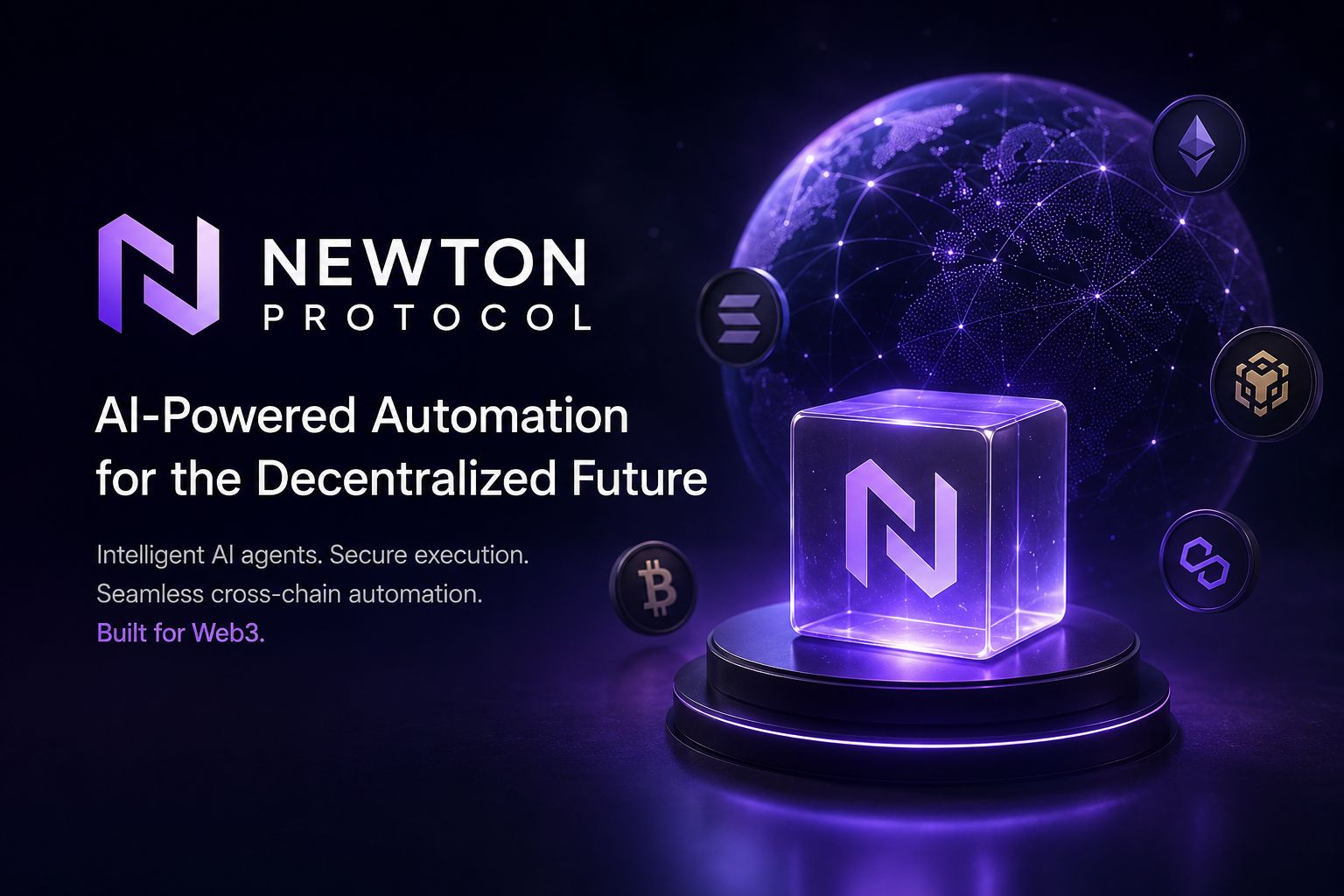
Die nächste Welle von #Web3 #Automation verlagert sich von einfachen Transaktionsauslösern hin zu intelligenten, #AI -getriebenen Ausführungsschichten. @newton_xyz positioniert sich in diesem Übergang, indem es KI-Agenten mit blockchainbasierter Sicherheitsinfrastruktur kombiniert, um komplexe On-Chain-Workflows zu automatisieren.
Der $NEWT protocol ermöglicht intelligenten Agenten die Übernahme von Aufgaben wie Portfoliomanagement, #defi Strategieausführung, Zahlungen und Cross-Chain-Operationen – und bewahrt dabei die Kontrolle der Nutzer durch kryptografische Verifikation und sichere Ausführungsumgebungen.
@NewtonProtocol differenziert sich durch KI-gestützte Entscheidungsfindung + sichere Ausführungsschicht und nutzt Trusted Execution Environments (TEE) sowie datenschutzfreundliche kryptografische Methoden. Seine zentrale Positionierung ist Cross-Chain-Automation bei reduzierter Nutzerkomplexität und gleichzeitig erhaltener Kontrolle über die Assets.
Die Kernthese ist einfach: Nutzer delegieren komplexe Blockchain-Operationen an KI-Agenten, ohne das Eigentum oder Sicherheitsgarantien aufzugeben. Wenn Akzeptanz und Ausführung den Designzielen entsprechen, könnte Newton die Einstiegshürde für DeFi- und Web3-Automatisierung deutlich senken.
$NEWT #BOME🔥🔥🔥
Der $NEWT protocol ermöglicht intelligenten Agenten die Übernahme von Aufgaben wie Portfoliomanagement, #defi Strategieausführung, Zahlungen und Cross-Chain-Operationen – und bewahrt dabei die Kontrolle der Nutzer durch kryptografische Verifikation und sichere Ausführungsumgebungen.
@NewtonProtocol differenziert sich durch KI-gestützte Entscheidungsfindung + sichere Ausführungsschicht und nutzt Trusted Execution Environments (TEE) sowie datenschutzfreundliche kryptografische Methoden. Seine zentrale Positionierung ist Cross-Chain-Automation bei reduzierter Nutzerkomplexität und gleichzeitig erhaltener Kontrolle über die Assets.
Die Kernthese ist einfach: Nutzer delegieren komplexe Blockchain-Operationen an KI-Agenten, ohne das Eigentum oder Sicherheitsgarantien aufzugeben. Wenn Akzeptanz und Ausführung den Designzielen entsprechen, könnte Newton die Einstiegshürde für DeFi- und Web3-Automatisierung deutlich senken.
$NEWT #BOME🔥🔥🔥
WARUM $NEWT IS DAS PROBLEM LÖST, DEM JEDES KRYPTO-AUTOMATIONSSYSTEM GEGENÜBERSTEHT 🧠
Je länger ich automatisierte Workflows baue, desto klarer wird ein Muster: Die Ausführung skaliert mühelos — aber die Berechtigungen nicht. Jeder neue Bot oder Agent übernimmt Annahmen, die still und leise veralten, während sich die Liquidität verschiebt, Brücken überlastet sind oder sich die Gasbedingungen ändern. Die meisten Fehler, die ich gesehen habe, waren keine Ausführungsfehler — es waren Autoritätsfehler, die niemand aktualisiert hat.
Newton Protocol trennt Autorisierung von Ausführung, sodass sich Vertrauensrichtlinien unabhängig voneinander weiterentwickeln können. Das ist nicht einfach noch eine DeFi-Komponente. Es ist die Infrastruktur-Schicht, die Dutzenden autonomer Agenten ermöglicht, dieselbe sich weiterentwickelnde Logik für Berechtigungen zu teilen. Wenn sich die Umgebung ändert, musst du nicht jeden Workflow neu schreiben — du aktualisierst die Schicht, die entscheidet, was weiterhin Vertrauen verdient.
Wie viele deiner automatisierten Strategien laufen auf veralteten Berechtigungen?
Keine Finanzberatung. Manage immer dein Risiko.
#NEWT #Infrastructure #Automation #Crypto
⚡
Je länger ich automatisierte Workflows baue, desto klarer wird ein Muster: Die Ausführung skaliert mühelos — aber die Berechtigungen nicht. Jeder neue Bot oder Agent übernimmt Annahmen, die still und leise veralten, während sich die Liquidität verschiebt, Brücken überlastet sind oder sich die Gasbedingungen ändern. Die meisten Fehler, die ich gesehen habe, waren keine Ausführungsfehler — es waren Autoritätsfehler, die niemand aktualisiert hat.
Newton Protocol trennt Autorisierung von Ausführung, sodass sich Vertrauensrichtlinien unabhängig voneinander weiterentwickeln können. Das ist nicht einfach noch eine DeFi-Komponente. Es ist die Infrastruktur-Schicht, die Dutzenden autonomer Agenten ermöglicht, dieselbe sich weiterentwickelnde Logik für Berechtigungen zu teilen. Wenn sich die Umgebung ändert, musst du nicht jeden Workflow neu schreiben — du aktualisierst die Schicht, die entscheidet, was weiterhin Vertrauen verdient.
Wie viele deiner automatisierten Strategien laufen auf veralteten Berechtigungen?
Keine Finanzberatung. Manage immer dein Risiko.
#NEWT #Infrastructure #Automation #Crypto
⚡

On-Chain-Automatisierung
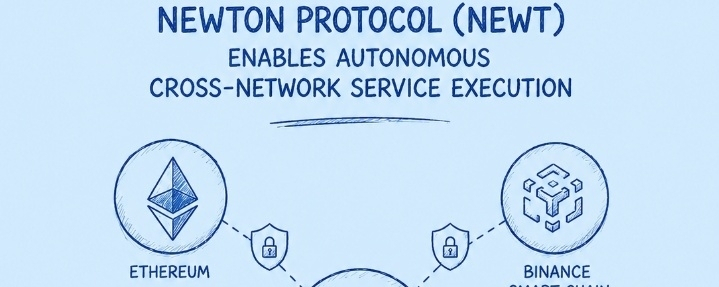
Die Möglichkeit, Blockchain-Aufgaben zu automatisieren, ist ein bemerkenswerter Trend in Web3. Newton Protocol zielt darauf ab, KI dabei zu helfen, Aktionen gemäß zuvor festgelegter Richtlinien auszuführen, statt dass Nutzer bei jedem Schritt eine Bestätigung anfordern. Newton Mainnet Beta ist die Phase, in der die Community die Betriebsfähigkeit dieses Modells beurteilt und sein Potenzial erkundet: $NEWT
#Automation #Newt #Blockchain
@NewtonProtocol #NewtonMainnetBeta
Die Möglichkeit, Blockchain-Aufgaben zu automatisieren, ist ein bemerkenswerter Trend in Web3. Newton Protocol zielt darauf ab, KI dabei zu helfen, Aktionen gemäß zuvor festgelegter Richtlinien auszuführen, statt dass Nutzer bei jedem Schritt eine Bestätigung anfordern. Newton Mainnet Beta ist die Phase, in der die Community die Betriebsfähigkeit dieses Modells beurteilt und sein Potenzial erkundet: $NEWT
#Automation #Newt #Blockchain
@NewtonProtocol #NewtonMainnetBeta


@NewtonProtocol
Die schnellste Technologie ist nicht immer die, der die Menschen vertrauen.
Wenn KI beginnt, echte finanzielle Entscheidungen zu übernehmen, wird Geschwindigkeit allein nicht ausreichen.
Ohne klare Berechtigungen und durchsetzbare Regeln schafft Automatisierung eher Risiko als Vertrauen.
Darum könnte die freigegebene (permissioned) Ausführung zu einem der wichtigsten Fundamente für autonome Finanzen werden.
Was wird für KI-gestützte Finanzen am wichtigsten sein?
#newtonprotocol #Newt #ai #web3 #automation
$NEWT
$EVAA
$DODOX
Die schnellste Technologie ist nicht immer die, der die Menschen vertrauen.
Wenn KI beginnt, echte finanzielle Entscheidungen zu übernehmen, wird Geschwindigkeit allein nicht ausreichen.
Ohne klare Berechtigungen und durchsetzbare Regeln schafft Automatisierung eher Risiko als Vertrauen.
Darum könnte die freigegebene (permissioned) Ausführung zu einem der wichtigsten Fundamente für autonome Finanzen werden.
Was wird für KI-gestützte Finanzen am wichtigsten sein?
#newtonprotocol #Newt #ai #web3 #automation
$NEWT
$EVAA
$DODOX
🔐 Permissioned execution
29%
🧠 Smarter AI models
29%
⚡ Faster transactions
14%
💸 Lower fees
28%
7 Stimmen • Abstimmung beendet
$NEWT IS STELLT DIE RICHTIGE FRAGE ZU ON-CHAIN-AUTOMATISIERUNG 🤔
Die Mainnet-Beta ist gerade live gegangen – dort trennen sich echte Nutzer, echtes Volumen und echte Sonderfälle die Spreu vom Weizen. Viele Projekte sehen auf Testnets gut aus, brechen aber bei unvorhersehbarem Traffic zusammen. Newtons Fokus auf verifizierbare Automatisierung ist eine Wette, die ich respektiere.
Beobachtest du den Mainnet-Rollout oder wartest du erst auf Kursbewegungen?
Keine Finanzberatung. Manage immer dein Risiko.
#NEWT #Mainnet #Automation #CryptoInfrastructure
⚡
Die Mainnet-Beta ist gerade live gegangen – dort trennen sich echte Nutzer, echtes Volumen und echte Sonderfälle die Spreu vom Weizen. Viele Projekte sehen auf Testnets gut aus, brechen aber bei unvorhersehbarem Traffic zusammen. Newtons Fokus auf verifizierbare Automatisierung ist eine Wette, die ich respektiere.
Beobachtest du den Mainnet-Rollout oder wartest du erst auf Kursbewegungen?
Keine Finanzberatung. Manage immer dein Risiko.
#NEWT #Mainnet #Automation #CryptoInfrastructure
⚡
Die industrielle Revolution drehte sich nicht einfach nur um Maschinen.
Es ging darum, dass Maschinen auf sich ändernde Bedingungen reagieren konnten, ohne ständige menschliche Intervention.
Automatisierung verwandelte die Produktivität, weil Systeme in der Lage waren, auf Informationen zu reagieren.
Die Blockchain durchläuft einen ähnlichen Wandel.
Frühe Smart Contracts waren weitgehend statisch.
Sie führten vordefinierte Anweisungen aus und nicht viel mehr.
Ihr Verhalten hing vollständig von den bereits on-chain verfügbaren Informationen ab.
Aber die nächste Generation von Anwendungen wird zunehmend dynamisch.
Kreditprotokolle reagieren auf Marktbewegungen.
Liquidationssysteme reagieren auf Änderungen der Sicherheiten.
Belohnungsmechanismen passen sich basierend auf externen Bedingungen an.
Prädiktionsmärkte schließen gemäß den Ergebnissen der realen Welt ab.
Nichts davon geschieht ohne Zugang zu Informationen.
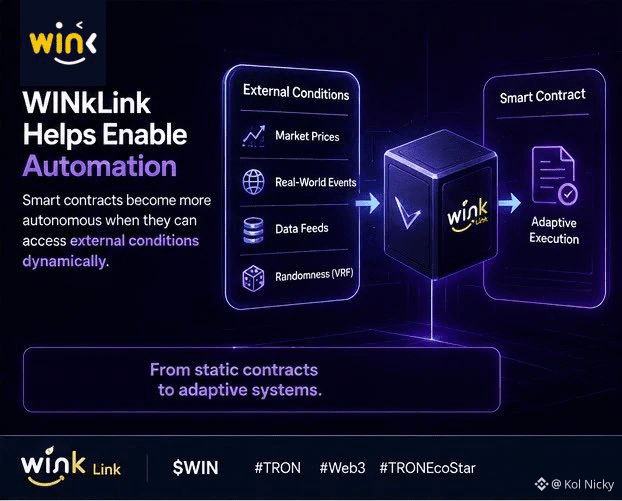
WINkLink spielt eine wichtige Rolle in dieser Evolution, indem es die externen Daten liefert, die für automatisierte Entscheidungsfindungen erforderlich sind.
Preisdaten ermöglichen es finanziellen Systemen, auf die Märkte zu reagieren.
VRF-Dienste unterstützen automatisierte Zufälligkeit.
Oracle-Integrationen verbinden Smart Contracts mit Ereignissen, die außerhalb der Blockchain stattfinden.
Das Ergebnis ist ein Wechsel von statischer Ausführung zu adaptiver Ausführung.
Das ist ein bedeutender Unterschied.
Die Zukunft der Blockchain dreht sich nicht einfach nur um die Automatisierung von Transaktionen.
Es geht darum, Entscheidungen zu automatisieren.
Und automatisierte Entscheidungen hängen von zuverlässigen Informationen ab.
In vielerlei Hinsicht werden Oracle-Netzwerke zu den Sensorsystemen, die es Smart Contracts ermöglichen, mit der Welt um sie herum zu interagieren.
Offizielle Website:
winklink.org/#/home?lang=en…
Offizielle Dokumentation:
doc.winklink.org/v2/doc/#what-i…
@WINkLink_Official @Justin Sun孙宇晨 #Tron #Automation #TRONEcoStar
Es ging darum, dass Maschinen auf sich ändernde Bedingungen reagieren konnten, ohne ständige menschliche Intervention.
Automatisierung verwandelte die Produktivität, weil Systeme in der Lage waren, auf Informationen zu reagieren.
Die Blockchain durchläuft einen ähnlichen Wandel.
Frühe Smart Contracts waren weitgehend statisch.
Sie führten vordefinierte Anweisungen aus und nicht viel mehr.
Ihr Verhalten hing vollständig von den bereits on-chain verfügbaren Informationen ab.
Aber die nächste Generation von Anwendungen wird zunehmend dynamisch.
Kreditprotokolle reagieren auf Marktbewegungen.
Liquidationssysteme reagieren auf Änderungen der Sicherheiten.
Belohnungsmechanismen passen sich basierend auf externen Bedingungen an.
Prädiktionsmärkte schließen gemäß den Ergebnissen der realen Welt ab.
Nichts davon geschieht ohne Zugang zu Informationen.
WINkLink spielt eine wichtige Rolle in dieser Evolution, indem es die externen Daten liefert, die für automatisierte Entscheidungsfindungen erforderlich sind.
Preisdaten ermöglichen es finanziellen Systemen, auf die Märkte zu reagieren.
VRF-Dienste unterstützen automatisierte Zufälligkeit.
Oracle-Integrationen verbinden Smart Contracts mit Ereignissen, die außerhalb der Blockchain stattfinden.
Das Ergebnis ist ein Wechsel von statischer Ausführung zu adaptiver Ausführung.
Das ist ein bedeutender Unterschied.
Die Zukunft der Blockchain dreht sich nicht einfach nur um die Automatisierung von Transaktionen.
Es geht darum, Entscheidungen zu automatisieren.
Und automatisierte Entscheidungen hängen von zuverlässigen Informationen ab.
In vielerlei Hinsicht werden Oracle-Netzwerke zu den Sensorsystemen, die es Smart Contracts ermöglichen, mit der Welt um sie herum zu interagieren.
Offizielle Website:
winklink.org/#/home?lang=en…
Offizielle Dokumentation:
doc.winklink.org/v2/doc/#what-i…
@WINkLink_Official @Justin Sun孙宇晨 #Tron #Automation #TRONEcoStar


1、Hintergrund
Der Fokus des heutigen Marktes für AI-Toolchains verschiebt sich von „generierte Inhalte erstellen“ hin zu „Aufgaben direkt erledigen“. Codex Record & Replay, das von OpenAI vorgestellt wurde, ist nicht in erster Linie dafür gedacht, noch einen Code-Completion-Generator nachzureichen, sondern das Modell zunächst beobachten zu lassen, wie Nutzer klicken, Eingaben machen und Seiten wechseln. Anschließend werden diese Schritte in wiederverwendbare Abläufe abstrahiert. Mit anderen Worten: KI entwickelt sich von „Fragen beantworten“ zu „Operationen nachahmen und Workflows ausführen“ 🤖. Solche Fähigkeiten eignen sich besonders für hochfrequente, repetitive Szenarien wie Entwicklung, Betrieb/Administration, Tests, Konfigurationsänderungen und Backend-Management – und sie entsprechen damit den realen Bedürfnissen von Unternehmen nach Kostensenkung, Effizienzsteigerung und einer konkreten Automatisierung.
2、Funktionsanalyse
Aus der Produktlogik betrachtet liegen die zentralen Werte von Record & Replay in zwei Ebenen. Erstens „beobachtendes Lernen“: Der Nutzer muss zunächst keinen Skriptcode schreiben. Es reicht, einen Ablauf einmal vorzuführen, damit das System allgemeine Schritte ableiten kann. Zweitens „anpassbare Automatisierung“: Es handelt sich nicht um ein mechanisches Wiederabspielen, sondern darum, dass das Modell versteht, was die Aufgabe erreichen soll, und sich bei Änderungen im Interface oder bei Parameteränderungen entsprechend anpasst. Das bedeutet, dass es flexibler ist als traditionelles RPA und zugleich näher an echten Geschäftsprozessen liegt als reine Code-Generierung.
Für Nicht-Programmierer senken solche Tools die Hürde der Automatisierung. Viele wissen, dass bestimmte Aufgaben sich wiederholen, ineffizient sind und zu viel Aufwand verursachen. Doch statt Python, Shell oder Automatisierungsskripte zu schreiben, enden sie letztlich bei der manuellen Erledigung. Wenn KI „einmal vorführen“ in „ab dann automatisch erledigen“ verwandeln kann, haben Unternehmen eine Chance, große Mengen an sogenannten Long-Tail-Prozessen intern zu aktivieren. Für Entwickler kann es außerdem zu einem neuen Produktivitäts-Plugin werden – beispielsweise für das Konfigurieren von Umgebungen, das Debuggen von Toolchains und das schnelle Durchführen wiederholter Testpfade.
3、Mögliche Auswirkungen
Kurzfristig wird diese Richtung dazu beitragen, dass KI-Agenten von Dialog-Assistenten zu Ausführungs-Assistenten werden. Der Wettbewerbsschwerpunkt verlagert sich auf Stabilität, Rollen- und Rechtekontrolle, Fehlererholung und die Zusammenarbeit über Anwendungen hinweg. Wer in einer realen Desktop-, Browser- oder Entwicklungsumgebung Aufgaben zuverlässiger erledigt, rückt näher an den Einstiegspunkt für Unternehmensanwendungen heran. Mittelfristig könnte Record & Replay, falls es mit DevOps, Office-Zusammenarbeit, Kundensupport-Backoffice und ähnlichen Systemen integriert wird, ein neues Paradigma „Vorführung = Automatisierung“ schaffen und die Zeit für repetitive Arbeiten weiter verkürzen.
Doch auch die Risiken verdienen Aufmerksamkeit. Wenn KI Nutzeraktionen beobachtet und ausführt, geht es um Fragen zu Kontoberechtigungen, personenbezogenen Daten, Verantwortungsgrenzen bei Fehlbedienungen usw. Falls die Ablauf-Erkennung nicht richtig ist, kann das zu Konfigurationsfehlern, Datenüberschreibungen oder sogar Sicherheitsrisiken führen. Daher liegt der entscheidende Punkt für eine großflächige Einführung solcher Produkte nicht nur in der Modellfähigkeit, sondern auch in Prüfmechanismen, manueller Bestätigung, abgestufter Rechtevergabe und einer Rollback-Strategie.
4、Fazit
Zusammenfassend lässt sich sagen: Codex Record & Replay steht für einen aktuellen Trend bei KI-Anwendungen – weg von „kann sprechen, kann schreiben“ hin zu „kann tun“. Seine Bedeutung besteht nicht nur darin, die Codier-Effizienz zu erhöhen, sondern vor allem darin, die Art und Weise der Interaktion zwischen Mensch und Software neu zu gestalten. Wenn sich die Stabilität und Sicherheit in Zukunft weiter verbessern, könnten solche Tools zu einer wichtigen Basiseinrichtung für die Digitalisierung von Unternehmen werden – und die KI-Produktivitäts-Story in eine pragmatischere neue Phase führen 📌
#AI #OpenAI #Automation
Der Fokus des heutigen Marktes für AI-Toolchains verschiebt sich von „generierte Inhalte erstellen“ hin zu „Aufgaben direkt erledigen“. Codex Record & Replay, das von OpenAI vorgestellt wurde, ist nicht in erster Linie dafür gedacht, noch einen Code-Completion-Generator nachzureichen, sondern das Modell zunächst beobachten zu lassen, wie Nutzer klicken, Eingaben machen und Seiten wechseln. Anschließend werden diese Schritte in wiederverwendbare Abläufe abstrahiert. Mit anderen Worten: KI entwickelt sich von „Fragen beantworten“ zu „Operationen nachahmen und Workflows ausführen“ 🤖. Solche Fähigkeiten eignen sich besonders für hochfrequente, repetitive Szenarien wie Entwicklung, Betrieb/Administration, Tests, Konfigurationsänderungen und Backend-Management – und sie entsprechen damit den realen Bedürfnissen von Unternehmen nach Kostensenkung, Effizienzsteigerung und einer konkreten Automatisierung.
2、Funktionsanalyse
Aus der Produktlogik betrachtet liegen die zentralen Werte von Record & Replay in zwei Ebenen. Erstens „beobachtendes Lernen“: Der Nutzer muss zunächst keinen Skriptcode schreiben. Es reicht, einen Ablauf einmal vorzuführen, damit das System allgemeine Schritte ableiten kann. Zweitens „anpassbare Automatisierung“: Es handelt sich nicht um ein mechanisches Wiederabspielen, sondern darum, dass das Modell versteht, was die Aufgabe erreichen soll, und sich bei Änderungen im Interface oder bei Parameteränderungen entsprechend anpasst. Das bedeutet, dass es flexibler ist als traditionelles RPA und zugleich näher an echten Geschäftsprozessen liegt als reine Code-Generierung.
Für Nicht-Programmierer senken solche Tools die Hürde der Automatisierung. Viele wissen, dass bestimmte Aufgaben sich wiederholen, ineffizient sind und zu viel Aufwand verursachen. Doch statt Python, Shell oder Automatisierungsskripte zu schreiben, enden sie letztlich bei der manuellen Erledigung. Wenn KI „einmal vorführen“ in „ab dann automatisch erledigen“ verwandeln kann, haben Unternehmen eine Chance, große Mengen an sogenannten Long-Tail-Prozessen intern zu aktivieren. Für Entwickler kann es außerdem zu einem neuen Produktivitäts-Plugin werden – beispielsweise für das Konfigurieren von Umgebungen, das Debuggen von Toolchains und das schnelle Durchführen wiederholter Testpfade.
3、Mögliche Auswirkungen
Kurzfristig wird diese Richtung dazu beitragen, dass KI-Agenten von Dialog-Assistenten zu Ausführungs-Assistenten werden. Der Wettbewerbsschwerpunkt verlagert sich auf Stabilität, Rollen- und Rechtekontrolle, Fehlererholung und die Zusammenarbeit über Anwendungen hinweg. Wer in einer realen Desktop-, Browser- oder Entwicklungsumgebung Aufgaben zuverlässiger erledigt, rückt näher an den Einstiegspunkt für Unternehmensanwendungen heran. Mittelfristig könnte Record & Replay, falls es mit DevOps, Office-Zusammenarbeit, Kundensupport-Backoffice und ähnlichen Systemen integriert wird, ein neues Paradigma „Vorführung = Automatisierung“ schaffen und die Zeit für repetitive Arbeiten weiter verkürzen.
Doch auch die Risiken verdienen Aufmerksamkeit. Wenn KI Nutzeraktionen beobachtet und ausführt, geht es um Fragen zu Kontoberechtigungen, personenbezogenen Daten, Verantwortungsgrenzen bei Fehlbedienungen usw. Falls die Ablauf-Erkennung nicht richtig ist, kann das zu Konfigurationsfehlern, Datenüberschreibungen oder sogar Sicherheitsrisiken führen. Daher liegt der entscheidende Punkt für eine großflächige Einführung solcher Produkte nicht nur in der Modellfähigkeit, sondern auch in Prüfmechanismen, manueller Bestätigung, abgestufter Rechtevergabe und einer Rollback-Strategie.
4、Fazit
Zusammenfassend lässt sich sagen: Codex Record & Replay steht für einen aktuellen Trend bei KI-Anwendungen – weg von „kann sprechen, kann schreiben“ hin zu „kann tun“. Seine Bedeutung besteht nicht nur darin, die Codier-Effizienz zu erhöhen, sondern vor allem darin, die Art und Weise der Interaktion zwischen Mensch und Software neu zu gestalten. Wenn sich die Stabilität und Sicherheit in Zukunft weiter verbessern, könnten solche Tools zu einer wichtigen Basiseinrichtung für die Digitalisierung von Unternehmen werden – und die KI-Produktivitäts-Story in eine pragmatischere neue Phase führen 📌
#AI #OpenAI #Automation

Möchtest du schneller auf Binance Square wachsen?
Ich habe gerade einen Binance Square Auto Posting Bot 🤖 gebaut, der:
✅ Automatisch 24/7 posten kann
✅ Krypto-Updates & Trends teilen kann
✅ Deine Zeit sparen kann ⏳
✅ Dir hilft, konstant zu bleiben (SEHR WICHTIG für Wachstum)
💡 Die meisten Creator scheitern, weil sie nicht regelmäßig posten…
Konstanz = Wachstum 📈
⚙️ Mit diesem Bot kannst du:
Posts planen ⏰
Inhalte automatisch veröffentlichen
Schneller Publikum aufbauen
Dich auf das Trading konzentrieren, während der Bot das Posten übernimmt
🚀 Perfekt für:
Krypto-Creator
Signalgeber
Binance Square Anfänger
Jeden, der passives Wachstum möchte
💬 Ich biete das jetzt als Dienstleistung an
(Individueller Bot + vollständiges Setup + Support)
👉 Wenn du interessiert bist, kommentiere „BOT“
#BinanceSquare #crypto #Automation #PassivesEinkommen #trading #BTC #Altcoins #Web3 #CryptoTools #Binance
$GUA $XLM $JCT
Ich habe gerade einen Binance Square Auto Posting Bot 🤖 gebaut, der:
✅ Automatisch 24/7 posten kann
✅ Krypto-Updates & Trends teilen kann
✅ Deine Zeit sparen kann ⏳
✅ Dir hilft, konstant zu bleiben (SEHR WICHTIG für Wachstum)
💡 Die meisten Creator scheitern, weil sie nicht regelmäßig posten…
Konstanz = Wachstum 📈
⚙️ Mit diesem Bot kannst du:
Posts planen ⏰
Inhalte automatisch veröffentlichen
Schneller Publikum aufbauen
Dich auf das Trading konzentrieren, während der Bot das Posten übernimmt
🚀 Perfekt für:
Krypto-Creator
Signalgeber
Binance Square Anfänger
Jeden, der passives Wachstum möchte
💬 Ich biete das jetzt als Dienstleistung an
(Individueller Bot + vollständiges Setup + Support)
👉 Wenn du interessiert bist, kommentiere „BOT“
#BinanceSquare #crypto #Automation #PassivesEinkommen #trading #BTC #Altcoins #Web3 #CryptoTools #Binance
$GUA $XLM $JCT

$AI IS GRENZEN DER AUTOMATISIERUNG IN DER UNTERNEHMENSWELT AUFZEIGEND ⚡
Einlass: Nicht angegeben
Die Daten sind eindeutig: 39 % der Unternehmensleiter haben Personal wegen KI gekürzt, doch 55 % geben mittlerweile zu, dass diese Entscheidungen fehlerhaft waren. Ford stellt Hunderte Ingenieure wieder ein, nachdem automatisierte Systeme Qualitätsprobleme nicht richtig bewältigen konnten. Die Commonwealth Bank hat Entlassungen rückgängig gemacht, als ihr KI-Voicebot mit dem Anrufvolumen nicht mithalten konnte.
Die entscheidende Kennzahl ist hier die 6%-Ausnahmequote bei IBM — Routinetätigkeiten werden zwar automatisiert, aber Sonderfälle wie ethische Dilemmata erfordern menschliches Urteilsvermögen. Unternehmen erkennen, dass Maschinen-Effizienz ohne menschliche Aufsicht strukturelle Ineffizienzen schafft.
Wie siehst du, wie sich das im Kryptosektor entwickelt, wenn Unternehmen den Kundenservice und die Compliance automatisieren?
Keine Finanzberatung. Immer dein Risiko managen.
#AI #Automation #LaborMarket #TechTrends
⚡
Einlass: Nicht angegeben
Die Daten sind eindeutig: 39 % der Unternehmensleiter haben Personal wegen KI gekürzt, doch 55 % geben mittlerweile zu, dass diese Entscheidungen fehlerhaft waren. Ford stellt Hunderte Ingenieure wieder ein, nachdem automatisierte Systeme Qualitätsprobleme nicht richtig bewältigen konnten. Die Commonwealth Bank hat Entlassungen rückgängig gemacht, als ihr KI-Voicebot mit dem Anrufvolumen nicht mithalten konnte.
Die entscheidende Kennzahl ist hier die 6%-Ausnahmequote bei IBM — Routinetätigkeiten werden zwar automatisiert, aber Sonderfälle wie ethische Dilemmata erfordern menschliches Urteilsvermögen. Unternehmen erkennen, dass Maschinen-Effizienz ohne menschliche Aufsicht strukturelle Ineffizienzen schafft.
Wie siehst du, wie sich das im Kryptosektor entwickelt, wenn Unternehmen den Kundenservice und die Compliance automatisieren?
Keine Finanzberatung. Immer dein Risiko managen.
#AI #Automation #LaborMarket #TechTrends
⚡
Anmelden und weiter Inhalte entdecken