
When I first realized I was being asked to prove everything, I felt incredibly insecure, it felt like exposure. Upload this document, verify that record, share more data than necessary just to access something simple, I had to share so much data. That's when I started thinking about the fragility of digital trust. It was then that the idea for SIGN began to take root in my mind.
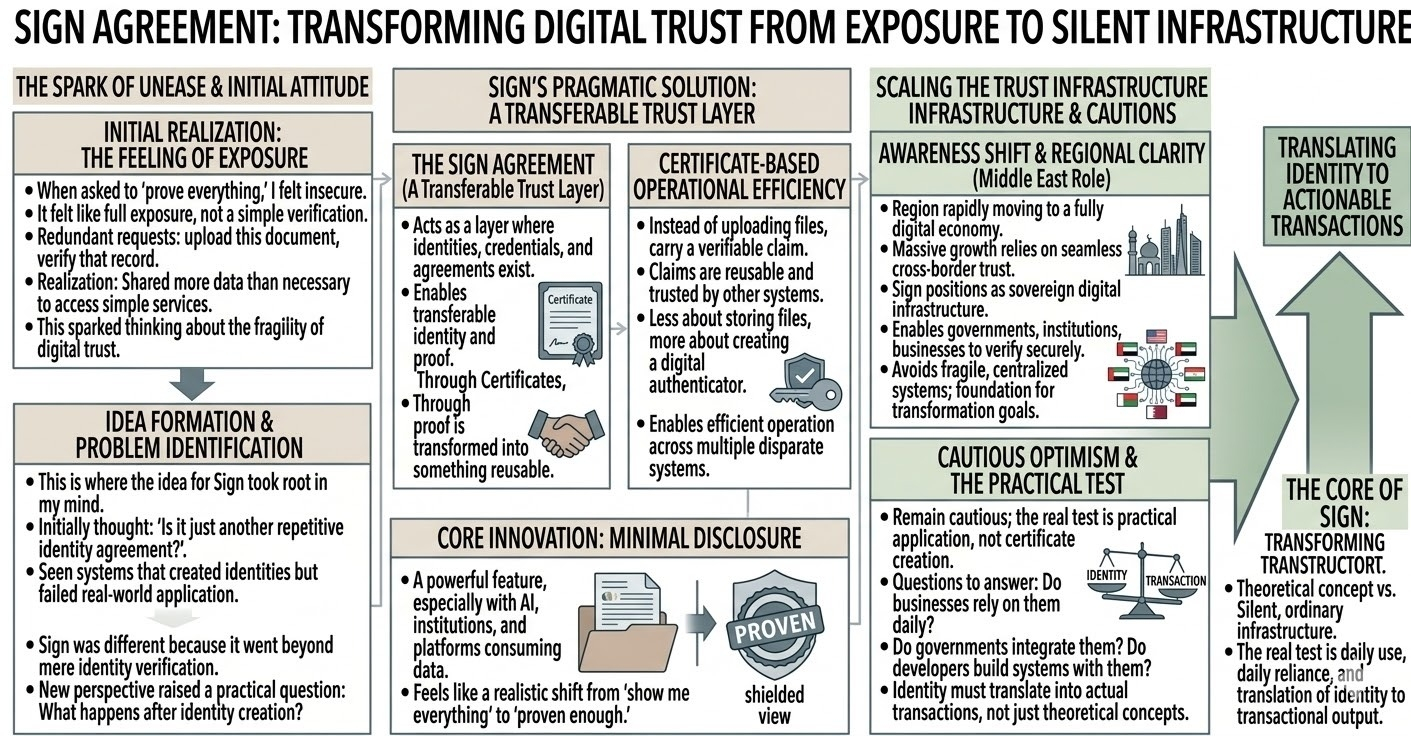
Initially, I thought it was just another identity agreement. I'd seen many similar systems, they created digital identities but couldn't make them work in the real world. But Sign was different because it went beyond mere identity verification. It raised a more practical question: what happens after an identity is created?
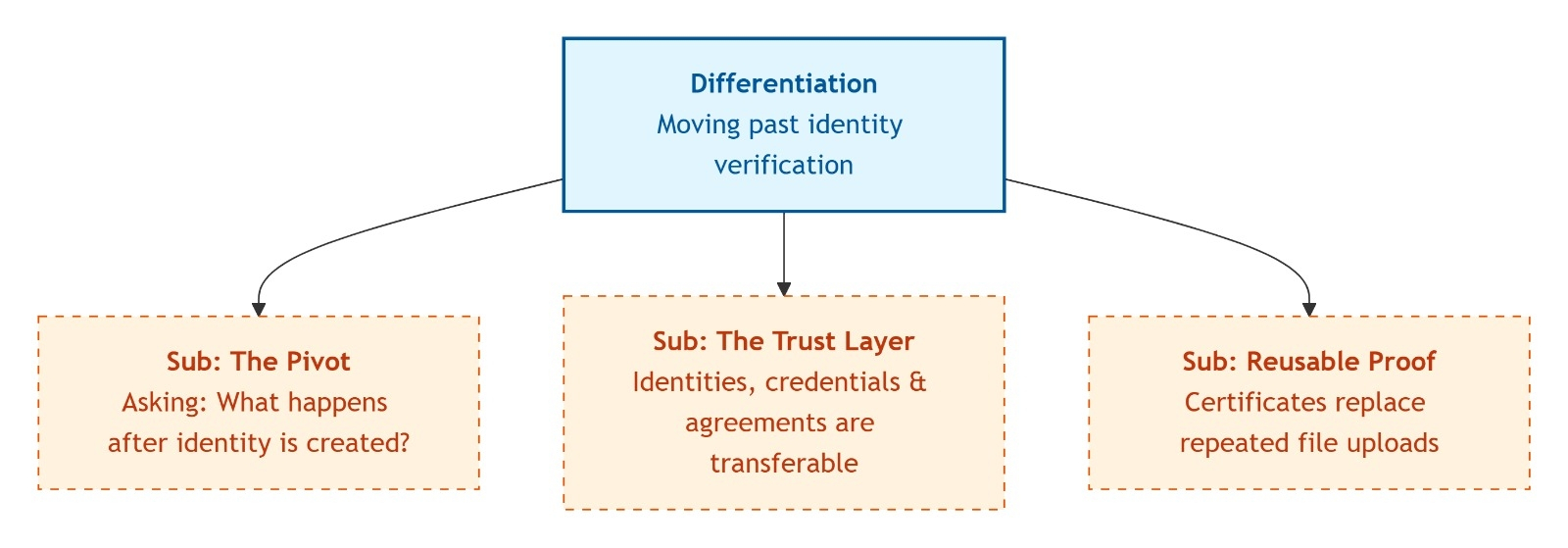
This shift changed my perspective.
The Sign agreement acts as a trust layer, where identities, credentials, and agreements not only exist but can be transferred. Through so-called certificates, proof is transformed into something reusable. Instead of uploading the same file over and over again, you carry a verified claim that other systems can trust. It's less about storing files and more about creating a digital authenticator that can operate efficiently across systems.
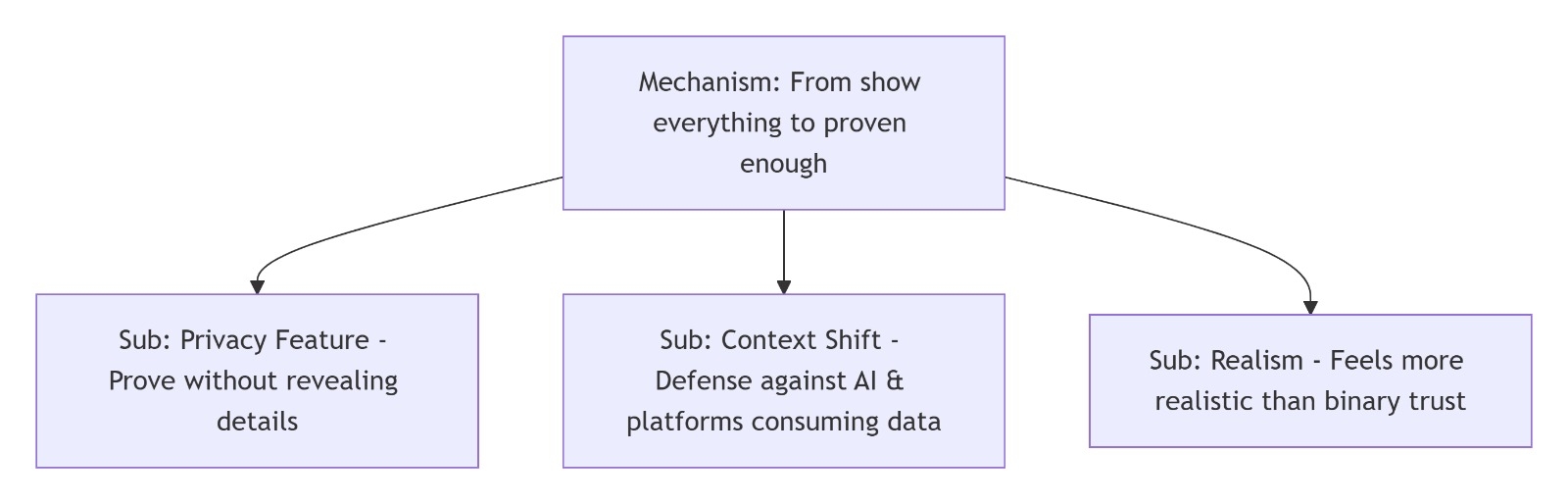
What impressed me most was the concept of minimal disclosure.
You can prove something without revealing all the details. This is a powerful feature, especially today with AI systems, institutions, and platforms constantly consuming data. It feels like a shift from show me everything to proven enough. Honestly, it feels more realistic.
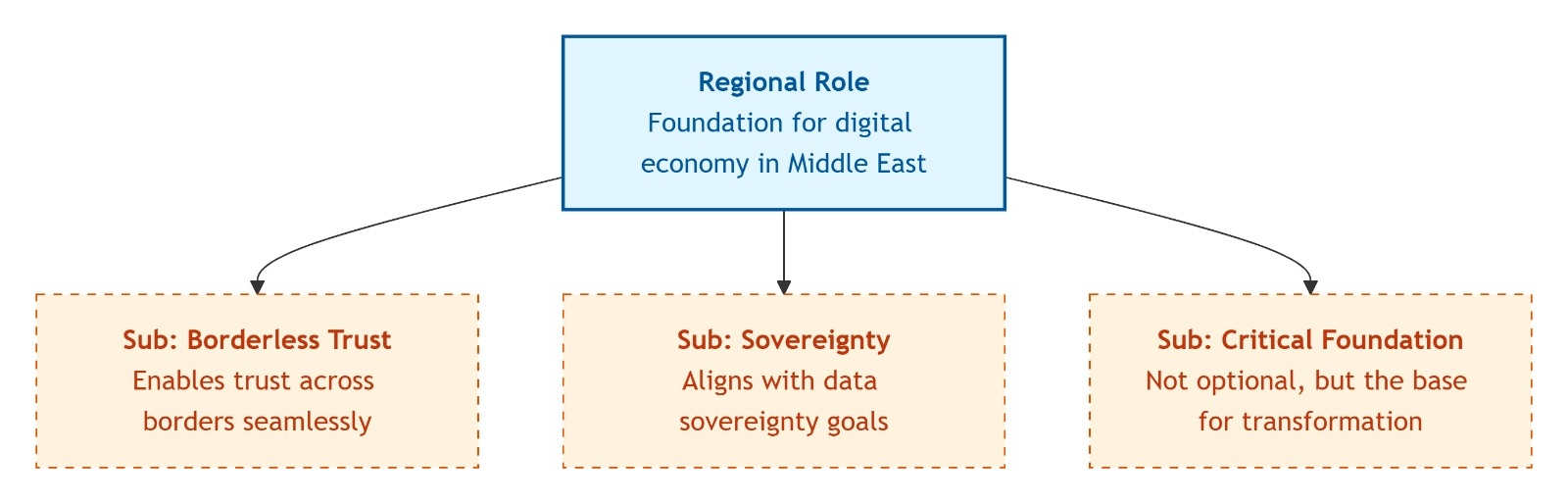
When I started thinking about its role in the Middle East, things became much clearer. The region is rapidly moving towards a fully digital economy, but such massive growth relies on trust that can seamlessly cross borders. Sign appears to be positioning itself as a sovereign digital infrastructure, enabling governments, institutions, and businesses to securely verify identities, data, and financial transactions without relying on fragile centralized systems. In an environment driven by data sovereignty goals and massive transformation initiatives, this infrastructure is not optional, but the foundation of everything else.
However, I remain cautious.
Because the real test isn't creating verification certificates, but their practical application.
Do businesses rely on them?
Do governments integrate them?
Do developers build systems that rely on them daily?
If identity cannot be translated into actual transactions, it will forever remain a theoretical concept.
This is my main focus.
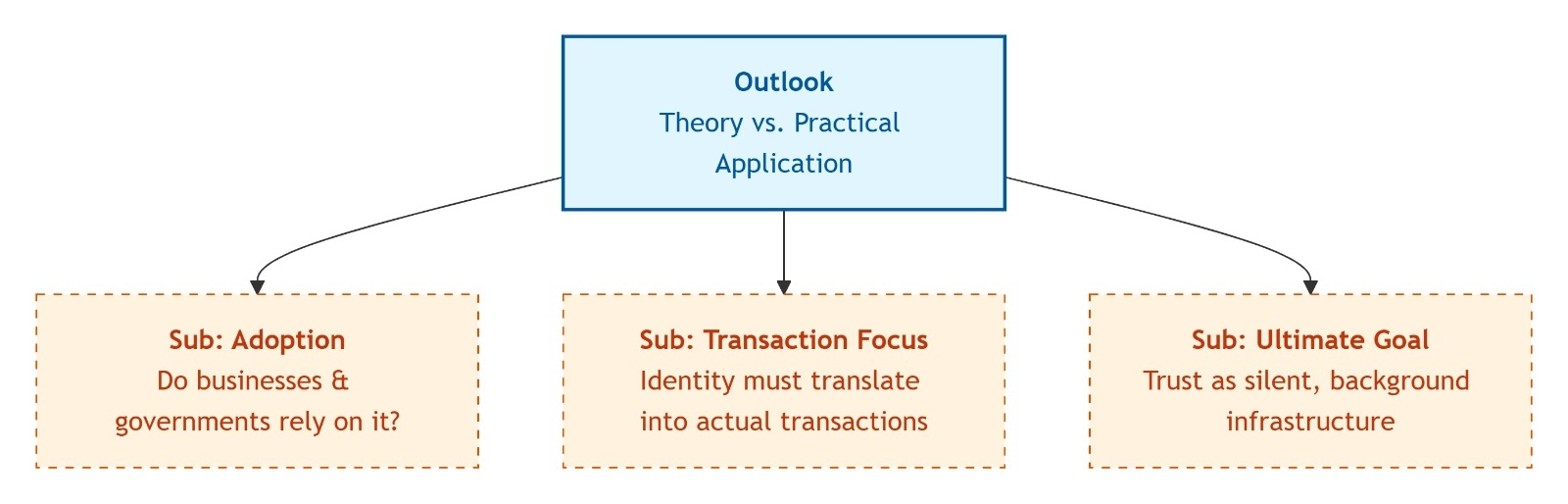
Because the core of Sign isn't just verification; it aims to transform trust into a silent, background-running infrastructure that supports decision-making without constantly exposing the user.
This is what I really appreciate about SIGN.
@SignOfficial #SignDigitalSovereignInfra $SIGN
